Renee Larrier – författare
Visar alla böcker från författaren Renee Larrier. Handla med fri frakt och snabb leverans.
3 produkter
3 produkter
E-bok
Engelska, 2020503 kr
Läs direkt efter köp
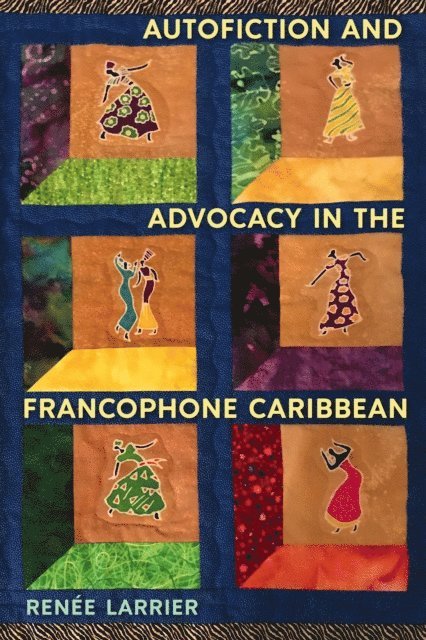
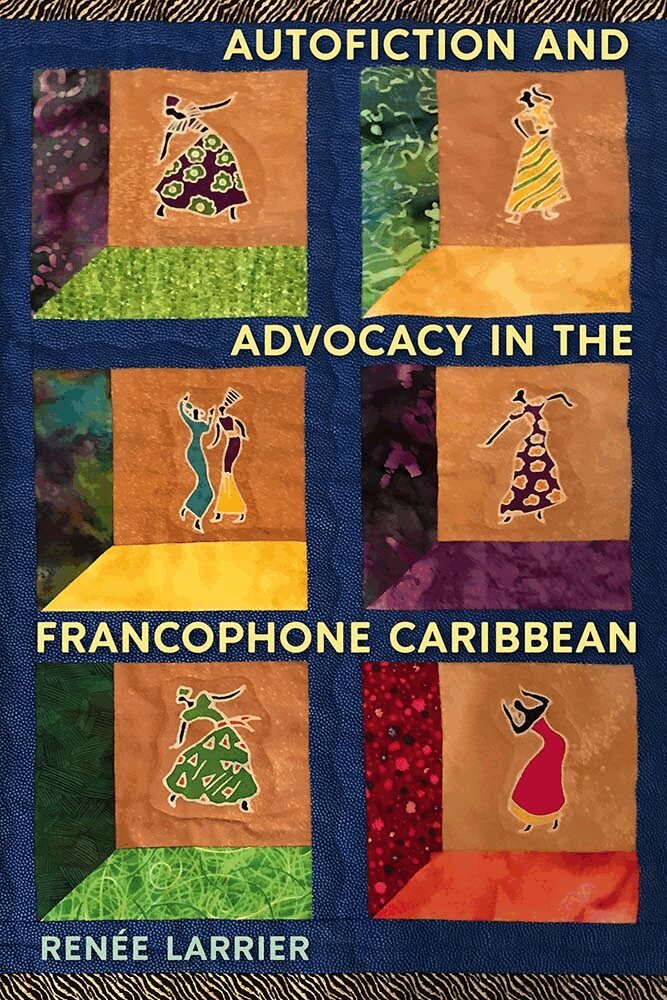
"Very refreshing in the understanding of Caribbean literature . . . Succeeds in blending close readings of specific texts with a constant awareness of the larger picture. . . . From a theoretical complexity that calls on Glissant, Fanon, Ngugi, Benito-Rojo among others, this profoundly human exploration of autofiction and advocacy in Francophone Caribbean literature study does not succumb to the temptation of theory; that is, she does not demand texts illustrate a rigid theoretical frame; the reverse is true throughout the study."—Cilas Kemedjio, University of RochesterLarrier breaks new ground in analyzing first-person narratives by five Francophone Caribbean writers—Joseph Zobel, Patrick Chamoiseau, Gisele Pineau, Edwidge Danticat, and Maryse Conde—that manifest distinctive interaction among narrators, protagonists, characters, and readers through a layering of voices, languages, time, sources, and identities. Employing the Martinican combat dance—danmye—as a trope, the author argues that these narratives can be read as testimony to the legacy of slavery, colonialism, and patriarchy that denied Caribbean people their subjectivity. In chapters devoted to Zobel, Chamoiseau, Pineau, Danticat, and Conde—who come from Martinique, Guadeloupe, and Haiti—Larrier probes the presence, construction, and strategy of the first-person narrator, which sometimes shifts within the text itself. Providing a perspective different from European travel literature, these texts deliberately position the "I" as a witness and/or performer who articulates experiences ignored or misinterpreted by sojourners'' more widely circulated chronicles. While not purporting to speak for others, the "I" is concerned with transmitting what he or she saw, heard, experienced, or endured, therefore disrupting conventional representations of the Francophone Caribbean. Moreover, in modeling authenticity and agency, autofiction is also a form of advocacy.
Inbunden, Engelska, 2015
1 916 kr
Skickas inom 10-15 vardagar
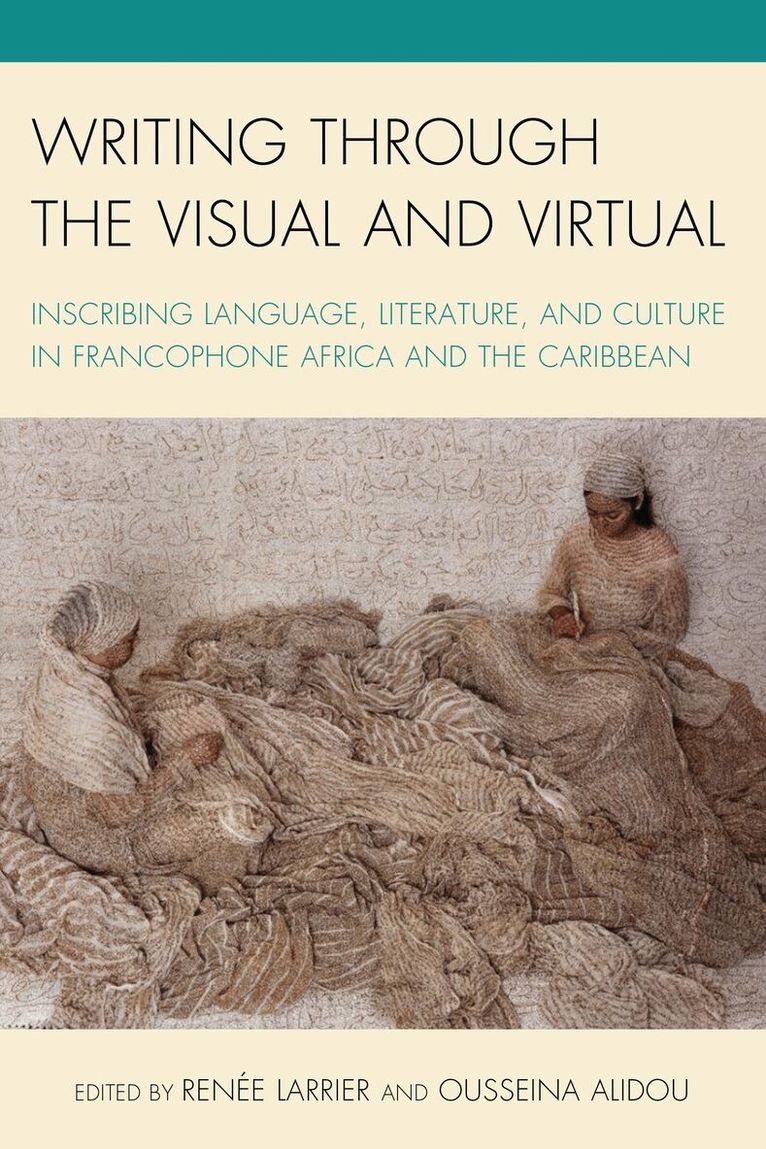
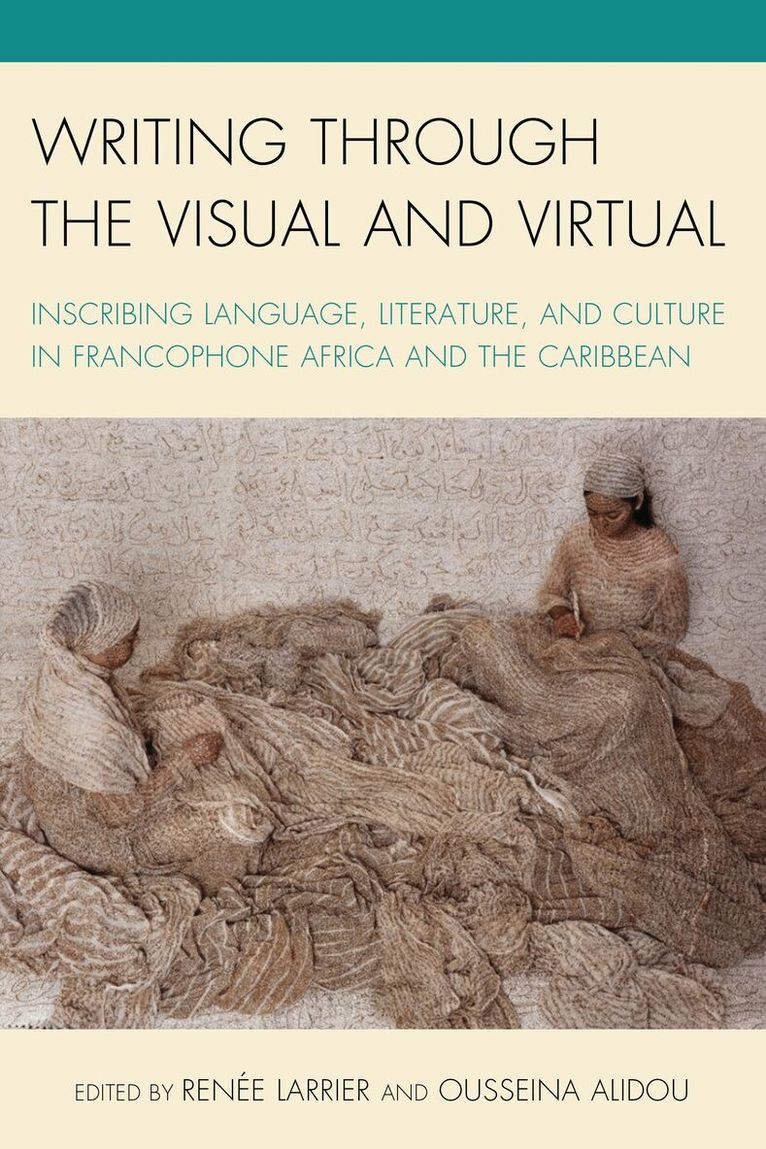
Writing Through the Visual and Virtual: Inscribing Language, Literature, and Culture in Francophone Africa and the Caribbean interrogates conventional notions of writing. The contributors—whose disciplines include anthropology, art history, education, film, history, linguistics, literature, performance studies, philosophy, sociology, translation, and visual arts—examine the complex interplay between language/literature/arts and the visual and virtual domains of expressive culture. The twenty-five essays explore various patterns of writing practices arising from contemporary and historical forces that have impacted the literatures and cultures of Benin, Cameroon, Côte d’Ivoire, Egypt, Guadeloupe, Haiti, Martinique, Morocco, Niger, Reunion Island, and Senegal. Special attention is paid to how scripts, though appearing to be merely decorative in function, are often used by artists and performers in the production of material and non-material culture to tell “stories” of great significance, co-mingling words and images in a way that leads to a creative synthesis that links the local and the global, the “classical” and the “popular” in new ways.
Häftad, Engelska, 2019
803 kr
Skickas inom 10-15 vardagar
Writing Through the Visual and Virtual: Inscribing Language, Literature, and Culture in Francophone Africa and the Caribbean interrogates conventional notions of writing. The contributors—whose disciplines include anthropology, art history, education, film, history, linguistics, literature, performance studies, philosophy, sociology, translation, and visual arts—examine the complex interplay between language/literature/arts and the visual and virtual domains of expressive culture. The twenty-five essays explore various patterns of writing practices arising from contemporary and historical forces that have impacted the literatures and cultures of Benin, Cameroon, Côte d’Ivoire, Egypt, Guadeloupe, Haiti, Martinique, Morocco, Niger, Reunion Island, and Senegal. Special attention is paid to how scripts, though appearing to be merely decorative in function, are often used by artists and performers in the production of material and non-material culture to tell “stories” of great significance, co-mingling words and images in a way that leads to a creative synthesis that links the local and the global, the “classical” and the “popular” in new ways.