Reuven Glick - Böcker
Visar alla böcker från författaren Reuven Glick. Handla med fri frakt och snabb leverans.
6 produkter
6 produkter
509 kr
Skickas inom 7-10 vardagar
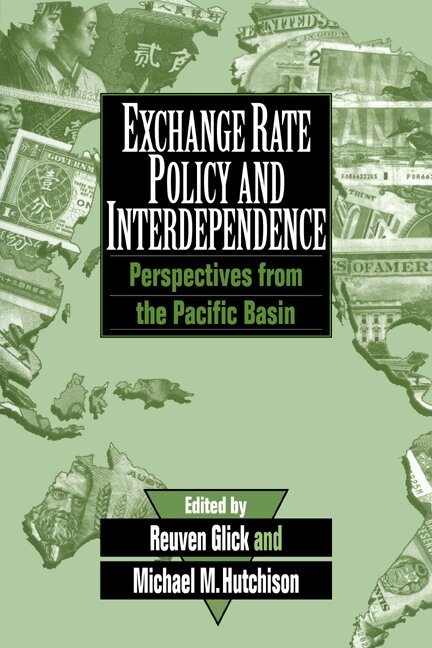
Why countries choose different exchange rate arrangements and how these arrangements affect domestic monetary policy control and macroeconomic stability are questions of substantial interest to policy makers and researchers alike. The countries of the Pacific Basin region offer a wide variety of examples for the comparative study of the implications of different exchange rate arrangements. The essays in this volume examine the degree of financial interdependence and the conduct of exchange rate and monetary policy among Pacific Basin countries. The essays address four broad issues: one, the degree of regional financial market integration in the Pacific Basin, two, the implications of choosing different exchange rate regimes for domestic macroeconomic stability, three, the effect of exchange rate intervention policy on the conduct of domestic monetary policy, and four, the prospects for a yen currency bloc. Some of the essays focus on the national experience of specific countries in the Pacific Basin; others adopt a cross-country comparison approach.
699 kr
Skickas inom 7-10 vardagar
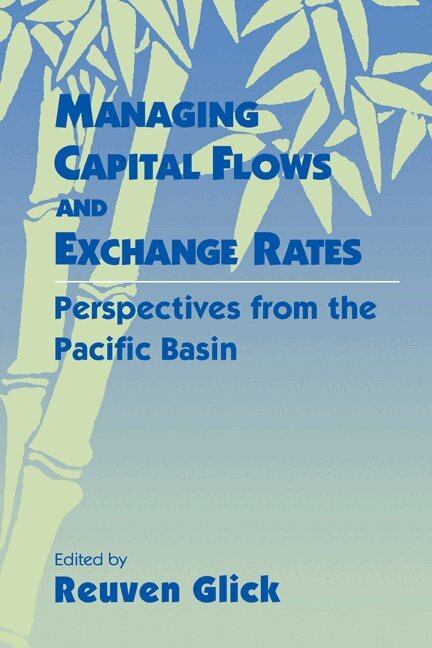
The essays in this volume examine the theoretical and policy issues associated with international capital flows and exchange rates for emerging markets in the Pacific Basin region. Emerging market countries in both Asia and Latin America offer a wide variety of examples for the comparative study of the implications of international capital flow surges and appropriate policy responses. The essays address four broad issues. First, they investigate the determinants of international capital flows, particularly the relative role of domestic and external factors in driving capital flows. Second, they inquire how predictable and contagious capital flow reversals and exchange rate crises are. Third, they explore what the domestic economic effects of capital inflows on emerging economies have been, and finally seek to suggest what are the appropriate responses by policymakers to capital inflow surges.
699 kr
Skickas inom 7-10 vardagar
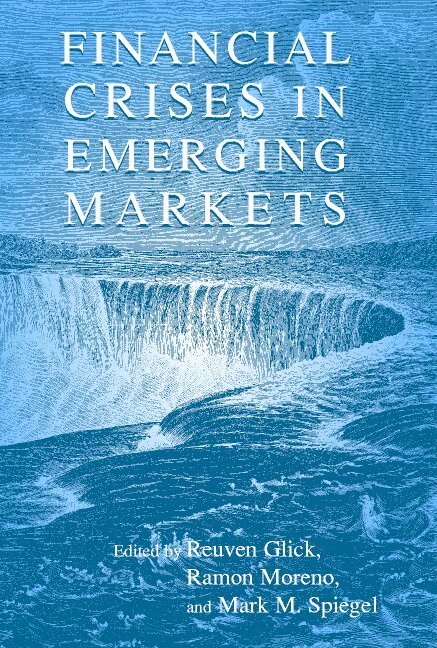
This book looks at numerous financial crises, beginning with Mexico in 1994-5, the Asian crisis of 1997-8, and the crises in Russia, Brazil, and other Latin American countries in 1998-9. Such contemporary crises illustrate the risks of financial volatility and macroeconomic instability during the process of economic growth and development. They also raise issues regarding the management of risks associated with liberalization and global integration, particularly in financial markets. Concerns about the implications of international capital flows for developing countries have grown with the sharply increased volume of these flows since the late 1980s. The essays in this volume provide analysis and evidence on the determinants of currency and banking crises in emerging markets, the specific roles of capital flows and the financial sector, and the appropriateness of various policy responses.
956 kr
Skickas inom 7-10 vardagar
Why countries choose different exchange rate arrangements and how these arrangements affect domestic monetary policy control and macroeconomic stability are questions of substantial interest to policy makers and researchers alike. The countries of the Pacific Basin region offer a wide variety of examples for the comparative study of the implications of different exchange rate arrangements. The essays in this volume examine the degree of financial interdependence and the conduct of exchange rate and monetary policy among Pacific Basin countries. The essays address four broad issues: one, the degree of regional financial market integration in the Pacific Basin, two, the implications of choosing different exchange rate regimes for domestic macroeconomic stability, three, the effect of exchange rate intervention policy on the conduct of domestic monetary policy, and four, the prospects for a yen currency bloc. Some of the essays focus on the national experience of specific countries in the Pacific Basin; others adopt a cross-country comparison approach.
Managing Capital Flows and Exchange Rates
Perspectives from the Pacific Basin
Inbunden, Engelska, 1998
1 106 kr
Skickas inom 7-10 vardagar
The essays in this volume examine the theoretical and policy issues associated with international capital flows and exchange rates for emerging markets in the Pacific Basin region. Emerging market countries in both Asia and Latin America offer a wide variety of examples for the comparative study of the implications of international capital flow surges and appropriate policy responses. The essays address four broad issues. First, they investigate the determinants of international capital flows, particularly the relative role of domestic and external factors in driving capital flows. Second, they inquire how predictable and contagious capital flow reversals and exchange rate crises are. Third, they explore what the domestic economic effects of capital inflows on emerging economies have been, and finally seek to suggest what are the appropriate responses by policymakers to capital inflow surges.
1 065 kr
Skickas inom 7-10 vardagar
This book looks at numerous financial crises, beginning with Mexico in 1994-5, the Asian crisis of 1997-8, and the crises in Russia, Brazil, and other Latin American countries in 1998-9. Such contemporary crises illustrate the risks of financial volatility and macroeconomic instability during the process of economic growth and development. They also raise issues regarding the management of risks associated with liberalization and global integration, particularly in financial markets. Concerns about the implications of international capital flows for developing countries have grown with the sharply increased volume of these flows since the late 1980s. The essays in this volume provide analysis and evidence on the determinants of currency and banking crises in emerging markets, the specific roles of capital flows and the financial sector, and the appropriateness of various policy responses.