Rhonda J. Moore - Böcker
Visar alla böcker från författaren Rhonda J. Moore. Handla med fri frakt och snabb leverans.
9 produkter
9 produkter
1 094 kr
Skickas inom 10-15 vardagar
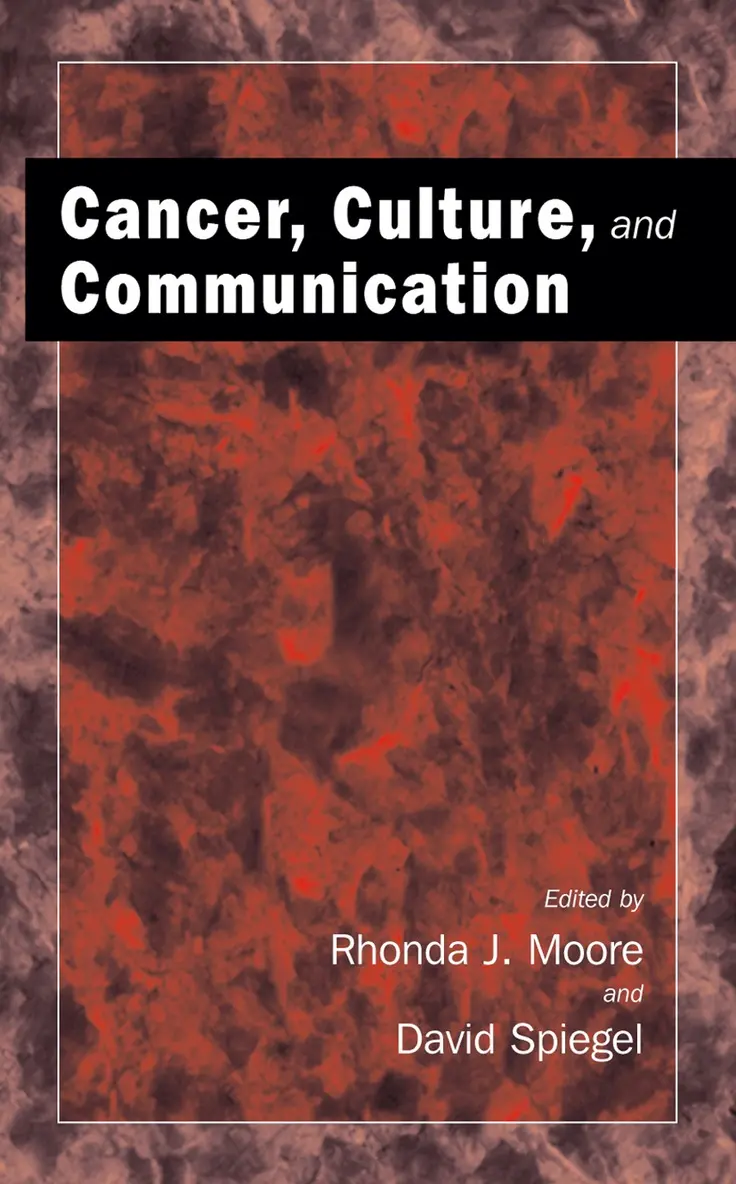
This volume creates a multi-disciplinary dialogue about clinician-patient communication. It offers a description of the relevance of culture as a contextual effect that impacts the clinician-patient relationship. Some important topics addressed include: oncology care; quality of life issues; supportive survivorship; cultural differences in health care; and multi-disciplinary medical approaches.
1 094 kr
Skickas inom 10-15 vardagar
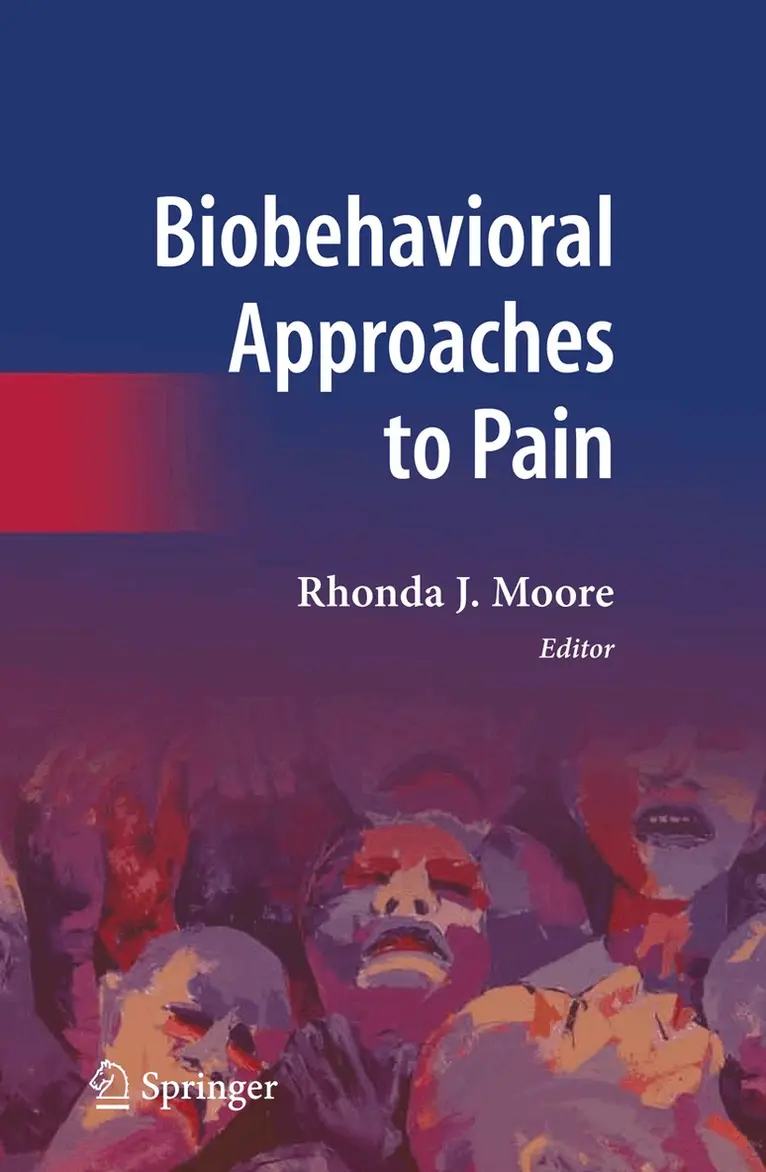
Pain is a common symptom, yet it is frequently underevaluated and undertreated. It is difficult to define, describe—and sometimes to prove. It’s pain, and suspicions of exaggerations often add further insult to a patients’ injuries. Biobehavioral Approaches to Pain translates this highly subjective experience—and its physical, psychological, social, and cultural dimensions—into practical insights key to transforming the field of pain management. This pathbreaking volume synthesizes a rich knowledge base from across disciplines, including neurobiologic, genetic, biobehavioral, clinical, narrative, substance abuse, health services,ethical and policy perspectives, for a deeper understanding of the impact of pain on individual lives and the larger society. Its international panel of contributors highlights special issues and review best practice guidelines, from placebo effects to cancer, Whiplash Associated Disorders to pain imaging to complementary medicine, phantom limb pain to gene therapies to AIDS. Among the topics covered:The distinction between acute and chronic pain: is it clinically useful?Improving clinical assessment of patients with pain.Age and sex differences in pain. The what, how and why of the placebo and nocebo effect Psychosocial and partner-assisted biopsychosocial interventions for disease-related pain Substance abuse issues in pain treatment.The personal, social and economic costs of chronic pain.Biobehavioral Approaches to Pain offers clinical and health professionals, psychologists, as well as specialists in pain management or palliative care, new directions in their ongoing dialogue with patients. Given the prevalence of pain in the general population, it should also interest researchers and students in the field ofpublic health.
Handbook of Pain and Palliative Care
Biobehavioral Approaches for the Life Course
Inbunden, Engelska, 2012
5 982 kr
Skickas inom 10-15 vardagar
Handbook of Pain and Palliative Care:Biobehavioral Approaches for the Life Course Rhonda J. Moore, editor This book takes both a biobehavioral and a lifespan approach to understanding long-term and chronic pain, and intervening to optimize patients’ functioning. Rich in clinical diversity, chapters explore emerging areas of interest (computer-based interventions, fibromyalgia, stress), ongoing concerns (cancer pain, low back pain), and special populations (pediatric, elderly, military). This coverage provides readers with a knowledge base in assessment, treatment, and management that is up to date, practice strengthening, and forward looking. Subject areas featured in the Handbook include: ▪ Patient-practitioner communication▪ Assessment tools and strategies▪ Common pain conditions across the lifespan▪ Biobehavioral mechanisms of chronic pain▪ Pharmaceutical, neurological, and rehabilitative interventions▪ Psychosocial, complementary/alternative, narrative, and spiritual approaches▪ Ethical issue and future directions With the rise of integrative perspective and the emphasis on overall quality of life rather than discrete symptoms, pain management is gaining importance across medical disciplines. Handbook of Pain and Palliative Care stands out as a one-stop reference for a range of professionals, including health practitioners specializing in pain management or palliative care, clinical and health psychologists, public health professionals, and clinicians and administrators in long-term care and hospice.
952 kr
Skickas inom 10-15 vardagar
Pain is a common symptom, yet it is frequently underevaluated and undertreated. It is difficult to define, describe—and sometimes to prove. It’s pain, and suspicions of exaggerations often add further insult to a patients’ injuries. Biobehavioral Approaches to Pain translates this highly subjective experience—and its physical, psychological, social, and cultural dimensions—into practical insights key to transforming the field of pain management. This pathbreaking volume synthesizes a rich knowledge base from across disciplines, including neurobiologic, genetic, biobehavioral, clinical, narrative, substance abuse, health services,ethical and policy perspectives, for a deeper understanding of the impact of pain on individual lives and the larger society. Its international panel of contributors highlights special issues and review best practice guidelines, from placebo effects to cancer, Whiplash Associated Disorders to pain imaging to complementary medicine, phantom limb pain to gene therapies to AIDS. Among the topics covered:The distinction between acute and chronic pain: is it clinically useful?Improving clinical assessment of patients with pain.Age and sex differences in pain. The what, how and why of the placebo and nocebo effect Psychosocial and partner-assisted biopsychosocial interventions for disease-related pain Substance abuse issues in pain treatment.The personal, social and economic costs of chronic pain.Biobehavioral Approaches to Pain offers clinical and health professionals, psychologists, as well as specialists in pain management or palliative care, new directions in their ongoing dialogue with patients. Given the prevalence of pain in the general population, it should also interest researchers and students in the field ofpublic health.
Handbook of Pain and Palliative Care
Biobehavioral Approaches for the Life Course
Häftad, Engelska, 2013
4 003 kr
Skickas inom 5-8 vardagar
Handbook of Pain and Palliative Care:Biobehavioral Approaches for the Life Course Rhonda J. Moore, editor This book takes both a biobehavioral and a lifespan approach to understanding long-term and chronic pain, and intervening to optimize patients’ functioning. Rich in clinical diversity, chapters explore emerging areas of interest (computer-based interventions, fibromyalgia, stress), ongoing concerns (cancer pain, low back pain), and special populations (pediatric, elderly, military). This coverage provides readers with a knowledge base in assessment, treatment, and management that is up to date, practice strengthening, and forward looking. Subject areas featured in the Handbook include: ▪ Patient-practitioner communication▪ Assessment tools and strategies▪ Common pain conditions across the lifespan▪ Biobehavioral mechanisms of chronic pain▪ Pharmaceutical, neurological, and rehabilitative interventions▪ Psychosocial, complementary/alternative, narrative, and spiritual approaches▪ Ethical issue and future directions With the rise of integrative perspective and the emphasis on overall quality of life rather than discrete symptoms, pain management is gaining importance across medical disciplines. Handbook of Pain and Palliative Care stands out as a one-stop reference for a range of professionals, including health practitioners specializing in pain management or palliative care, clinical and health psychologists, public health professionals, and clinicians and administrators in long-term care and hospice.
1 094 kr
Skickas inom 10-15 vardagar
The ability to communicate effectively with cancer patients and their family members has been linked to patient satisfaction, reduced psychological morbidity, enhanced health and reduced clinician "burn-out". Yet, despite what we know about the benefits of effective communication, cancer clinicians have only recently begun to receive routine training in the psychosocial and emotional aspects of cancer patient care. This volume creates a multi-disciplinary dialogue about clinician-patient communication. It offers a description of the relevance of culture as a contextual effect that impacts the clinician-patient relationship. Some important topics addressed include: -Oncology care; -Quality of life issues; -Supportive survivorship; -Cultural differences in health care; -Multidisciplinary medical approaches. This book is for physicians, nurses, hospice and palliative care professionals and public health professionals who would like to understand the ways we can improve clinician-patient communication in culturally diverse medical settings. It is also suitable for graduate level courses in medical education, oncology, and health care.
1 953 kr
Skickas inom 7-10 vardagar
Climate change is a driver of poverty, poor mental health, inequity, and increased intersectional vulnerability, with significant differential global impacts on individual and community health and well-being. For example, people living in low resource settings in high income countries (HICs) and in low and middle-income countries (LMICs) are at greater risk, often experiencing fragile socioeconomic, political and health infrastructures, and conflict-affected settings (FCAS) that place them at greater risk and vulnerabilities to climate change related mental health impacts.The broad goal of this book is to place a social justice and inclusive lens on climate change and mental health equity focusing on these three key elements: people, place, and community. The book includes perspectives from the global North, the global South, and Indigenous perspectives to help provide greater insight into how we can better understand climate change and mental health equity across peoples, place, and community. This book’s three-pronged approach will focus on certain trends in this emerging and growing field, also bridging some of the more extensive gaps, and is a tool for better understanding how mental health disparities might be addressed at this time.
1 419 kr
Skickas inom 10-15 vardagar
Climate change is a driver of poverty, poor mental health, inequity, and increased intersectional vulnerability, with significant differential global impacts on individual and community health and well-being. For example, people living in low resource settings in high income countries (HICs) and in low and middle-income countries (LMICs) are at greater risk, often experiencing fragile socioeconomic, political and health infrastructures, and conflict-affected settings (FCAS) that place them at greater risk and vulnerabilities to climate change related mental health impacts.The broad goal of this book is to place a social justice and inclusive lens on climate change and mental health equity focusing on these three key elements: people, place, and community. The book includes perspectives from the global North, the global South, and Indigenous perspectives to help provide greater insight into how we can better understand climate change and mental health equity across peoples, place, and community. This book’s three-pronged approach will focus on certain trends in this emerging and growing field, also bridging some of the more extensive gaps, and is a tool for better understanding how mental health disparities might be addressed at this time.
Handbook of Pain and Palliative Care
Biopsychosocial and Environmental Approaches for the Life Course
Inbunden, Engelska, 2019
3 524 kr
Skickas inom 5-8 vardagar
This comprehensive revision of the invaluable reference presents a rigorous survey of pain and palliative care phenomena across the lifespan and across disciplines. Grounded in the biopsychosocial viewpoint of its predecessor, it offers up-to-date understanding of assessments and interventions for pain, the communication of pain, common pain conditions and their mechanisms, and research and policy issues. In keeping with the current public attention to painkiller use and misuse, contributors discuss a full range of pharmacological and non-pharmacological approaches to pain relief and management. And palliative care is given expanded coverage, with chapters on interventive, ethical, and spiritual concerns.· Pain, intercultural communication, and narrative medicine.· Assessment of pain: tools, challenges, and special populations.· Persistent pain in the older adult: practical considerations for evaluation and management.· Acute to chronic pain: transition in the post-surgical patient. · Evidence-based pharmacotherapy of chronic pain.· Complementary and integrative health in chronic pain and palliative care.· The patient’s perspective of chronic pain.· Disparities in pain and pain care.This mix of evolving and emerging topics makes the Second Edition of the Handbook of Pain and Palliative Care a necessity for health practitioners specializing in pain management or palliative care, clinical and health psychologists, public health professionals, and clinicians and administrators in long-term care and hospice.