Ricarda Roesch – författare
Visar alla böcker från författaren Ricarda Roesch. Handla med fri frakt och snabb leverans.
4 produkter
4 produkter
Inbunden, Engelska, 2019
1 603 kr
Skickas inom 10-15 vardagar
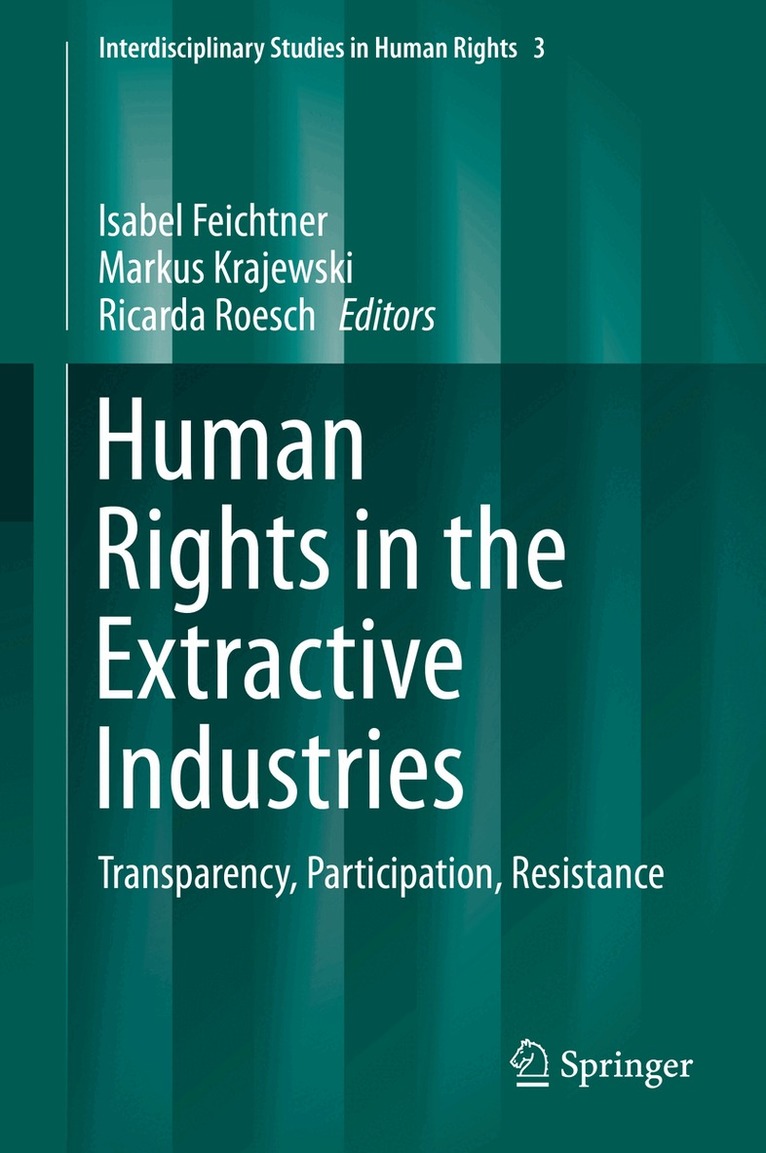
This book addresses key challenges and conflicts arising in extractive industries (mining, oil drilling) concerning the human rights of workers, their families, local communities and other stakeholders. Further, it analyses various instruments that have sought to mitigate human rights violations by defining transparency-related obligations and participation rights. These include the Extractive Industries Transparency Initiative (EITI), disclosure requirements, and free, prior and informed consent (FPIC). The book critically assesses these instruments, demonstrating that, in some cases, they produce unwanted effects. Furthermore, it highlights the importance of resistance to extractive industry projects as a response to human rights violations, and discusses how transparency, participation and resistance are interconnected.
1 960 kr
Läs direkt efter köp
This book addresses key challenges and conflicts arising in extractive industries (mining, oil drilling) concerning the human rights of workers, their families, local communities and other stakeholders. Further, it analyses various instruments that have sought to mitigate human rights violations by defining transparency-related obligations and participation rights. These include the Extractive Industries Transparency Initiative (EITI), disclosure requirements, and free, prior and informed consent (FPIC). The book critically assesses these instruments, demonstrating that, in some cases, they produce unwanted effects. Furthermore, it highlights the importance of resistance to extractive industry projects as a response to human rights violations, and discusses how transparency, participation and resistance are interconnected.
Inbunden, Engelska, 2023
1 304 kr
Skickas inom 10-15 vardagar
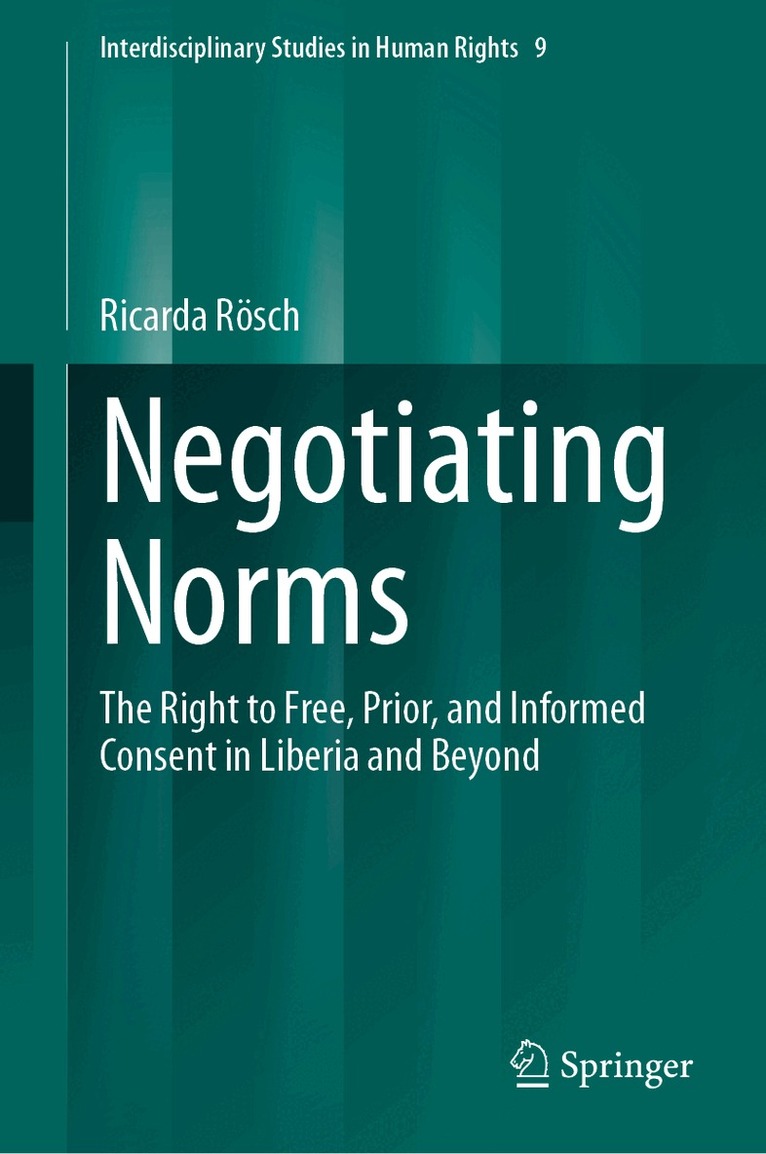
The book explores the right to free, prior and informed consent (FPIC) – a highly controversial right. It is mainly discussed in the context of large-scale business projects on Indigenous territories but also with respect to the creation of protected areas and communities’ traditional resource rights. From a legal anthropological perspective, it attempts to disentangle the various coexisting understandings of FPIC and provide an explanation for the multiplicity of FPIC norms or – to put it in other words – its fragmentation. It examines the right- or stakeholders of FPIC, the scope of the consent requirement, the respect for self-determined decision-making, and the right to FPIC of women in different sociolegal fields. Moreover, it explores the impact of power relations, strategic alliances, and discourses within these fields and shows that the emerging FPIC norms are the result of norm negotiation processes. The fields that are examined include transnational law – more specifically, human rights, environmental, and development law -, the Liberian post-conflict forest and land legislation, and Liberian community forests as fields in which FPIC is operationalized. Liberia is quite unique in this respect. It is not only one of the few countries in Africa recognizing FPIC but has also begun implementing it. The book shows that based on the logic of a sociolegal field, legal identities are discursively created and determine the meaning of FPIC. Moreover, different actors can resort to different legalities shaping the emerging FPIC norm.
Häftad, Engelska, 2024
1 304 kr
Skickas inom 10-15 vardagar
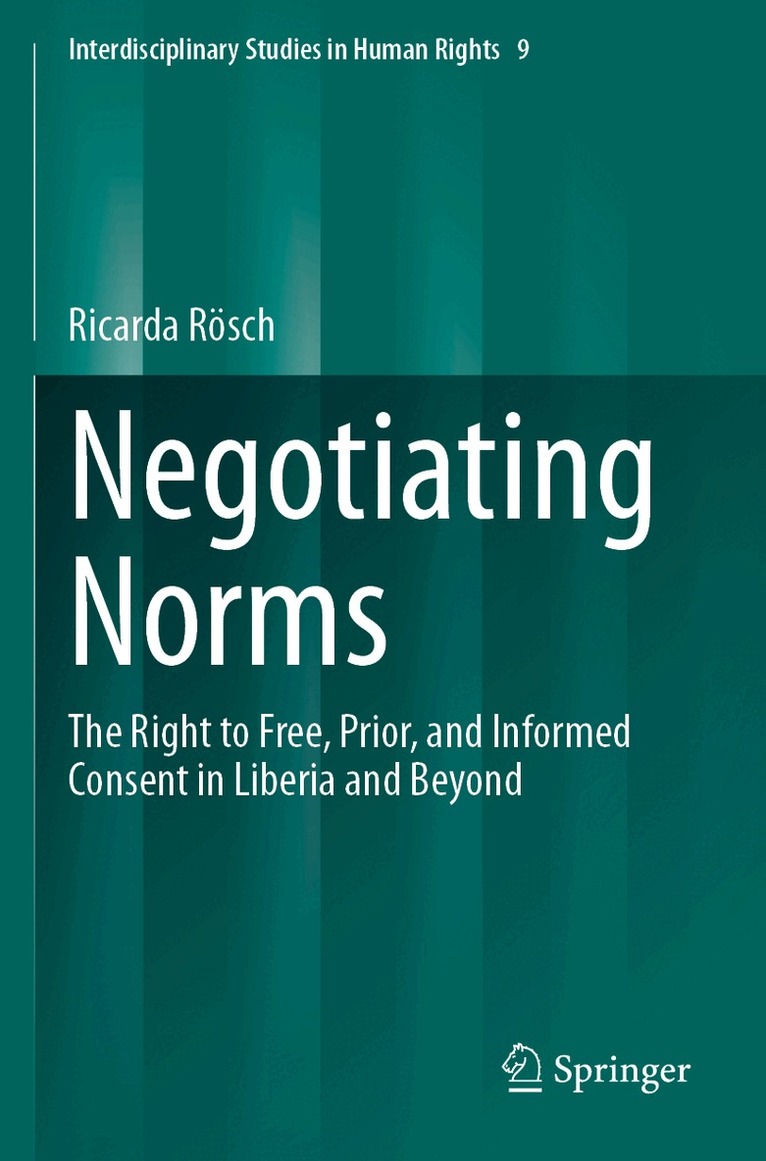
The book explores the right to free, prior and informed consent (FPIC) – a highly controversial right. It is mainly discussed in the context of large-scale business projects on Indigenous territories but also with respect to the creation of protected areas and communities’ traditional resource rights. From a legal anthropological perspective, it attempts to disentangle the various coexisting understandings of FPIC and provide an explanation for the multiplicity of FPIC norms or – to put it in other words – its fragmentation. It examines the right- or stakeholders of FPIC, the scope of the consent requirement, the respect for self-determined decision-making, and the right to FPIC of women in different sociolegal fields. Moreover, it explores the impact of power relations, strategic alliances, and discourses within these fields and shows that the emerging FPIC norms are the result of norm negotiation processes. The fields that are examined include transnational law – more specifically, human rights, environmental, and development law -, the Liberian post-conflict forest and land legislation, and Liberian community forests as fields in which FPIC is operationalized. Liberia is quite unique in this respect. It is not only one of the few countries in Africa recognizing FPIC but has also begun implementing it. The book shows that based on the logic of a sociolegal field, legal identities are discursively created and determine the meaning of FPIC. Moreover, different actors can resort to different legalities shaping the emerging FPIC norm.