Richard A. Glennon – författare
2 018 kr
Skickas inom 5-8 vardagar
2 274 kr
Läs direkt efter köp
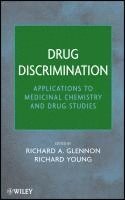
Drug discrimination: a practical guide to its contributions to the invention of new chemical entities and evaluations of new or known pharmacological agents
Drug discrimination can be described as a "drug detection" procedure that uses a pharmacologically active agent as the subjective stimulus. Although the procedure does require some effort to implement, it can be an extremely important tool for understanding drug action. Whereas medicinal chemists should come to learn the types of information that drug discrimination studies can offer, pharmacologists and psychologists might come to realize how medicinal chemists can apply the types of information that the paradigm routinely provides. Drug Discrimination: Applications to Medicinal Chemistry and Drug Studies provides in-depth analyses of the nature and use of drugs as discriminative stimuli and bridges some of the numerous gaps between medicinal chemistry, pharmacology, and psychology.
Stressing the practical aspects of drug discrimination, including types of procedures, study design, data, and interpretation, the book details the advantages and limitations of drug discrimination studies versus other pharmacologic evaluations. Practical information from leading researchers in the field addresses specific topics and techniques that are of interest in drug discovery, evaluation, and development.
A groundbreaking new guide to the applications of drug discrimination studies for medicinal chemistry and neuroscience, Drug Discrimination is essential for any scientist, researcher, or student whose interests involve the design, development, and/or action of drugs acting at the level of the central nervous system.
2 274 kr
Läs direkt efter köp
Drug discrimination: a practical guide to its contributions to the invention of new chemical entities and evaluations of new or known pharmacological agents
Drug discrimination can be described as a "drug detection" procedure that uses a pharmacologically active agent as the subjective stimulus. Although the procedure does require some effort to implement, it can be an extremely important tool for understanding drug action. Whereas medicinal chemists should come to learn the types of information that drug discrimination studies can offer, pharmacologists and psychologists might come to realize how medicinal chemists can apply the types of information that the paradigm routinely provides. Drug Discrimination: Applications to Medicinal Chemistry and Drug Studies provides in-depth analyses of the nature and use of drugs as discriminative stimuli and bridges some of the numerous gaps between medicinal chemistry, pharmacology, and psychology.
Stressing the practical aspects of drug discrimination, including types of procedures, study design, data, and interpretation, the book details the advantages and limitations of drug discrimination studies versus other pharmacologic evaluations. Practical information from leading researchers in the field addresses specific topics and techniques that are of interest in drug discovery, evaluation, and development.
A groundbreaking new guide to the applications of drug discrimination studies for medicinal chemistry and neuroscience, Drug Discrimination is essential for any scientist, researcher, or student whose interests involve the design, development, and/or action of drugs acting at the level of the central nervous system.
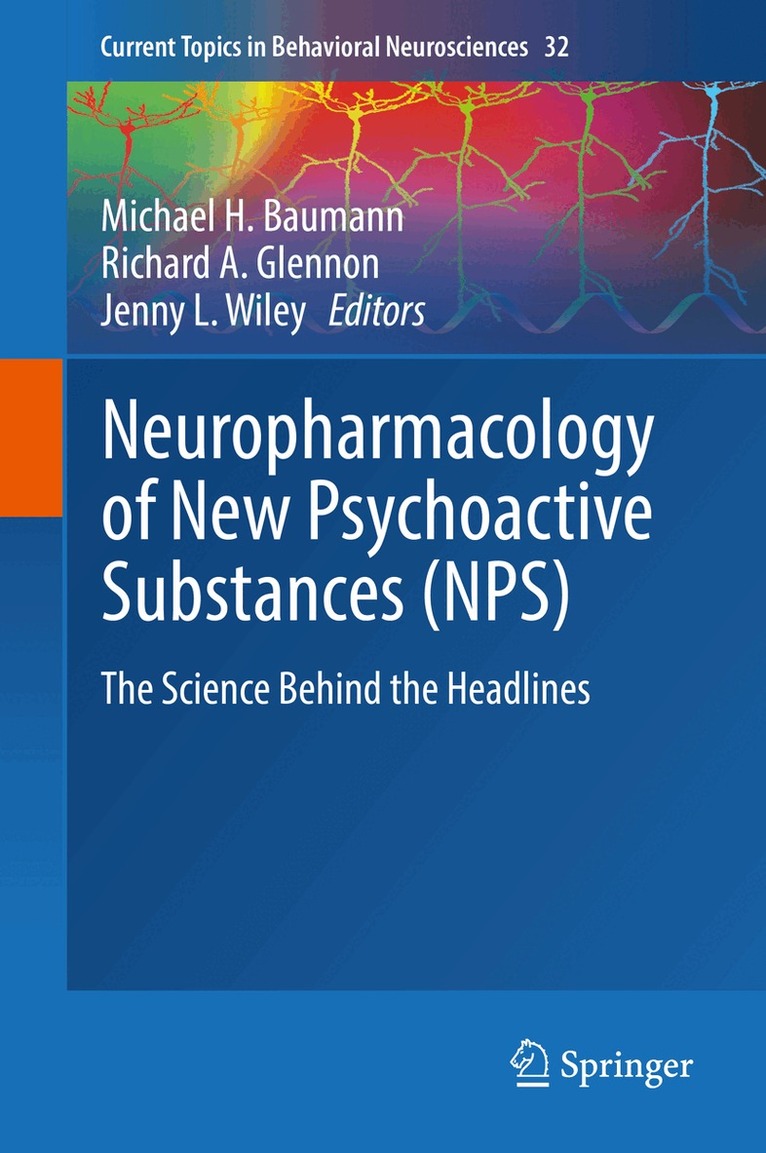
Neuropharmacology of New Psychoactive Substances (NPS)
The Science Behind the Headlines
2 444 kr
Skickas inom 10-15 vardagar
3 137 kr
Läs direkt efter köp
Designer drugs, or new psychoactive substances (NPS), are synthetic chemicals that mimic the effects of classic drugs of abuse. There has been an alarming worldwide increase in the abuse of NPS in recent years. NPS are cheap, easy to obtain, and often legally available. In this volume, leading experts summarize the latest studies regarding the molecular mechanisms of action, behavioral effects, and adverse consequences of popular NPS. Specific chapters clarify the differences between various types of NPS, namely: stimulants, cannabinoids and hallucinogens. Thus, this volume broadens our understanding of NPS and provides insight into the rapidly evolving “new drug” phenomenon.
Neuropharmacology of New Psychoactive Substances (NPS)
The Science Behind the Headlines
2 444 kr
Skickas inom 10-15 vardagar