Richard A. Richards – författare
Visar alla böcker från författaren Richard A. Richards. Handla med fri frakt och snabb leverans.
13 produkter
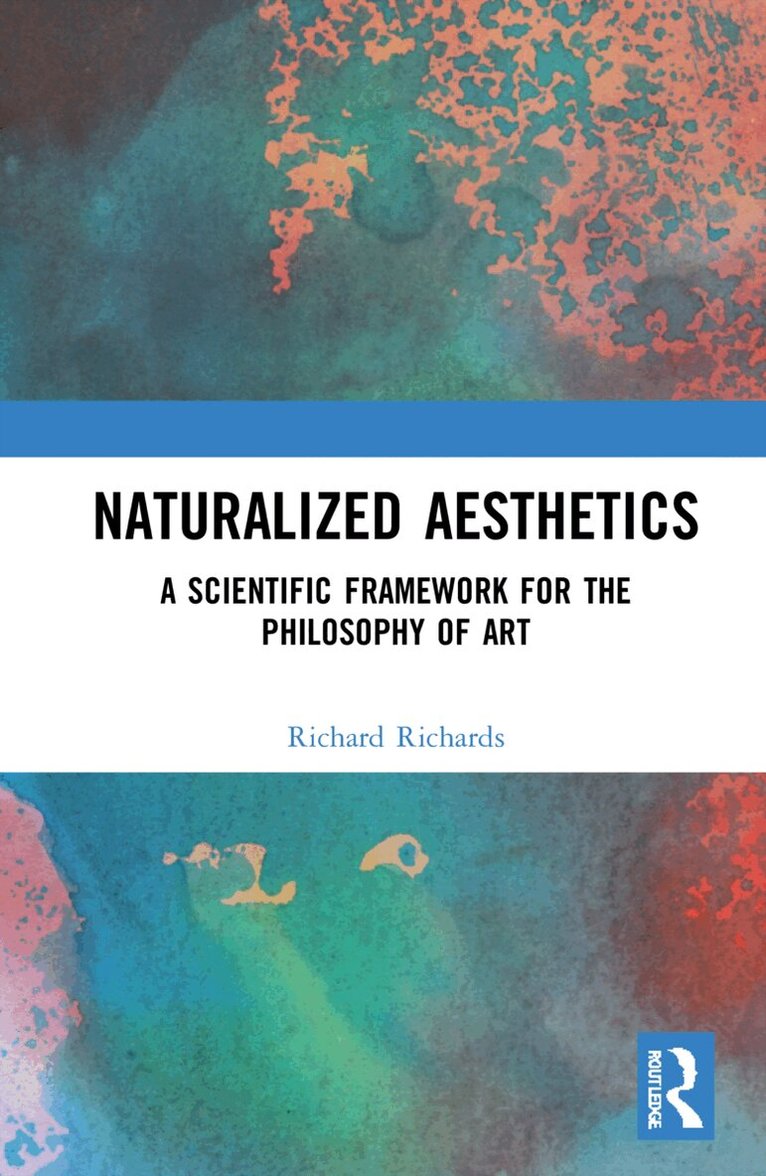
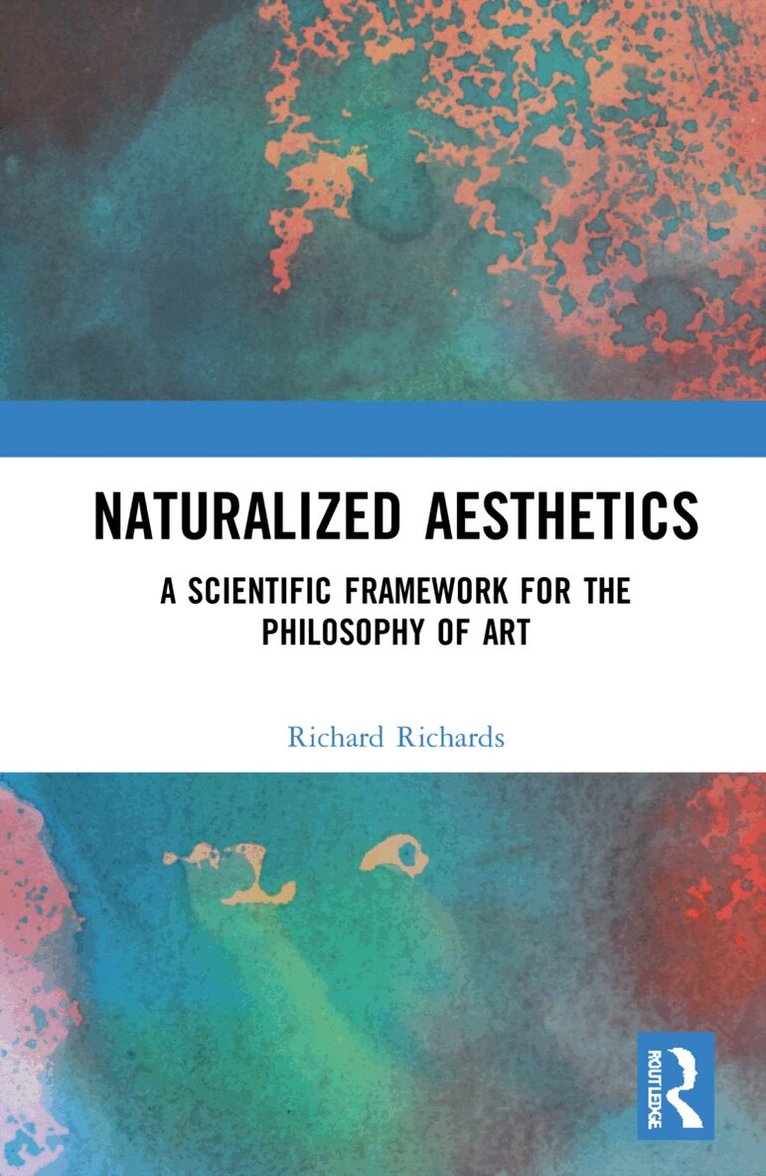
Naturalized Aesthetics
A Scientific Framework for the Philosophy of Art
Inbunden, 2022
2266 kr
Lägg i varukorg
This book bridges the gap between the many insights into art provided by research in evolutionary theory, psychology and neuroscience and those enduring normative issues best addressed by philosophy. The sciences have helped us understand how art functions, our art preferences, and the neurological …
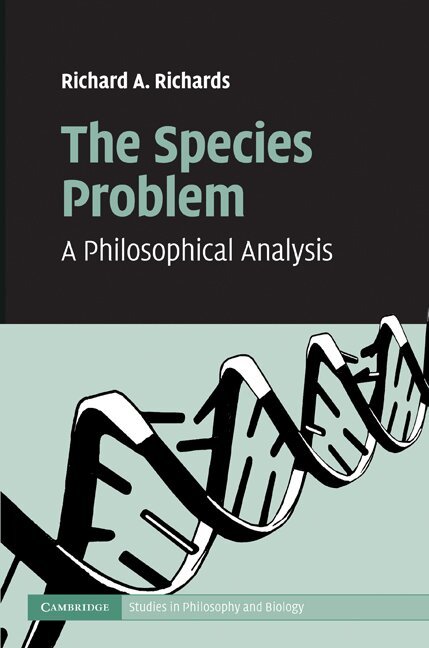
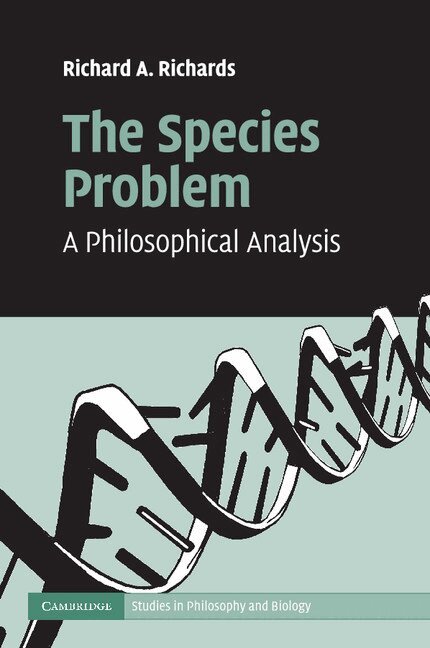
The Species Problem
A Philosophical Analysis
Inbunden, 2010
1628 kr
Lägg i varukorg
There is long-standing disagreement among systematists about how to divide biodiversity into species. Over twenty different species concepts are used to group organisms, according to criteria as diverse as morphological or molecular similarity, interbreeding and genealogical relationships. This, …
Naturalized Aesthetics
A Scientific Framework for the Philosophy of Art
E-bok, 2022
660 kr
Lägg i varukorg
This book bridges the gap between the many insights into art provided by research in evolutionary theory, psychology and neuroscience and those enduring normative issues best addressed by philosophy. The sciences have helped us understand how art functions, our art preferences, and the neurological …
Naturalized Aesthetics
A Scientific Framework for the Philosophy of Art
E-bok, 2022
660 kr
Lägg i varukorg
This book bridges the gap between the many insights into art provided by research in evolutionary theory, psychology and neuroscience and those enduring normative issues best addressed by philosophy. The sciences have helped us understand how art functions, our art preferences, and the neurological …
Naturalized Aesthetics
A Scientific Framework for the Philosophy of Art
Häftad, 2024
619 kr
Lägg i varukorg
This book bridges the gap between the many insights into art provided by research in evolutionary theory, psychology and neuroscience and those enduring normative issues best addressed by philosophy. The sciences have helped us understand how art functions, our art preferences, and the neurological …
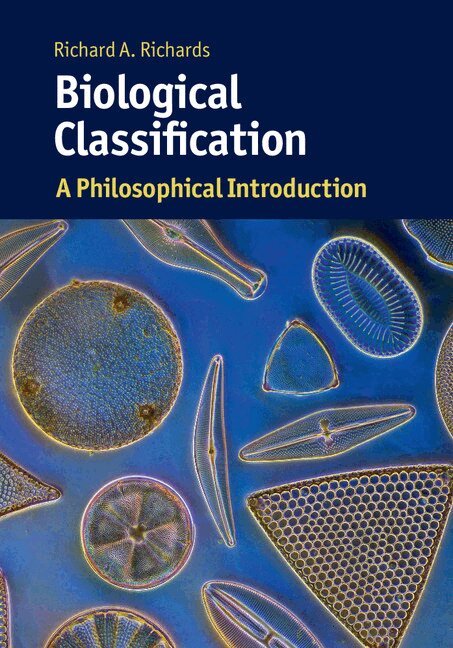
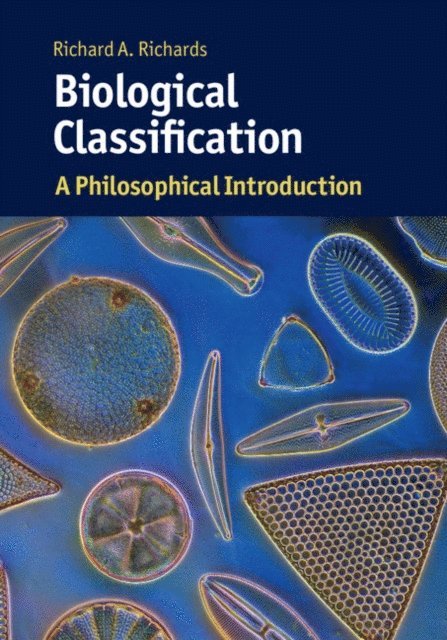
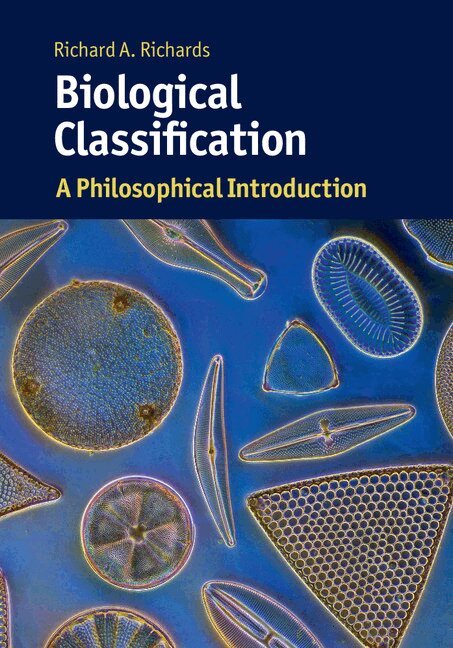
Biological Classification
A Philosophical Introduction
Inbunden, 2016
1336 kr
Lägg i varukorg
Modern biological classification is based on the system developed by Linnaeus, and interpreted by Darwin as representing the tree of life. But despite its widespread acceptance, the evolutionary interpretation has some problems and limitations. This comprehensive book provides a single resource for …
The Species Problem
A Philosophical Analysis
Häftad, 2015
569 kr
Lägg i varukorg
There is long-standing disagreement among systematists about how to divide biodiversity into species. Over twenty different species concepts are used to group organisms, according to criteria as diverse as morphological or molecular similarity, interbreeding and genealogical relationships. This, …
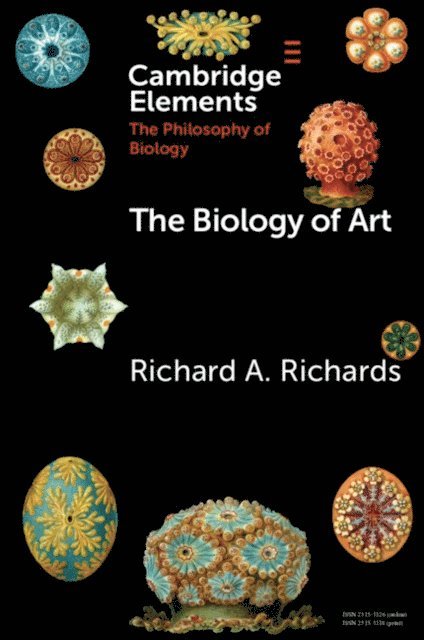
Biology of Art
E-bok, 2019
287 kr
Lägg i varukorg
Biological accounts of art typically start with evolutionary, psychological or neurobiological theories. These approaches might be able to explain many of the similarities we see in art behaviors within and across human populations, but they don''t obviously explain the differences we also see. Nor …
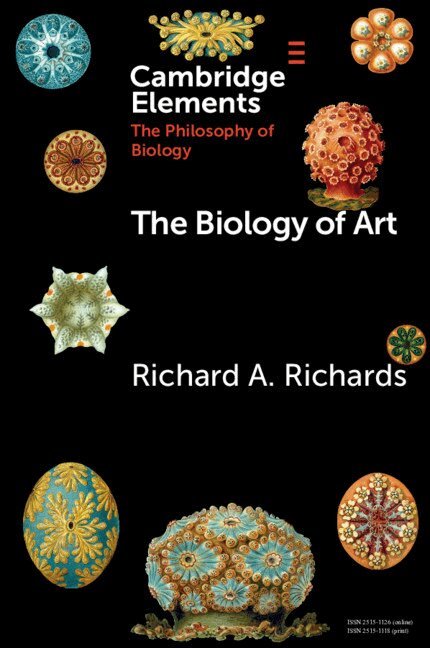
The Biology of Art
Häftad, 2019
308 kr
Lägg i varukorg
Biological accounts of art typically start with evolutionary, psychological or neurobiological theories. These approaches might be able to explain many of the similarities we see in art behaviors within and across human populations, but they don't obviously explain the differences we also see. Nor …
Biological Classification
A Philosophical Introduction
E-bok, 2016
1418 kr
Lägg i varukorg
Modern biological classification is based on the system developed by Linnaeus, and interpreted by Darwin as representing the tree of life. But despite its widespread acceptance, the evolutionary interpretation has some problems and limitations. This comprehensive book provides a single resource for …
Biological Classification
A Philosophical Introduction
E-bok, 2016
1418 kr
Lägg i varukorg
Modern biological classification is based on the system developed by Linnaeus, and interpreted by Darwin as representing the tree of life. But despite its widespread acceptance, the evolutionary interpretation has some problems and limitations. This comprehensive book provides a single resource for …
Biological Classification
A Philosophical Introduction
Häftad, 2016
510 kr
Tillfälligt slut
Modern biological classification is based on the system developed by Linnaeus, and interpreted by Darwin as representing the tree of life. But despite its widespread acceptance, the evolutionary interpretation has some problems and limitations. This comprehensive book provides a single resource for …