Richard A. Serrano – författare
Visar alla böcker från författaren Richard A. Serrano. Handla med fri frakt och snabb leverans.
4 produkter
4 produkter
Häftad, Engelska, 1998
316 kr
Skickas inom 5-8 vardagar
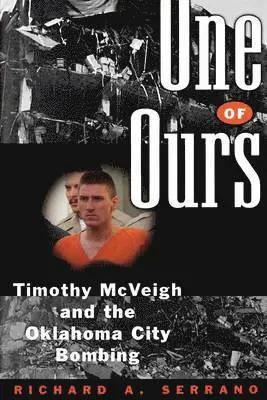
On April 19, 1995, terrorism struck the heartland of America: A cataclysmic explosion destroyed the Oklahoma City federal building, took the lives of 168 people, and injured more than 500 others. It was not the work of a secret foreign cabal or a maniacal suicide bomber. Instead, death drove a rented truck, and behind the wheel was a young white American male with the barest of knowledge at his fingertips--a driver's license to rent a van and a recipe for mixing farm fertilizer and fuel oil to make a bomb. Timothy McVeigh--son of the working class, an army hero, the kid next door--was about to become the worst mass-murderer in American history. Richard Serrano, a Los Angeles Times reporter, arrived in Oklahoma City with the fire engines still racing to the blast site, and he has never left the story. On the basis of hundreds of interviews, including an in-depth exclusive with McVeigh himself, Serrano takes us along on that wild ride crisscrossing America, as the bomb components are collected and a seemingly normal young man hardens his resolve to save the country he loves at the expense of the government he hates.
Inbunden, Engelska, 2021
336 kr
Skickas inom 5-8 vardagar
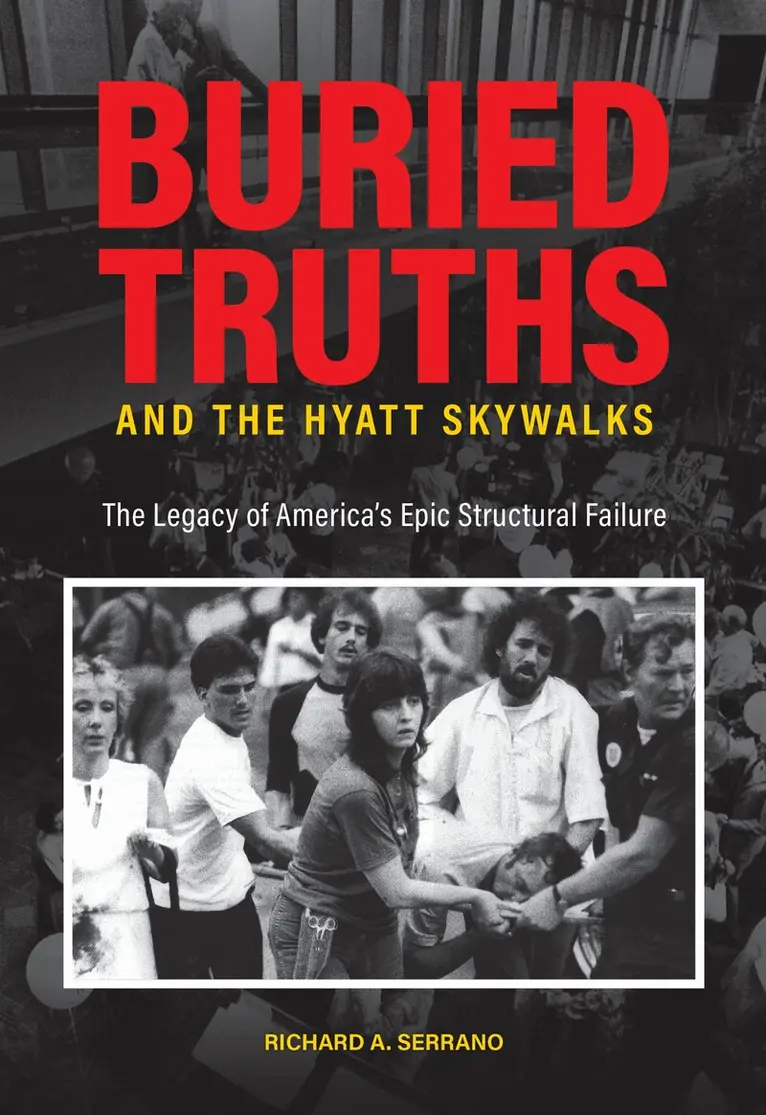
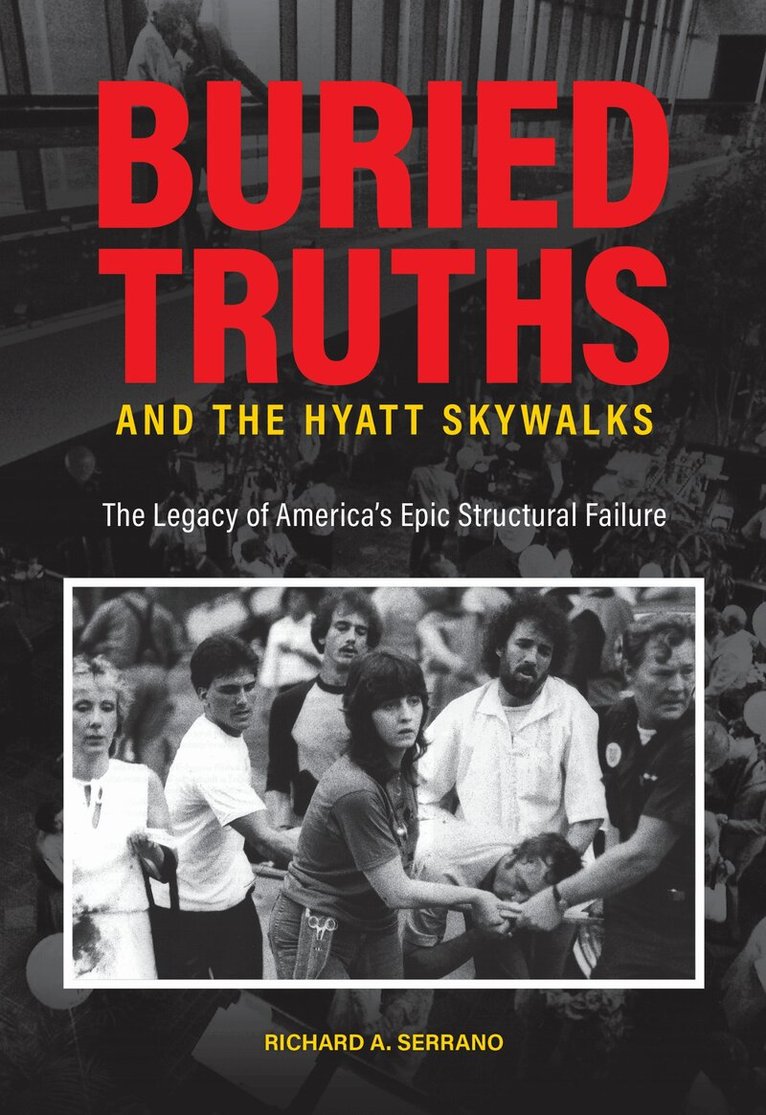
In 1981 the sudden collapse of two skywalks in Kansas City's Hyatt hotel killed 114 people and injured another 200. There never was a public trial, nor a full airing of everything that went wrong. Richard A. Serrano shared a Pulitzer Prize for his coverage of the disaster at the time; now he returns to the tragedy to learn all that went wrong, how it could have been avoided, and what lasting effects persist today-for engineering and the legal system, but most importantly those who suffered. Drawing on legal depositions, evidentiary material, and recollections from 240 survivors, first responders, and construction officials, Buried Truths and the Hyatt Skywalks is the story of this monumental catastrophe and what it teaches us today.The Friday evening Tea Dance was all the rage that summer of 1981. Each week the lobby filled with throngs of revelers, some celebrating atop the skywalks themselves. On July 17, without warning, the steel support systems buckled and the concrete and glass skywalks crashed onto the crowded lobby. The devastation reverberated far beyond the ruins. Firefighters, police officers, and paramedics suffered from deep depression, cycled through divorce, hit the bottle, and in some instances committed suicide. The hotel had been built using a new fast-track method with key construction decisions often made on the fly, including changing the skywalk design from six heavy hanger rods to twelve thinner poles. Within a year the skywalks were splintering inside. Even then the collapse could have been averted, but special inspection panels to check the hanging walkways were never opened.Though wholly avoidable, the Hyatt disaster did bring significant changes-some good and some problematic. Tougher industry guidelines were enforced for US construction projects. Police officers, firefighters, and health care workers are now treated for PTSD and other psychological trauma after working a tragic event. But the rush to settle all the Hyatt lawsuits helped usher in a controversial new era of nondisclosure agreements.Buried Truths and the Hyatt Skywalks explores America's worst structural engineering disaster. Though the world has moved on, survivors and witnesses still vividly recall that night. This is their story.
Häftad, Engelska, 2026
300 kr
Skickas inom 5-8 vardagar
In 1981 the sudden collapse of two skywalks in Kansas City's Hyatt hotel killed 114 people and injured another 200. There never was a public trial, nor a full airing of everything that went wrong. Richard A. Serrano shared a Pulitzer Prize for his coverage of the disaster at the time; now he returns to the tragedy to learn all that went wrong, how it could have been avoided, and what lasting effects persist today—for engineering and the legal system, but most importantly those who suffered. Drawing on legal depositions, evidentiary material, and recollections from 240 survivors, first responders, and construction officials, Buried Truths and the Hyatt Skywalks is the story of this monumental catastrophe and what it teaches us today.The Friday evening Tea Dance was all the rage that summer of 1981. Each week the lobby filled with throngs of revelers, some celebrating atop the skywalks themselves. On July 17, without warning, the steel support systems buckled and the concrete and glass skywalks crashed onto the crowded lobby. The devastation reverberated far beyond the ruins. Firefighters, police officers, and paramedics suffered from deep depression, cycled through divorce, hit the bottle, and in some instances committed suicide. The hotel had been built using a new fast-track method with key construction decisions often made on the fly, including changing the skywalk design from six heavy hanger rods to twelve thinner poles. Within a year the skywalks were splintering inside. Even then the collapse could have been averted, but special inspection panels to check the hanging walkways were never opened.Though wholly avoidable, the Hyatt disaster did bring significant changes—some good and some problematic. Tougher industry guidelines were enforced for US construction projects. Police officers, firefighters, and health care workers are now treated for PTSD and other psychological trauma after working a tragic event. But the rush to settle all the Hyatt lawsuits helped usher in a controversial new era of nondisclosure agreements.Buried Truths and the Hyatt Skywalks explores America's worst structural engineering disaster. Though the world has moved on, survivors and witnesses still vividly recall that night. This is their story.
Inbunden, Engelska, 2016
387 kr
Tillfälligt slut
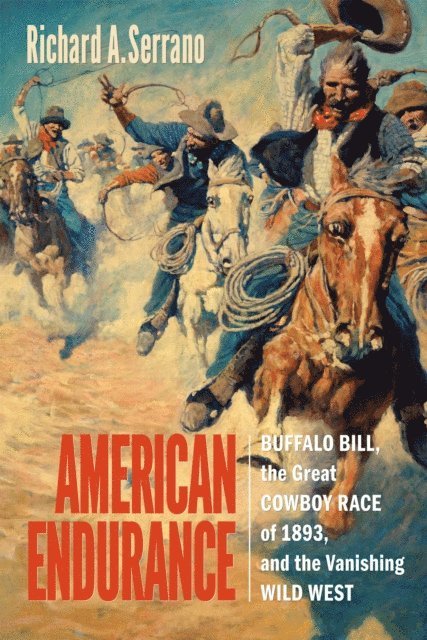
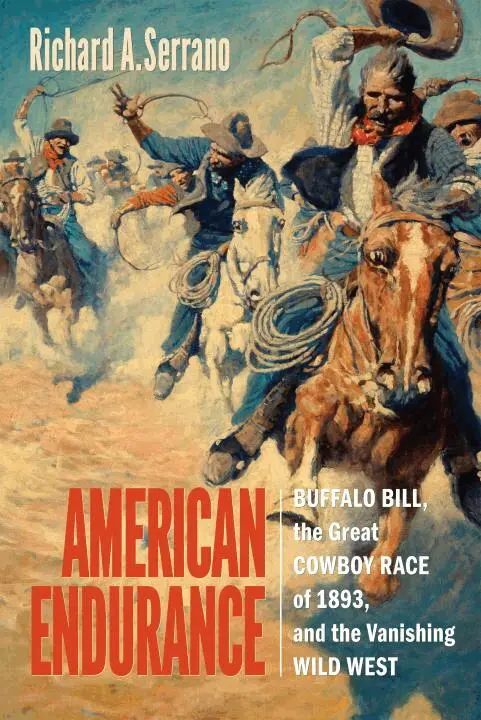
Pulitzer Prize-winning journalist and author Richard A. Serrano's new book American Endurance: The Great Cowboy Race and the Vanishing Wild West is history, mystery, and Western all rolled into one. In June 1893, nine cowboys raced across a thousand miles of American prairie to the Chicago World's Fair. For two weeks they thundered past angry sheriffs, governors, and Humane Society inspectors intent on halting their race. Waiting for them at the finish line was Buffalo Bill Cody, who had set up his Wild West Show right next to the World's Fair that had refused to allow his exhibition at the fair.The Great Cowboy Race occurred at a pivotal moment in our nation's history: many believed the frontier was settled and the West was no more. The Chicago World's Fair represented the triumph of modernity and the end of the cowboy age. Except no one told the cowboys. Racing toward Buffalo Bill Cody and the gold-plated Colt revolver he promised to the first to reach his arena, nine men went on a Wild West stampede from tiny Chadron, Nebraska, to bustling Chicago. But at the first thud of hooves pounding on Chicago's brick pavement, the race devolved into chaos. Some of the cowboys shipped their horses part of the way by rail, or hired private buggies. One had the unfair advantage of having helped plan the route map in the first place. It took three days, numerous allegations, and a good old Western showdown to sort out who was first to Chicago, and who won the Great Cowboy Race.