Richard B. Fair – författare
Visar alla böcker från författaren Richard B. Fair. Handla med fri frakt och snabb leverans.
5 produkter
5 produkter
E-bok
Engelska, 2012672 kr
Läs direkt efter köp
This is the first definitive book on rapid thermal processing (RTP), an essential namufacturing technology for single-wafer processing in highly controlled environments. Written and edited by nine experts in the field, this book covers a range of topics for academics and engineers alike, moving from basic theory to advanced technology for wafer manufacturing. The book also provides new information on the suitability or RTP for thin film deposition, junction formation, silicides, epitaxy, and in situ processing. Complete discussions on equipment designs and comparisons between RTP and other processing approaches also make this book useful for supplemental information on silicon processing, VLSI processing, and integrated circuit engineering.
Häftad, Engelska, 2014
371 kr
Skickas inom 7-10 vardagar
The MRS Symposium Proceeding series is an internationally recognised reference suitable for researchers and practitioners.
E-bok
Engelska, 20183 926 kr
Läs direkt efter köp
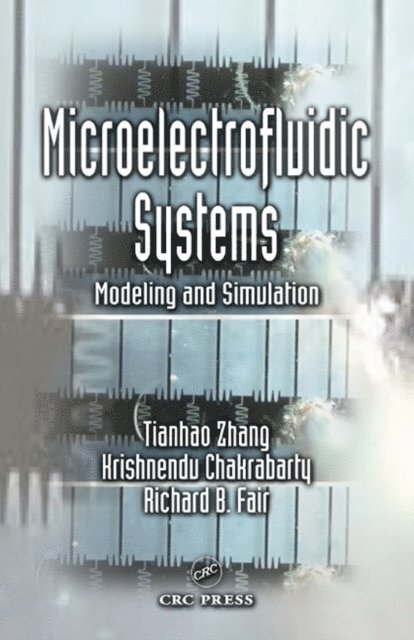
Composite systems that integrate microelectromechanical and microelectrofluidic (MEF) components with electronics are emerging as the next generation of system-on-a-chip (SOC) designs. However, there remains a pressing need for a structured methodology for MEFS design automation, including modeling techniques and simulation and optimization tools.Integrating top-down and bottom-up design philosophies, Microelectrofluidic Systems presents the first comprehensive design strategy for MEFS. This strategy supports hierarchical modeling and simulation from the component level to the system level. It leads to multi-objective optimization tools valuable in all phases of the design process, from conceptualization to final manufacturing. The authors begin by defining the basic variables and elements needed to describe MEFS behavior, then model that behavior across three layers of abstraction: the low-level component, high-level reconfigurable architecture, and bio/chemical application layers. They have developed a hierarchical integrated design environment with SystemC and present its architecture and associated functional packages.Microelectrofluidic Systems is visionary in its leverage of electronic design principles for microsystem design and heralds a new era of automated SOC design. The strategy it presents holds the potential for significant reductions in design time and life-cycle maintenance costs, and its techniques and tools for robust design and application flexibility can lead to the high-volume production needed for the inevitably growing product market.
E-bok
PDF, Engelska, 20183 926 kr
Läs direkt efter köp
Composite systems that integrate microelectromechanical and microelectrofluidic (MEF) components with electronics are emerging as the next generation of system-on-a-chip (SOC) designs. However, there remains a pressing need for a structured methodology for MEFS design automation, including modeling techniques and simulation and optimization tools.Integrating top-down and bottom-up design philosophies, Microelectrofluidic Systems presents the first comprehensive design strategy for MEFS. This strategy supports hierarchical modeling and simulation from the component level to the system level. It leads to multi-objective optimization tools valuable in all phases of the design process, from conceptualization to final manufacturing. The authors begin by defining the basic variables and elements needed to describe MEFS behavior, then model that behavior across three layers of abstraction: the low-level component, high-level reconfigurable architecture, and bio/chemical application layers. They have developed a hierarchical integrated design environment with SystemC and present its architecture and associated functional packages.Microelectrofluidic Systems is visionary in its leverage of electronic design principles for microsystem design and heralds a new era of automated SOC design. The strategy it presents holds the potential for significant reductions in design time and life-cycle maintenance costs, and its techniques and tools for robust design and application flexibility can lead to the high-volume production needed for the inevitably growing product market.
Inbunden, Engelska, 2002
2 250 kr
Tillfälligt slut
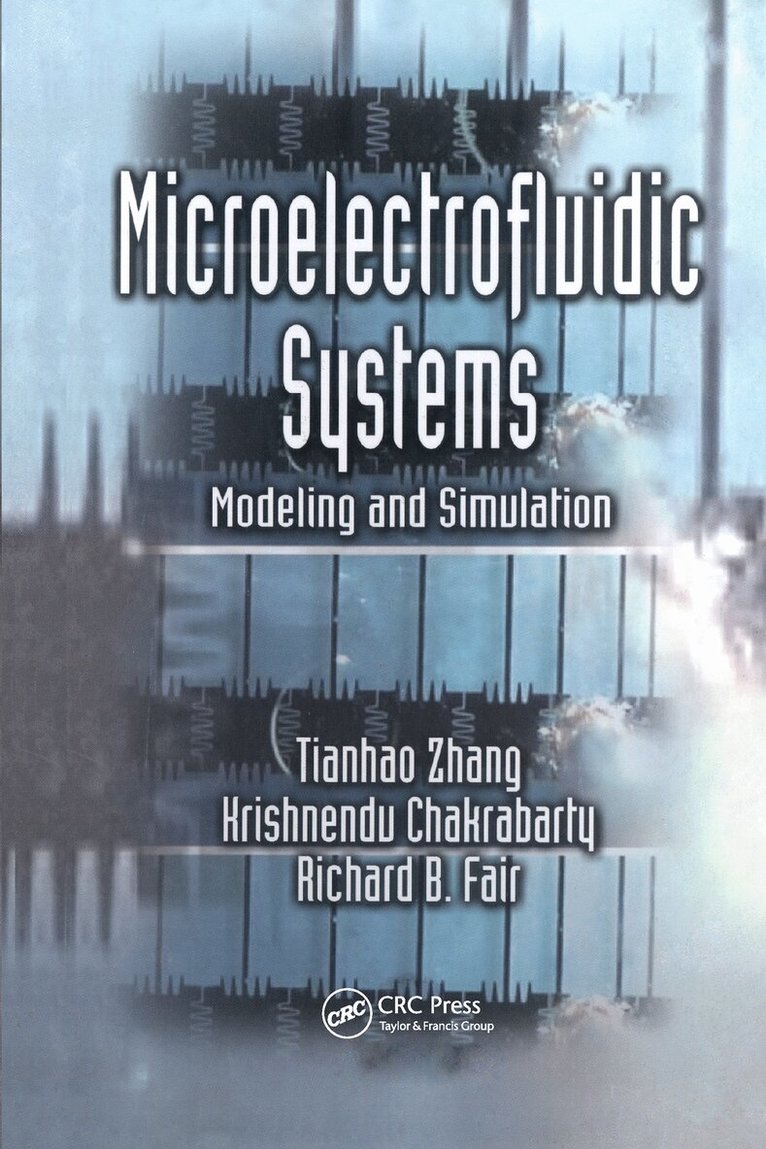
Composite systems that integrate microelectromechanical and microelectrofluidic (MEF) components with electronics are emerging as the next generation of system-on-a-chip (SOC) designs. However, there remains a pressing need for a structured methodology for MEFS design automation, including modeling techniques and simulation and optimization tools.Integrating top-down and bottom-up design philosophies, Microelectrofluidic Systems presents the first comprehensive design strategy for MEFS. This strategy supports hierarchical modeling and simulation from the component level to the system level. It leads to multi-objective optimization tools valuable in all phases of the design process, from conceptualization to final manufacturing. The authors begin by defining the basic variables and elements needed to describe MEFS behavior, then model that behavior across three layers of abstraction: the low-level component, high-level reconfigurable architecture, and bio/chemical application layers. They have developed a hierarchical integrated design environment with SystemC and present its architecture and associated functional packages.Microelectrofluidic Systems is visionary in its leverage of electronic design principles for microsystem design and heralds a new era of automated SOC design. The strategy it presents holds the potential for significant reductions in design time and life-cycle maintenance costs, and its techniques and tools for robust design and application flexibility can lead to the high-volume production needed for the inevitably growing product market.