Richard C. Thornton – författare
Visar alla böcker från författaren Richard C. Thornton. Handla med fri frakt och snabb leverans.
17 produkter
China: A Political History, 1917-1980
Inbunden, 2020
2512 kr
Lägg i varukorg
The People's Republic of China is changing. It is modernizing, shifting ideological gears, becoming realistic about development needs and goals, and moving away from its isolationist past toward a much more open and pragmatic assessment of its present and future position in the world. In the …
China: A Political History, 1917-1980
Häftad, 2022
665 kr
Lägg i varukorg
It is the purpose of this work to provide an integrated analytical framework that will serve as a guide to further study of the vast and complex subject of Chinese Communist politics. The outpouring of materials from U.S., Soviet, Chinese Communist, and Chinese Nationalist sources in recent years …
China: A Political History, 1917-1980
E-bok, 2019
751 kr
Lägg i varukorg
It is the purpose of this work to provide an integrated analytical framework that will serve as a guide to further study of the vast and complex subject of Chinese Communist politics. The outpouring of materials from U.S., Soviet, Chinese Communist, and Chinese Nationalist sources in recent years …
China: A Political History, 1917-1980
E-bok, 2019
751 kr
Lägg i varukorg
It is the purpose of this work to provide an integrated analytical framework that will serve as a guide to further study of the vast and complex subject of Chinese Communist politics. The outpouring of materials from U.S., Soviet, Chinese Communist, and Chinese Nationalist sources in recent years …
Reagan Revolution, I
The Politics of U.S. Foreign Policy
E-bok, 2003
53 kr
Lägg i varukorg
This is a book about the strategy and politics of the Reagan administration--a watershed in U.S. history. It is the record of how the president established and implemented the strategy that would ultimately lead to a victory over the S.U. in the Cold War.
Reagan Revolution, Ii
Rebuilding the Western Alliance
E-bok, 2004
55 kr
Lägg i varukorg
How President Reagan successfully rebuilt the Western Alliance, particularly in relations with the United Kingdom, West Germany, and Japan.
Reagan Revolution Iii
Defeating the Soviet Challenge
E-bok, 2009
53 kr
Lägg i varukorg
Volume III of the Reagan Revolution series recounts the president''s successful defeat of the Soviet drive for global hegemony--for strategic weaons superiority, political domination of the Eurasian landmass, and decisive leverage over world oil. In volumes I and II of this study I analyzed the …
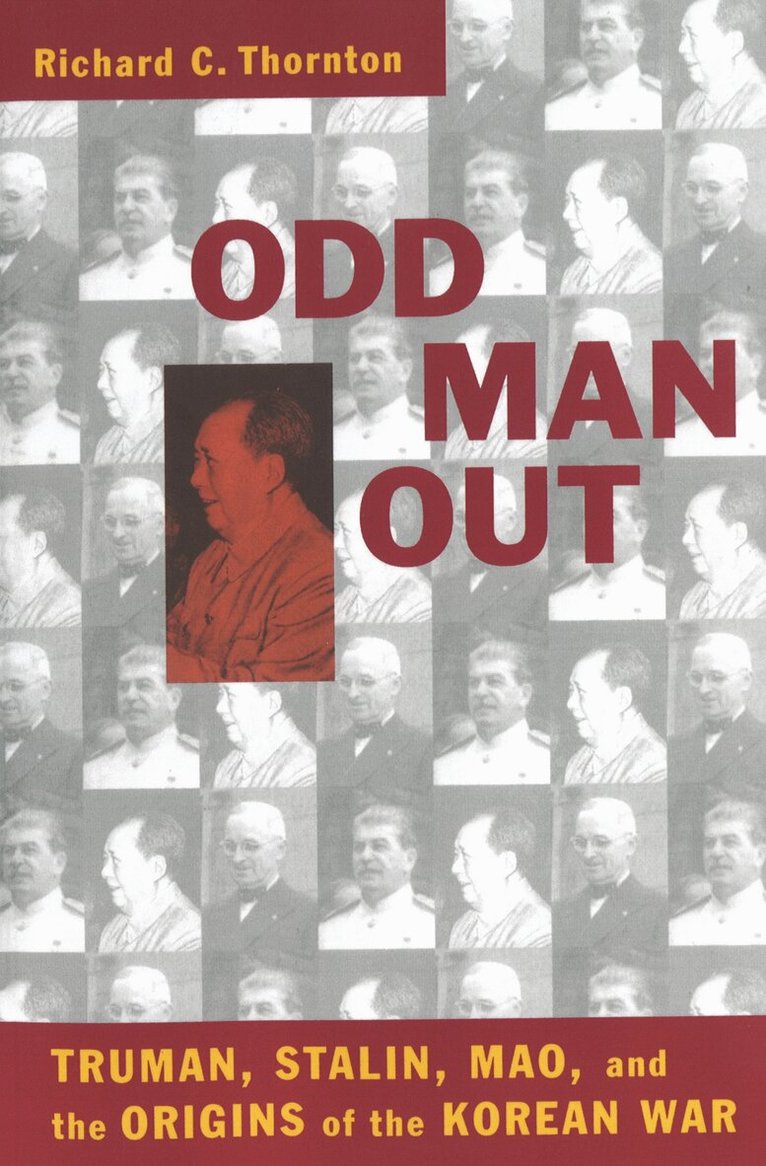
Odd Man Out
Truman, Stalin, Mao, and the Origins of the Korean War
Häftad, 2001
297 kr
Lägg i varukorg
Odd Man Out is a novel assessment of the motives and strategies of Harry Truman, Joseph Stalin, and Mao Zedong as they struggled to maneuver their countries into positions of advantage in the postwar world. Their successes and failures resulted in the catastrophic event that globalized the Cold War …
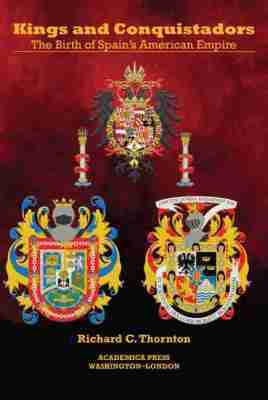
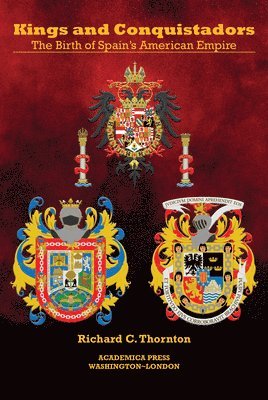
Kings and Conquistadors
The Birth of Spain's American Empire
Inbunden, 2020
1632 kr
Lägg i varukorg
Spain’s American empire began as the serendipitous outgrowth of the search for a shortcut to China. That search derived from two mid-fifteenth-century developments: the Ming Dynasty’s decision to adopt a silver standard for its medium of exchange and the Ottoman Turks’ capture of Constantinople in …
Ronald Reagan
Revolution Betrayed (St. James's Studies In World Affairs)
E-bok, 2020
764 kr
Lägg i varukorg
The point of departure for distinguished historian Richard C. Thornton's insightful new assessment of the Reagan administration is Reagan's overwhelming re-election in 1984. His first-term policies had placed the United States in the ascendancy over the Soviet Union, and he sought to capitalize on …
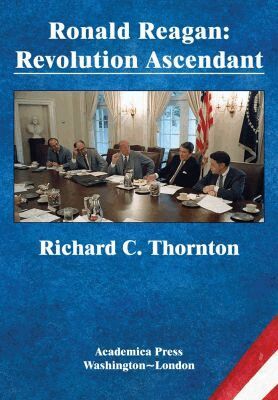
Ronald Reagan
Revolution Ascendant
Inbunden, 2021
1632 kr
Lägg i varukorg
When Ronald Reagan was elected president in 1980, he found America’s economy, defense, and global position weakened to the point of collapse. The previous seven years of attempted détente with the Soviet Union had resulted in the worst foreign policy failures in American history. As the …
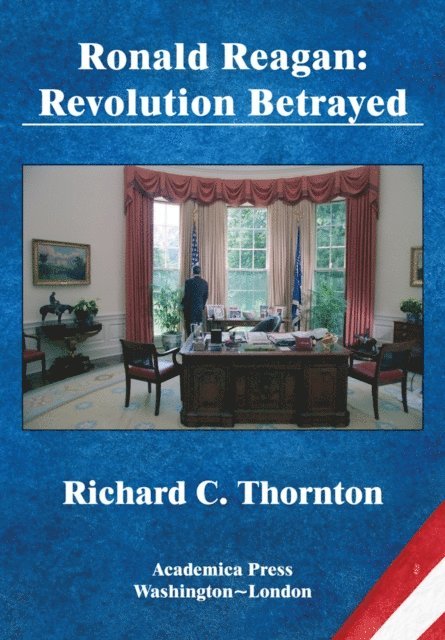
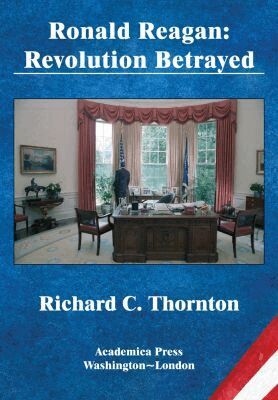
Ronald Reagan
Revolution Betrayed
Inbunden, 2021
1632 kr
Lägg i varukorg
The point of departure for distinguished historian Richard C. Thornton’s insightful new assessment of the Reagan administration is Reagan’s overwhelming re-election in 1984. His first-term policies had placed the United States in the ascendancy over the Soviet Union, and he sought to capitalize on …
Ronald Reagan: Revolution Ascendant (St. James's Studies in World Affairs)
Häftad, 2021
779 kr
Lägg i varukorg