Richard Connolly – författare
Visar alla böcker från författaren Richard Connolly. Handla med fri frakt och snabb leverans.
19 produkter
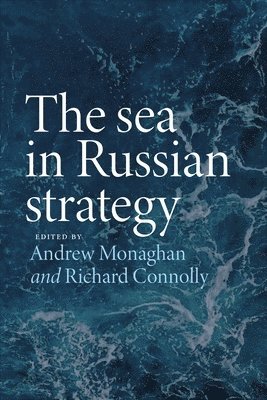
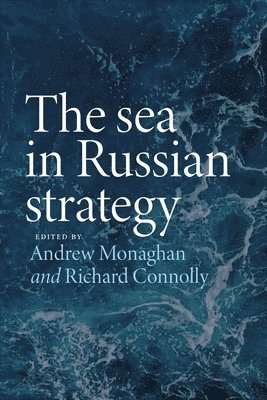
Sea in Russian Strategy
Av Andrew Monaghan, Richard Connolly
Häftad, 2023
221 kr
Lägg i varukorg
For the first two decades after the Cold War, Russian naval power hardly featured in the Euro-Atlantic community’s strategic thinking. This began to change in the mid-2010s, as the idea that the Russian navy poses a threat to NATO began to gain ground. That threat took shockingly real form in …
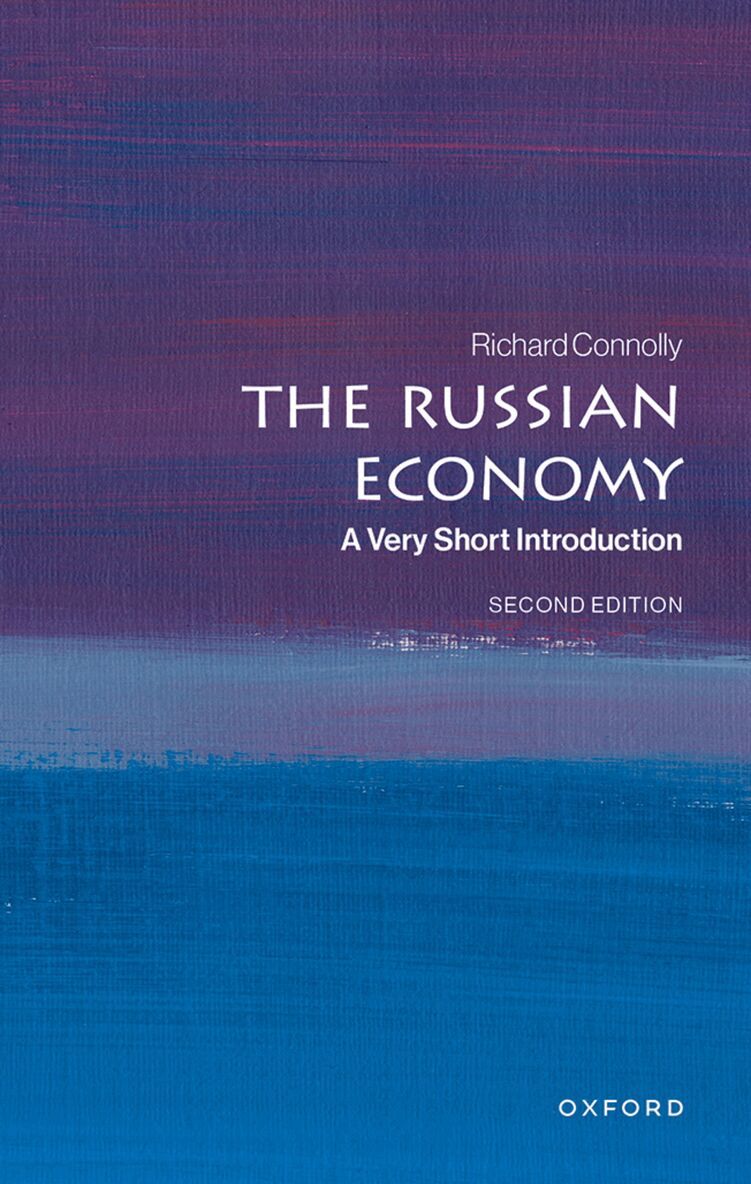
The Russian Economy
A Very Short Introduction
Häftad, 2026
116 kr
Lägg i varukorg
Very Short Introductions: Brilliant, Sharp, InspiringRussia is one of the largest economies in the world; it is one of the world's most important exporters of oil and gas, and of other natural resources. Its status as one of the largest wheat and grain exporters shapes commodity prices across the …
Russian Economy
A Very Short Introduction
E-bok, 2020
95 kr
Lägg i varukorg
Russia today is as prominent in international affairs as it was at the height of the Cold War. Yet the role that the economy plays in supporting Russia''s position as a ''great power'' on the international stage is poorly understood. For many, Russia''s political influence far exceeds its weight in …
Russian Economy
A Very Short Introduction
E-bok, 2020
95 kr
Lägg i varukorg
Russia today is as prominent in international affairs as it was at the height of the Cold War. Yet the role that the economy plays in supporting Russia''s position as a ''great power'' on the international stage is poorly understood. For many, Russia''s political influence far exceeds its weight in …
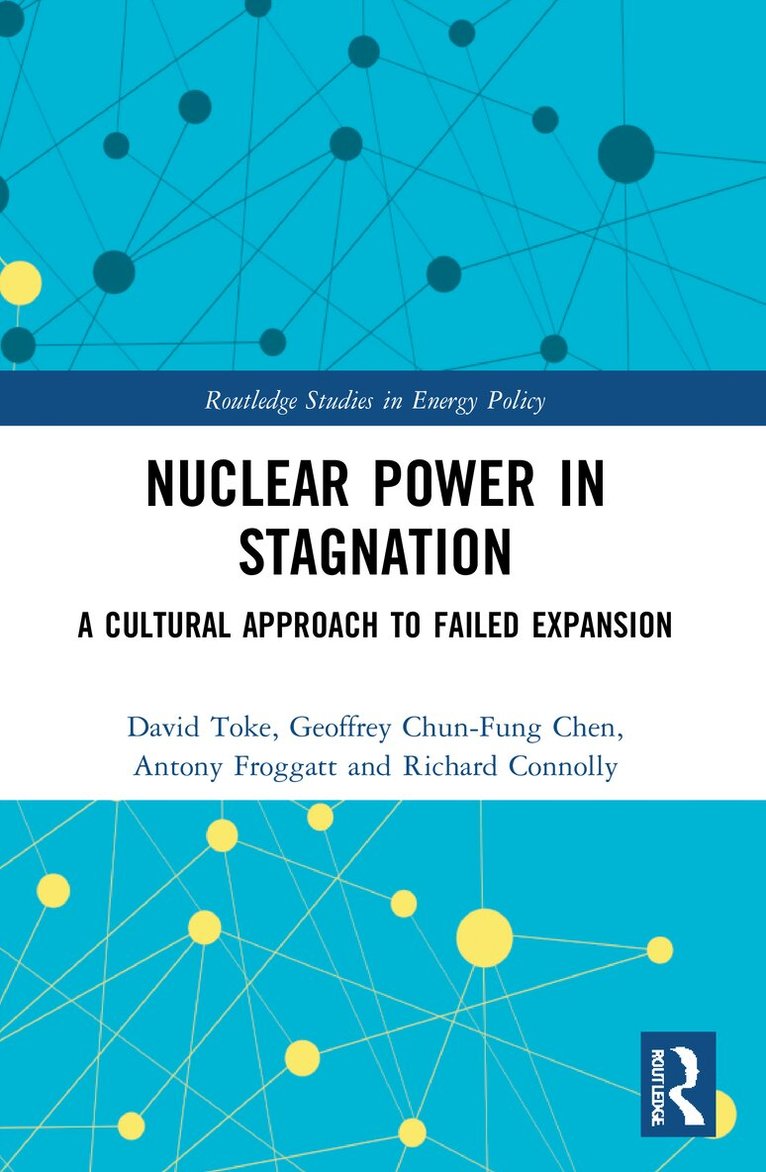
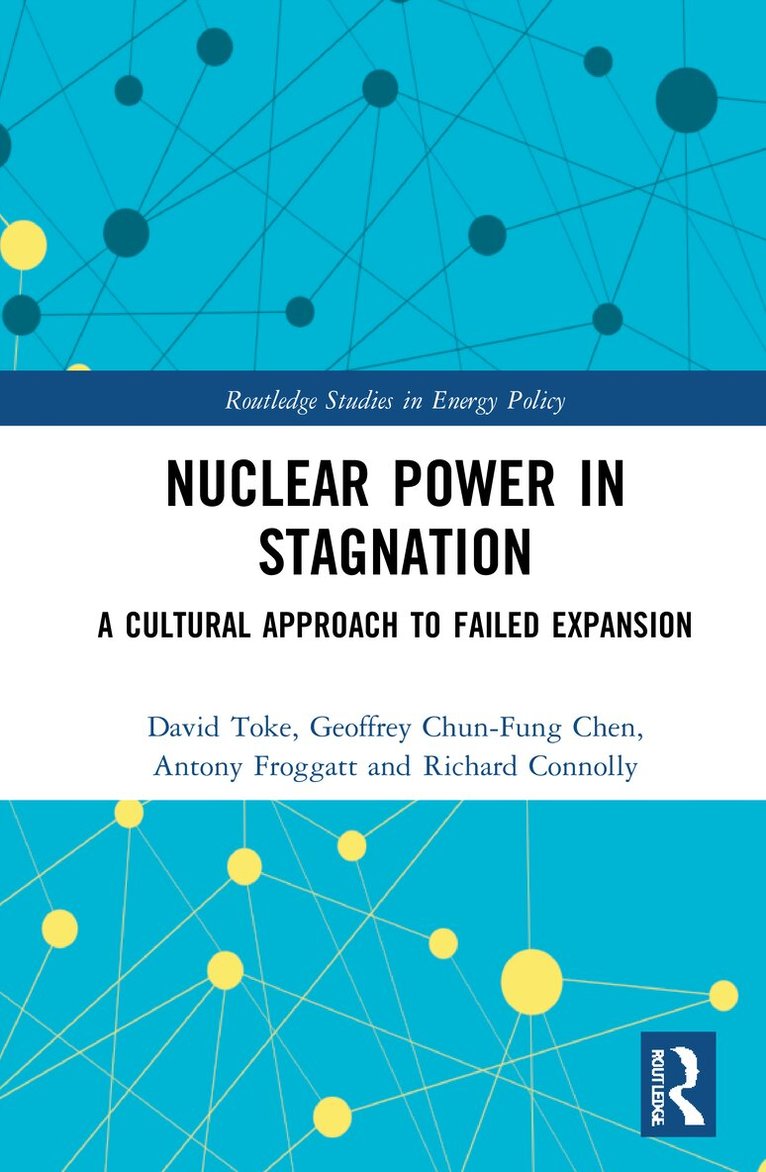
Nuclear Power in Stagnation
A Cultural Approach to Failed Expansion
Av David Toke, Geoffrey Chun-Fung Chen m. fl.
Häftad, 2022
691 kr
Lägg i varukorg
This book studies the extent to which nuclear safety issues have contributed towards the stagnation of nuclear power development around the world, and accounts for differences in safety regulations in different countries.In order to understand why nuclear development has not met widespread …
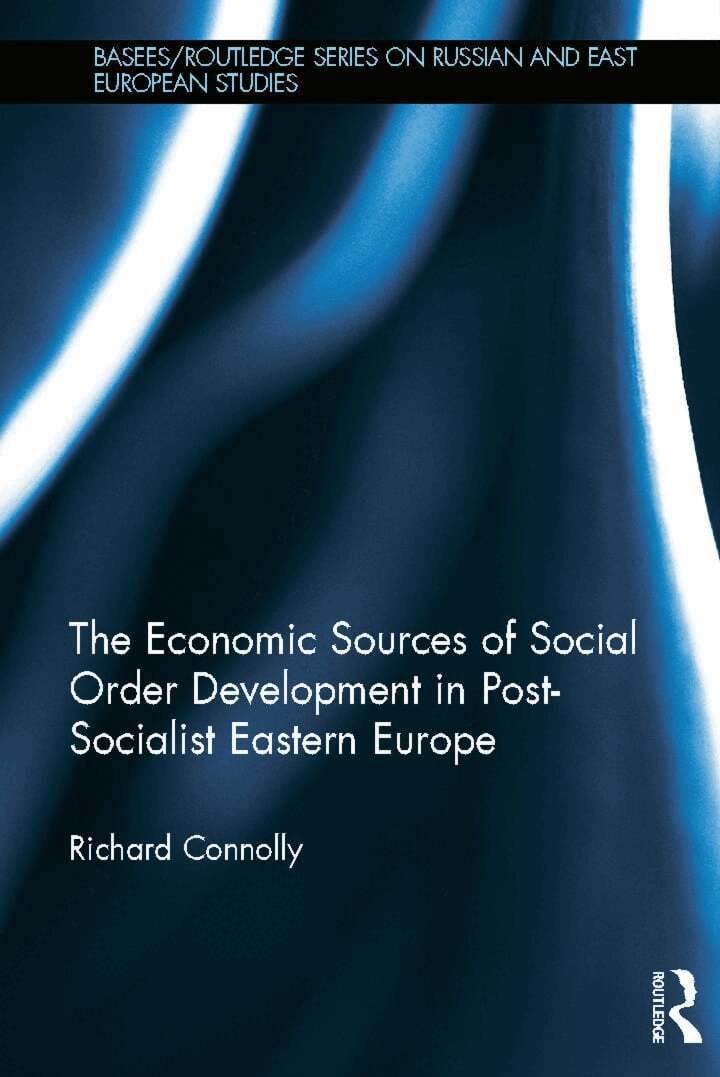
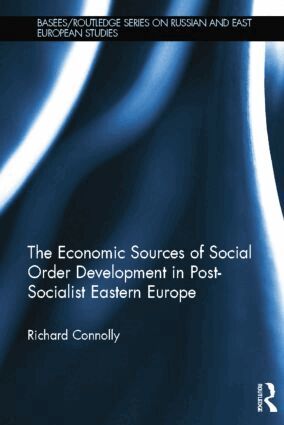
Economic Sources of Social Order Development in Post-Socialist Eastern Europe
Inbunden, 2012
2512 kr
Lägg i varukorg
Nearly twenty years after the collapse of socialism, the countries of post-socialist Eastern Europe have experienced divergent trajectories of political development. This book looks at why this is the case, based on the assumption that societies, or social orders, can be distinguished by the extent …
Nuclear Power in Stagnation
A Cultural Approach to Failed Expansion
Av Richard Connolly, Antony Froggatt m. fl.
E-bok, 2021
749 kr
Lägg i varukorg
This book studies the extent to which nuclear safety issues have contributed towards the stagnation of nuclear power development around the world, and accounts for differences in safety regulations in different countries. In order to understand why nuclear development has not met widespread …
Nuclear Power in Stagnation
A Cultural Approach to Failed Expansion
Av Richard Connolly, Antony Froggatt m. fl.
E-bok, 2021
749 kr
Lägg i varukorg
This book studies the extent to which nuclear safety issues have contributed towards the stagnation of nuclear power development around the world, and accounts for differences in safety regulations in different countries. In order to understand why nuclear development has not met widespread …
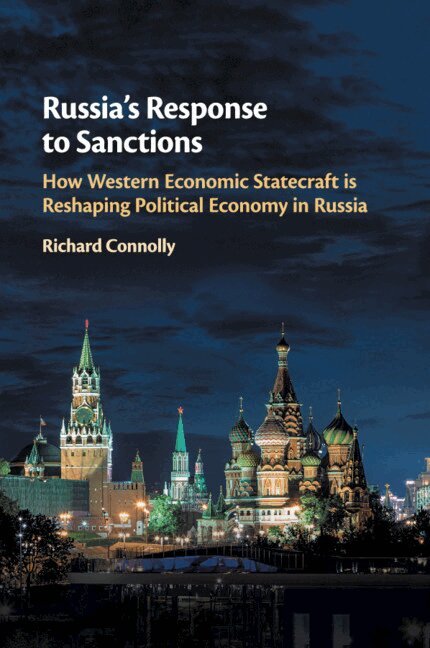
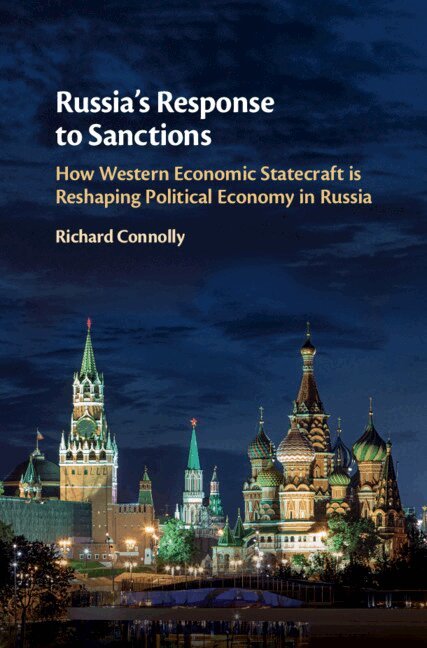
Russia's Response to Sanctions
How Western Economic Statecraft is Reshaping Political Economy in Russia
Häftad, 2019
574 kr
Lägg i varukorg
In the first in-depth analysis of the effects of sanctions on the Russian political economy, Richard Connolly details the Western sanctions targeting the energy, defense and financial sectors, and the Russian response. He explores how the Western sanctions have caused Russian officials to formulate …
Russia's Response to Sanctions
How Western Economic Statecraft is Reshaping Political Economy in Russia
Inbunden, 2018
1805 kr
Lägg i varukorg
In the first in-depth analysis of the effects of sanctions on the Russian political economy, Richard Connolly details the Western sanctions targeting the energy, defense and financial sectors, and the Russian response. He explores how the Western sanctions have caused Russian officials to formulate …
Economic Sources of Social Order Development in Post-Socialist Eastern Europe
E-bok, 2012
1004 kr
Lägg i varukorg
Nearly twenty years after the collapse of socialism, the countries of post-socialist Eastern Europe have experienced divergent trajectories of political development. This book looks at why this is the case, based on the assumption that societies, or social orders, can be distinguished by the extent …
Economic Sources of Social Order Development in Post-Socialist Eastern Europe
E-bok, 2012
983 kr
Lägg i varukorg
Nearly twenty years after the collapse of socialism, the countries of post-socialist Eastern Europe have experienced divergent trajectories of political development. This book looks at why this is the case, based on the assumption that societies, or social orders, can be distinguished by the extent …
Nuclear Power in Stagnation
A Cultural Approach to Failed Expansion
Av David Toke, Geoffrey Chun-Fung Chen m. fl.
Inbunden, 2021
2512 kr
Lägg i varukorg
This book studies the extent to which nuclear safety issues have contributed towards the stagnation of nuclear power development around the world, and accounts for differences in safety regulations in different countries.In order to understand why nuclear development has not met widespread …
Economic Sources of Social Order Development in Post-Socialist Eastern Europe
Häftad, 2014
851 kr
Lägg i varukorg
Nearly twenty years after the collapse of socialism, the countries of post-socialist Eastern Europe have experienced divergent trajectories of political development. This book looks at why this is the case, based on the assumption that societies, or social orders, can be distinguished by the extent …
Sea in Russian Strategy
Av Andrew Monaghan, Richard Connolly
Inbunden, 2023
1298 kr
Lägg i varukorg
For the first two decades after the Cold War, Russian naval power hardly featured in the Euro-Atlantic community’s strategic thinking. This began to change in the mid-2010s, as the idea that the Russian navy poses a threat to NATO began to gain ground. That threat took shockingly real form in …