Richard Diem – författare
Visar alla böcker från författaren Richard Diem. Handla med fri frakt och snabb leverans.
10 produkter
Computers in Education (1988)
A Research Bibliography
Av Richard Diem
Inbunden, 2017
1196 kr
Lägg i varukorg
Published in 1988, this bibliography focuses on four main areas; descriptions of the computer and its effects on human thinking and learning, computers in teaching situations, problems arising from the use of computers, and examinations of the future use of computers in education. Publications with …
Computers in Education (1988)
A Research Bibliography
Av Richard Diem
Häftad, 2019
375 kr
Lägg i varukorg
Published in 1988, this bibliography focuses on four main areas; descriptions of the computer and its effects on human thinking and learning, computers in teaching situations, problems arising from the use of computers, and examinations of the future use of computers in education. Publications with …
Computers in Education (1988)
A Research Bibliography
Av Richard Diem
E-bok, 2018
438 kr
Lägg i varukorg
Published in 1988, this bibliography focuses on four main areas; descriptions of the computer and its effects on human thinking and learning, computers in teaching situations, problems arising from the use of computers, and examinations of the future use of computers in education. Publications with …
Computers in Education (1988)
A Research Bibliography
Av Richard Diem
E-bok, 2018
438 kr
Lägg i varukorg
Published in 1988, this bibliography focuses on four main areas; descriptions of the computer and its effects on human thinking and learning, computers in teaching situations, problems arising from the use of computers, and examinations of the future use of computers in education. Publications with …
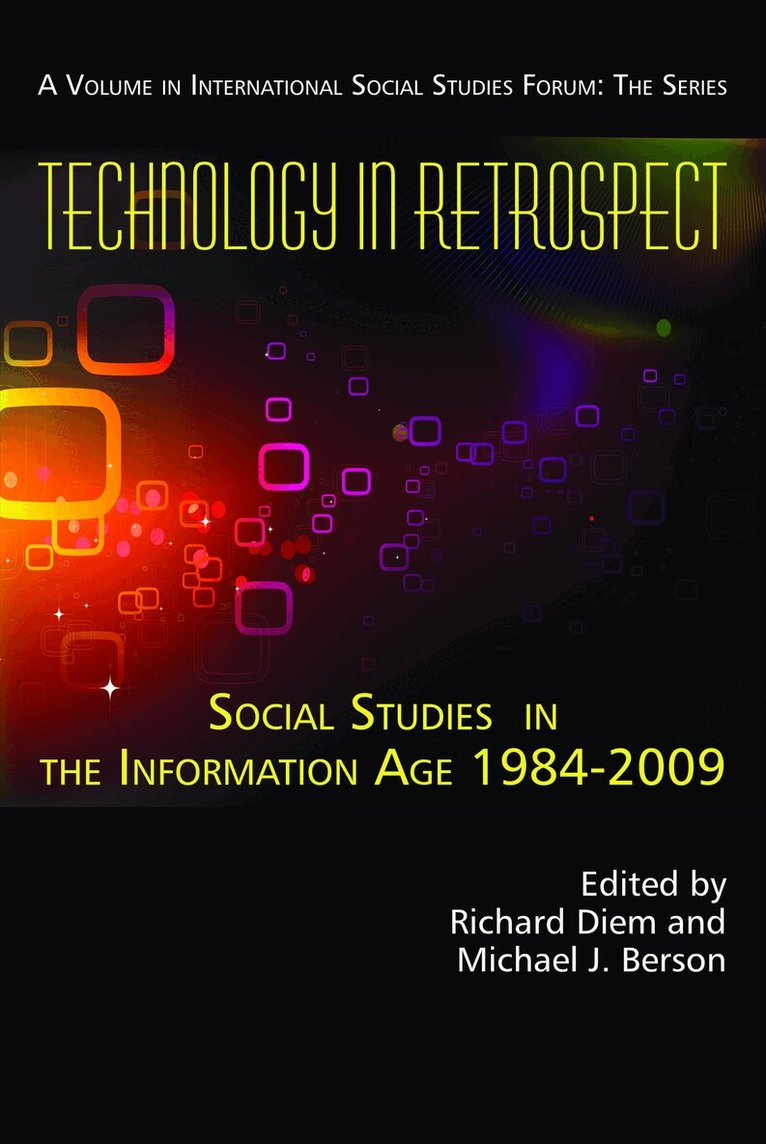
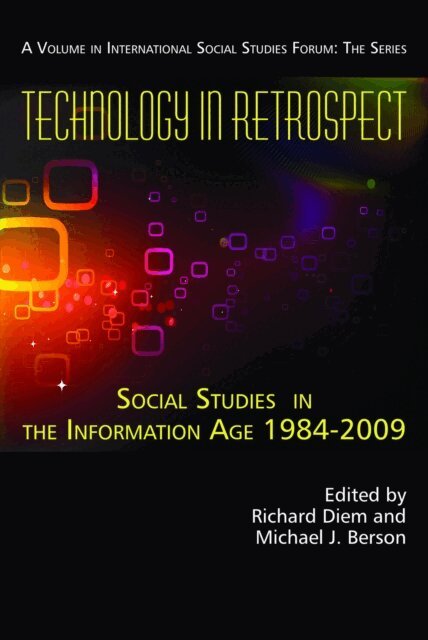
Technology in Retrospect
Social Studies in the Information Age, 1984-2009
Av Richard Diem, Michael J. Berson
Häftad, 2010
619 kr
Lägg i varukorg
January 2009 marked the 25th anniversary of one of the most famous three minutes of television history. It was during half-time of the 1984 Super Bowl that APPLE show cased its new Macintosh Computer in an avant-guard commercial. In the following three weeks sales of the new computer, in both the …
Technology in Retrospect
Social Studies in the Information Age, 1984-2009
Av Richard Diem, Michael J. Berson
Inbunden, 2010
1095 kr
Lägg i varukorg
January 2009 marked the 25th anniversary of one of the most famous three minutes of television history. It was during half-time of the 1984 Super Bowl that APPLE show cased its new Macintosh Computer in an avant-guard commercial. In the following three weeks sales of the new computer, in both the …
Technology in Retrospect
Social Studies in the Information Age, 1984-2009
Av Michael J. Berson, Richard Diem
E-bok, 2010
436 kr
Lägg i varukorg
January 2009 marked the 25th anniversary of one of the most famous three minutes of television history. It was during half-time of the 1984 Super Bowl that APPLE show cased its new Macintosh Computer in an avant-guard commercial. In the following three weeks sales of the new computer, in both the …
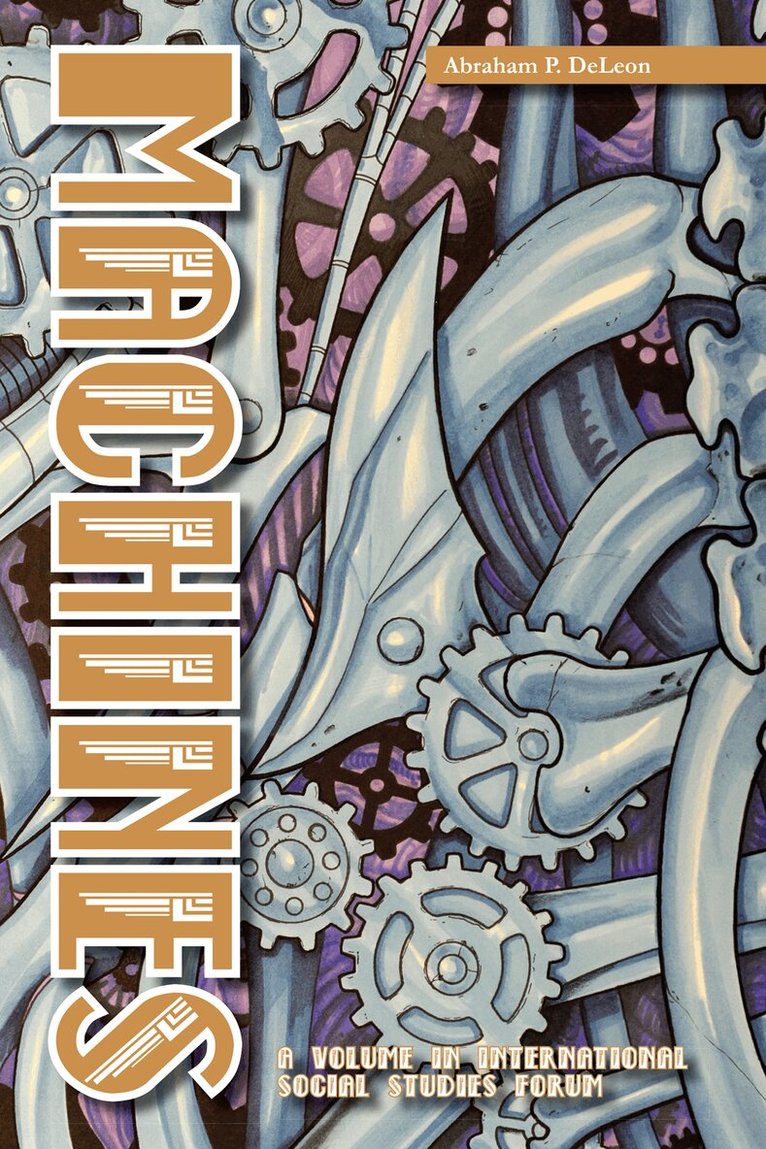
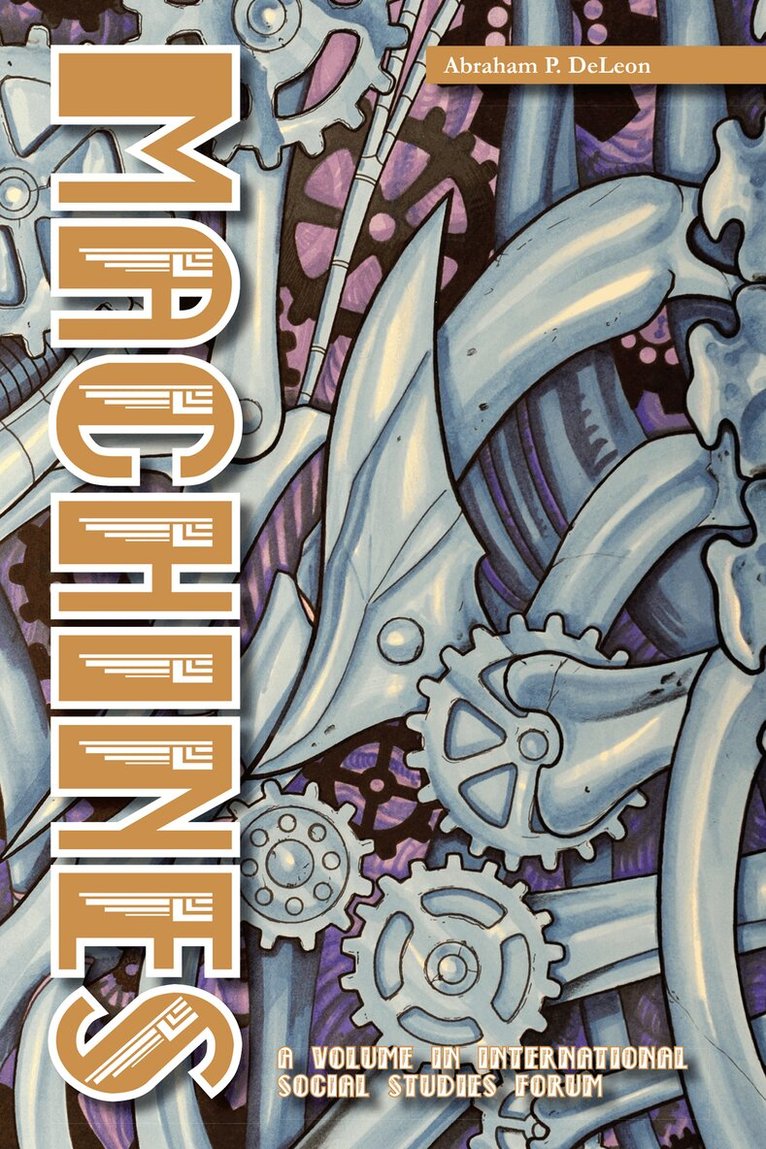
Machines
Av Abraham P. DeLeon, Richard Diem
Häftad, 2015
567 kr
Lägg i varukorg
This book is about machines: those that have been actualized, fantastical imaginal machines, to those deployed as metaphorical devices to describe complex social processes. Machines argues that they transcend time and space to emerge through a variety of spaces and places, times and histories and …
Machines
Av Abraham P. DeLeon, Richard Diem
Inbunden, 2015
1057 kr
Lägg i varukorg
This book is about machines: those that have been actualized, fantastical imaginal machines, to those deployed as metaphorical devices to describe complex social processes. Machines argues that they transcend time and space to emerge through a variety of spaces and places, times and histories and …
Technology in Retrospect
Social Studies in the Information Age, 1984-2009
Av Michael J. Berson, Richard Diem
E-bok, 2010
654 kr
Lägg i varukorg
January 2009 marked the 25th anniversary of one of the most famous three minutes of television history. It was during half-time of the 1984 Super Bowl that APPLE show cased its new Macintosh Computer in an avant-guard commercial. In the following three weeks sales of the new computer, in both the …