Richard E. Feinberg - Böcker
Visar alla böcker från författaren Richard E. Feinberg. Handla med fri frakt och snabb leverans.
4 produkter
4 produkter
2 103 kr
Skickas inom 10-15 vardagar
The collapse of political institutions and the failure of economic development models in Central America have turned the region into an ideological battleground. Central Americans are now debating— and fighting over—different conceptions of how to constitute society, the best way to organize production and to distribute benefits, and the political structures best suited to protecting the region's security and ensuring its future prosperity. This book examines die economic and political roots of the current crisis, reviewing the different strategies governments have adopted to cope with their financial woes and evaluating the role that international financial assistance has played in postponing adjustment to the crisis. The region's economies are carefully analyzed to highlight sectors with the potential to generate recovery and growth, and the larger political economy models that might direct the development process are also evaluated. The authors close with a discussion of the fundamental question: Can a Central America composed of a heterogeneous mix of national political economies live at peace with itself and the world?
426 kr
Skickas inom 10-15 vardagar
The collapse of political institutions and the failure of economic development models in Central America have turned the region into an ideological battleground. Central Americans are now debating— and fighting over—different conceptions of how to constitute society, the best way to organize production and to distribute benefits, and the political
272 kr
Skickas inom 5-8 vardagar
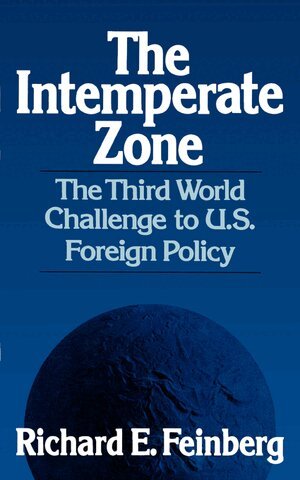
Argues that the United States has a unique opportunity to pursue its foreign policy goals
428 kr
Skickas inom 7-10 vardagar
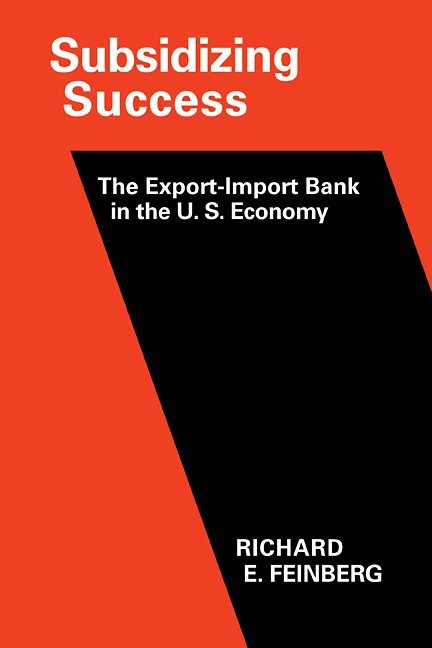
First published in 1982, this book was the first comprehensive study of the US Export-Import Bank, a US government export promotion agency with worldwide loans and insurance of $30 billion. By using analytical tools from several disciplines, the author examines many different sides of the operations and effectiveness of the Eximbank. A historical section explains the political and economic forces behind Exim's creation in the 1930s and details the activities of Exim until 1980. Subsidizing Success illuminates a strategic - and little-known or understood - element in US foreign trade and relations. More than this, however, it serves as a penetrating study of the relationship between the public and private sectors and the role of government in both domestic and international economics.