Richard E. W. Adams – författare
Visar alla böcker från författaren Richard E. W. Adams. Handla med fri frakt och snabb leverans.
6 produkter
The Cambridge History of the Native Peoples of the Americas
Av Richard E. W. Adams, Murdo J. MacLeod
Inbunden, 2000
3220 kr
Lägg i varukorg
The Cambridge History of the Native Peoples of the Americas, Volume II: Mesoamerica (Part One), gives a comprehensive and authoritative overview of all the important native civilizations of the Mesoamerican area, beginning with archaeological discussions of paleoindian, archaic and preclassic …
The Cambridge History of the Native Peoples of the Americas
Av Bruce G. Trigger, Wilcomb E. Washburn m. fl.
Inbunden, 2000
3220 kr
Lägg i varukorg
The Cambridge History of the Native Peoples of the Americas, Volume II: Mesoamerica (Part Two), gives a comprehensive and authoritative overview of all the important native civilizations of the Mesoamerican area, beginning with archaeological discussions of paleoindian, archaic and preclassic …
The Cambridge History of the Native Peoples of the Americas 2 Part Hardback Set
Av Richard E. W. Adams, Murdo J. MacLeod
2000
6242 kr
Lägg i varukorg
This two-volume set of The Cambridge History of the Native Peoples of the Americas gives a comprehensive and authoritative overview of all the important native civilizations of the Mesoamerican area, beginning with archaeological discussions of paleoindian, archaic and preclassic societies, and …
Origins of Maya Civilization
Häftad, 1977
418 kr
Lägg i varukorg
The contributors to this book scrutinize the data, survey external influences on the early Maya, and consider economics, ecology, demography, and warfare - as well as social and ideological factors - in explaining the transformation of Maya culture from a village-oriented society to one centered on …
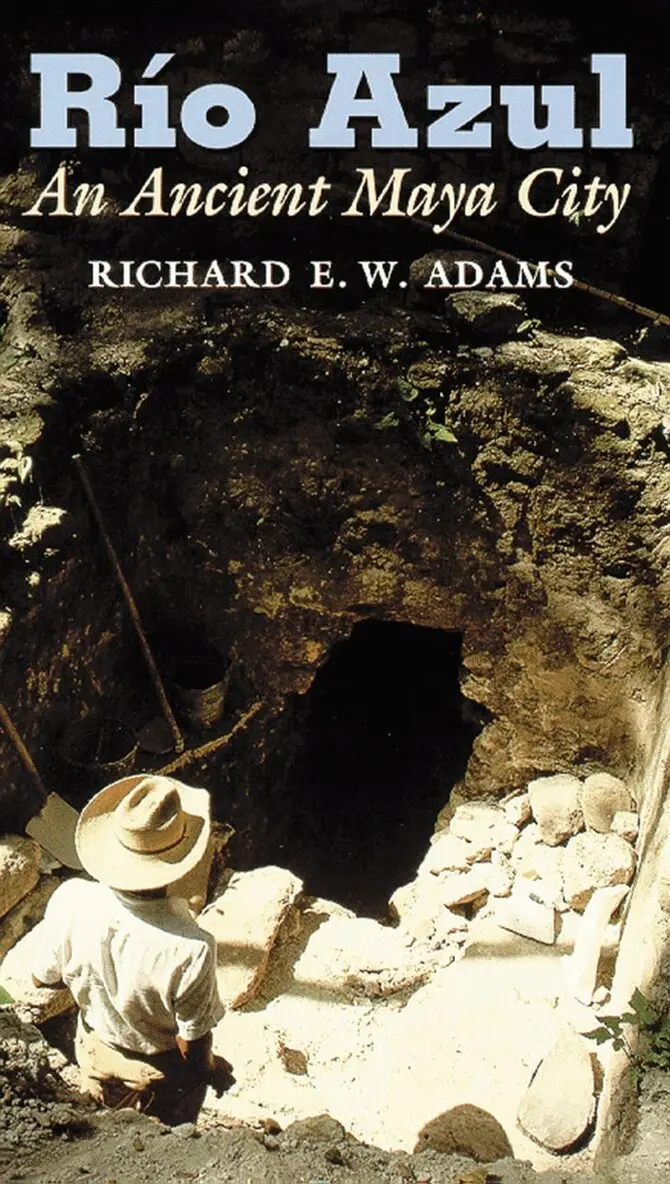
Rio Azul
An Ancient Maya City
Inbunden, 1999
469 kr
Tillfälligt slut
Deep within the forest in northern Guatemala lie the ruins of Río Azul, a Maya city that reached one-third the size of Tikal. Discovered and partially explored in the early 1960s, Río Azul and the surrounding region were more fully investigated between 1983 and 1987 by an archaeological team led by …
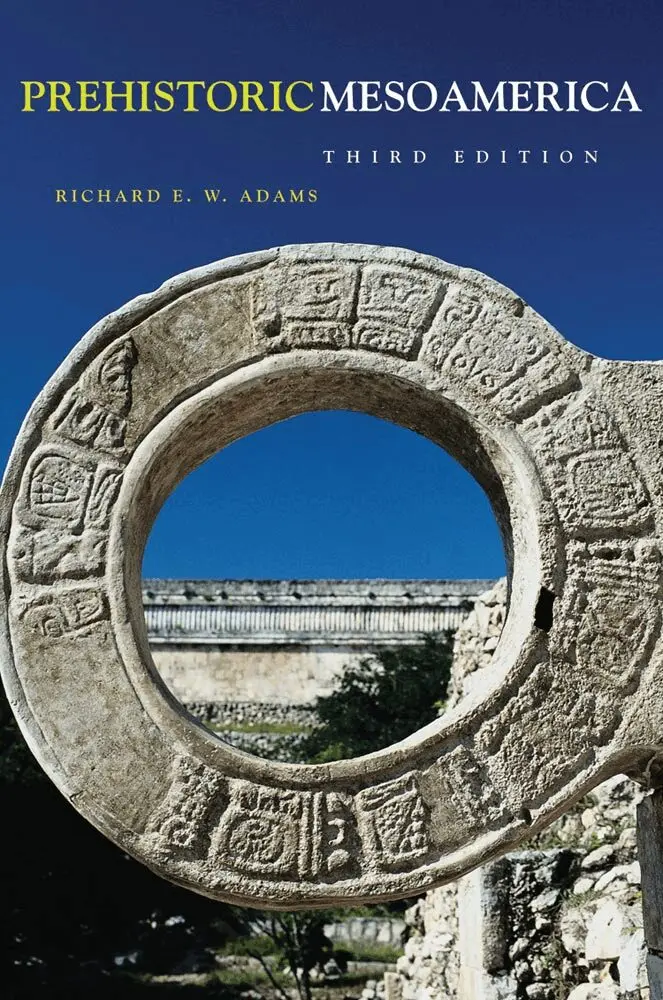
Prehistoric Mesoamerica
Häftad, 2005
368 kr
Tillfälligt slut
This major revision of Richard E. W. Adams's classic text on the ancient civilizations of Mesoamerica adds new information available from archaeological fieldwork in the region from the 1990s through 2004 and also evaluates recent theories regarding the remarkable prehistoric cultures of a region …