Richard F. Hardin – författare
Visar alla böcker från författaren Richard F. Hardin. Handla med fri frakt och snabb leverans.
4 produkter
4 produkter
Inbunden, Engelska, 1991
1 285 kr
Skickas inom 10-15 vardagar
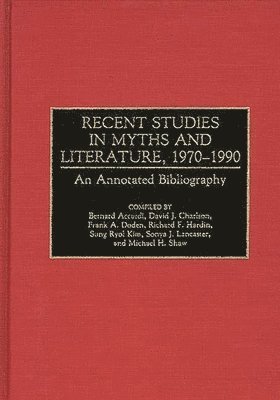
Despite protestations to the contrary, myth criticism in literature is not dead: witness the well over 1000 illuminating sources published between 1970 and 1990 selected from thousands more and provided with succinct informative annotations. The modern study of the relation between myths and literature began in the late 19th century with publication of James G. Frazer's The Golden Bough and reached a high water mark with Northrop Frye's archetypal criticism beginning in the late 1950s. The end of modernism proclaimed in the late 1960s seemed also to toll the death knell for myth criticism, which was denigrated by some new critics of the post-modernist era. Instead, however, the authors here have found a wealth of recent materials, some proceeding from traditional psychological or anthropological stances and others taking new directions: studying relationships between myth and language and myth and history, viewing myth as part of the complex fabric of fiction rather than its core, and accommodating feminist theory, among other approaches. The variety of narratives accorded the status of myth has also prompted inquiries on mythopoesis, or the literary creation of myth.The opening chapter surveys work done on the mythic or archetypal approach in general and on such mythic figures in literature as Orpheus, Oedipus, Cain, and Faust; the second chapter covers works on myth in classical literature; and the following five chapters correspond to major periods in British and American literature. Included are general studies and studies of particular authors, notably among them such giants of the past as Shakespeare, Milton, Melville, Joyce, and Faulkner, but also including such contemporary writers as Toni Morrison and John Updike. A well-constructed subject index provides access throughout to mythical figures and literary figures as well as major theories and theorists, topics, and themes; and an author index accesses the critical studies.
Inbunden, Engelska, 2017
1 365 kr
Skickas inom 10-15 vardagar
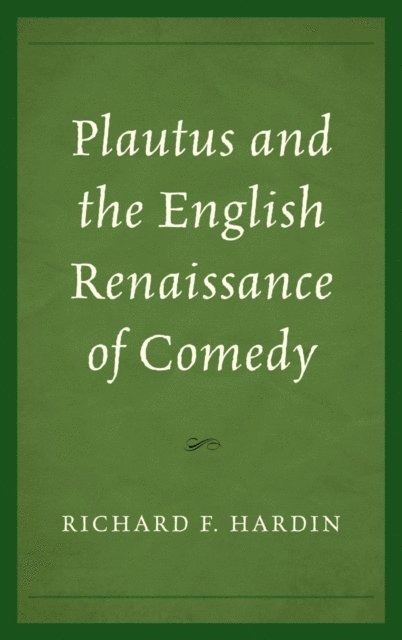
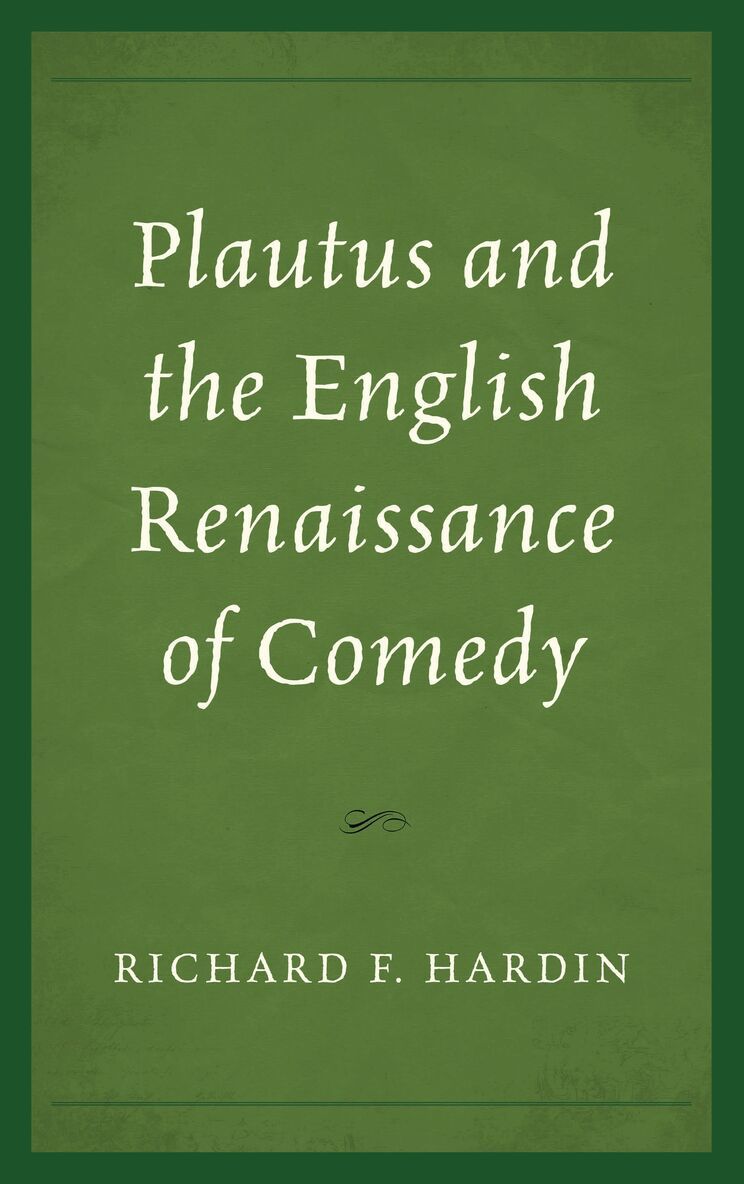
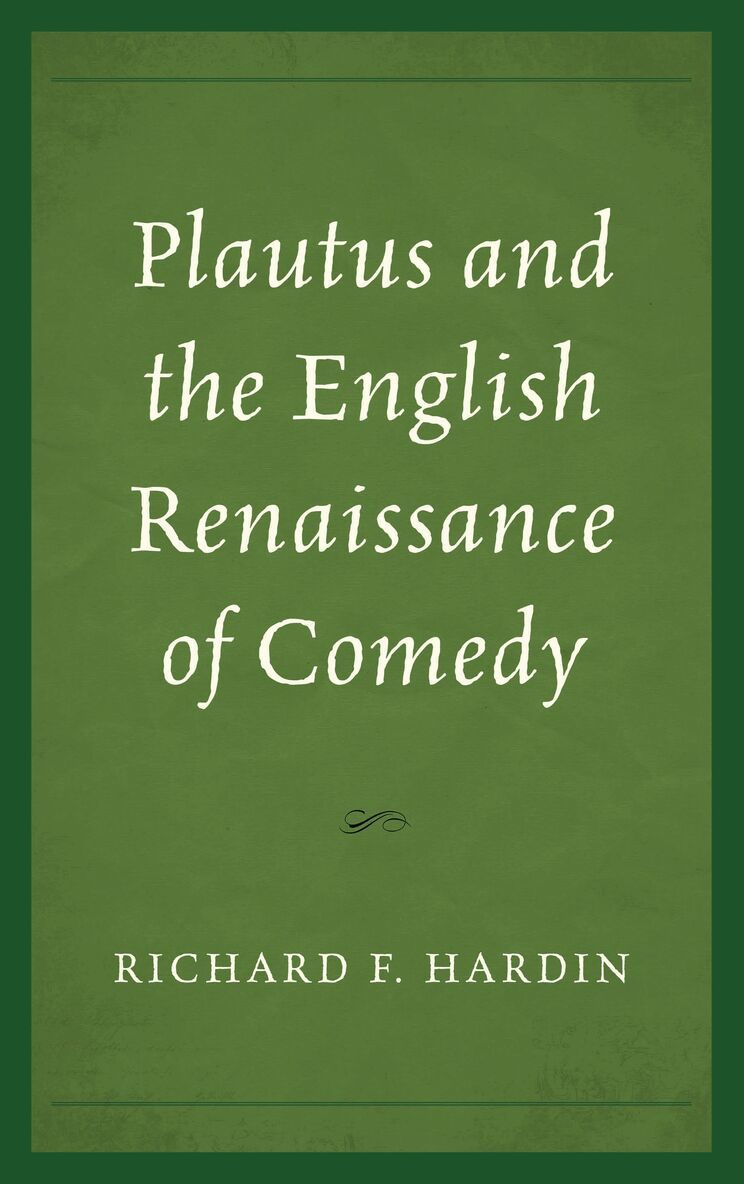
The fifteenth-century discovery of Plautus’s lost comedies brought him, for the first time since antiquity, the status of a major author both on stage and page. It also led to a reinvention of comedy and to new thinking about its art and potential. This book aims to define the unique contribution of Plautus, detached from his fellow Roman dramatist Terence, and seen in the context of that European revival, first as it took shape on the Continent. The heart of the book, with special focus on English comedy ca. 1560 to 1640, analyzes elements of Plautine technique during the period, as differentiated from native and Terentian, considering such points of comparison as dialogue, asides, metadrama, observation scenes, characterization, and atmosphere. This is the first book to cover this ground, raising such questions as: How did comedy rather suddenly progress from the interludes and brief plays of the early sixteenth century to longer, more complex plays? What did “Plautus” mean to playwrights and readers of the time? Plays by Shakespeare, Jonson, and Middleton are foregrounded, but many other comedies provide illustration and support.
E-bok
Engelska, 2017696 kr
Läs direkt efter köp
The fifteenth-century discovery of Plautus’s lost comedies brought him, for the first time since antiquity, the status of a major author both on stage and page. It also led to a reinvention of comedy and to new thinking about its art and potential. This book aims to define the unique contribution of Plautus, detached from his fellow Roman dramatist Terence, and seen in the context of that European revival, first as it took shape on the Continent. The heart of the book, with special focus on English comedy ca. 1560 to 1640, analyzes elements of Plautine technique during the period, as differentiated from native and Terentian, considering such points of comparison as dialogue, asides, metadrama, observation scenes, characterization, and atmosphere. This is the first book to cover this ground, raising such questions as: How did comedy rather suddenly progress from the interludes and brief plays of the early sixteenth century to longer, more complex plays? What did “Plautus” mean to playwrights and readers of the time? Plays by Shakespeare, Jonson, and Middleton are foregrounded, but many other comedies provide illustration and support.
Häftad, Engelska, 2019
647 kr
Skickas inom 10-15 vardagar
The fifteenth-century discovery of Plautus’s lost comedies brought him, for the first time since antiquity, the status of a major author both on stage and page. It also led to a reinvention of comedy and to new thinking about its art and potential. This book aims to define the unique contribution of Plautus, detached from his fellow Roman dramatist Terence, and seen in the context of that European revival, first as it took shape on the Continent. The heart of the book, with special focus on English comedy ca. 1560 to 1640, analyzes elements of Plautine technique during the period, as differentiated from native and Terentian, considering such points of comparison as dialogue, asides, metadrama, observation scenes, characterization, and atmosphere. This is the first book to cover this ground, raising such questions as: How did comedy rather suddenly progress from the interludes and brief plays of the early sixteenth century to longer, more complex plays? What did “Plautus” mean to playwrights and readers of the time? Plays by Shakespeare, Jonson, and Middleton are foregrounded, but many other comedies provide illustration and support.