Richard J. Lipton – författare
Visar alla böcker från författaren Richard J. Lipton. Handla med fri frakt och snabb leverans.
8 produkter
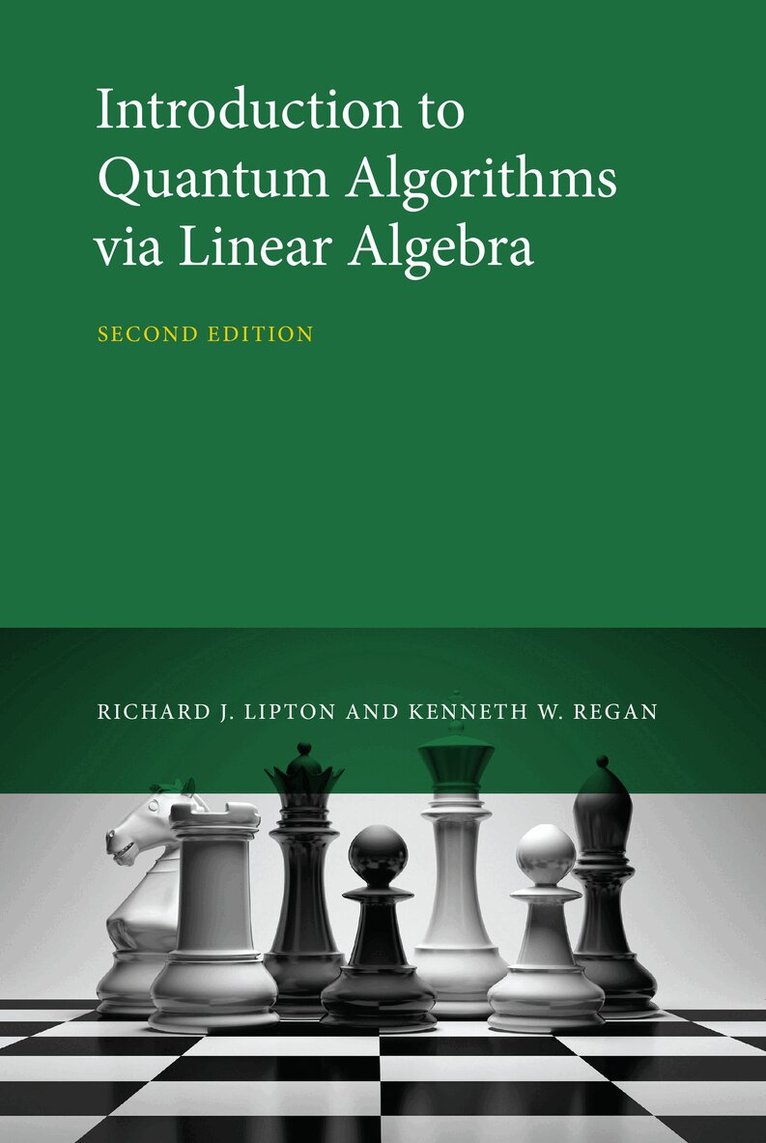
Introduction to Quantum Algorithms via Linear Algebra
Av Richard J. Lipton, Kenneth W. Regan
Inbunden, 2021
563 kr
Lägg i varukorg
Quantum computing explained in terms of elementary linear algebra, emphasizing computation and algorithms and requiring no background in physics. This introduction to quantum algorithms is concise but comprehensive, covering many key algorithms. It is mathematically rigorous but requires minimal …
DNA Based Computers
Av Richard J. Lipton, Eric B. Baum
Häftad, 1996
861 kr
Lägg i varukorg
This volume presents the proceedings of a conference held at Princeton University in April 1995 as part of the DIMACS Special Year on Mathematical Support for Molecular Biology. The subject of the conference was the new area of DNA based computing. DNA based computing is the study of using DNA …
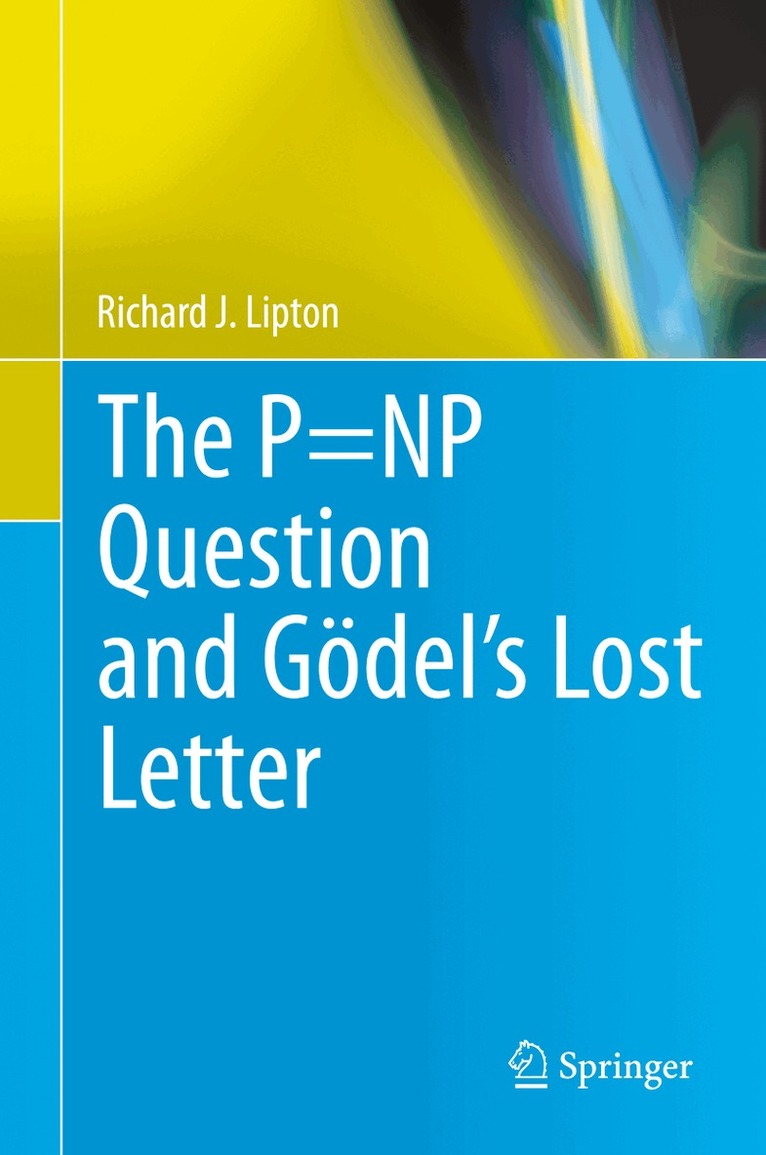
P=NP Question and Gödel’s Lost Letter
Inbunden, 2010
1094 kr
Lägg i varukorg
? DoesP=NP. In just ?ve symbols Dick Karp –in 1972–captured one of the deepest and most important questions of all time. When he ?rst wrote his famous paper, I think it’s fair to say he did not know the depth and importance of his question. Now over three decades later, we know P=NP is central to …
P=NP Question and Godel's Lost Letter
E-bok, 2010
1427 kr
Lägg i varukorg
? DoesP=NP. In just ?ve symbols Dick Karp –in 1972–captured one of the deepest and most important questions of all time. When he ?rst wrote his famous paper, I think it’s fair to say he did not know the depth and importance of his question. Now over three decades later, we know P=NP is central to …
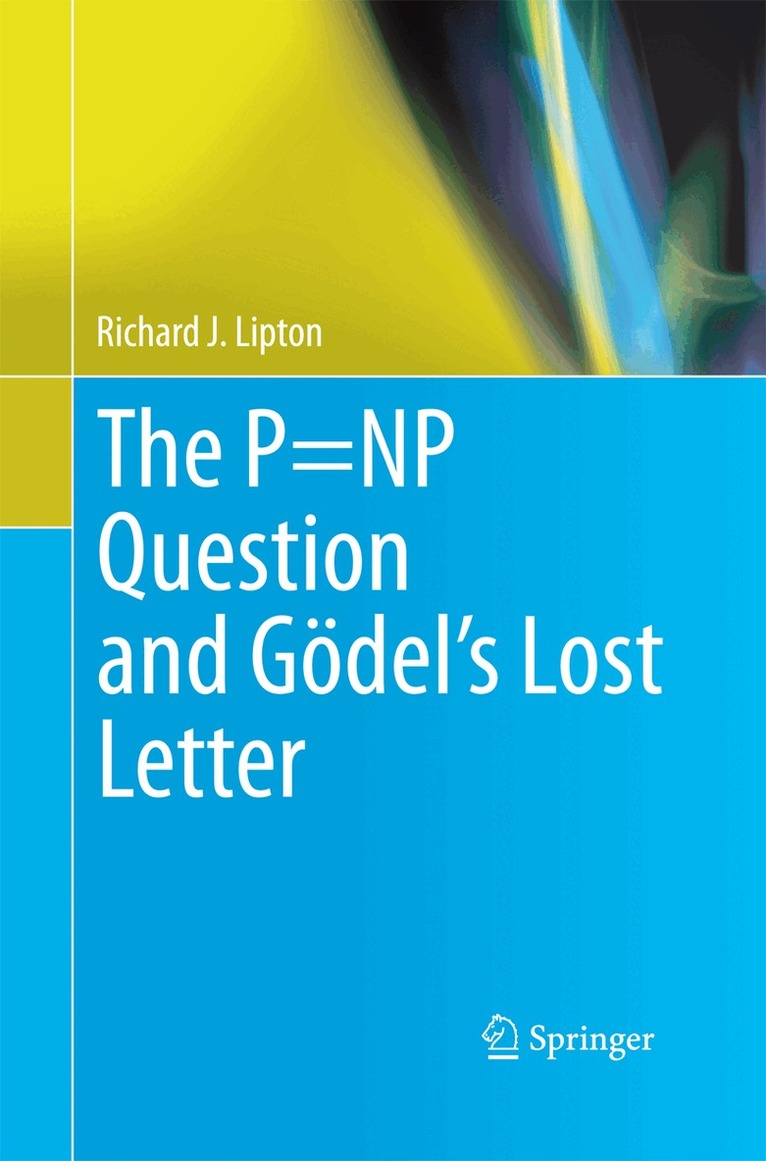
P=NP Question and Gödel’s Lost Letter
Häftad, 2014
1094 kr
Lägg i varukorg
? DoesP=NP. In just ?ve symbols Dick Karp –in 1972–captured one of the deepest and most important questions of all time. When he ?rst wrote his famous paper, I think it’s fair to say he did not know the depth and importance of his question. Now over three decades later, we know P=NP is central to …
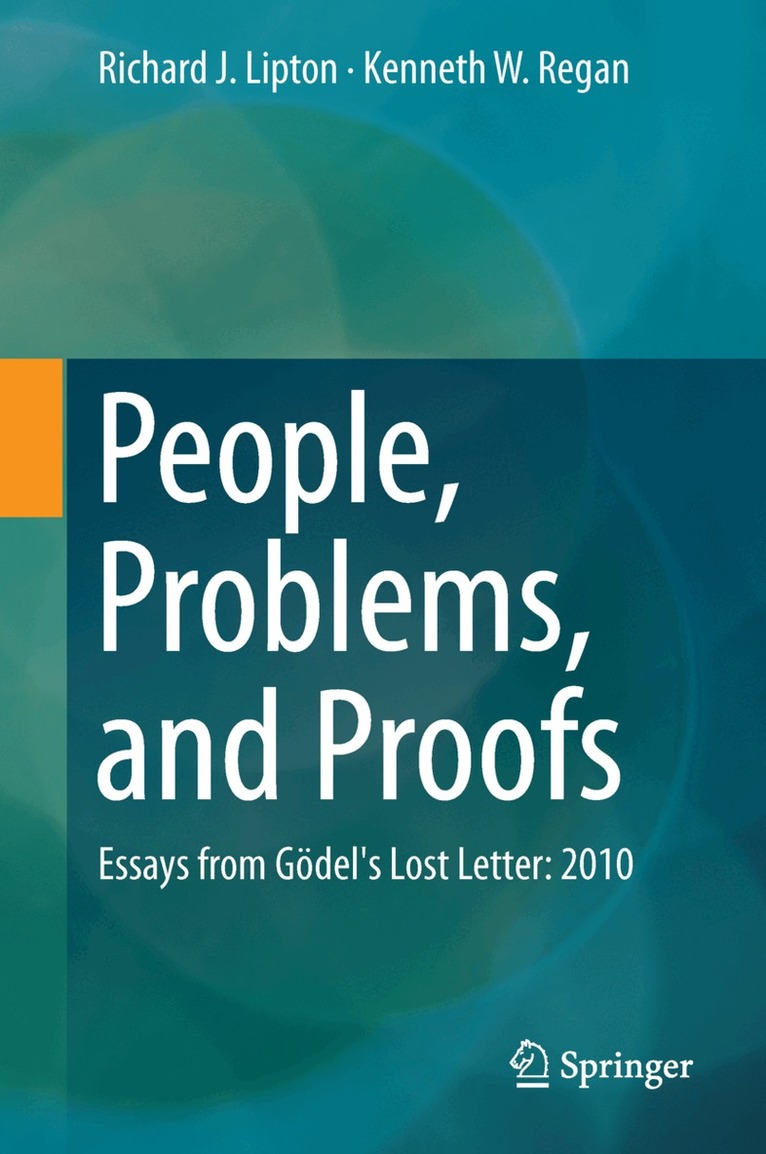
People, Problems, and Proofs
Essays from Gödel's Lost Letter: 2010
Av Richard J. Lipton, Kenneth W. Regan
Inbunden, 2013
498 kr
Lägg i varukorg
People, problems, and proofs are the lifeblood of theoretical computer science. Behind the computing devices and applications that have transformed our lives are clever algorithms, and for every worthwhile algorithm there is a problem that it solves and a proof that it works. Before this proof …
People, Problems, and Proofs
Essays from Gödel''s Lost Letter: 2010
Av Kenneth W. Regan, Richard J. Lipton
E-bok, 2013
652 kr
Lägg i varukorg
People, problems, and proofs are the lifeblood of theoretical computer science. Behind the computing devices and applications that have transformed our lives are clever algorithms, and for every worthwhile algorithm there is a problem that it solves and a proof that it works. Before this proof …
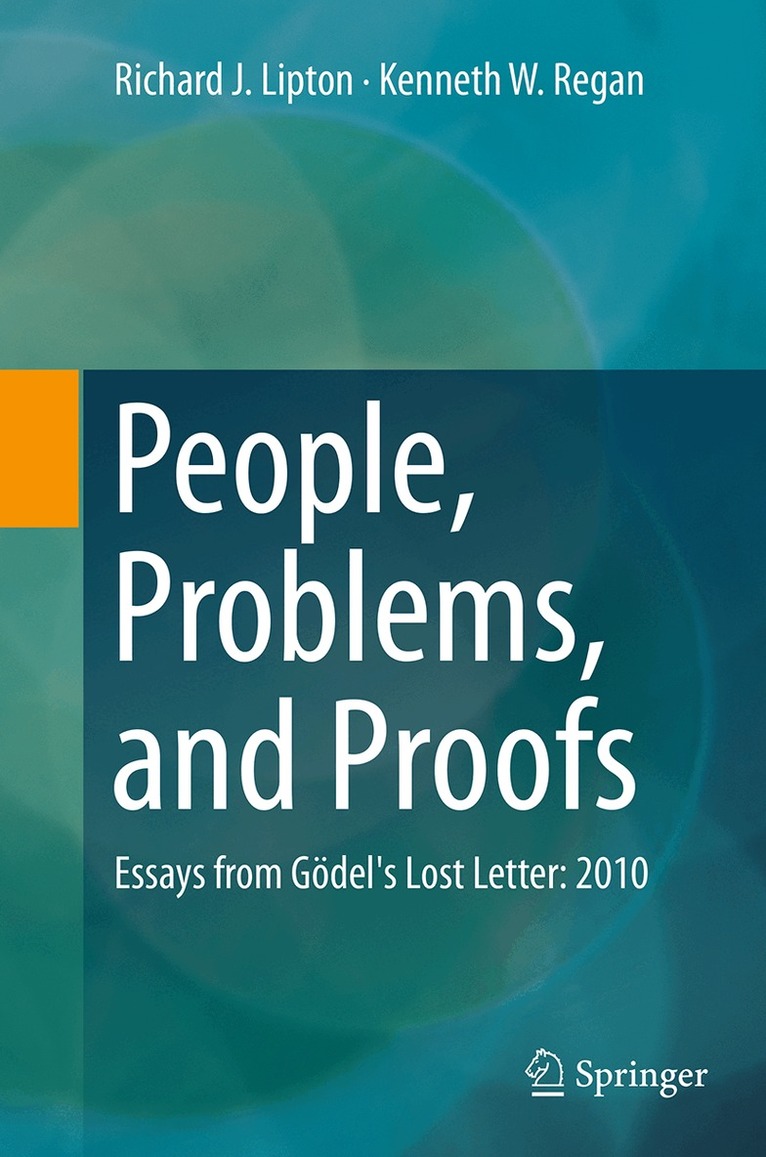
People, Problems, and Proofs
Essays from Gödel's Lost Letter: 2010
Av Richard J. Lipton, Kenneth W. Regan
Häftad, 2016
496 kr
Lägg i varukorg
People, problems, and proofs are the lifeblood of theoretical computer science. Behind the computing devices and applications that have transformed our lives are clever algorithms, and for every worthwhile algorithm there is a problem that it solves and a proof that it works. Before this proof …