Richard Koeck – författare
Visar alla böcker från författaren Richard Koeck. Handla med fri frakt och snabb leverans.
10 produkter
Cine-scapes
Cinematic Spaces in Architecture and Cities
Inbunden, 2012
2831 kr
Lägg i varukorg
Cine-scapes explores the relationship between urban space, architecture and the moving image. While an impressive amount of research has been done with regards to the way in which architecture is portrayed in film, this book offers a new perspective....What happens if we begin to see the city as a …
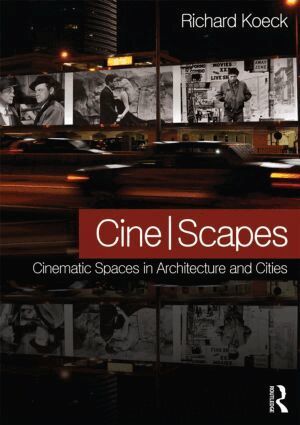
Cine-scapes
Cinematic Spaces in Architecture and Cities
Häftad, 2012
878 kr
Lägg i varukorg
Cine-scapes explores the relationship between urban space, architecture and the moving image. While an impressive amount of research has been done with regards to the way in which architecture is portrayed in film, this book offers a new perspective....What happens if we begin to see the city as a …
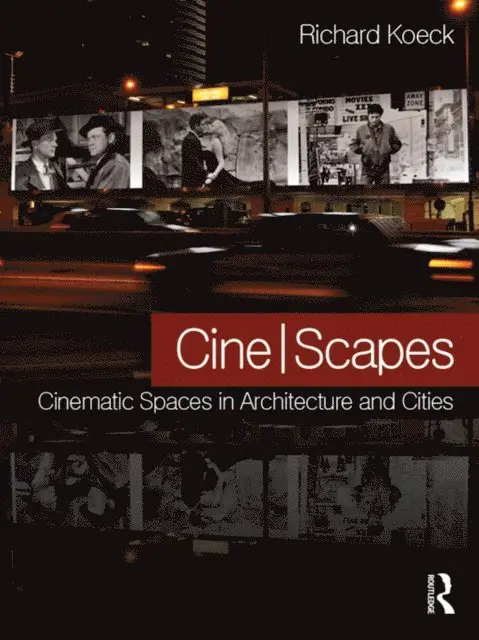
Cine-scapes
Cinematic Spaces in Architecture and Cities
E-bok, 2012
1034 kr
Lägg i varukorg
Cine-scapes explores the relationship between urban space, architecture and the moving image. While an impressive amount of research has been done with regards to the way in which architecture is portrayed in film, this book offers a new perspective.... What happens if we begin to see the city as a …
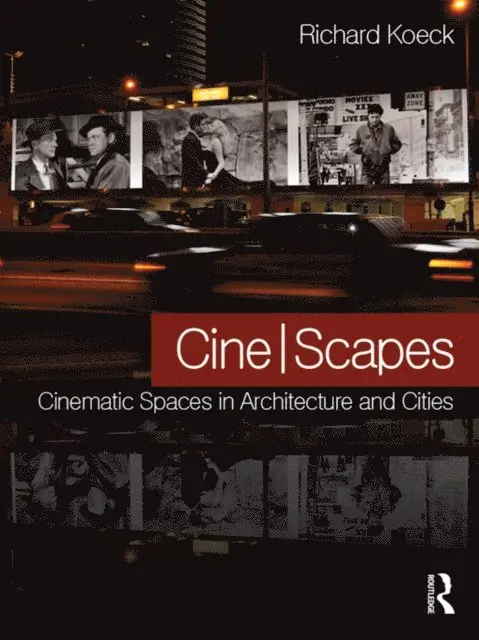
Cine-scapes
Cinematic Spaces in Architecture and Cities
E-bok, 2012
1034 kr
Lägg i varukorg
Cine-scapes explores the relationship between urban space, architecture and the moving image. While an impressive amount of research has been done with regards to the way in which architecture is portrayed in film, this book offers a new perspective.... What happens if we begin to see the city as a …
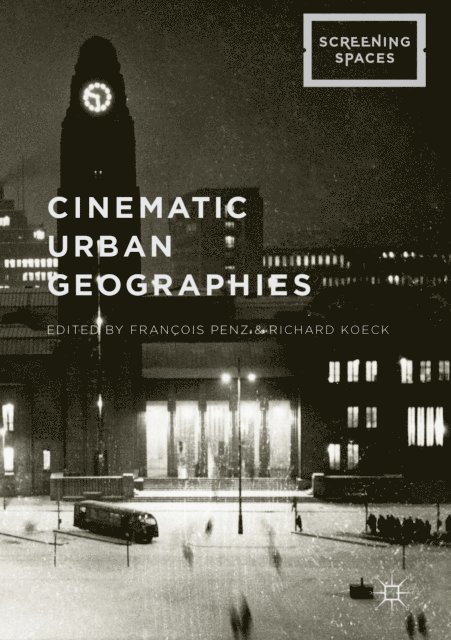
Cinematic Urban Geographies
Av Richard Koeck, Francois Penz
E-bok, 2017
1896 kr
Lägg i varukorg
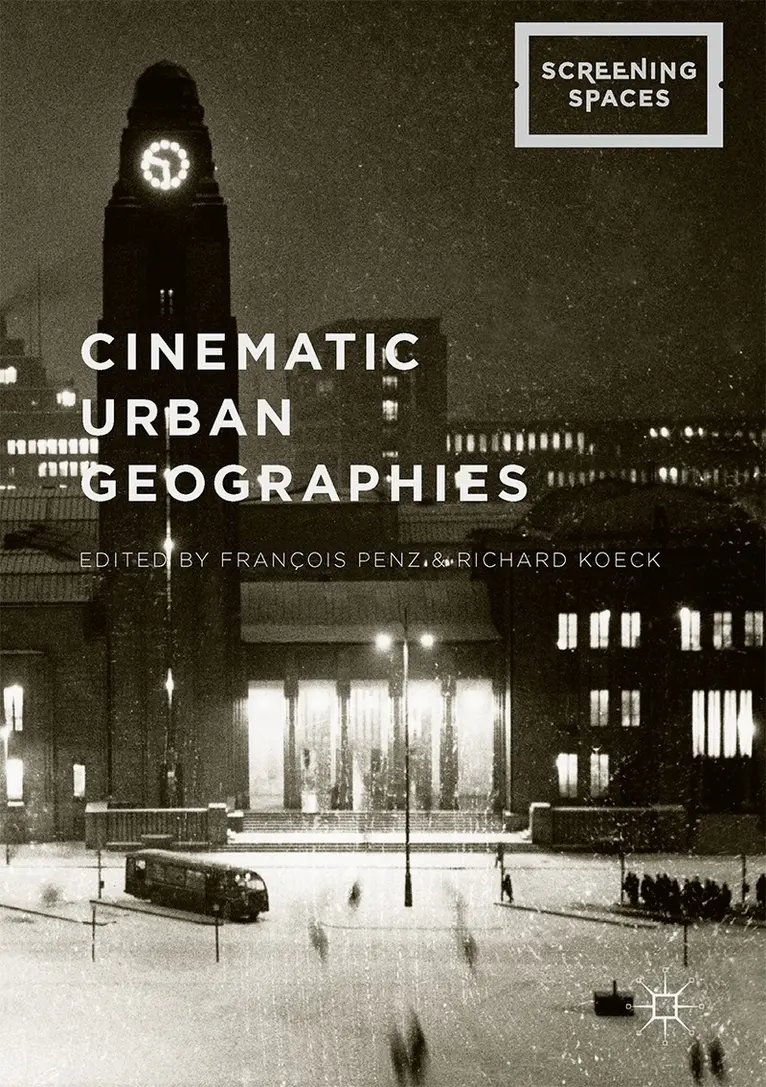
This book proposes new methodological tools and approaches in order to tease out and elicit the different facets of urban fragmentation through the medium of cinema and the moving image, as a contribution to our understanding of cities and their topographies. In doing so it makes a significant …
Cinematic Urban Geographies
Av François Penz, Richard Koeck
Inbunden, 2017
1314 kr
Lägg i varukorg
This book proposes new methodological tools and approaches in order to tease out and elicit the different facets of urban fragmentation through the medium of cinema and the moving image, as a contribution to our understanding of cities and their topographies. In doing so it makes a significant …
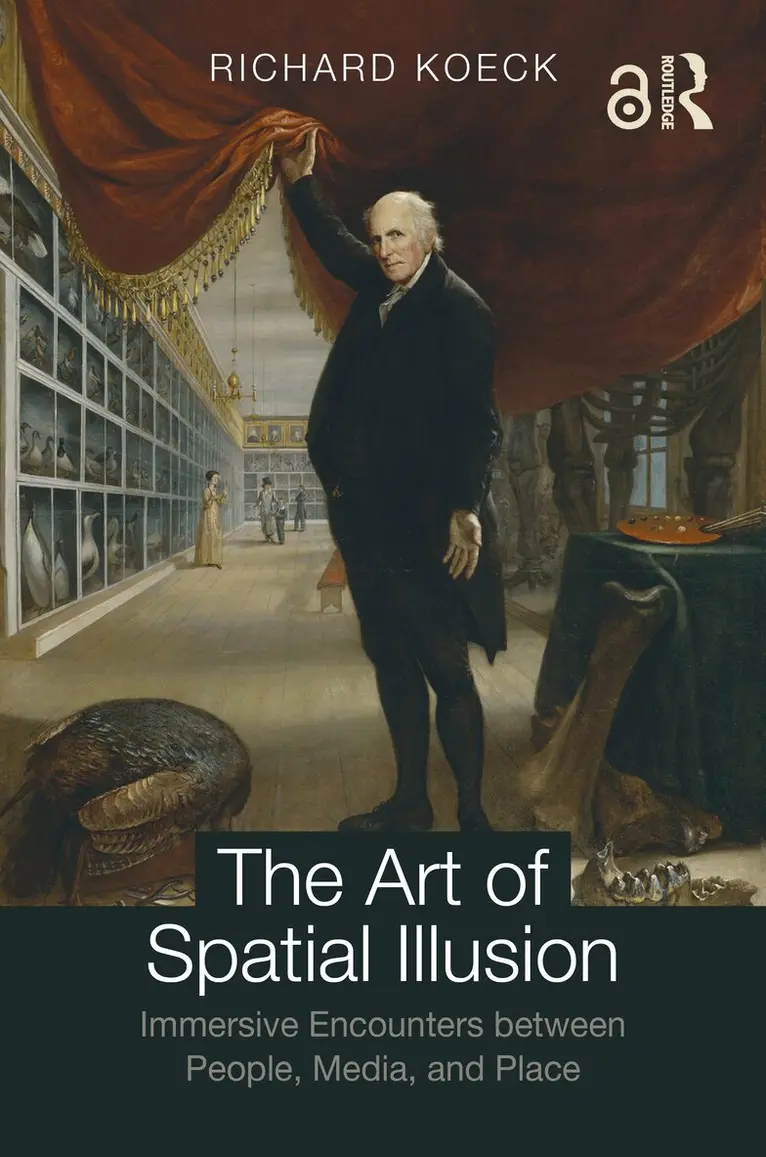
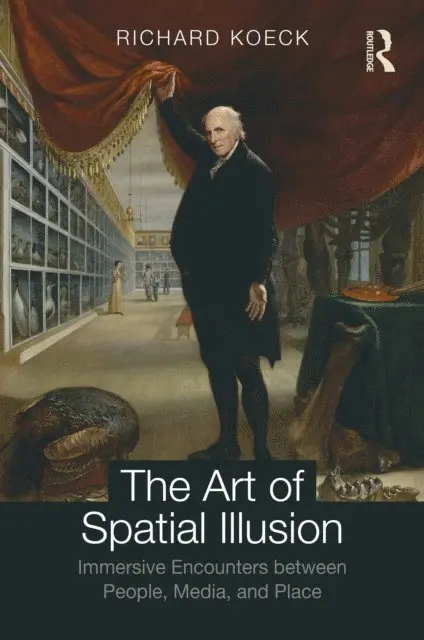
Art of Spatial Illusion
Immersive Encounters between People, Media, and Place
Inbunden, 2024
2590 kr
Lägg i varukorg
Contemporary art, entertainment, and architecture cultures offer a growing amount of digitally mediated spatial experiences, situated either in the metaverse (e.g. VR) or location-based in physical realms (e.g. AR), increasingly powered by generative systems (e.g. AI). Are such spatially “immersive …
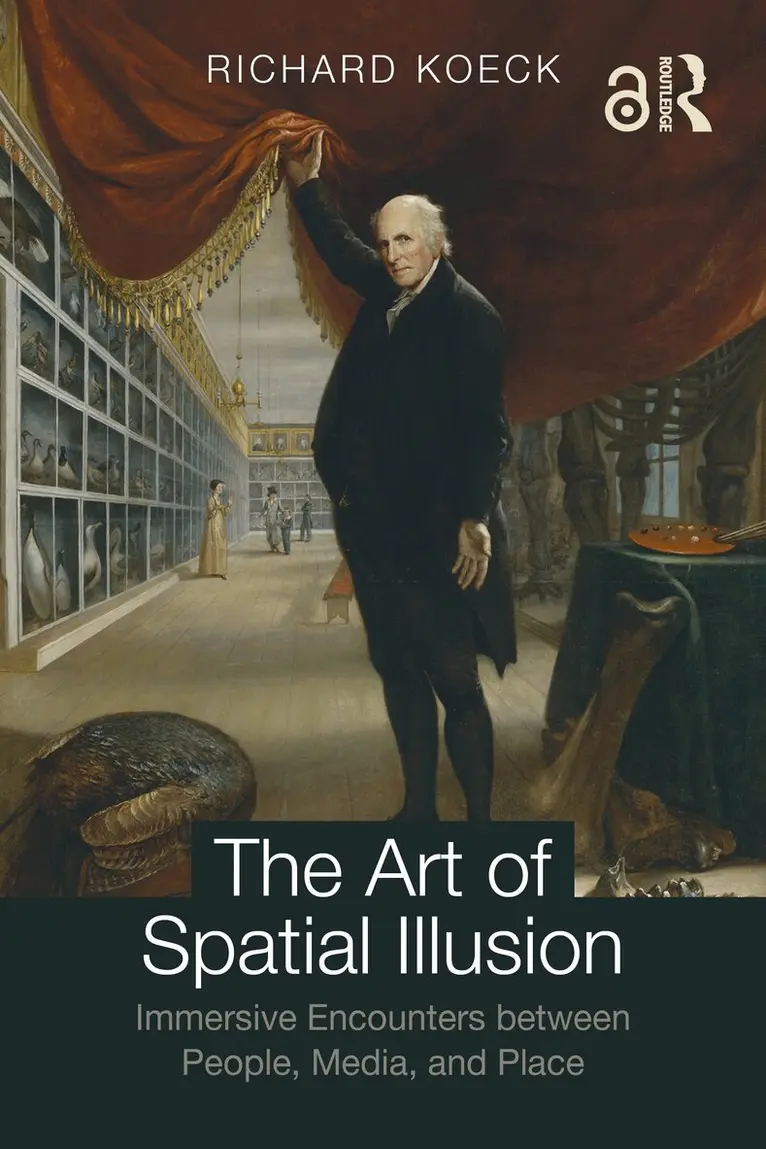
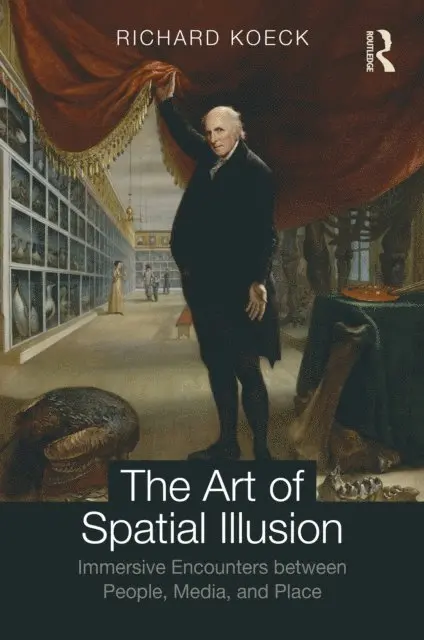
Art of Spatial Illusion
Immersive Encounters between People, Media, and Place
Häftad, 2024
623 kr
Lägg i varukorg
Contemporary art, entertainment, and architecture cultures offer a growing amount of digitally mediated spatial experiences, situated either in the metaverse (e.g. VR) or location-based in physical realms (e.g. AR), increasingly powered by generative systems (e.g. AI). Are such spatially “immersive …
Art of Spatial Illusion
Immersive Encounters between People, Media, and Place
E-bok, 2024
674 kr
Lägg i varukorg
Contemporary art, entertainment, and architecture cultures offer a growing amount of digitally mediated spatial experiences, situated either in the metaverse (e.g. VR) or location-based in physical realms (e.g. AR), increasingly powered by generative systems (e.g. AI). Are such spatially “immersive …
Art of Spatial Illusion
Immersive Encounters between People, Media, and Place
E-bok, 2024
696 kr
Lägg i varukorg
Contemporary art, entertainment, and architecture cultures offer a growing amount of digitally mediated spatial experiences, situated either in the metaverse (e.g. VR) or location-based in physical realms (e.g. AR), increasingly powered by generative systems (e.g. AI). Are such spatially “immersive …