Richard Kraus – författare
Visar alla böcker från författaren Richard Kraus. Handla med fri frakt och snabb leverans.
6 produkter
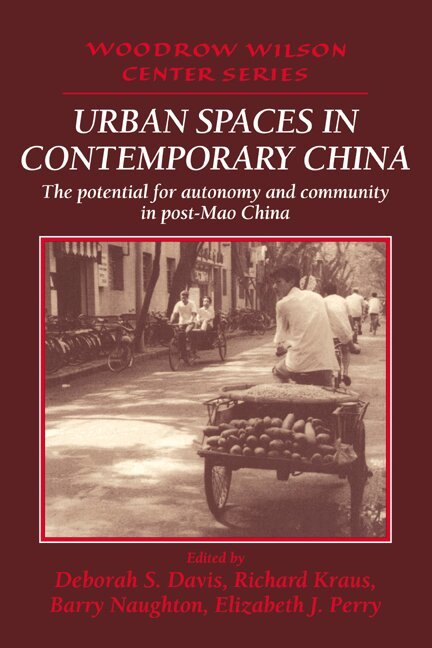
Urban Spaces in Contemporary China
The Potential for Autonomy and Community in Post-Mao China
Av Deborah S. Davis, Deborah S. Davis m. fl.
Inbunden, 1995
2149 kr
Lägg i varukorg
The post-Mao urban reforms of the last decade have physically and psychologically transformed China's cities. These essays explore how the character of city life shifted after the political-economic restructuring intensified in 1984, and how this shift affected the creation of new physical, …
Urban Spaces in Contemporary China
The Potential for Autonomy and Community in Post-Mao China
Av Davis Et Al, Et Al Davis Et Al m. fl.
Häftad, 1995
764 kr
Lägg i varukorg
The post-Mao urban reforms of the last decade have physically and psychologically transformed China's cities. These essays explore how the character of city life shifted after the political-economic restructuring intensified in 1984, and how this shift affected the creation of new physical, …
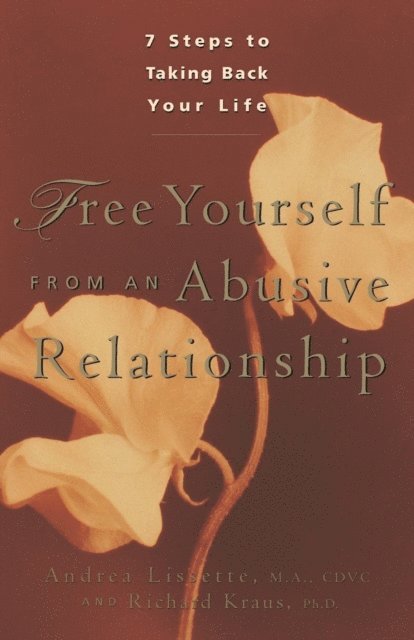
Free Yourself from an Abusive Relationship: A Guide to Taking Back Your Life
Av Andrea Lissette, Richard Kraus
Häftad, 2000
240 kr
Lägg i varukorg
Free Yourself From an Abusive Relationship
Seven Steps to Taking Back Your Life
Av Richard Kraus, Andrea Lissette
E-bok, 2000
205 kr
Lägg i varukorg
This book is a comprehensive guide to recognizing and dealing with domestic abuse and violence. It outlines the different types and stages of abuse, and provides information on how to change such relationships or escape from them.
Free Yourself from an Abusive Relationship
Seven Steps to Taking Back Your Life
Av Andrea Lissette, Richard Kraus
Inbunden, 2000
353 kr
Lägg i varukorg