Richard L. Knight – författare
Visar alla böcker från författaren Richard L. Knight. Handla med fri frakt och snabb leverans.
8 produkter
Aldo Leopold and the Ecological Conscience
Av Susanne Riedel, Richard L. Knight
E-bok, 2002
294 kr
Lägg i varukorg
In Aldo Leopold and an Ecological Conscience ecologists, wildlife biologists, and other professional conservationists explore the ecological legacy of Aldo Leopold and his A Sand County Almanac and his contributions to the environmental movement, the philosophy of science, and natural resource …
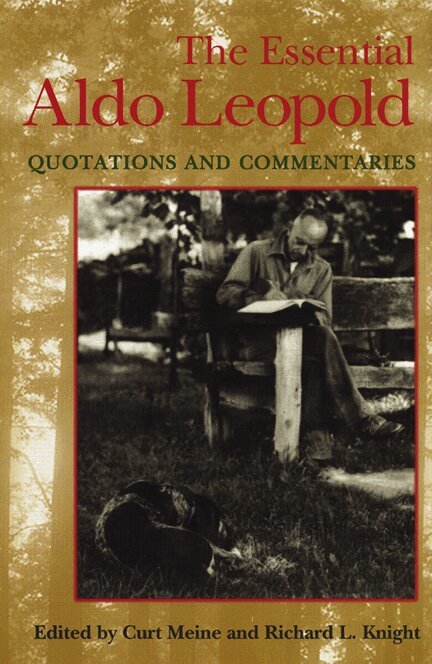
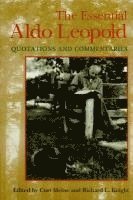
Essential Aldo Leopold
Quotations and Commentaries
Av Curt D. Meine, Richard L. Knight
Häftad, 2006
291 kr
Lägg i varukorg
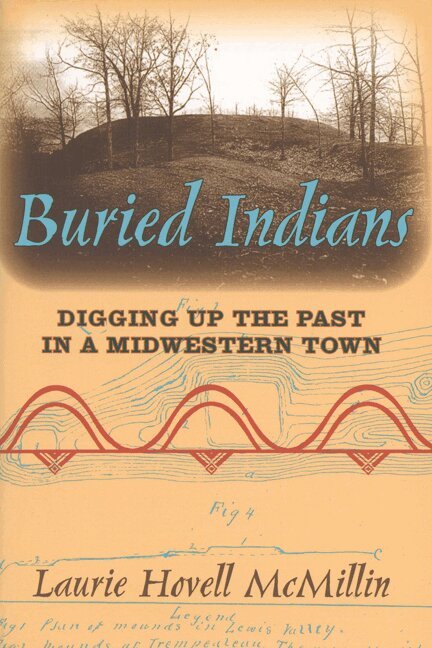
Buried Indians
Digging Up the Past in a Midwestern Town
Av Laurie Hovell McMillin, Richard L. Knight m. fl.
Häftad, 2006
283 kr
Lägg i varukorg
In ""Buried Indians"", Laurie Hovell McMillin presents the struggle of her hometown, Trempealeau, Wisconsin, to determine whether platform mounds atop Trempealeau Mountain constitute authentic Indian mounds. This dispute, as McMillin subtly demonstrates, reveals much about the attitude and …
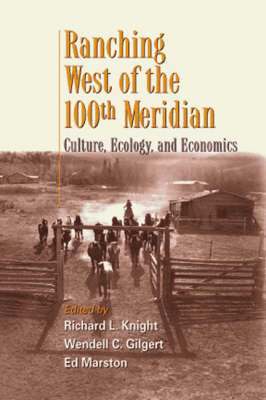
Ranching West of the 100th Meridian
Culture, Ecology, and Economics
Av Richard L. Knight, Wendell Gilgert m. fl.
Häftad, 2002
571 kr
Lägg i varukorg
Ranching West of the 100th Meridian offers a literary and thought-provoking look at ranching and its role in the changing West. The book's lyrical and deeply felt narratives, combined with fresh information and analysis, offer a poignant and enlightening consideration of ranchers' ecological …
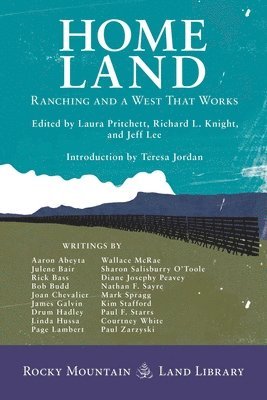
Home Land
Ranching and A West That Works
Av Laura Pritchett, Richard L Knight m. fl.
Häftad, 2018
240 kr
Lägg i varukorg
Essential Aldo Leopold
Quotations and Commentaries
Av Curt D. Meine, Richard L. Knight
Inbunden, 1999
361 kr
Tillfälligt slut
Quotations of the conservationist Aldo Leopold are gathered in this volume. Prominent biologists, conservationists, historians, and philosophers provide introductory commentaries describing Leopold's contributions in varied fields and reflect upon the significance of his work today.
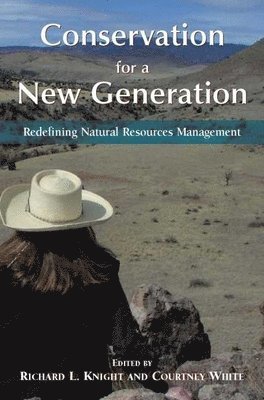
Conservation for a New Generation
Redefining Natural Resources Management
Av Richard L. Knight, Courtney White m. fl.
Häftad, 2008
341 kr
Tillfälligt slut
Effective conservation requires building strong collaborative relationships. In hundreds of watersheds and communities across the United States, conservation is being reinvented and invigorated by collaborative efforts between federal, state, and local governments working with non-governmental …
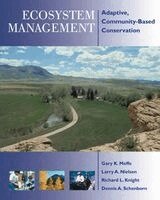
Ecosystem Management
Adaptive, Community-Based Conservation
Av Gary Meffe, Larry Nielsen m. fl.
Häftad, 2013
580 kr
Tillfälligt slut
Today's natural resource managers must be able to navigate among the complicated interactions and conflicting interests of diverse stakeholders and decisionmakers. Technical and scientific knowledge, though necessary, are not sufficient. Science is merely one component in a multifaceted world of …