Richard Lints – författare
Visar alla böcker från författaren Richard Lints. Handla med fri frakt och snabb leverans.
11 produkter
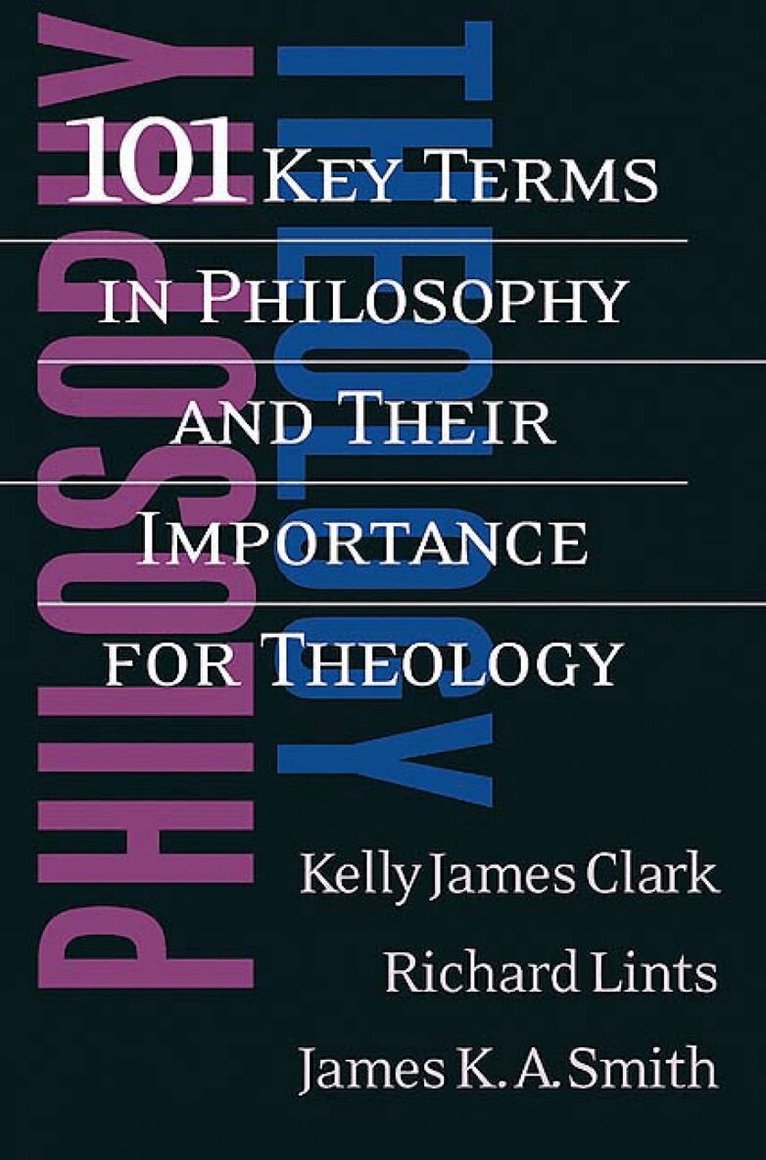
101 Key Terms in Philosophy and Their Importance for Theology
Av Kelly James Clark, Richard Lints m. fl.
Häftad, 2004
303 kr
Lägg i varukorg
Written by two philosophers and a theologian, this book provides easy access to key terms in philosophy and how they are understood and used in theology. The focused entries discuss what the terms have meant in classical and contemporary philosophy and then shift to what these philosophical …
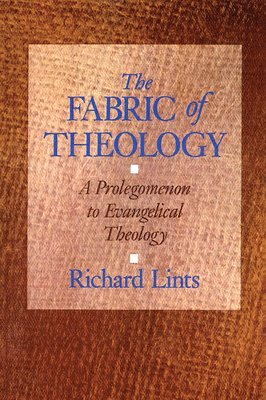
Fabric of Theology
Prolegomenon to Evangelical Theology
Häftad, 1993
324 kr
Lägg i varukorg
This is a print on demand book and is therefore non- returnable. After showing that today's evangelicals have not fared well in the crucible of modern pluralism, Lints argues that in order to regain spiritual wholeness, evangelicals must relearn how to think and live theologically. This book …
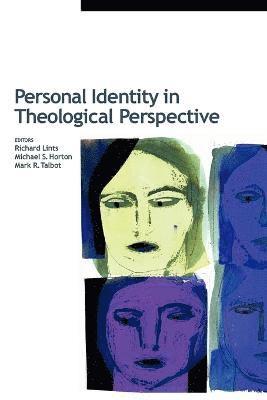
Personal Identity in Theological Perspective
Av Richard Lints, Michael S. Horton m. fl.
Häftad, 2006
264 kr
Lägg i varukorg
Renewing the Evangelical Mission
Av Richard Lints, Richard Lints
Häftad, 2013
324 kr
Lägg i varukorg
The "culture story" of evangelicalism during the second half of the twentieth century has been well told. It is important now to think about the theological mission of the church in an ever-increasing post-Christian and post-partisan context. What is the theologian's calling at the beginning of the …
Progressive and Conservative Religious Ideologies
The Tumultuous Decade of the 1960s
Häftad, 2016
868 kr
Lägg i varukorg
This book explores the surprisingly disruptive role of religion for progressive and conservative ideologies in the tumultuous decade of the 1960s. Conservative movements were far more progressive than the standard religious narrative of the decade alleges and the notoriously progressive ethos of …
Progressive and Conservative Religious Ideologies
The Tumultuous Decade of the 1960s
E-bok, 2016
945 kr
Lägg i varukorg
This book explores the surprisingly disruptive role of religion for progressive and conservative ideologies in the tumultuous decade of the 1960s. Conservative movements were far more progressive than the standard religious narrative of the decade alleges and the notoriously progressive ethos of …
Progressive and Conservative Religious Ideologies
The Tumultuous Decade of the 1960s
E-bok, 2016
918 kr
Lägg i varukorg
This book explores the surprisingly disruptive role of religion for progressive and conservative ideologies in the tumultuous decade of the 1960s. Conservative movements were far more progressive than the standard religious narrative of the decade alleges and the notoriously progressive ethos of …
Progressive and Conservative Religious Ideologies
The Tumultuous Decade of the 1960s
Inbunden, 2010
2521 kr
Lägg i varukorg
This book explores the surprisingly disruptive role of religion for progressive and conservative ideologies in the tumultuous decade of the 1960s. Conservative movements were far more progressive than the standard religious narrative of the decade alleges and the notoriously progressive ethos of …
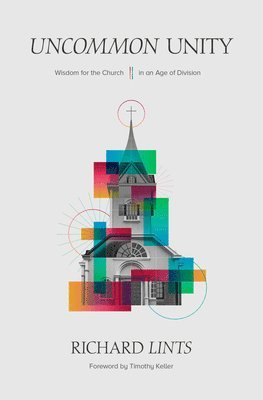
Uncommon Unity – Wisdom for the Church in an Age of Division
Inbunden, 2022
273 kr
Lägg i varukorg
"A crucial book." --Timothy Keller Our world is facing increasing hostilities. Political and cultural differences rage, even among people who otherwise show goodwill. And the church is no stranger to extreme polarization, theological backbiting, and political squabbling. Jesus's prayer in John …
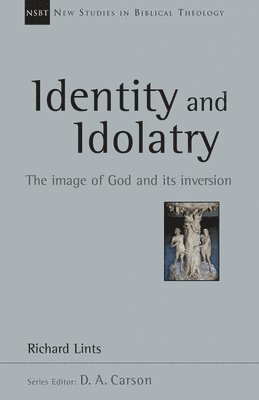
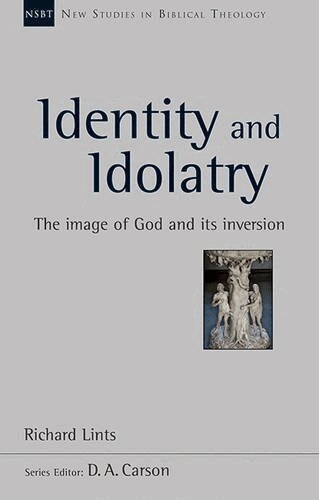
Identity and Idolatry
The Image Of God And Its Inversion
Häftad, 2015
176 kr
Lägg i varukorg
So God created man in his own image, in the image of God he created him; male and female he created them' (Genesis 1:27).Genesis 1:26-27 has served as the locus of most theological anthropologies in the central Christian tradition. However, Richard Lints observes that too rarely have these verses …