Richard S. Kennedy – författare
Visar alla böcker från författaren Richard S. Kennedy. Handla med fri frakt och snabb leverans.
10 produkter
Selected Poems
Av E. E. Cummings, Richard S. Kennedy
Häftad, 2007
5,0 utav 5 stjärnor. Totalt antal röster: (2)
195 kr
Lägg i varukorg
The one hundred and fifty-six poems here, arranged in twelve sections and introduced by E. E. Cummings's biographer, Richard S. Kennedy, include his most popular poems, spanning his earliest creations, his vivacious linguistic acrobatics, up to his last valedictory sonnets. Also featured are …
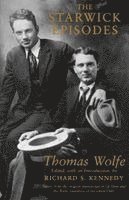
Starwick Episodes
Av Thomas Wolfe, Thomas Wolfe m. fl.
Häftad, 1994
317 kr
Lägg i varukorg
One of the most enduring characters in Thomas Wolfe's fiction is Francis Starwick, the Midwestern aesthete who befriends Eugene Grant at Harvard in Wolfe's second autobiographical novel, Of Time and the River. Wolfe created Starwick in order to provide a foil for the artistic development of Eugene: …
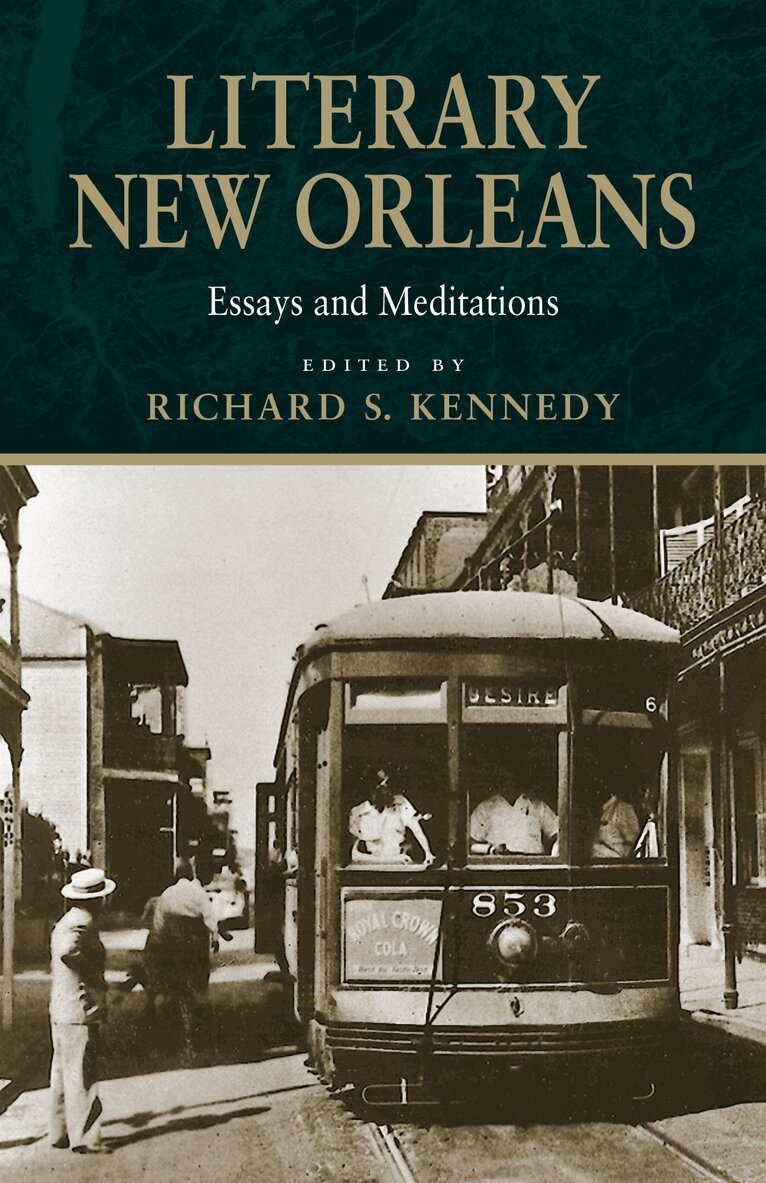
Literary New Orleans
Essays and Meditations
Häftad, 1998
252 kr
Lägg i varukorg
This is an altogether engaging collection of ruminations on early New Orleans writers - George Washington Cable, Grace King, Lafcadio Hearn, and Kate Chopin - as well as three prolific twentieth-century authors who called the Crescent City ""home"" at various times: William Faulkner, Tennessee …
Welcome to Our City
A Play in Ten Scenes
Av Thomas Wolfe, Richard S. Kennedy
Häftad, 1999
317 kr
Lägg i varukorg
In 1920 Thomas Wolfe left the South with the strong desire to become a dramatist. To pursue his chosen craft, he enrolled in the Harvard 47 Workshop, at that time the most renowned in the nation. At first he wrote plays about Appalachian society and the Civil War. But it was not until Wolfe turned …
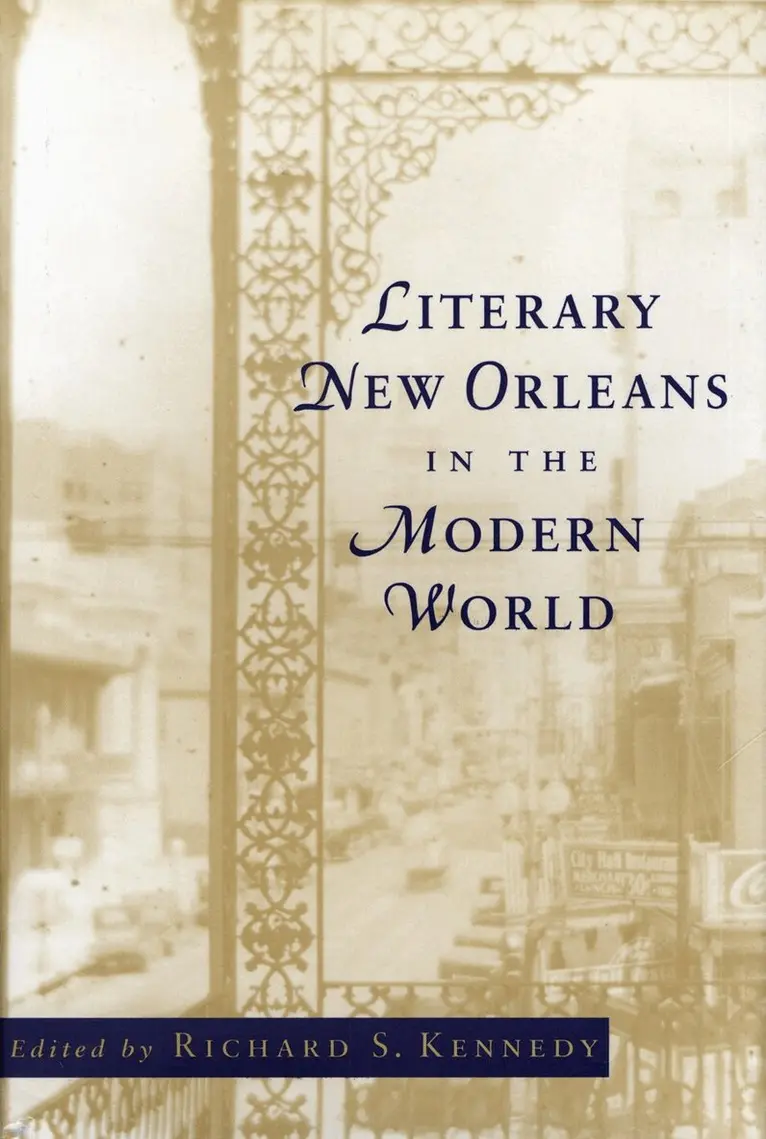
Literary New Orleans in the Modern World
Häftad, 2006
379 kr
Lägg i varukorg
Cleanth Brooks may have summarized it best: ""New Orleans has become one of the cities of the mind, and is therefore immortal."" Its writers make it so. Like Richard S. Kennedy's earlier collection Literary New Orleans, these nine essays explore the belletristic Crescent City - its history, …
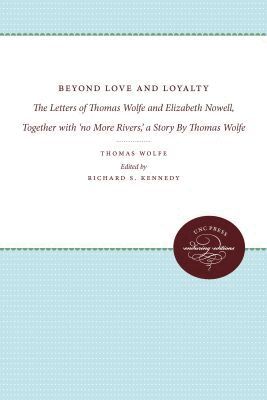
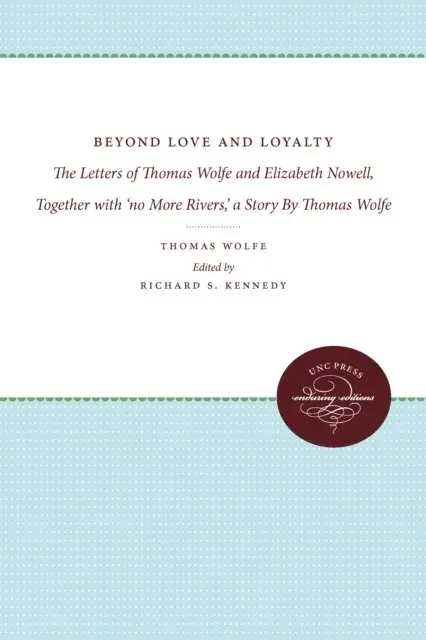
Beyond Love and Loyalty
The Letters of Thomas Wolfe and Elizabeth Nowell, Together with 'no More Rivers,' a Story by Thomas Wolfe
Av Thomas Wolfe, Richard S. Kennedy
Häftad, 2010
486 kr
Lägg i varukorg
Letters--mostly of the nuts-and-bolts, practical variety--between Thomas Wolfe and his literary agent, Elizabeth Nowell. Nowell served as Wolfe's editor for many of his short stories, paring them down to make them acceptable to magazines. Oddly enough, his attitude toward her was grateful rather …
Beyond Love and Loyalty
The Letters of Thomas Wolfe and Elizabeth Nowell, Together with ''no More Rivers,'' a Story By Thomas Wolfe
Av Thomas Wolfe, Richard S. Kennedy
E-bok, 2005
350 kr
Lägg i varukorg
Letters — mostly of the nuts-and-bolts, practical variety — between Thomas Wolfe and his literary agent, Elizabeth Nowell. Nowell served as Wolfe’s editor for many of his short stories, paring them down to make them acceptable to magazines. Oddly enough, his attitude toward her was grateful rather …
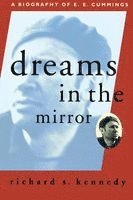
Dreams in the Mirror
A Biography of E.E. Cummings
Häftad, 1994
424 kr
Lägg i varukorg
Along with Pound, Eliot, and Joyce, Edward Estlin Cummings is one of the leading American poets who revolutionized literary expression in the twentieth century. He was also a Cubist painter, a champion of the little man, a brilliant conversationalist, a romantic idealist, a famous irrational …
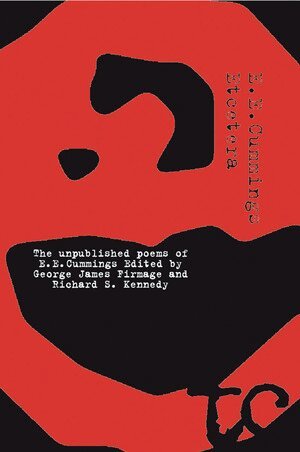
Etcetera
The Unpublished Poems of E. E. Cummings
Av E. E. Cummings, George James Firmage m. fl.
Häftad, 2001
206 kr
Lägg i varukorg
The poems in Etcetera were discovered in three Cummings manuscript collections and selected from more than 350 unpublished pieces. Many of the poems are from his early years and all convey his freshness and youthful spirit, exhibiting his celebration of love and delight in common natural phenomena. …
Beyond Love and Loyalty
The Letters of Thomas Wolfe and Elizabeth Nowell, Together with ''no More Rivers,'' a Story By Thomas Wolfe
Av Thomas Wolfe, Richard S. Kennedy
E-bok, 2005
350 kr
Lägg i varukorg
Letters — mostly of the nuts-and-bolts, practical variety — between Thomas Wolfe and his literary agent, Elizabeth Nowell. Nowell served as Wolfe’s editor for many of his short stories, paring them down to make them acceptable to magazines. Oddly enough, his attitude toward her was grateful rather …