Richard Steadman-Jones - Böcker
Visar alla böcker från författaren Richard Steadman-Jones. Handla med fri frakt och snabb leverans.
3 produkter
3 produkter
Del 2 - Publications of the Philological Society
Colonialism and Grammatical Representation
John Gilchrist and the Analysis of the 'Hindustani' Language in the late Eighteenth and Early Nineteenth Centuries
Häftad, Engelska, 2007
328 kr
Skickas inom 11-20 vardagar
A detailed study of Gilchrist’s grammatical praxis which presents a picture of the complex relationship between grammatical inquiry and the politics of colonial discourse in the early years of the Indian Empire. Develops a method of reading colonial grammars that acknowledges both the technical and the political dimensions of the text Explores the political consequences of the choices that grammarians made that could easily elicit reactions of fear, confusion, and even contempt in colonial observers Presents a picture of the complex relationship between grammatical inquiry and the politics of colonial discourse in the early years of the Indian Empire
980 kr
Skickas
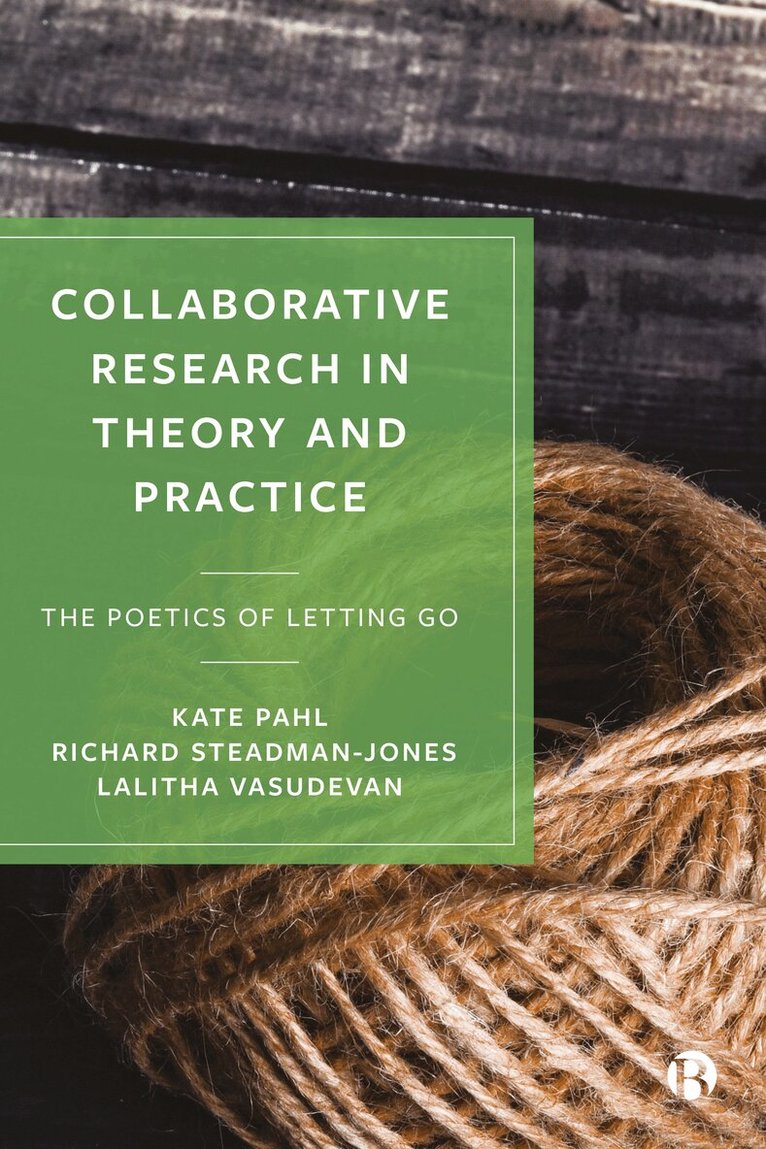
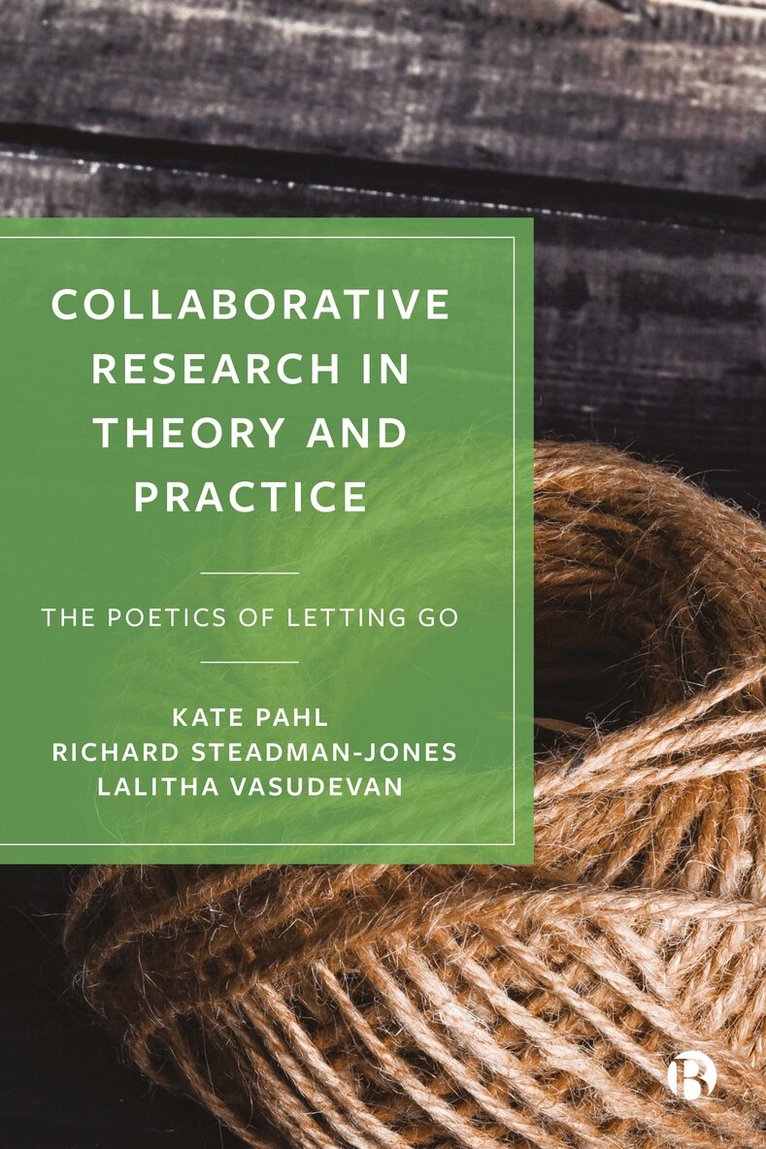
This book invites the reader to think about collaborative research differently. Using the concepts of ‘letting go’ (the recognition that research is always in a state of becoming) and 'poetics’ (using an approach that might interrupt and remake the conventions of research), it envisions collaborative research as a space where relationships are forged with the use of arts-based and multimodal ways of seeing, inquiring and representing ideas.The book's chapters are interwoven with ‘Interludes’ which provide alternative forms to think with and another vantage point from which to regard phenomena, pose a question and seek insights or openings for further inquiry, rather than answers. Altogether, the book celebrates collaboration in complex, exploratory, literary and artistic ways within university and community research.
354 kr
Skickas
This book invites the reader to think about collaborative research differently. Using the concepts of ‘letting go’ (the recognition that research is always in a state of becoming) and 'poetics’ (using an approach that might interrupt and remake the conventions of research), it envisions collaborative research as a space where relationships are forged with the use of arts-based and multimodal ways of seeing, inquiring and representing ideas.The book's chapters are interwoven with ‘Interludes’ which provide alternative forms to think with and another vantage point from which to regard phenomena, pose a question and seek insights or openings for further inquiry, rather than answers. Altogether, the book celebrates collaboration in complex, exploratory, literary and artistic ways within university and community research.