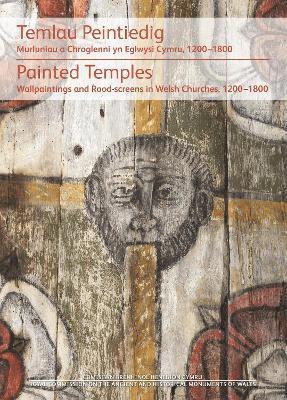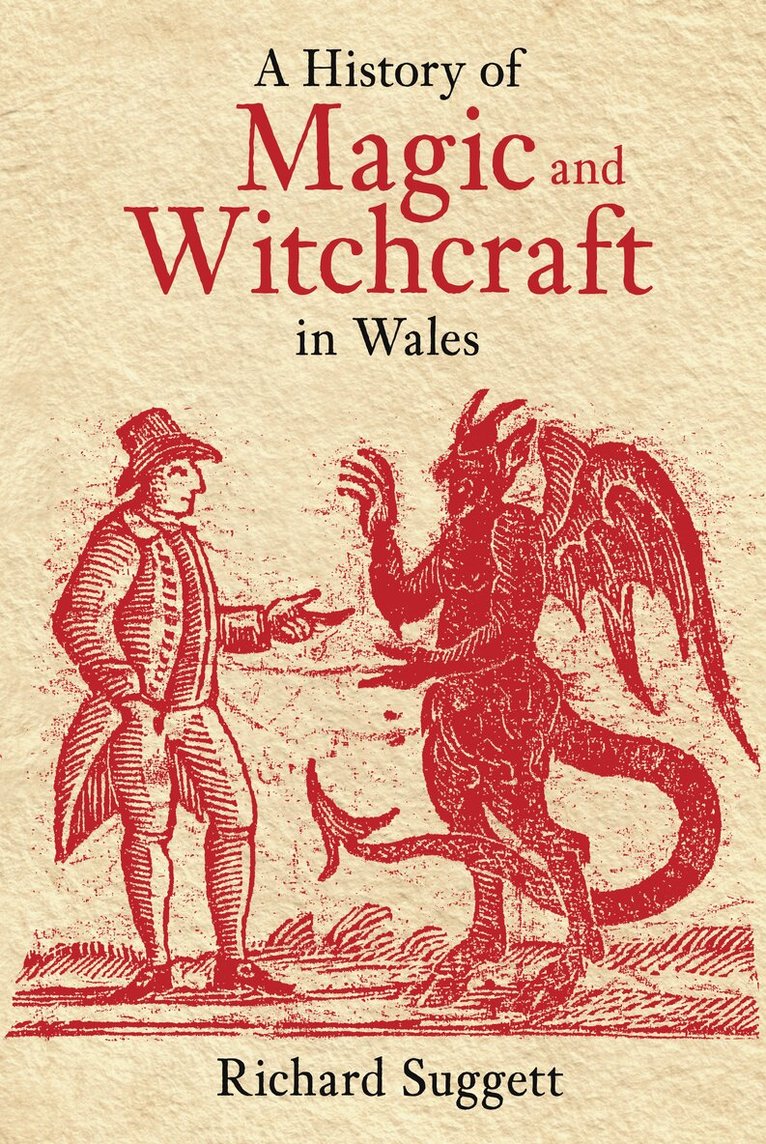
Wales had a rich gallery of magical specialists (prophets, cunning-men, physicians etc), including many who were suspected of harmful witchcraft. Richard Suggett examines all types of magical specialists, including those regarded as beneficial as well as harmful. Popular belief in witchcraft in Wales did not decline with the abolition of the Witchcraft Act in 1736. Indeed belief in witchcraft beliefs became darker in form and was transformed into a novel form of cursing the use of cursing wells, many of which are still in existence in Wales.
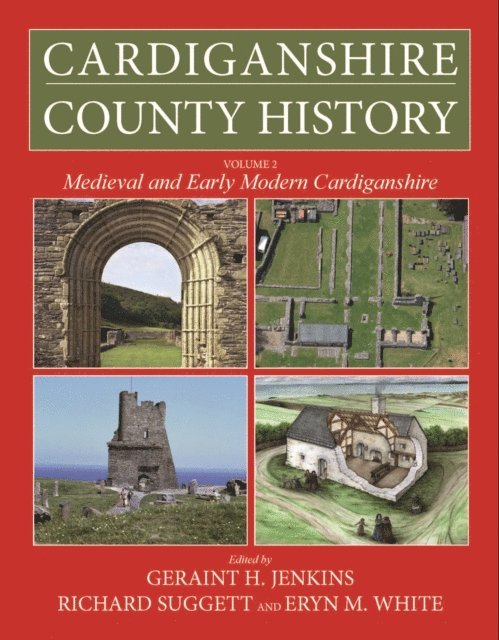
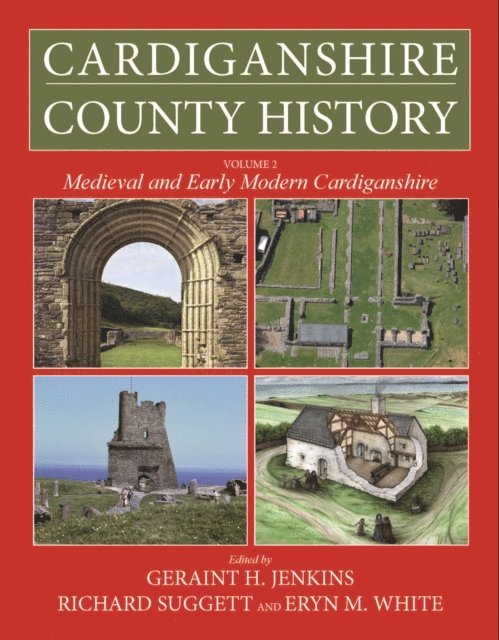
Cardiganshire County History Volume 2 is published by the University of Wales Press on behalf of the Ceredigion Historical Society, in association with the Royal Commission on the Ancient and Historical Monuments of Wales. This volume provides a comprehensive and authoritative account, written by distinguished authors in fifteen chapters, of the wide range of social, economic, political, religious and cultural forces that shaped the ethos and character of the county of Cardiganshire over a period of 600 years. This was a period of great turbulence and change. It witnessed conquest and castle-building, the impact of the Glyndŵr rebellion, the coming of the Protestant Reformation, and the turmoil of civil war. Over time, the inhabitants of the county developed a sense of themselves as a distinctive people who dwelt in a recognisable entity. From very early on, literate people took pride in their native patch; in the eyes of the learned Sulien (d. 1091) and his sons, the land of Ceredig was a sacred patria. Poets and scribes burnished the reputation of the county, and a vibrant poem by Siôn Morys in 1577 maintained that it was the best of shires and ‘the fold of the generous ones’.
This book presents the results of a successful project to establish the date and social context of some of the earliest houses in Snowdonia. This partnership project between the Dating Old Welsh Houses Group and the RCAHM involved many householders and about 200 local people in an ambitious exercise in community archaeology.
The University of Wales Press is pleased to publish Cardiganshire County History. Volume 2. Medieval and Early Modern Cardiganshire, on behalf of the Ceredigion Historical Society in association with the Royal Commission on the Ancient and Historical Monuments of Wales. This is the second and final volume in a prestigious and lavishly illustrated series. A team of fifteen distinguished authors have embraced the challenge of providing a comprehensive and illuminating account of the wide range of socio-economic, political, religious and cultural forces that shaped the ethos and character of the county during the turbulent centuries of a period that witnessed conquest and castle-building, the impact of the Glyndwr rebellion, the coming of the Reformation and the turmoil of civil war. Although Cardiganshire was one of the smallest and most impoverished counties in Wales, it had and continues to have an acute sense of its own identity and history - `Yn rhagoriaeth ar bob tir / Gorau yw Sir G'redigion', wrote one effusive poet. Any shire that can boast locations from Aberystwyth to Cardigan castles, Strata Florida and Gogerddan, let alone such luminaries as Dafydd ap Gwilym, Thomas Jones (later mythologised as Twm Sion Cati), Sir John Vaughan and Katherine Philips (the `Matchless Orinda'), has a claim to posterity.