Richard Twine - Böcker
Visar alla böcker från författaren Richard Twine. Handla med fri frakt och snabb leverans.
8 produkter
8 produkter
2 290 kr
Skickas inom 10-15 vardagar
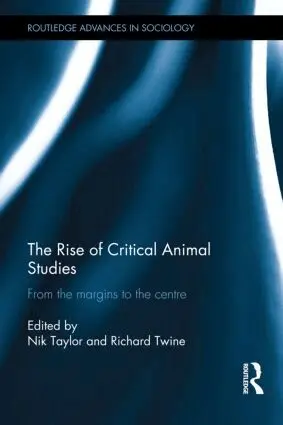
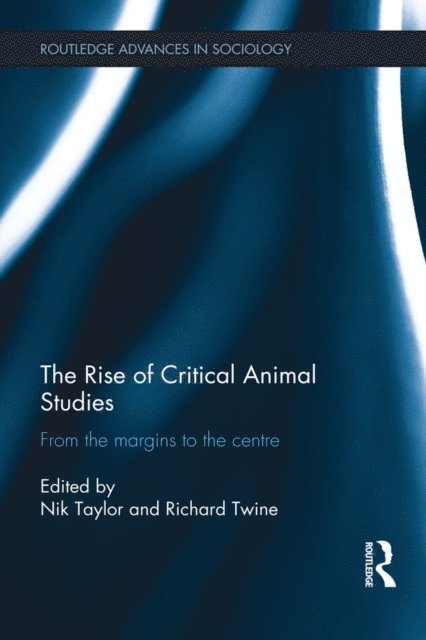
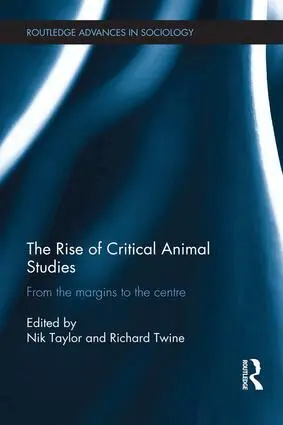
As the scholarly and interdisciplinary study of human/animal relations becomes crucial to the urgent questions of our time, notably in relation to environmental crisis, this collection explores the inner tensions within the relatively new and broad field of animal studies. This provides a platform for the latest critical thinking on the condition and experience of animals. The volume is structured around four sections: engaging theorydoing critical animal studiescritical animal studies and anti-capitalismcontesting the human, liberating the animal: veganism and activism.The Rise of Critical Animal Studies demonstrates the centrality of the contribution of critical animal studies to vitally important contemporary debates and considers future directions for the field. This edited collection will be useful for students and scholars of sociology, gender studies, psychology, geography, and social work.
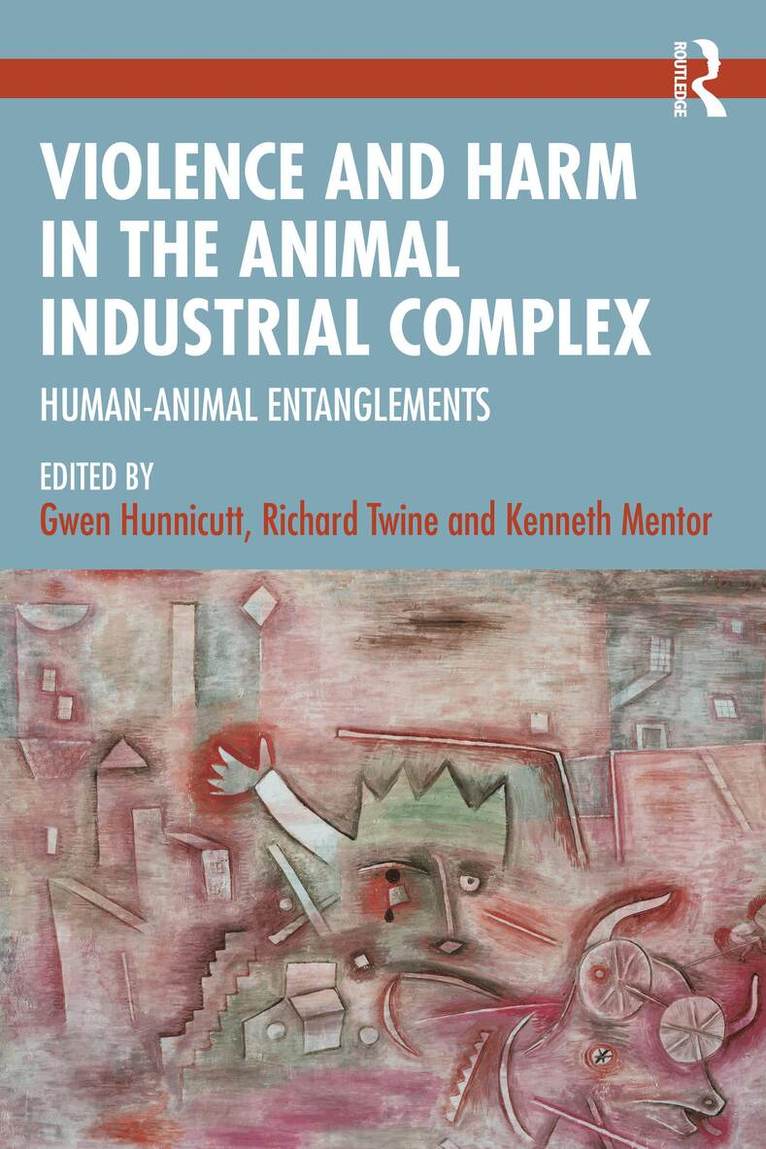
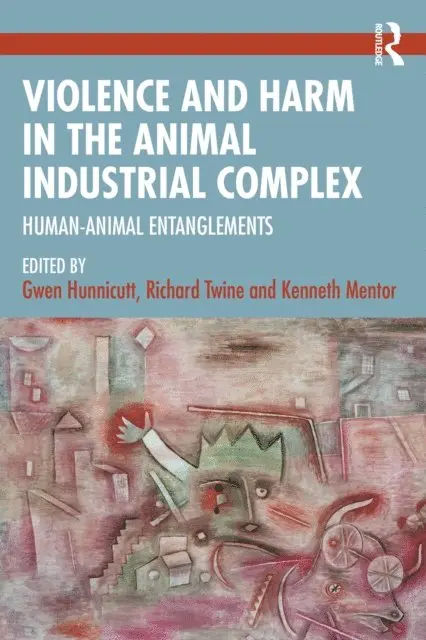
Violence and Harm in the Animal Industrial Complex
Human-Animal Entanglements
Inbunden, Engelska, 2024
1 798 kr
Skickas inom 10-15 vardagar
This book grapples with multispecies violent exploitations embedded in corridors of power within the animal-industrial complex (A-IC). The A-IC is a useful framework for understanding how exploitative human-animal relations are central to capitalist relations and profit accumulation. ‘A-IC-related-violence’ – killing animals for economic gain – has a ripple effect which results in profound consequences for humans as well.This collection of international scholarship explores topics as varied as how A-IC-related-violence is reproduced and sustained through rapidly changing discursive strategies, ideological architecture, and particular cultural forms that elide and legitimize animal cruelty. Several chapters expose collusion between governments, corporations, and academia as central to maintaining dominance of A-IC-related-violence. Other scholars explore the trouble with making the conditions of “meat” production visible – of de-fetishizing meat commodities. The scholarship critically explores dynamic components of an apparatus that enables A-IC-related-violence and harm but is situated within the capitalist order and charts A-IC-related-violence as the key profit-generating practice in select domains of the A-IC.The book unmasks inherent cruelties in a proliferation of social forms that ultimately reflect a socioeconomic system that centralizes capitalist life characterized by endless growth, competitiveness, and profligate consumption. This is essential reading for those engaged in critical criminology, green criminology, violence studies, peace and conflict studies, critical animal studies, or animal rights-oriented scholars.
493 kr
Skickas inom 10-15 vardagar
This book grapples with multispecies violent exploitations embedded in corridors of power within the animal-industrial complex (A-IC). The A-IC is a useful framework for understanding how exploitative human-animal relations are central to capitalist relations and profit accumulation. ‘A-IC-related-violence’ – killing animals for economic gain – has a ripple effect which results in profound consequences for humans as well.This collection of international scholarship explores topics as varied as how A-IC-related-violence is reproduced and sustained through rapidly changing discursive strategies, ideological architecture, and particular cultural forms that elide and legitimize animal cruelty. Several chapters expose collusion between governments, corporations, and academia as central to maintaining dominance of A-IC-related-violence. Other scholars explore the trouble with making the conditions of “meat” production visible – of de-fetishizing meat commodities. The scholarship critically explores dynamic components of an apparatus that enables A-IC-related-violence and harm but is situated within the capitalist order and charts A-IC-related-violence as the key profit-generating practice in select domains of the A-IC.The book unmasks inherent cruelties in a proliferation of social forms that ultimately reflect a socioeconomic system that centralizes capitalist life characterized by endless growth, competitiveness, and profligate consumption. This is essential reading for those engaged in critical criminology, green criminology, violence studies, peace and conflict studies, critical animal studies, or animal rights-oriented scholars.
671 kr
Skickas inom 10-15 vardagar
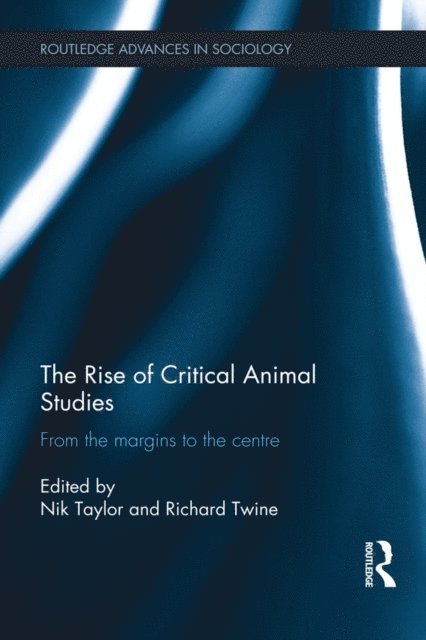
As the scholarly and interdisciplinary study of human/animal relations becomes crucial to the urgent questions of our time, notably in relation to environmental crisis, this collection explores the inner tensions within the relatively new and broad field of animal studies. This provides a platform for the latest critical thinking on the condition and experience of animals. The volume is structured around four sections: engaging theorydoing critical animal studiescritical animal studies and anti-capitalismcontesting the human, liberating the animal: veganism and activism.The Rise of Critical Animal Studies demonstrates the centrality of the contribution of critical animal studies to vitally important contemporary debates and considers future directions for the field. This edited collection will be useful for students and scholars of sociology, gender studies, psychology, geography, and social work.
725 kr
Skickas inom 10-15 vardagar
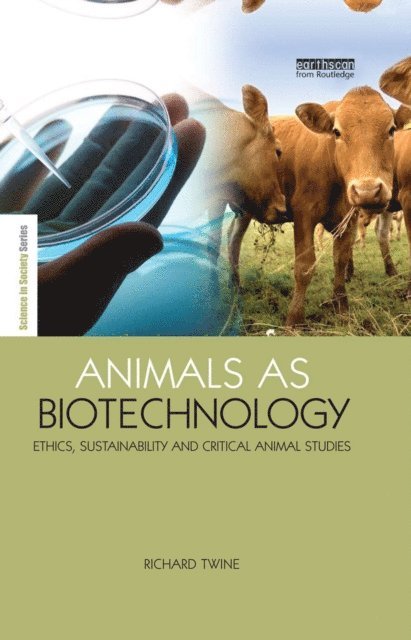
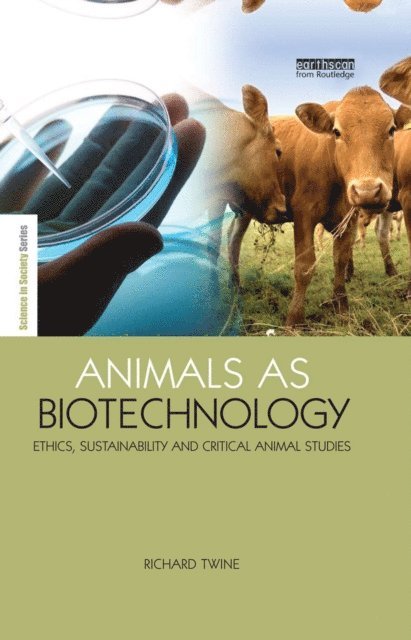
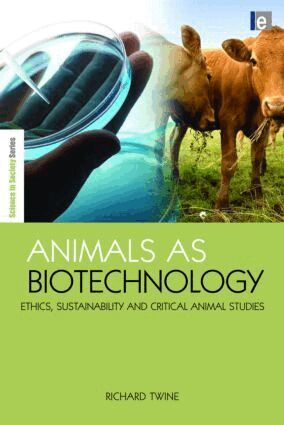
In Animals as Biotechnology sociologist Richard Twine places the question of human/animal relations at the heart of sustainability and climate change debates. The book is shaped by the emergence of two contradictory trends within our approach to nonhuman animals: the biotechnological turn in animal sciences, which aims to increase the efficiency and profitability of meat and dairy production; and the emerging field of critical animal studies - mostly in the humanities and social sciences - which works to question the nature of our relations with other animals. The first part of the book focuses on ethics, examining critically the dominant paradigms of bioethics and power relations between human and non-human. The second part considers animal biotechnology and political economy, examining commercialisation and regulation. The final part of the book centres on discussions of sustainability, limits and an examination of the prospects for animal ethics if biotechnology becomes part of the dominant agricultural paradigm. Twine concludes by considering whether growing calls to reduce our consumption of meat/dairy products in the face of climate change threats are in fact complicit with an anthropocentric understanding of sustainability and that what is needed is a more fundamental ethical and political questioning of relations and distinctions between humans, animals and nature.
479 kr
Skickas inom 5-8 vardagar
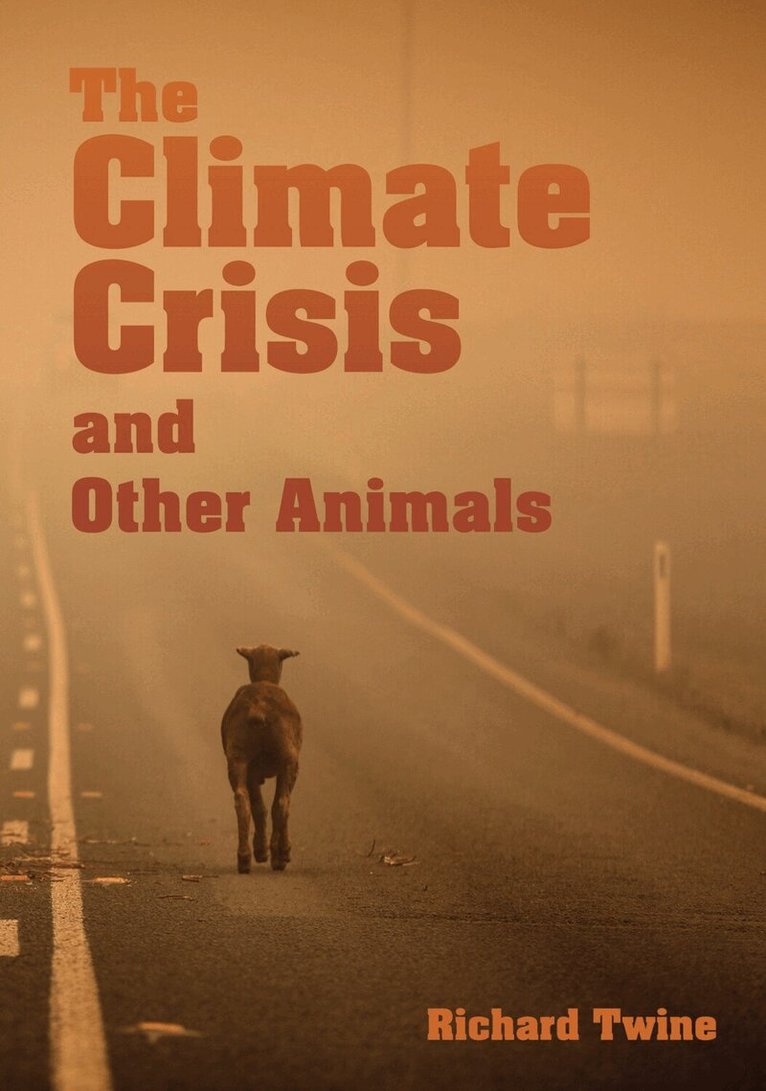
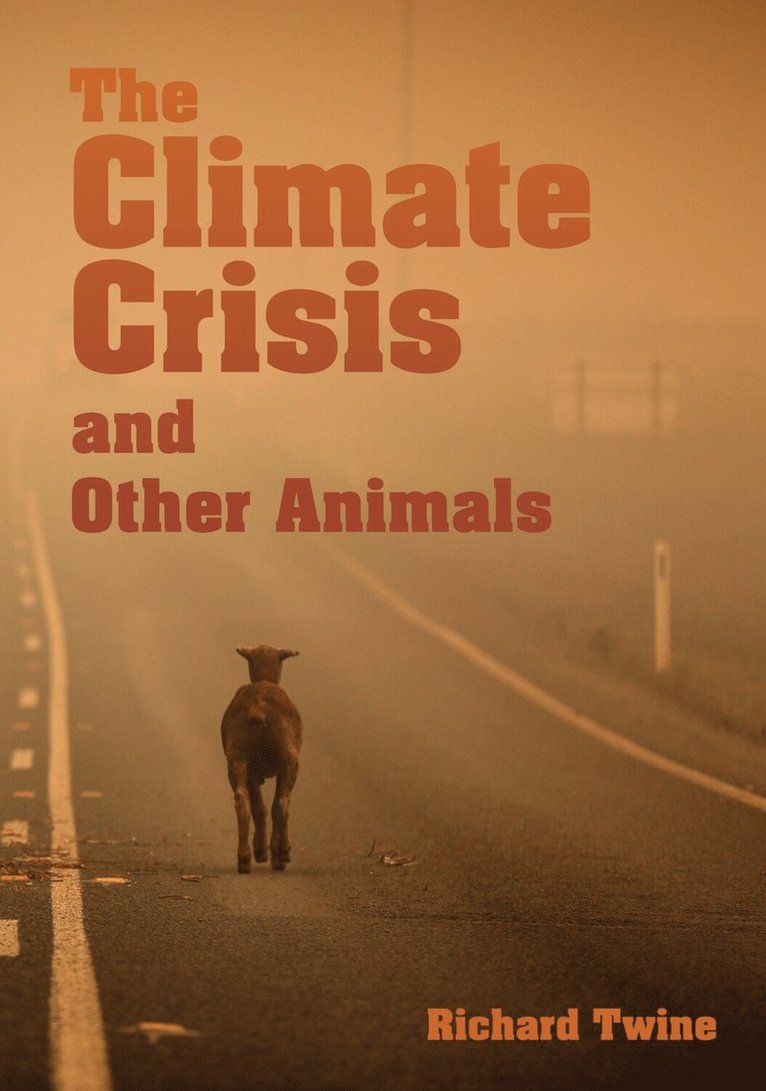
The Climate Crisis and Other Animals is a must-read for anyone who cares about the future of our planet and the animals who live on it. Twine examines the impact of the climate crisis on nonhuman animals and argues for the importance of a climate and food justice movement inclusive of nonhuman animals.The book examines the ways in which climate breakdown is affecting nonhuman animal species and delves deeply into the politicised controversy over the extent of emissions from animal agriculture, demonstrating the markedly lower emissions of eating vegan. Critical of misguided human-centred framings of the climate crisis, Twine makes clear the necessity of including practices of animal commodification, the importance of documenting the effect of a changing climate on other animal species, and the mitigative opportunities of a radical remaking of dominant human–animal relations.The Climate Crisis and Other Animals addresses the emissions impacts of radical land-use changes and the twentieth century scaling-up of animal commodification within the animal-industrial complex, revealing how this system is interwoven in the gendered and racialised histories of capitalism. Twine collates an impressive body of scientific research that demonstrate both the already enormous impact of the climate crisis on the lives of nonhuman animals and the need to tackle the dominance of meat-based cultures.Twine critically explores approaches to food transition and three potentially transformative scenarios for global food systems that could help dismantle the animal-industrial complex and create a more sustainable and just food system. Averting the climate and biodiversity crises requires nothing less than a radical transformation in how we see ourselves in relation to other species.
489 kr
Skickas inom 5-8 vardagar
The Climate Crisis and Other Animals is a must-read for anyone who cares about the future of our planet and the animals who live on it. Twine examines the impact of the climate crisis on nonhuman animals and argues for the importance of a climate and food justice movement inclusive of nonhuman animals.The book examines the ways in which climate breakdown is affecting nonhuman animal species and delves deeply into the politicised controversy over the extent of emissions from animal agriculture, demonstrating the markedly lower emissions of eating vegan. Critical of misguided human-centred framings of the climate crisis, Twine makes clear the necessity of including practices of animal commodification, the importance of documenting the effect of a changing climate on other animal species, and the mitigative opportunities of a radical remaking of dominant human–animal relations.The Climate Crisis and Other Animals addresses the emissions impacts of radical land-use changes and the twentieth century scaling-up of animal commodification within the animal-industrial complex, revealing how this system is interwoven in the gendered and racialised histories of capitalism. Twine collates an impressive body of scientific research that demonstrate both the already enormous impact of the climate crisis on the lives of nonhuman animals and the need to tackle the dominance of meat-based cultures.Twine critically explores approaches to food transition and three potentially transformative scenarios for global food systems that could help dismantle the animal-industrial complex and create a more sustainable and just food system. Averting the climate and biodiversity crises requires nothing less than a radical transformation in how we see ourselves in relation to other species.
2 290 kr
Skickas inom 7-10 vardagar
In Animals as Biotechnology sociologist Richard Twine places the question of human/animal relations at the heart of sustainability and climate change debates. The book is shaped by the emergence of two contradictory trends within our approach to nonhuman animals: the biotechnological turn in animal sciences, which aims to increase the efficiency and profitability of meat and dairy production; and the emerging field of critical animal studies - mostly in the humanities and social sciences - which works to question the nature of our relations with other animals. The first part of the book focuses on ethics, examining critically the dominant paradigms of bioethics and power relations between human and non-human. The second part considers animal biotechnology and political economy, examining commercialisation and regulation. The final part of the book centres on discussions of sustainability, limits and an examination of the prospects for animal ethics if biotechnology becomes part of the dominant agricultural paradigm. Twine concludes by considering whether growing calls to reduce our consumption of meat/dairy products in the face of climate change threats are in fact complicit with an anthropocentric understanding of sustainability and that what is needed is a more fundamental ethical and political questioning of relations and distinctions between humans, animals and nature.