Richard W Franke – författare
Visar alla böcker från författaren Richard W Franke. Handla med fri frakt och snabb leverans.
10 produkter
Toppling the First Ministry
Kerala, the Cia, and the Struggle for Social Justice
Av T M Thomas Isaac, Richard W Franke
Häftad, 2025
291 kr
Lägg i varukorg
Life Is A Little Better
Redistribution As A Development Strategy In Nadur Village, Kerala
Inbunden, 2019
2512 kr
Lägg i varukorg
This ethnography of Nadur Village explores the ramifications of Kerala State's policy of wealth redistribution to achieve equality. The author shows a decline in income inequality and an improved quality of life for most villagers despite high unemployment, low incomes and the persistence of …
Life Is A Little Better
Redistribution As A Development Strategy In Nadur Village, Kerala
Häftad, 2021
691 kr
Lägg i varukorg
This ethnography of Nadur Village explores the ramifications of Kerala State's policy of wealth redistribution to achieve equality. The author shows a decline in income inequality and an improved quality of life for most villagers despite high unemployment, low incomes and the persistence of …
Life Is A Little Better
Redistribution As A Development Strategy In Nadur Village, Kerala
E-bok, 2019
788 kr
Lägg i varukorg
This ethnography of Nadur Village explores the ramifications of Kerala State''s policy of wealth redistribution to achieve equality. The author shows a decline in income inequality and an improved quality of life for most villagers despite high unemployment, low incomes and the persistence of …
Life Is A Little Better
Redistribution As A Development Strategy In Nadur Village, Kerala
E-bok, 2019
814 kr
Lägg i varukorg
This ethnography of Nadur Village explores the ramifications of Kerala State''s policy of wealth redistribution to achieve equality. The author shows a decline in income inequality and an improved quality of life for most villagers despite high unemployment, low incomes and the persistence of …
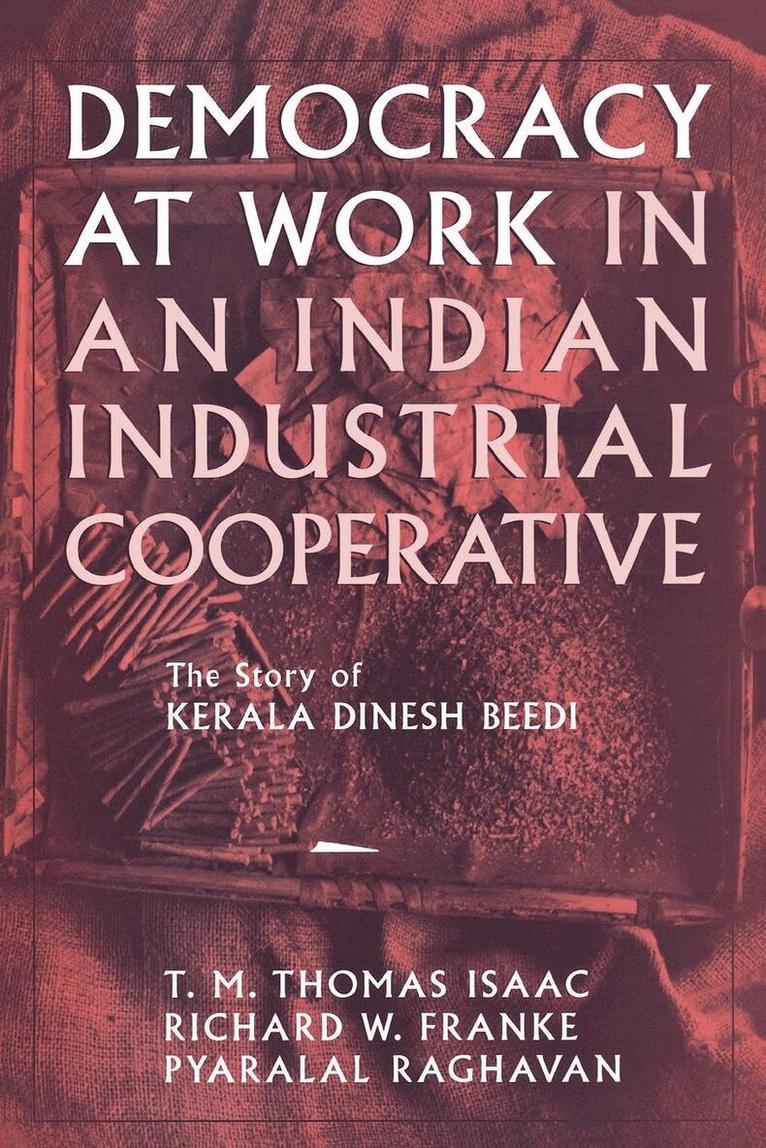
Democracy at Work in an Indian Industrial Cooperative
The Story of Kerala Dinesh Beedi
Av Richard W. Franke, Pyralal Raghavan m. fl.
Inbunden, 1998
1646 kr
Lägg i varukorg
The authors tell the story of a democratic workers' cooperative that makes hand-rolled cigarettes, known as "beedis," in the unorganized sector of a fiercely competitive capitalist economy in India. For decades, beedi workers have been among the most exploited and impoverished of India's work …
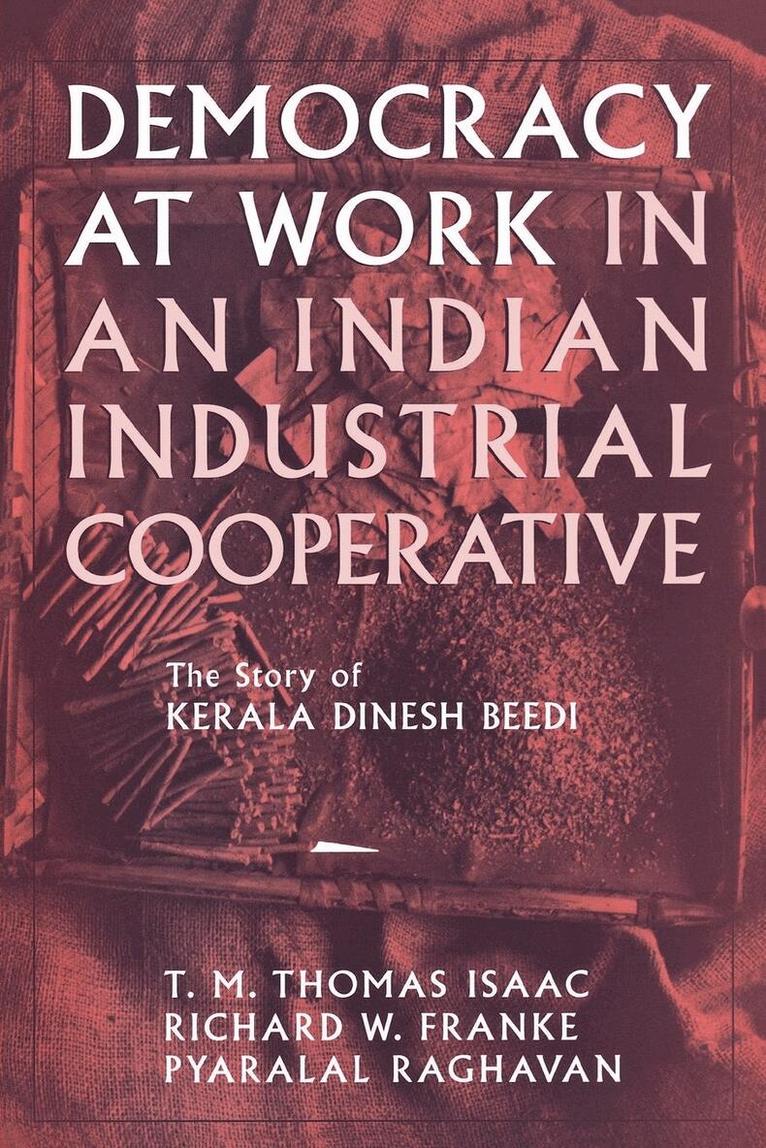
Democracy at Work in an Indian Industrial Cooperative
The Story of Kerala Dinesh Beedi
Av Richard W. Franke, Pyralal Raghavan m. fl.
Häftad, 1998
544 kr
Lägg i varukorg
The authors tell the story of a democratic workers' cooperative that makes hand-rolled cigarettes, known as "beedis," in the unorganized sector of a fiercely competitive capitalist economy in India. For decades, beedi workers have been among the most exploited and impoverished of India's work …
Toppling the First Ministry
Kerala, the Cia, and the Struggle for Social Justice
Av T M Thomas Isaac, Richard W Franke
Inbunden, 2025
1488 kr
Lägg i varukorg
Striving for Sustainability: Environmental Stress and Democratic Initiatives in Kerala
Av Richard W. Franke, Srikumar Chattopadhyay
E-bok, 2010
4583 kr
Lägg i varukorg
True to its ideology and philosophy, Islam as a Faith and religion stands for total submission to Almighty, who is the creator of universe and supreme authority for all the worlds. He is also the master of the Day of Judgment. Today, Islam is known as the progressive religion, promoted and preached …
Seeds of Famine
Ecological Destruction and the Development Dilemma in the West African Sahel
Inbunden, 1992
485 kr
Tillfälligt slut