Richard W. Hatcher – författare
Visar alla böcker från författaren Richard W. Hatcher. Handla med fri frakt och snabb leverans.
2 produkter
2 produkter
Häftad, Engelska, 2006
221 kr
Skickas inom 10-15 vardagar
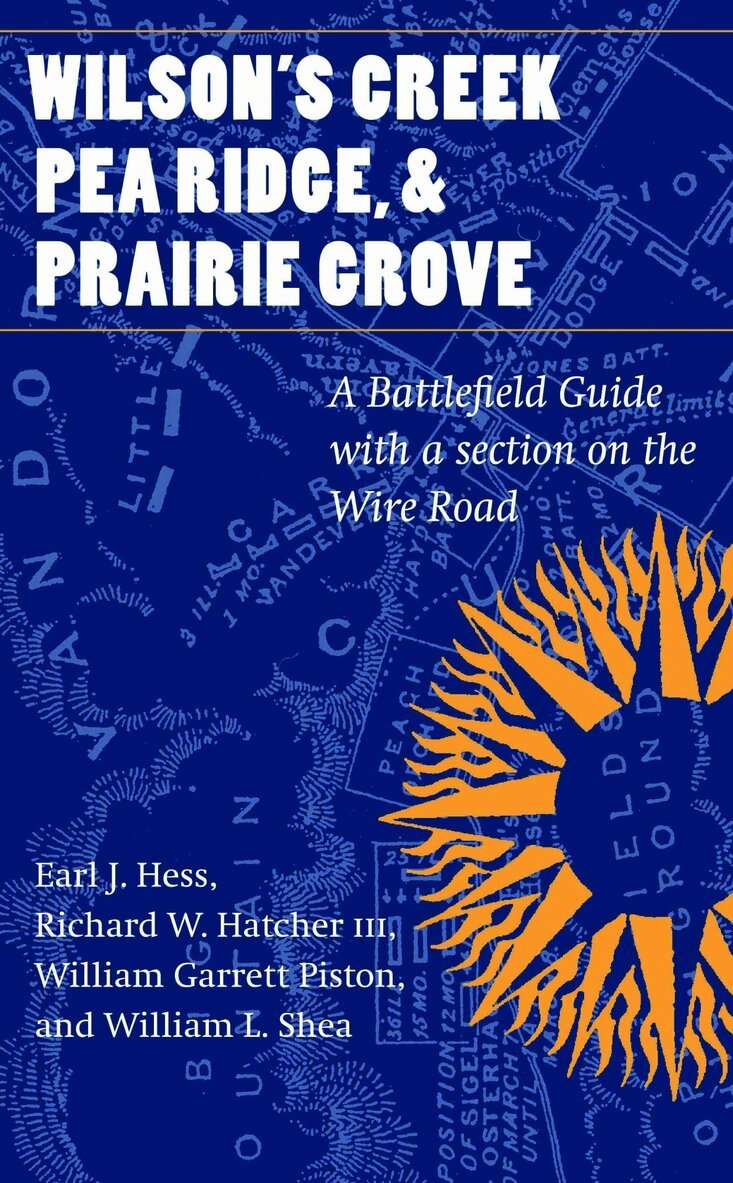
Wilson's Creek, Pea Ridge, and Prairie Grove were three of the most important battles fought west of the Mississippi River during the Civil War. They influenced the course of the first half of the war in that region by shaping Union military efforts while significantly contributing to Confederate defeat. Wilson's Creek, Pea Ridge, and Prairie Grove, the first book to provide a detailed guide to these battlefields, takes the visitor step-by-step through the major sites of each engagement. With numerous maps and illustrations that enhance the authors' descriptions of what happened at each stop, the book also includes analytical accounts explaining tactical problems associated with each battle as well as vignettes evoking for readers the personal experience of those who fought there. An indispensable companion for the battlefield visitor, this guide offers not only touring information and driving tours of sites associated with the campaigns that led to the battles, but also a brief history of each battle and an overview of the larger strategy and tactics of the military action in which these battles figured.
E-bok
Engelska, 2023153 kr
Läs direkt efter köp
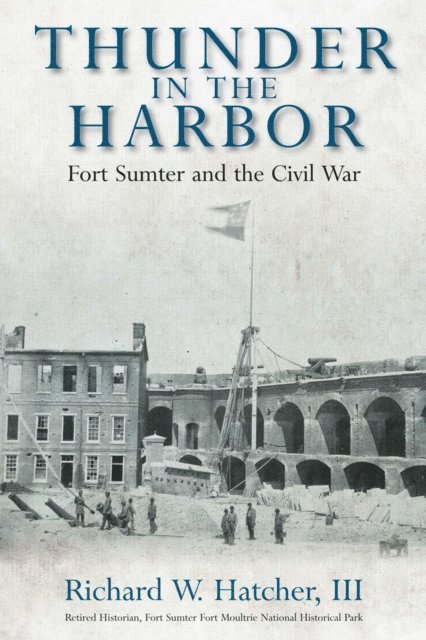
“A detailed, authoritative, and expansive new study of the centerpiece of Charleston’s defensive network.” — Pat Brennan, co-author of Gettysburg in ColorFort Sumter. Charleston. April 1861. The start of the Civil War. The bombardment and surrender of Sumter were only the beginning of the story. Both sides understood the military significance of the fort and the busy seaport, which played host to one of the longest and most complicated and fascinating campaigns of the entire Civil War. Richard Hatcher’s Thunder in the Harbor: Fort Sumter and the Civil War is the first modern study to document the fort from its origins, through the war, and up to its transfer to the National Park Service in 1948.After its surrender, Southern troops immediately occupied and improved Sumter’s defenses. The U.S. blockaded Charleston Harbor and for two years the fort, with its 84 heavy guns and a 500-man garrison, remained mostly untested. That changed in July 1863 when a powerful combined operation set its sights on the fort, Charleston, and its outer defenses. The result was a grueling 22-month land and sea siege—the longest of the Civil War. The complex effort included ironclad attacks, land assaults, raiding parties, and siege operations. Some of the war’s most famous events unfolded there, including the assault against Battery Wagner, led by the 54th Massachusetts Infantry Regiment (depicted in the movie Glory), the shelling of the city by the “Swamp Angel,” and the beginning of submarine warfare when the H. L. Hunley sank the USS Housatonic and was herself lost at sea. The destruction of Fort Sumter remained a key Federal objective throughout the siege. Despite repeated concentrated bombardments of the fort and the city, Sumter never fell.The defiant fort, Charleston, and its defensive lines were evacuated in February 1865 once word arrived that Maj. Gen. William T. Sherman approached Columbia, South Carolina. Hatcher, the former historian at Fort Sumter Fort Moultrie National Historical Park, mined a host of primary sources to produce an in-depth and fascinating account of the intricacies, complexities, and importance of this campaign to the overall war effort.Nearly 18 months of shelling had rendered Fort Sumter almost unrecognizable, but the significance of its location remained. During the eight decades that followed, the United States invested millions of dollars and thousands of hours rebuilding and rearming the fort to face potential foreign threats in three different wars. By the end of World War II, sea and air power had made Sumter obsolete, and the fort was transferred to the National Park Service.Thunder in the Harbor fills a large gap in the historiography and underscores that there is still much to learn about our endlessly fascinating Civil War.