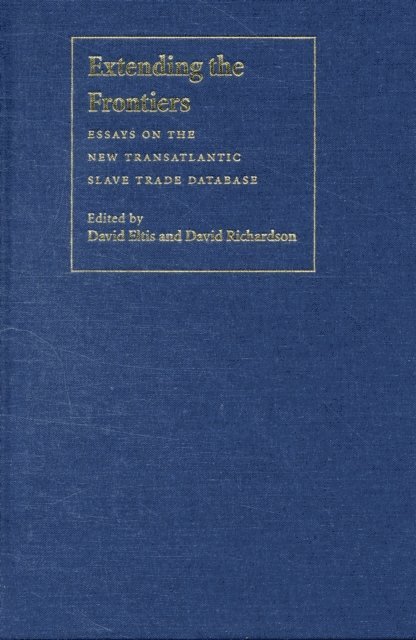
Since 1999, intensive research efforts have vastly increased what is known about the history of coerced migration of transatlantic slaves. A huge database of slave trade voyages from Columbus’s era to the mid-nineteenth century is now available on an open-access Web site, incorporating newly discovered information from archives around the Atlantic world. The groundbreaking essays in this book draw on these new data to explore fundamental questions about the trade in African slaves. The research findings—that the size of the slave trade was 14 percent greater than had been estimated, that trade above and below the equator was largely separate, that ports sending out the most slave voyages were not in Europe but in Brazil, and more—challenge accepted understandings of transatlantic slavery and suggest a variety of new directions for important further research. For the most complete database on slave trade voyages ever compiled, visit www.slavevoyages.org.
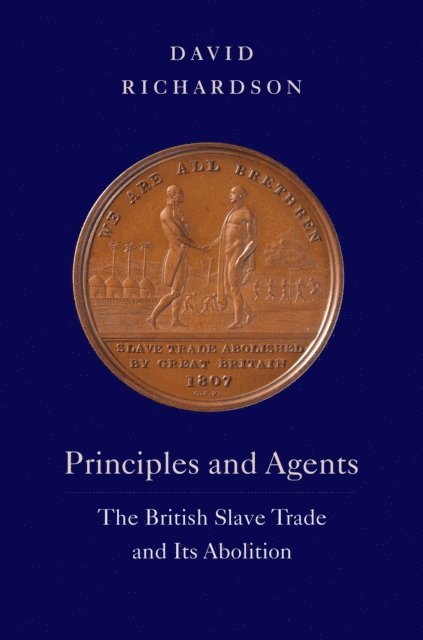
A new history of the abolition of the British slave trade "e;Easily the most scholarly, clear and persuasive analysis yet published of the rise to dominance of the British in the Atlantic slave trade-as well as the implementation of abolition when that dominance was its peak."e;-David Eltis, co-author of Atlas of the Transatlantic Slave Trade Parliament's decision in 1807 to outlaw British slaving was a key moment in modern world history. In this magisterial work, historian David Richardson challenges claims that this event was largely due to the actions of particular individuals and emphasizes instead that abolition of the British slave trade relied on the power of ordinary people to change the world. British slaving and opposition to it grew in parallel through the 1760s and then increasingly came into conflict both in the public imagination and in political discourse. Looking at the ideological tensions between Britons' sense of themselves as free people and their willingness to enslave Africans abroad, Richardson shows that from the 1770s those simmering tensions became politicized even as British slaving activities reached unprecedented levels, mobilizing public opinion to coerce Parliament to confront and begin to resolve the issue between 1788 and 1807.
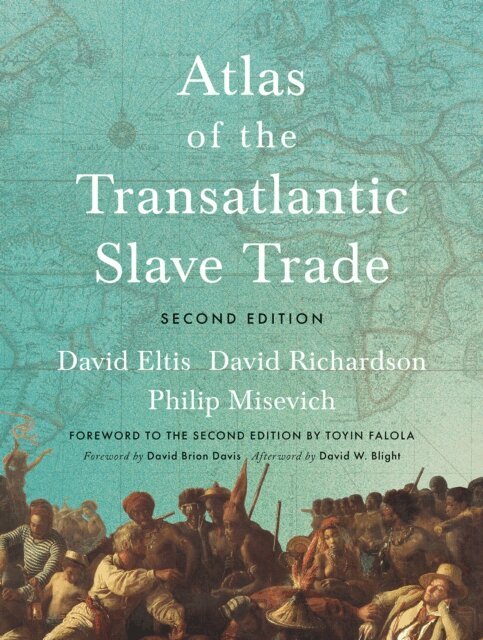
A monumental cartographic history of the African slave trade, updated and expanded in a new edition In the first edition of Atlas of the Transatlantic Slave Trade, two leading historians explored details of the 350-year history of African slave traffic to the New World. They showed, with nearly 200 original maps, where the captives came from, how long the journeys lasted, how many died on the voyages, and what the ports and destinations were. They also presented details about the trade itself, including the economics. In this groundbreaking revised edition, 25 new maps locate the major language groups involved in the traffic and show the movement of Africans from the interior of the continent to the Americas, as well as from one part of the Americas to another. Accompanying the maps, as in the first edition, are revealing illustrations and contemporary literary selections, including poems, letters, and diary entries. With up-to-date information drawn from the database Slave Voyages (www.slavevoyages.org), with its records of more than 36,000 voyages, the atlas provides the fullest possible picture of the extent and inhumanity of one of the largest forced migrations in history.
Since 1999, intensive research efforts have vastly increased what is known about the history of coerced migration of transatlantic slaves. A huge database of slave trade voyages from Columbus’s era to the mid-nineteenth century is now available on an open-access Web site, incorporating newly discovered information from archives around the Atlantic world. The groundbreaking essays in this book draw on these new data to explore fundamental questions about the trade in African slaves. The research findings—that the size of the slave trade was 14 percent greater than had been estimated, that trade above and below the equator was largely separate, that ports sending out the most slave voyages were not in Europe but in Brazil, and more—challenge accepted understandings of transatlantic slavery and suggest a variety of new directions for important further research. For the most complete database on slave trade voyages ever compiled, visit www.slavevoyages.org.
A new history of the abolition of the British slave trade "e;Easily the most scholarly, clear and persuasive analysis yet published of the rise to dominance of the British in the Atlantic slave trade-as well as the implementation of abolition when that dominance was its peak."e;-David Eltis, co-author of Atlas of the Transatlantic Slave Trade Parliament's decision in 1807 to outlaw British slaving was a key moment in modern world history. In this magisterial work, historian David Richardson challenges claims that this event was largely due to the actions of particular individuals and emphasizes instead that abolition of the British slave trade relied on the power of ordinary people to change the world. British slaving and opposition to it grew in parallel through the 1760s and then increasingly came into conflict both in the public imagination and in political discourse. Looking at the ideological tensions between Britons' sense of themselves as free people and their willingness to enslave Africans abroad, Richardson shows that from the 1770s those simmering tensions became politicized even as British slaving activities reached unprecedented levels, mobilizing public opinion to coerce Parliament to confront and begin to resolve the issue between 1788 and 1807.
A monumental cartographic history of the African slave trade, updated and expanded in a new edition In the first edition of Atlas of the Transatlantic Slave Trade, two leading historians explored details of the 350-year history of African slave traffic to the New World. They showed, with nearly 200 original maps, where the captives came from, how long the journeys lasted, how many died on the voyages, and what the ports and destinations were. They also presented details about the trade itself, including the economics. In this groundbreaking revised edition, 25 new maps locate the major language groups involved in the traffic and show the movement of Africans from the interior of the continent to the Americas, as well as from one part of the Americas to another. Accompanying the maps, as in the first edition, are revealing illustrations and contemporary literary selections, including poems, letters, and diary entries. With up-to-date information drawn from the database Slave Voyages (www.slavevoyages.org), with its records of more than 36,000 voyages, the atlas provides the fullest possible picture of the extent and inhumanity of one of the largest forced migrations in history.