Richmond Alake – författare
Visar alla böcker från författaren Richmond Alake. Handla med fri frakt och snabb leverans.
3 produkter
3 produkter
Häftad, Engelska, 2020
1 110 kr
Skickas inom 5-8 vardagar
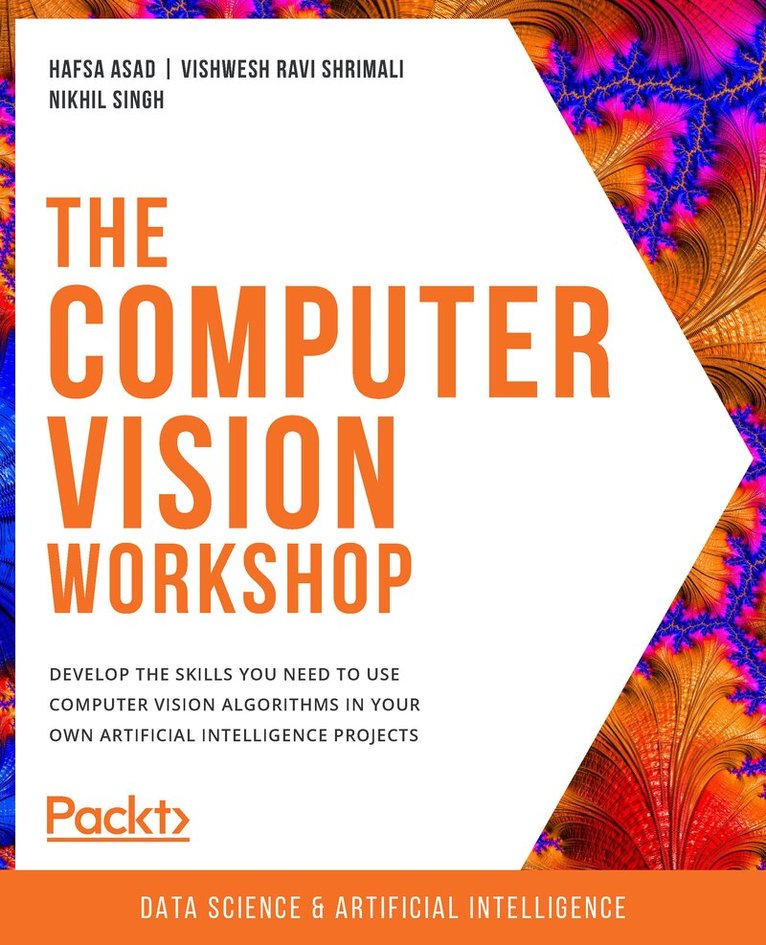
Explore the potential of deep learning techniques in computer vision applications using the Python ecosystem, and build real-time systems for detecting human behaviorKey FeaturesUnderstand OpenCV and select the right algorithm to solve real-world problemsDiscover techniques for image and video processingLearn how to apply face recognition in videos to automatically extract key informationBook DescriptionComputer Vision (CV) has become an important aspect of AI technology. From driverless cars to medical diagnostics and monitoring the health of crops to fraud detection in banking, computer vision is used across all domains to automate tasks. The Computer Vision Workshop will help you understand how computers master the art of processing digital images and videos to mimic human activities.Starting with an introduction to the OpenCV library, you'll learn how to write your first script using basic image processing operations. You'll then get to grips with essential image and video processing techniques such as histograms, contours, and face processing. As you progress, you'll become familiar with advanced computer vision and deep learning concepts, such as object detection, tracking, and recognition, and finally shift your focus from 2D to 3D visualization. This CV course will enable you to experiment with camera calibration and explore both passive and active canonical 3D reconstruction methods.By the end of this book, you'll have developed the practical skills necessary for building powerful applications to solve computer vision problems.What you will learnAccess and manipulate pixels in OpenCV using BGR and grayscale imagesCreate histograms to better understand image contentUse contours for shape analysis, object detection, and recognitionTrack objects in videos using a variety of trackers available in OpenCVDiscover how to apply face recognition tasks using computer vision techniquesVisualize 3D objects in point clouds and polygon meshes using Open3DWho this book is forIf you are a researcher, developer, or data scientist looking to automate everyday tasks using computer vision, this workshop is for you. A basic understanding of Python and deep learning will help you to get the most out of this workshop.
E-bok
Engelska, 2025664 kr
Läs direkt efter köp
Master retrieval-augmented generation architecture and fine-tune your AI stack, along with discovering real-world use cases and best practices to create powerful AI apps
Key Features
Get to grips with the fundamentals of LLMs, vector databases, and Python frameworksImplement effective retrieval-augmented generation strategies with MongoDB AtlasOptimize AI models for performance and accuracy with model compression and deployment optimizationPurchase of the print or Kindle book includes a free PDF eBookBook Description
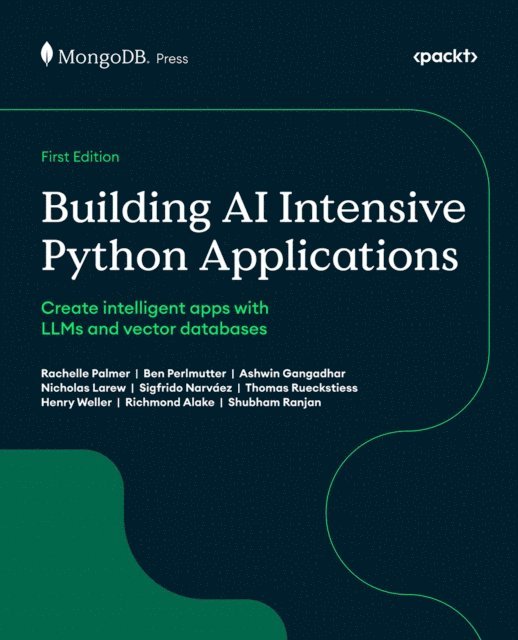
The era of generative AI is upon us, and this book serves as a roadmap to harness its full potential. With its help, you’ll learn the core components of the AI stack: large language models (LLMs), vector databases, and Python frameworks, and see how these technologies work together to create intelligent applications.The chapters will help you discover best practices for data preparation, model selection, and fine-tuning, and teach you advanced techniques such as retrieval-augmented generation (RAG) to overcome common challenges, such as hallucinations and data leakage. You’ll get a solid understanding of vector databases, implement effective vector search strategies, refine models for accuracy, and optimize performance to achieve impactful results. You’ll also identify and address AI failures to ensure your applications deliver reliable and valuable results. By evaluating and improving the output of LLMs, you’ll be able to enhance their performance and relevance.By the end of this book, you’ll be well-equipped to build sophisticated AI applications that deliver real-world value.What you will learn
Understand the architecture and components of the generative AI stackExplore the role of vector databases in enhancing AI applicationsMaster Python frameworks for AI developmentImplement Vector Search in AI applicationsFind out how to effectively evaluate LLM outputOvercome common failures and challenges in AI developmentWho this book is for
This book is for software engineers and developers looking to build intelligent applications using generative AI. While the book is suitable for beginners, a basic understanding of Python programming is required to make the most of it.
Häftad, Engelska, 2024
911 kr
Skickas inom 5-8 vardagar
Master retrieval-augmented generation architecture and fine-tune your AI stack, along with discovering real-world use cases and best practices to create powerful AI appsKey FeaturesGet to grips with the fundamentals of LLMs, vector databases, and Python frameworksImplement effective retrieval-augmented generation strategies with MongoDB AtlasOptimize AI models for performance and accuracy with model compression and deployment optimizationPurchase of the print or Kindle book includes a free PDF eBookBook DescriptionThe era of generative AI is upon us, and this book serves as a roadmap to harness its full potential. With its help, you’ll learn the core components of the AI stack: large language models (LLMs), vector databases, and Python frameworks, and see how these technologies work together to create intelligent applications.The chapters will help you discover best practices for data preparation, model selection, and fine-tuning, and teach you advanced techniques such as retrieval-augmented generation (RAG) to overcome common challenges, such as hallucinations and data leakage. You’ll get a solid understanding of vector databases, implement effective vector search strategies, refine models for accuracy, and optimize performance to achieve impactful results. You’ll also identify and address AI failures to ensure your applications deliver reliable and valuable results. By evaluating and improving the output of LLMs, you’ll be able to enhance their performance and relevance.By the end of this book, you’ll be well-equipped to build sophisticated AI applications that deliver real-world value.What you will learnUnderstand the architecture and components of the generative AI stackExplore the role of vector databases in enhancing AI applicationsMaster Python frameworks for AI developmentImplement Vector Search in AI applicationsFind out how to effectively evaluate LLM outputOvercome common failures and challenges in AI developmentWho this book is forThis book is for software engineers and developers looking to build intelligent applications using generative AI. While the book is suitable for beginners, a basic understanding of Python programming is required to make the most of it.