Rik Peeters – författare
Visar alla böcker från författaren Rik Peeters. Handla med fri frakt och snabb leverans.
8 produkter
Algorithmic Society
Technology, Power, and Knowledge
Av Marc Schuilenburg, Rik Peeters
Inbunden, 2020
2512 kr
Lägg i varukorg
We live in an algorithmic society. Algorithms have become the main mediator through which power is enacted in our society. This book brings together three academic fields – Public Administration, Criminal Justice and Urban Governance – into a single conceptual framework, and offers a broad …
Algorithmic Society
Technology, Power, and Knowledge
Av Marc Schuilenburg, Rik Peeters
Häftad, 2022
691 kr
Lägg i varukorg
We live in an algorithmic society. Algorithms have become the main mediator through which power is enacted in our society. This book brings together three academic fields – Public Administration, Criminal Justice and Urban Governance – into a single conceptual framework, and offers a broad …
Algorithmic Society
Technology, Power, and Knowledge
Av Rik Peeters, Marc Schuilenburg
E-bok, 2020
796 kr
Lägg i varukorg
We live in an algorithmic society. Algorithms have become the main mediator through which power is enacted in our society. This book brings together three academic fields – Public Administration, Criminal Justice and Urban Governance – into a single conceptual framework, and offers a broad …
Algorithmic Society
Technology, Power, and Knowledge
Av Rik Peeters, Marc Schuilenburg
E-bok, 2020
814 kr
Lägg i varukorg
We live in an algorithmic society. Algorithms have become the main mediator through which power is enacted in our society. This book brings together three academic fields – Public Administration, Criminal Justice and Urban Governance – into a single conceptual framework, and offers a broad …
Algorithmic Society
Technology, Power, and Knowledge
Av Marc Schuilenburg, Rik Peeters
Häftad, 2026
648 kr
Lägg i varukorg
We live in an algorithmic society. Artificial intelligence (AI) and algorithms have become the main mediators through which power and knowledge are enacted in our society. This book brings together three academic fields – Public Administration, Criminal Justice, and Urban Governance – into a single …
Algorithmic Society
Technology, Power, and Knowledge
Av Marc Schuilenburg, Rik Peeters
Inbunden, 2026
2512 kr
Lägg i varukorg
We live in an algorithmic society. Artificial intelligence (AI) and algorithms have become the main mediators through which power and knowledge are enacted in our society. This book brings together three academic fields – Public Administration, Criminal Justice, and Urban Governance – into a single …
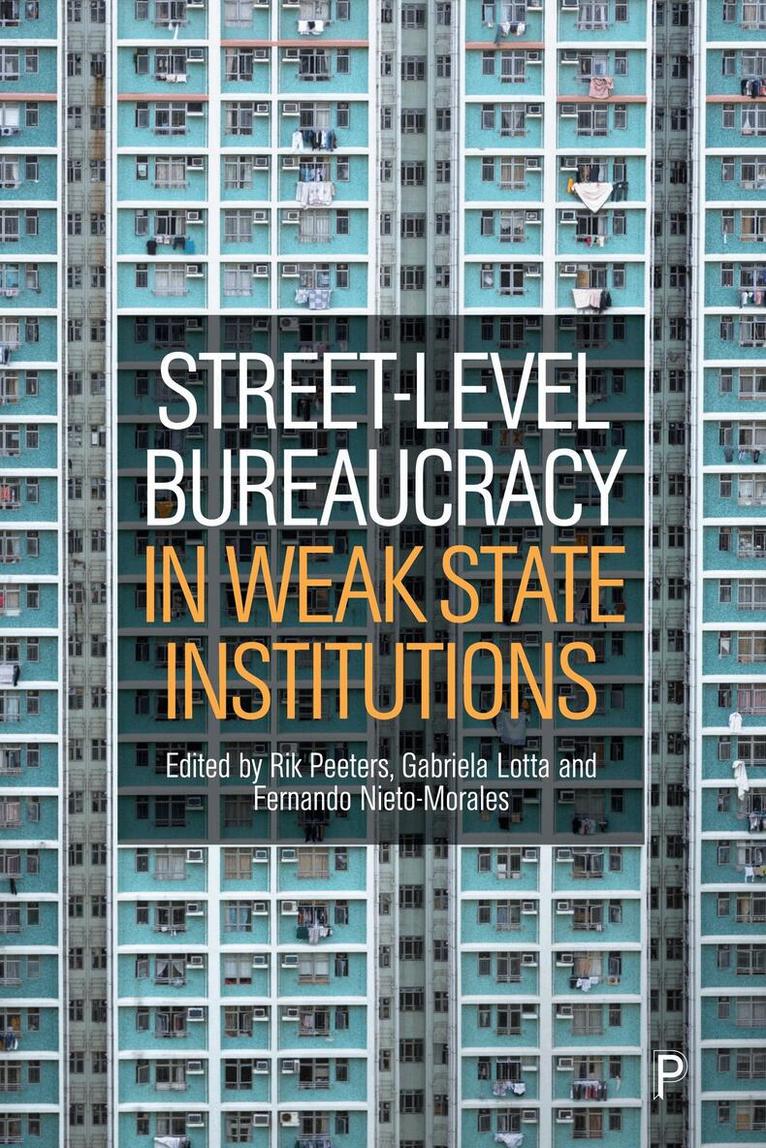
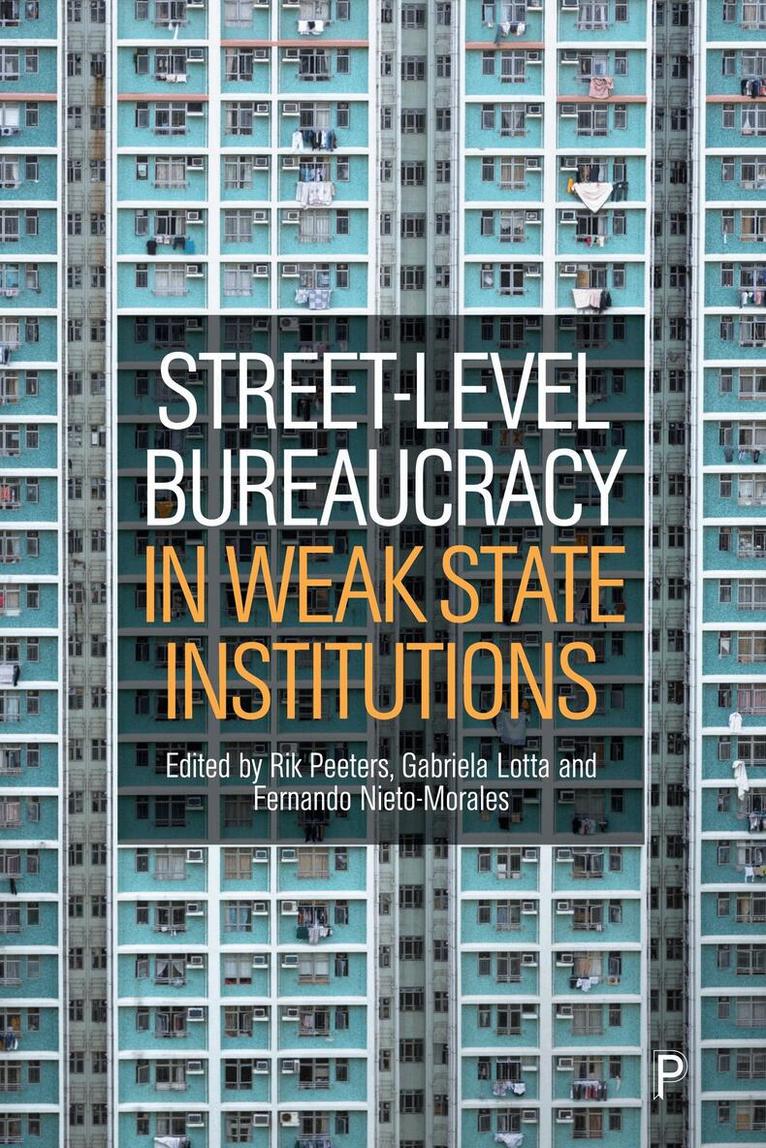
Street-Level Bureaucracy in Weak State Institutions
Av Rik Peeters, Gabriela Lotta m. fl.
Inbunden, 2024
1200 kr
Lägg i varukorg
In this book, street-level bureaucracy scholars from South Asia, sub-Saharan Africa, the Middle East, and Latin America analyse the conditions that shape frontline work and citizens´ everyday experience of the state.Institutional factors such as political clientelism, resource scarcity, social …
Street-Level Bureaucracy in Weak State Institutions
Av Rik Peeters, Gabriela Lotta m. fl.
Häftad, 2025
398 kr
Lägg i varukorg
In this book, street-level bureaucracy scholars from South Asia, sub-Saharan Africa, the Middle East, and Latin America analyse the conditions that shape frontline work and citizens´ everyday experience of the state.Institutional factors such as political clientelism, resource scarcity, social …