Rita Faria – författare
Visar alla böcker från författaren Rita Faria. Handla med fri frakt och snabb leverans.
13 produkter
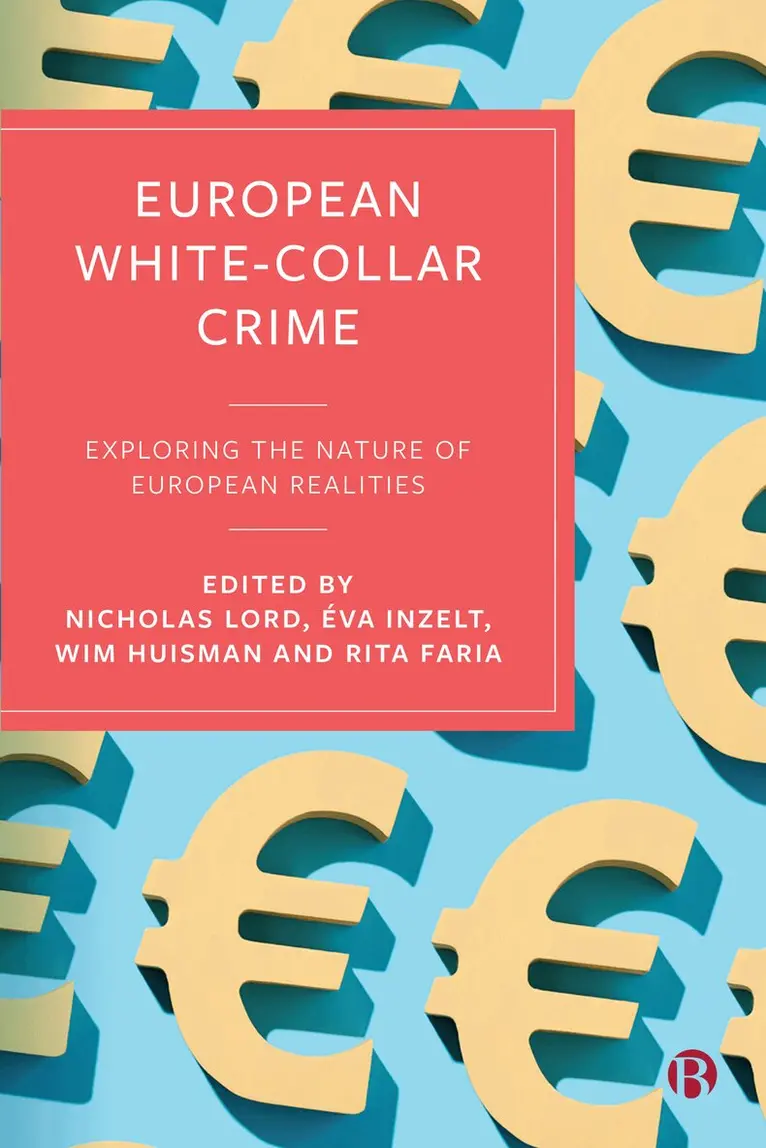
European White-Collar Crime
Exploring the Nature of European Realities
Av Nicholas Lord, Nicholas Lord m. fl.
Inbunden, 2021
1268 kr
Lägg i varukorg
From corporate corruption and the facilitation of money laundering, to food fraud and labour exploitation, European citizens continue to be confronted by serious corporate and white-collar crimes. Presenting an original series of provocative essays, this book offers a European framing of …
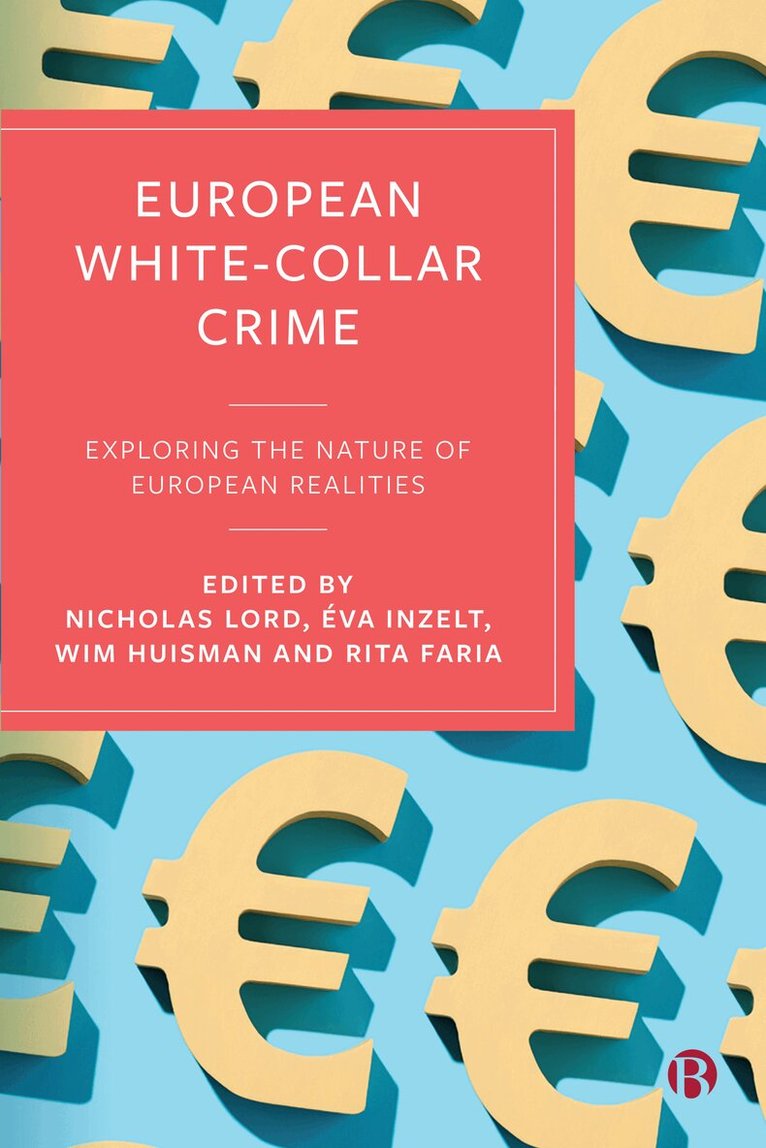
European White-Collar Crime
Exploring the Nature of European Realities
Av Nicholas Lord, Eva Inzelt m. fl.
Häftad, 2022
427 kr
Lägg i varukorg
From corporate corruption and the facilitation of money laundering, to food fraud and labour exploitation, European citizens continue to be confronted by serious corporate and white-collar crimes. Presenting an original series of provocative essays, this book offers a European framing of …
European White-Collar Crime
Exploring the Nature of European Realities
Av Rita Faria, Wim Huisman m. fl.
E-bok, 2021
440 kr
Lägg i varukorg
From corporate corruption and the facilitation of money laundering, to food fraud and labour exploitation, European citizens continue to be confronted by serious corporate and white-collar crimes. Presenting an original series of provocative essays, this book offers a European framing of …
European White-Collar Crime
Exploring the Nature of European Realities
Av Rita Faria, Wim Huisman m. fl.
E-bok, 2021
1688 kr
Lägg i varukorg
From corporate corruption and the facilitation of money laundering, to food fraud and labour exploitation, European citizens continue to be confronted by serious corporate and white-collar crimes. Presenting an original series of provocative essays, this book offers a European framing of …
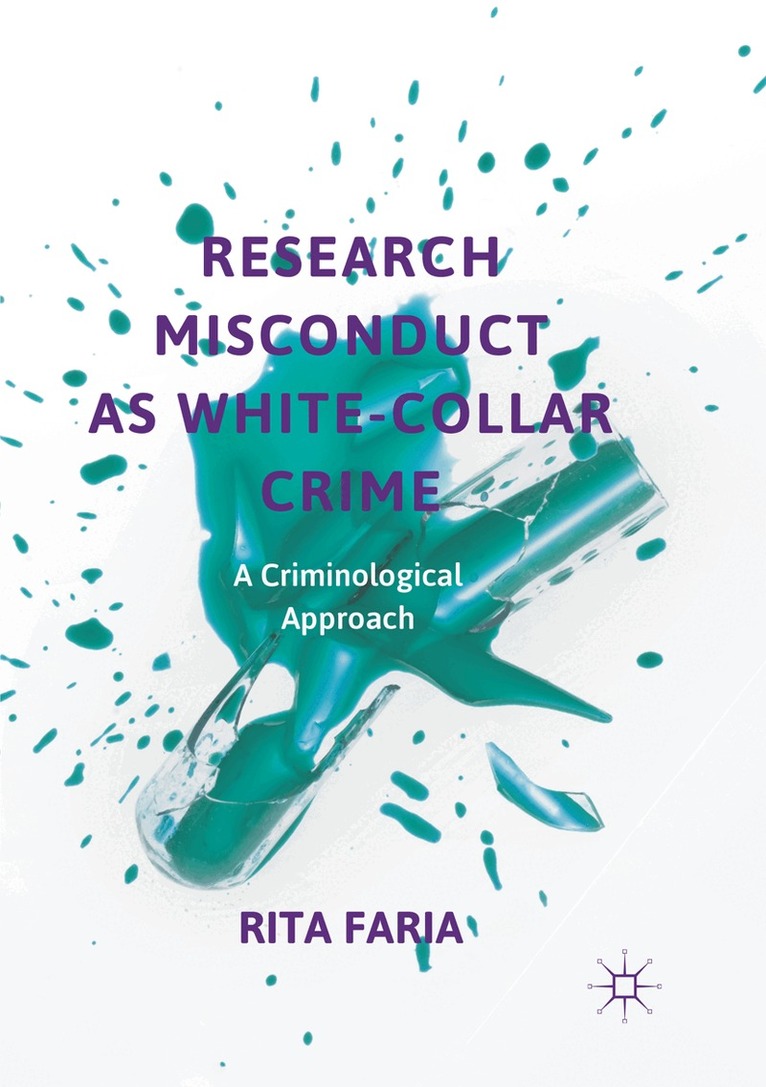
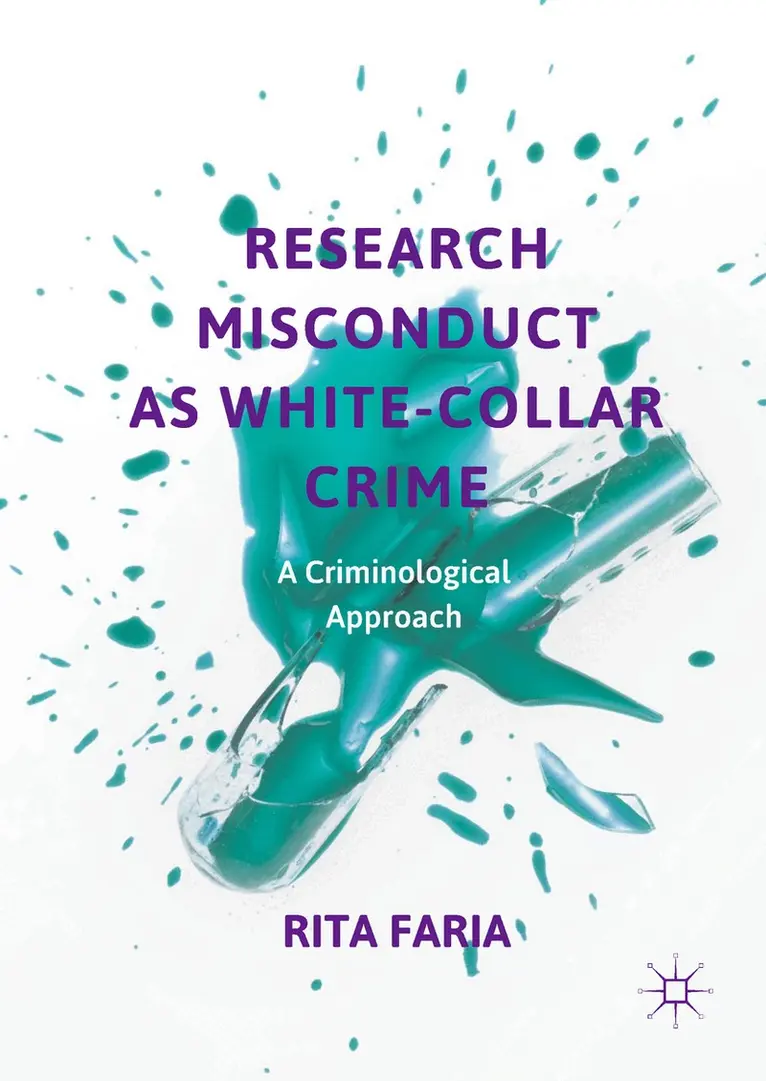
Research Misconduct as White-Collar Crime
A Criminological Approach
Av Rita Faria
Häftad, 2019
715 kr
Lägg i varukorg
This book explores the subject of research misconduct: its definition, what behaviours should fall under its label, and the types of preventive and repressive procedures that should be put to practice to combat it. Adopting a criminological perspective, Faria views research misconduct as a locus of …
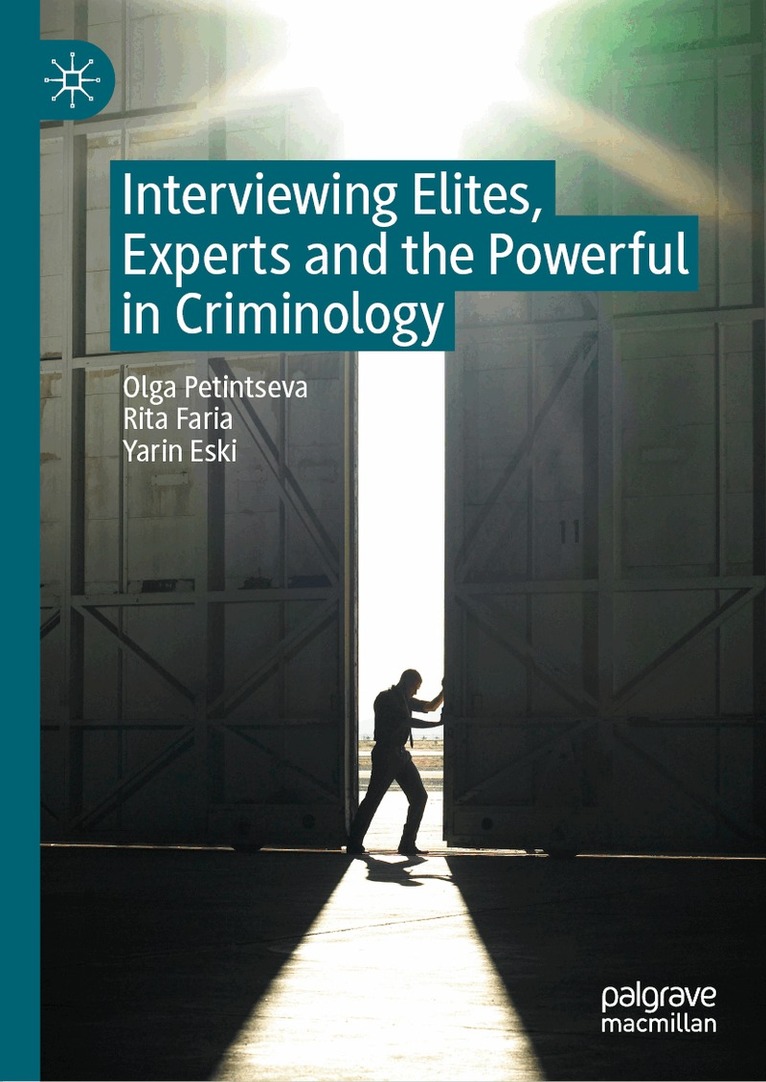
Interviewing Elites, Experts and the Powerful in Criminology
Av Olga Petintseva, Rita Faria m. fl.
Inbunden, 2019
552 kr
Lägg i varukorg
This book offers practical advice on designing, conducting and analyzing interviews with ‘elite’ and ‘expert’ persons (or ‘socially prominent actors’), with a focus on criminology and criminal justice. It offers dilemmas and examples of ‘good’ and ‘bad’ practices in order to encourage readers to …
Interviewing Elites, Experts and the Powerful in Criminology
Av Yarin Eski, Rita Faria m. fl.
E-bok, 2019
718 kr
Lägg i varukorg
This book offers practical advice on designing, conducting and analyzing interviews with ‘elite’ and ‘expert’ persons (or ‘socially prominent actors’), with a focus on criminology and criminal justice. It offers dilemmas and examples of ‘good’ and ‘bad’ practices in order to encourage readers to …
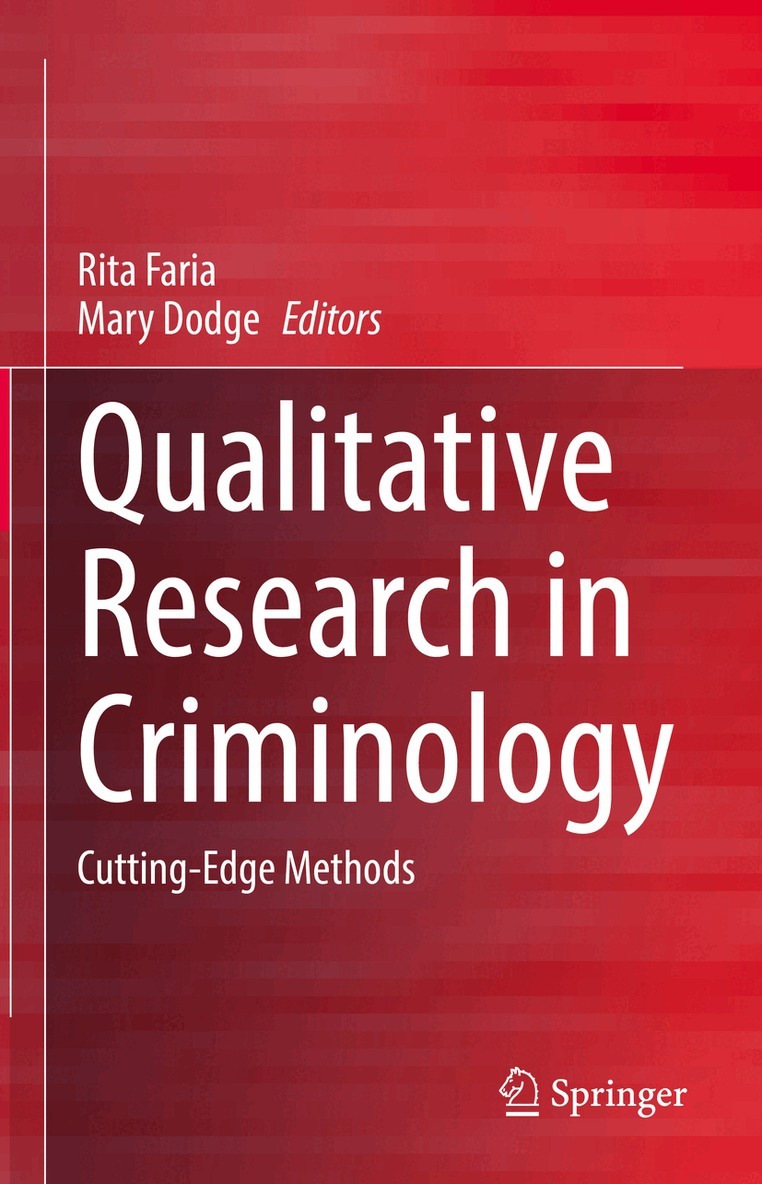
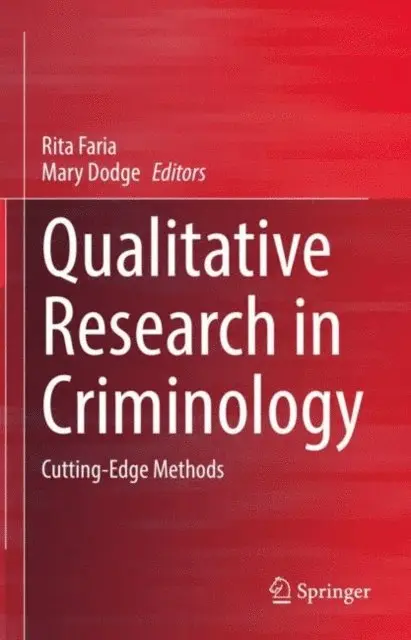
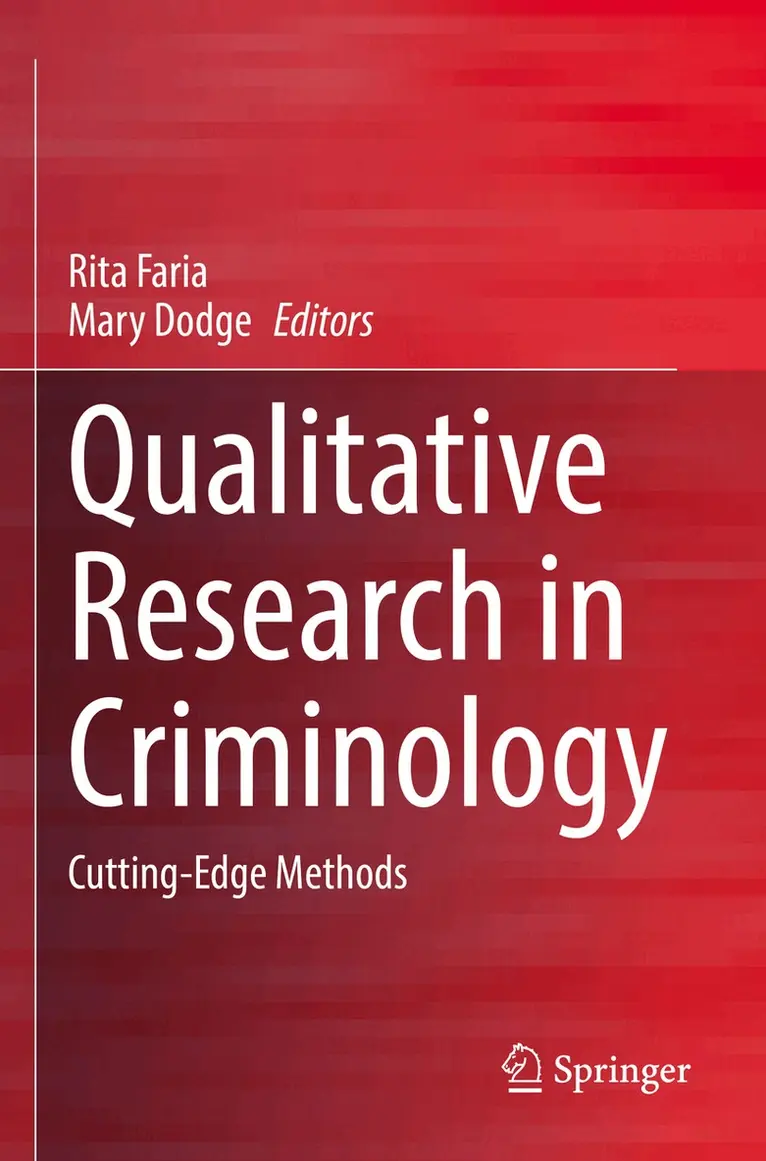
Qualitative Research in Criminology
Cutting-Edge Methods
Av Rita Faria, Mary Dodge
Inbunden, 2022
1750 kr
Lägg i varukorg
This volume introduces innovative and inspired qualitative methods through topics on crime commission, victimisation and crime control. It highlights how qualitative methods offer significant insights that frame our understanding of the narratives, events, theoretical perspectives, and realities of …
Qualitative Research in Criminology
Cutting-Edge Methods
Av Mary Dodge, Rita Faria
E-bok, 2022
2085 kr
Lägg i varukorg
This volume introduces innovative and inspired qualitative methods through topics on crime commission, victimisation and crime control. It highlights how qualitative methods offer significant insights that frame our understanding of the narratives, events, theoretical perspectives, and realities of …
Qualitative Research in Criminology : Cutting-Edge Methods
Av Rita Faria, Mary Dodge
2022
667 kr
Lägg i varukorg
Qualitative Research in Criminology
Cutting-Edge Methods
Av Rita Faria, Mary Dodge
Häftad, 2023
1750 kr
Lägg i varukorg
This volume introduces innovative and inspired qualitative methods through topics on crime commission, victimisation and crime control. It highlights how qualitative methods offer significant insights that frame our understanding of the narratives, events, theoretical perspectives, and realities of …
Research Misconduct as White-Collar Crime
A Criminological Approach
Av Rita Faria
Inbunden, 2018
987 kr
Lägg i varukorg
This book explores the subject of research misconduct: its definition, what behaviours should fall under its label, and the types of preventive and repressive procedures that should be put to practice to combat it. Adopting a criminological perspective, Faria views research misconduct as a locus of …
Research Misconduct as White-Collar Crime
A Criminological Approach
Av Rita Faria
E-bok, 2018
897 kr
Lägg i varukorg
This book explores the subject of research misconduct: its definition, what behaviours should fall under its label, and the types of preventive and repressive procedures that should be put to practice to combat it. Adopting a criminological perspective, Faria views research misconduct as a locus of …