Rivka Weinberg – författare
Visar alla böcker från författaren Rivka Weinberg. Handla med fri frakt och snabb leverans.
7 produkter
7 produkter
Inbunden, Engelska, 2026
313 kr
Skickas inom 5-8 vardagar
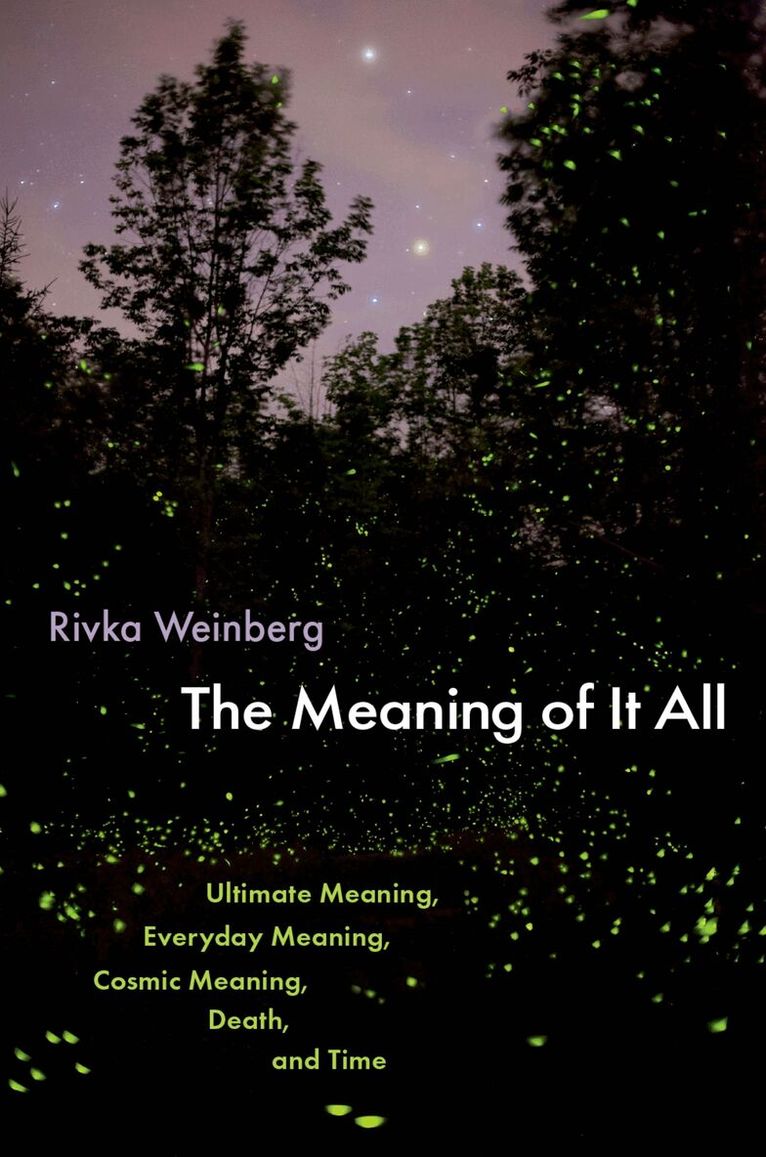
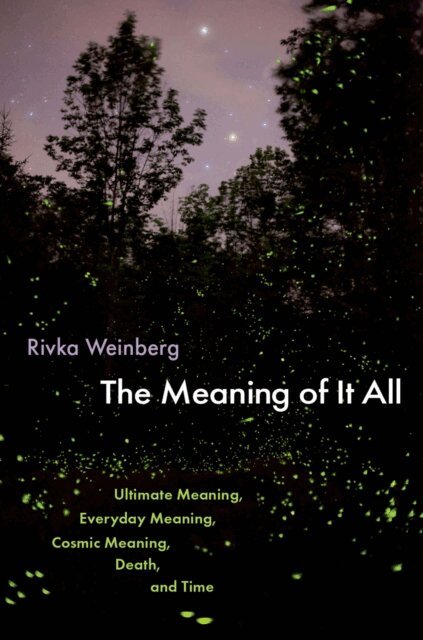
This witty, poignant work sheds light on the role that value, religion, the cosmos, death, and time play in the meaning of our lives, and how best to live a meaningful, mortal life in time.You can stock your life with important work, relationships, activities, and art, and yet, you can still ask: what's the point of it all? Almost every thinking person has had that question—many more than once. Granted, you're more likely to worry about the point of life when things are not going well, but you're also likely to still ask this question when you've finally received that promotion, achieved a goal, or raised your children—exactly when it seems like the question shouldn't arise.In The Meaning of It All, Rivka Weinberg argues this is because there are different kinds of meaning, and some of them are impossible to achieve. She explains what they are, illuminates which types of meaning are possible, which are impossible, and shows us how we might orient our lives in light of these bittersweet truths. Although we all die in the end, Weinberg explains why death doesn't make life more or less meaningful. Instead, it is time that is necessary for meaning, even as it also undermines it by wearing away the fruits of our efforts and commitments. Without time, life would lack causality and direction; our efforts would be senseless, meaningless. Weinberg shows that most advice on how to reduce the agony of time's erosions cannot work. However, she also shows how we can tease out some insights from failed attempts to escape time's wounds and thereby make progress toward coping with things as they are. A meaningful life is one lived in the fullness of time, accepting finitude, acknowledging our tragic losses and limitations, and making the most of Everyday Meaning.
Inbunden, Engelska, 2016
1 154 kr
Skickas inom 5-8 vardagar
Having children is probably as old as the first successful organism. It is often done thoughtlessly. This book is an argument for giving procreating some serious thought, and a theory of how, when, and why procreation may be permissible.procreative ethics, procreation itself is often done Rivka Weinberg begins with an analysis of the kind of act procreativity is and why we might be justifiably motivated to engage in it. She then proceeds to argue that, by virtue of our ownership and control of the hazardous material that is our gametes, we are parentally responsible for the risks we take with our gametes and for the persons that develop when we engage in activity that allows our gametes to unite with others and develop into persons. Further argument establishes that when done respectfully, and in cases where the child's chances of leading a life of human flourishing are high, procreation may be permissible. procreating some serious thought, and a theory of how, when, Along the way, Weinberg argues that the non-identity problem is a curiously common mistake. Arguments intending to show that procreation is impermissible because life is bad for people and imposed on them without their consent are shown to have serious flaws. Yet because they leave us with lingering concerns, Weinberg argues that although procreation is permissible under certain conditions, it is not only a welfare risk but also a moral risk.Still, it is a risk that is often permissible for us to take and impose, given our high level of legitimate interest in procreativity. In order to ascertain when the procreative risk is permissible to impose, contractualist principles are proposed to fairly attend to the interests prospective parents have in procreating and the interests future people have in a life of human flourishing. The principles are assessed on their own merits and in comparison with rival principles. They are then applied to a wide variety of procreative cases.
E-bok
PDF, Engelska, 2015641 kr
Läs direkt efter köp
Having children is probably as old as the first successful organism. It is often done thoughtlessly. This book is an argument for giving procreating some serious thought, and a theory of how, when, and why procreation may be permissible.Rivka Weinberg begins with an analysis of the kind of act procreativity is and why we might be justifiably motivated to engage in it. She then proceeds to argue that, by virtue of our ownership and control of the hazardous material that is our gametes, we are parentally responsible for the risks we take with our gametes and for the persons that develop when we engage in activity that allows our gametes to unite with others and develop into persons. Further argument establishes that when done respectfully, and in cases where the child''s chances of leading a life of human flourishing are high, procreation may be permissible.Along the way, Weinberg argues that the non-identity problem is a curiously common mistake. Arguments intending to show that procreation is impermissible because life is bad for people and imposed on them without their consent are shown to have serious flaws. Yet because they leave us with lingering concerns, Weinberg argues that although procreation is permissible under certain conditions, it is not only a welfare risk but also a moral risk.Still, it is a risk that is often permissible for us to take and impose, given our high level of legitimate interest in procreativity. In order to ascertain when the procreative risk is permissible to impose, contractualist principles are proposed to fairly attend to the interests prospective parents have in procreating and the interests future people have in a life of human flourishing. The principles are assessed on their own merits and in comparison with rival principles. They are then applied to a wide variety of procreative cases.
E-bok
Engelska, 2015641 kr
Läs direkt efter köp
Having children is probably as old as the first successful organism. It is often done thoughtlessly. This book is an argument for giving procreating some serious thought, and a theory of how, when, and why procreation may be permissible.Rivka Weinberg begins with an analysis of the kind of act procreativity is and why we might be justifiably motivated to engage in it. She then proceeds to argue that, by virtue of our ownership and control of the hazardous material that is our gametes, we are parentally responsible for the risks we take with our gametes and for the persons that develop when we engage in activity that allows our gametes to unite with others and develop into persons. Further argument establishes that when done respectfully, and in cases where the child''s chances of leading a life of human flourishing are high, procreation may be permissible.Along the way, Weinberg argues that the non-identity problem is a curiously common mistake. Arguments intending to show that procreation is impermissible because life is bad for people and imposed on them without their consent are shown to have serious flaws. Yet because they leave us with lingering concerns, Weinberg argues that although procreation is permissible under certain conditions, it is not only a welfare risk but also a moral risk.Still, it is a risk that is often permissible for us to take and impose, given our high level of legitimate interest in procreativity. In order to ascertain when the procreative risk is permissible to impose, contractualist principles are proposed to fairly attend to the interests prospective parents have in procreating and the interests future people have in a life of human flourishing. The principles are assessed on their own merits and in comparison with rival principles. They are then applied to a wide variety of procreative cases.
Häftad, Engelska, 2017
575 kr
Skickas inom 5-8 vardagar
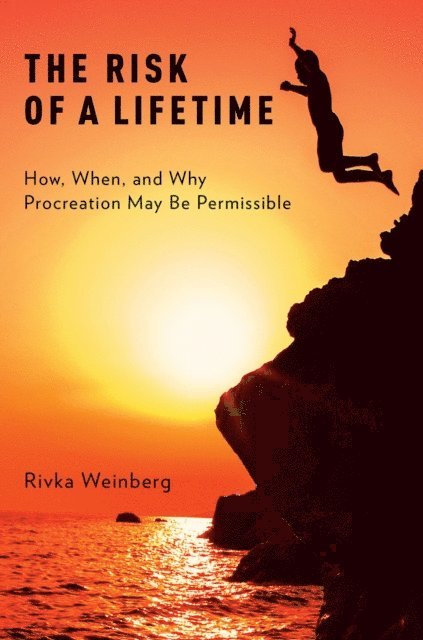
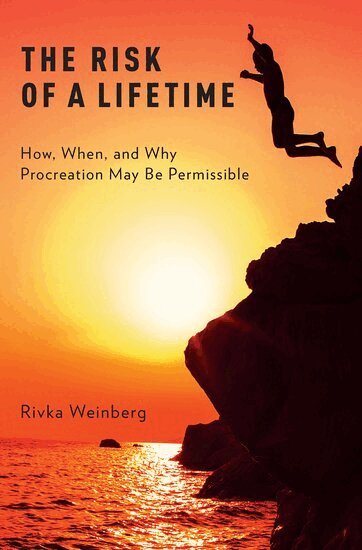
Having children is probably as old as the first successful organism. It is often done thoughtlessly. This book is an argument for giving procreating some serious thought, and a theory of how, when, and why procreation may be permissible.Rivka Weinberg begins with an analysis of the kind of act procreativity is and why we might be justifiably motivated to engage in it. She then proceeds to argue that, by virtue of our ownership and control of the hazardous material that is our gametes, we are parentally responsible for the risks we take with our gametes and for the persons that develop when we engage in activity that allows our gametes to unite with others and develop into persons. Further argument establishes that when done respectfully, and in cases where the child's chances of leading a life of human flourishing are high, procreation may be permissible. Along the way, Weinberg argues that the non-identity problem is a curiously common mistake. Arguments intending to show that procreation is impermissible because life is bad for people and imposed on them without their consent are shown to have serious flaws. Yet because they leave us with lingering concerns, Weinberg argues that although procreation is permissible under certain conditions, it is not only a welfare risk but also a moral risk.Still, it is a risk that is often permissible for us to take and impose, given our high level of legitimate interest in procreativity. In order to ascertain when the procreative risk is permissible to impose, contractualist principles are proposed to fairly attend to the interests prospective parents have in procreating and the interests future people have in a life of human flourishing. The principles are assessed on their own merits and in comparison with rival principles. They are then applied to a wide variety of procreative cases.Choice Outstanding Titles for Philosophy"Weinberg's The Risk of a Lifetime treats underappreciated ethical issues of procreation with philosophical intelligence, insight, and flair." --Stephen Darwall, Andrew Downey Orrick Professor of Philosophy, Yale University"...a well-argued, insightful, and lively discussion of the issues surrounding this underappreciated topic." --Notre Dame Philosophical Reviews Online"Weinberg's The Risk of a Lifetime is a must-read for anyone interested in procreative ethics generally or in understanding how a contractualist approach might be applied in the context of procreative ethics. Moreover, I can't think of a recent book that would be more valuable, more fun, or more engaging for students--or their instructors--in any mid-or upper-level course or seminar or in any graduate course in applied or normative ethics or in population ethics." --Ethics
E-bok
PDF, Engelska, 2026302 kr
Läs direkt efter köp
You can stock your life with important work, relationships, activities, and art, and yet, you can still ask: what's the point of it all? Almost every thinking person has had that question-many more than once. Granted, you're more likely to worry about the point of life when things are not going well, but you're also likely to still ask this question when you've finally received that promotion, achieved a goal, or raised your children-exactly when it seems like the question shouldn't arise. In The Meaning of It All, Rivka Weinberg argues this is because there are different kinds of meaning, and some of them, sadly, are impossible to achieve. She explains what they are, illuminates which types of meaning are possible, which are impossible, and shows us how we might orient our lives in light of these bittersweet truths. Although we all die in the end, Weinberg explains why death doesn't make life more or less meaningful. Instead, it is time that is necessary for meaning, even as it also undermines it by wearing away the fruits of our efforts and commitments. Weinberg shows that most advice on how to reduce the agony of time's erosions cannot work. However, she also shows how we can tease out some insights from failed attempts to escape time's wounds and thereby make progress toward coping with things as they are. A meaningful life is one lived in the fullness of time, accepting suffering, acknowledging our tragic losses and limitations, and making the most of Everyday Meaning.
E-bok
Engelska, 2026302 kr
Läs direkt efter köp
You can stock your life with important work, relationships, activities, and art, and yet, you can still ask: what's the point of it all? Almost every thinking person has had that question-many more than once. Granted, you're more likely to worry about the point of life when things are not going well, but you're also likely to still ask this question when you've finally received that promotion, achieved a goal, or raised your children-exactly when it seems like the question shouldn't arise. In The Meaning of It All, Rivka Weinberg argues this is because there are different kinds of meaning, and some of them, sadly, are impossible to achieve. She explains what they are, illuminates which types of meaning are possible, which are impossible, and shows us how we might orient our lives in light of these bittersweet truths. Although we all die in the end, Weinberg explains why death doesn't make life more or less meaningful. Instead, it is time that is necessary for meaning, even as it also undermines it by wearing away the fruits of our efforts and commitments. Weinberg shows that most advice on how to reduce the agony of time's erosions cannot work. However, she also shows how we can tease out some insights from failed attempts to escape time's wounds and thereby make progress toward coping with things as they are. A meaningful life is one lived in the fullness of time, accepting suffering, acknowledging our tragic losses and limitations, and making the most of Everyday Meaning.