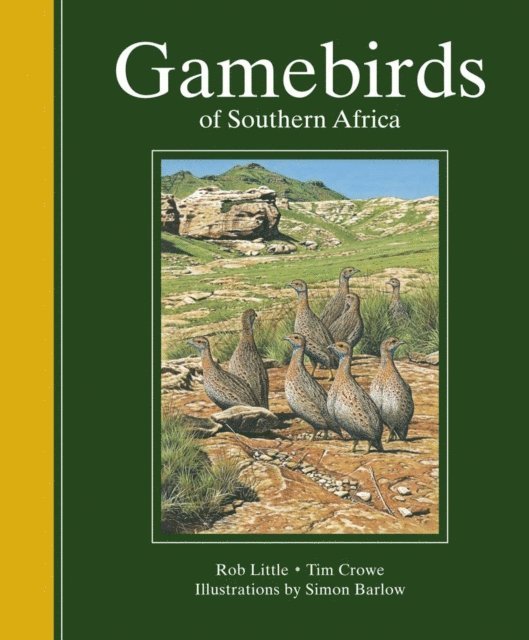
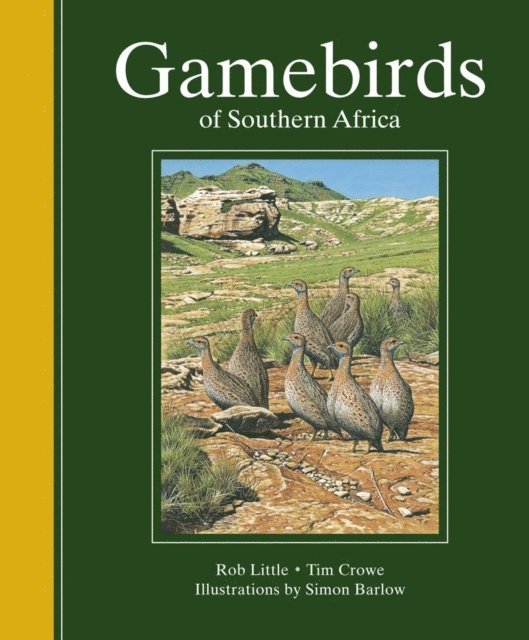
Gamebirds have been utilized since prehistoric times for both food and sport. The 21 upland species found in southern Africa include francolins, spurfowl, quails, guineafowl and sandgrouse. Interesting text summarizes the latest scientific research, while illustrated plates by Simon Barlow are works of art, conveying in accurate and painstaking detail each species in its environment. Authoritative text and beautiful artwork combine to make this a significant and worthy ornithological volume: an essential addition to the bookshelves of birders, artists, lovers of nature and the conservation-minded.
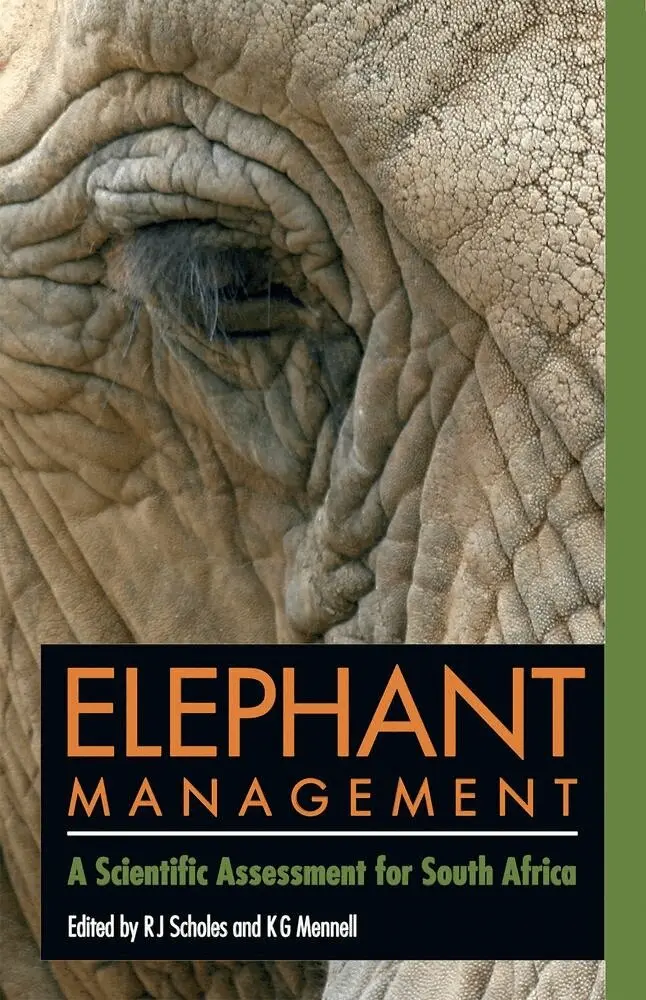
Elephants are among the most magnificent – but also most problematic –members of South Africa's wildlife population. While they are sought after by South African and foreign tourists alike, they also have a major impact on their environment. As a result, elephant management has become a highly complex and often controversial discipline. The information needed to underpin vital decisions about elephant management has largely been unavailable to decision-makers, contested by experts, or simply unknown. As a result, the South African Minister for Environmental Affairs and Tourism convened a round table to advise him on this issue. The round table recommended that a scientific assessment of elephant management be undertaken to gather, evaluate, and present all the relevant information on this topic. Its main findings and recommendations are contained in this volume. Elephant Management is the first book of its kind, combining the work of more than 60 national and international experts. Extensively reviewed by policy-makers and other stakeholders, it is the most systematic and comprehensive review of savanna elephant populations and factors relevant to managing them to date. As such it is of interest to a broad spectrum of readers in South Africa and elsewhere. Above all, it is aimed at helping conservation policy-makers and practitioners to choose the best possible options for the sustainable preservation of these iconic animals.
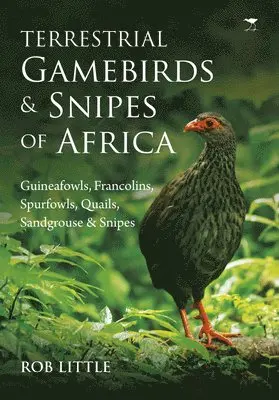
Terrestrial Gamebirds & Snipes of Africa is a detailed full-color hand book. It includes everything needed to identify and get to know the 74 species that fall into six groups: guineafowls and Congo Peafowl, francolins and partridges, spurfowls, quails, sandgrouse, and snipes and Eurasian Woodcock. Terrestrial Gamebirds & Snipes of Africa offers a concise summary of the large but scattered body of accumulated scientific research and field-guide literature.
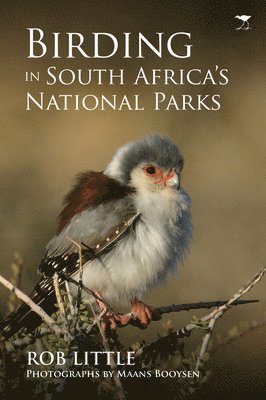
Birding in South Africa's National Parks is the first book dedicated to birding in South African parks. The 19 featured national parks are grouped within the four biogeographic regions—northern, arid, frontier and Cape regions. Pertinent and interesting facts about where to find birds, including the top 10 birds of each park and a description of general habitats, are presented in a readable fashion. Over 100 photographs illustrate some of the special birds found in the parks. Of the 700 regularly seen terrestrial species in South Africa, at least 640 can be found in the 19 national parks, with 13 of the 15 species endemic to South Africa and another 19 of the 20 species endemic to South Africa, Lesotho and Swaziland. The special birds listed at the back of the book for each park include iconic flagship species of the biome that the park represents, elusive birder's bucket-list species and special southern African endemic species. Birding in South Africa's National Parks will be a worthy addition to the bookshelves of bird enthusiasts, particularly birders and ecotourists visiting South Africa from across the world.
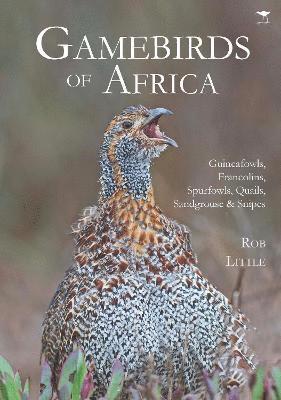
This is the definitive monograph on the gamebirds of Africa. This detailed full-colour handbook includes everything needed to identify and get to know the 89 species that fall into six groups: guineafowls and Congo Peafowl (7 species) francolins and partridges (33 species), spurfowls (26 species), quails (3 species), sandgrouse (13 species) and snipes and Eurasian Woodcock (7 species). Gamebirds of Africa offers a concise and updated summary of the large but scattered body of accumulated scientific research and field-guide literature. Pertinent and interesting facts about the distribution, habits, breeding, and conservation status of each species are presented in a readable fashion. Numerous photographs convey the appearance, characteristic features, behavioural activities and, in many cases, the habitats frequented by each bird. Gamebirds of Africa will be a worthy addition to the ornithological literature and to the bookshelves of bird enthusiasts, particularly birders, wing-shooters, land owners and anyone with an interest in nature and conservation, throughout Africa and across the rest of the world. The publication of this book was made possible through the generous funding of the Wild Bird Trust and the FitzPatrick Institute of African Ornithology, University of Cape Town.