Robert B. Sim – författare
Visar alla böcker från författaren Robert B. Sim. Handla med fri frakt och snabb leverans.
14 produkter
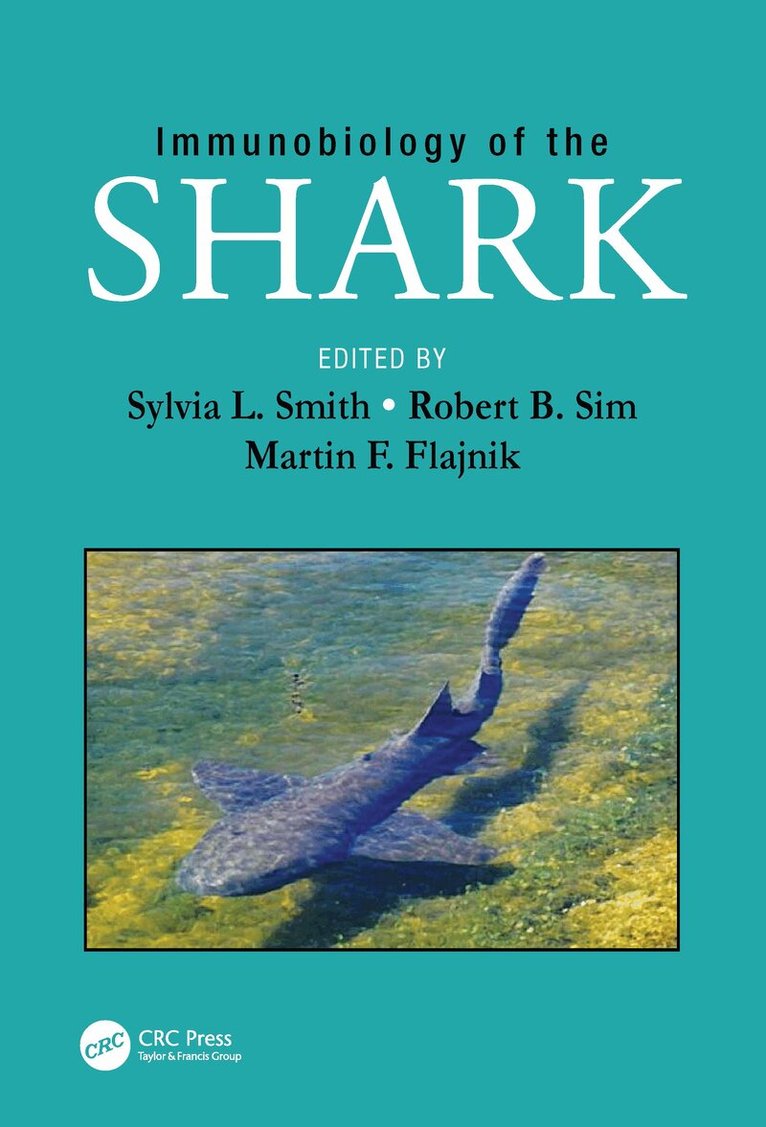
Immunobiology of the Shark
Av Sylvia L. Smith, Robert B. Sim m. fl.
Häftad, 2019
1041 kr
Lägg i varukorg
Immunity studies in sharks over the past three decades have produced some remarkable discoveries. If one message rings true, it is that alternative animal model systems, such as sharks and their relatives, have contributed very substantially to a better understanding of the development evolution of …
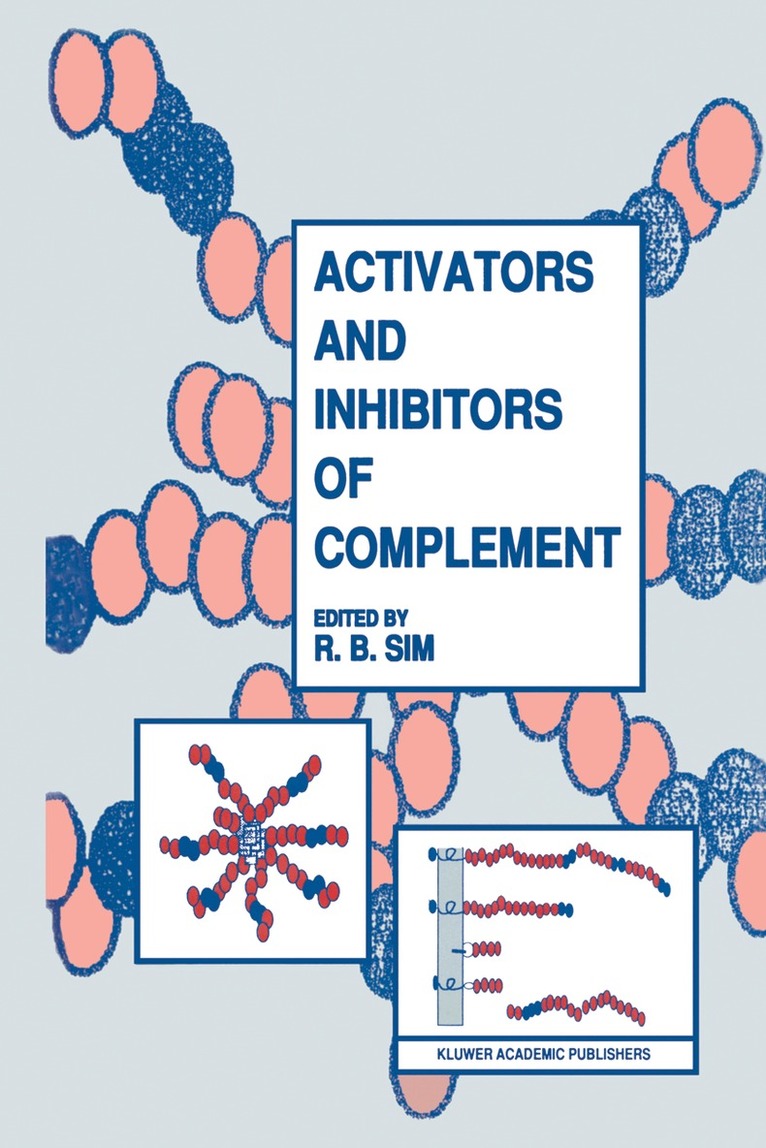
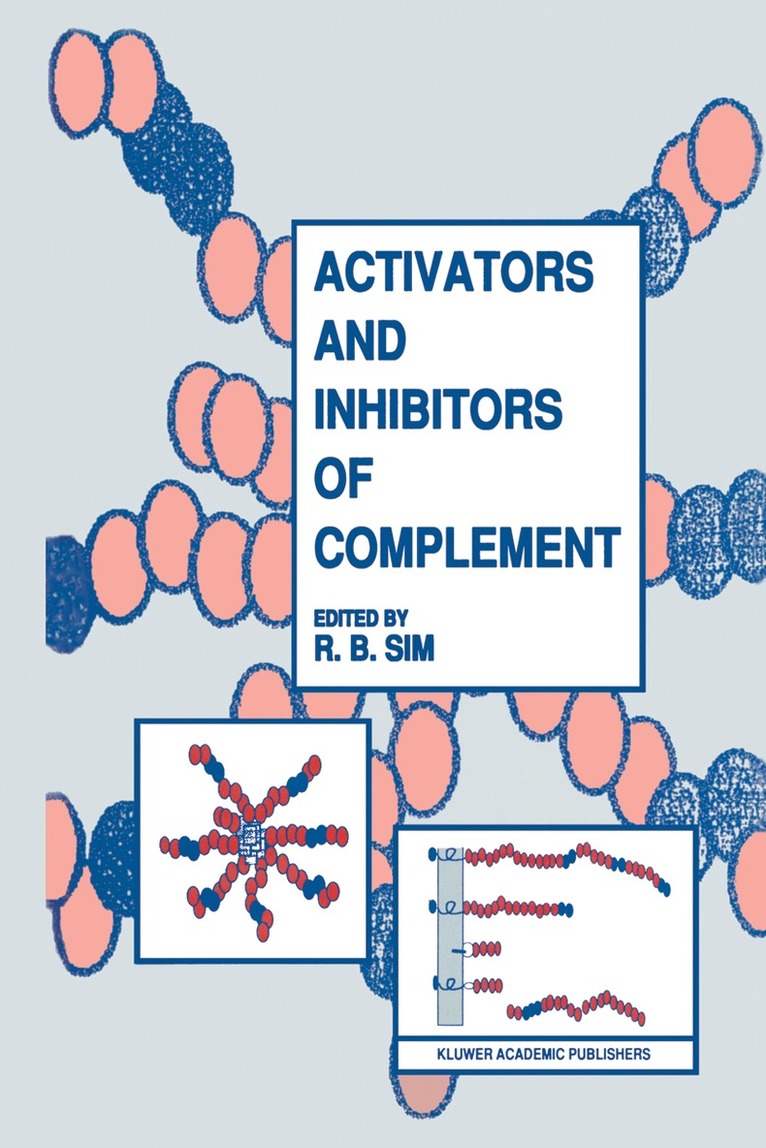
Activators and Inhibitors of Complement
Inbunden, 1992
2254 kr
Lägg i varukorg
The complement system is a group of proteins which plays a major role in the processing and removal of microorganisms and tissue breakdown products from the circulation and extracellular spaces. The system is activated by a wide range of targets, and activation leads to the production of opsonins, …
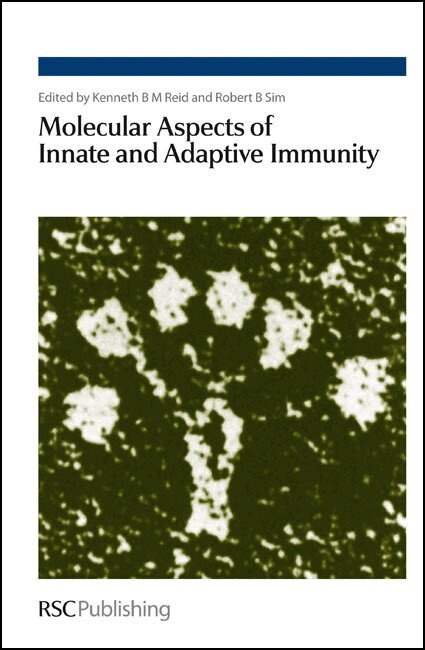
Molecular Aspects of Innate and Adaptive Immunity
Av Kenneth B M Reid, Robert B Sim
Inbunden, 2008
2251 kr
Lägg i varukorg
The understanding, at the molecular level, of the interactions between innate and adaptive arms of the immune system is currently a hot topic, particularly to those interested in immunology - especially susceptibility to infectious diseases. This book provides a survey of topics, in the area of …
Immunobiology of the Shark
Av Sylvia L. Smith, Robert B. Sim m. fl.
E-bok, 2014
1230 kr
Lägg i varukorg
Sharks belong to the oldest vertebrate species that possess immune systems similar to that of mammals. This makes them a great model species to study the fundamentals of the mammalian immune system. This book describes the cellular, genetic, and molecular specifics of immune systems in sharks and …
Immunobiology of the Shark
Av Sylvia L. Smith, Robert B. Sim m. fl.
Inbunden, 2014
3158 kr
Lägg i varukorg
Immunity studies in sharks over the past three decades have produced some remarkable discoveries. If one message rings true, it is that alternative animal model systems, such as sharks and their relatives, have contributed very substantially to a better understanding of the development evolution of …
Immunobiology of the Shark
Av Sylvia L. Smith, Robert B. Sim m. fl.
E-bok, 2014
1266 kr
Lägg i varukorg
Sharks belong to the oldest vertebrate species that possess immune systems similar to that of mammals. This makes them a great model species to study the fundamentals of the mammalian immune system. This book describes the cellular, genetic, and molecular specifics of immune systems in sharks and …
Molecular Aspects of Innate and Adaptive Immunity
Av Robert B Sim, Kenneth B M Reid
E-bok, 2008
1466 kr
Lägg i varukorg
The understanding, at the molecular level, of the interactions between innate and adaptive arms of the immune system is currently a hot topic, particularly to those interested in immunology - especially susceptibility to infectious diseases. This book provides a survey of topics, in the area of …
Collectin Protein Family and Its Multiple Biological Activities
Av Uday Kishore, Taruna Madan m. fl.
Inbunden, 2021
1127 kr
Lägg i varukorg
The topic of this book, Collectins, is a family of proteins whose major function is in innate immunity, where Collectins act as pattern recognition receptors (PRRs). In general they recognize targets such as microbial surfaces and apoptotic cells, and once bound to a target, Collectins promote the …
Collectin Protein Family and Its Multiple Biological Activities
Av Robert B. Sim, Taruna Madan m. fl.
E-bok, 2021
1502 kr
Lägg i varukorg
The topic of this book, Collectins, is a family of proteins whose major function is in innate immunity, where Collectins act as pattern recognition receptors (PRRs). In general they recognize targets such as microbial surfaces and apoptotic cells, and once bound to a target, Collectins promote the …
Carbon Nanotubes for Biomedical Applications
Av Rüdiger Klingeler, Robert B. Sim
Inbunden, 2011
1127 kr
Lägg i varukorg
This book explores the potential of multi-functional carbon nanotubes for biomedical applications. It combines contributions from chemistry, physics, biology, engineering, and medicine. The complete overview of the state-of-the-art addresses different synthesis and biofunctionalisation routes and …
Carbon Nanotubes for Biomedical Applications
Av Robert B. Sim, Rudiger Klingeler
E-bok, 2011
1459 kr
Lägg i varukorg
This book explores the potential of multi-functional carbon nanotubes for biomedical applications. It combines contributions from chemistry, physics, biology, engineering, and medicine. The complete overview of the state-of-the-art addresses different synthesis and biofunctionalisation routes and …
Carbon Nanotubes for Biomedical Applications
Av Rüdiger Klingeler, Robert B. Sim
Häftad, 2014
1131 kr
Lägg i varukorg
This book explores the potential of multi-functional carbon nanotubes for biomedical applications. It combines contributions from chemistry, physics, biology, engineering, and medicine. The complete overview of the state-of-the-art addresses different synthesis and biofunctionalisation routes and …
Activators and Inhibitors of Complement
Häftad, 2012
2247 kr
Lägg i varukorg
The complement system is a group of proteins which plays a major role in the processing and removal of microorganisms and tissue breakdown products from the circulation and extracellular spaces. The system is activated by a wide range of targets, and activation leads to the production of opsonins, …
Activators and Inhibitors of Complement
E-bok, 2012
3013 kr
Lägg i varukorg
The complement system is a group of proteins which plays a major role in the processing and removal of microorganisms and tissue breakdown products from the circulation and extracellular spaces. The system is activated by a wide range of targets, and activation leads to the production of opsonins, …