Robert Brian Dilts – författare
133 kr
Läs direkt efter köp
Coaching is the process of helping people and teams to perform at the peak of their abilities. It involves drawing out people’s strengths, helping them to bypass personal barriers and limits in order to achieve their personal bests, and facilitating them to function more effectively as members of a team.
Historically, coaching has been focused toward achieving improvement with respect to a specific behavioral performance. This involves promoting the development of that person’s behavioral competence through careful observation and feedback.
In recent years, the notion of coaching has taken on a more generalized and expanded meaning. Personal coaching, executive coaching and life coaching provide support on a number of different levels: behaviors, capabilities, beliefs, values, identity and even spiritual. These new and more comprehensive forms—executive coaching and life coaching— can be referred to as capital “C” Coaching. Large “C” Coaching involves helping people effectively achieve outcomes on a range of levels. We guide people to learn about new environments, for instance; coach them to improve specific behavioral competencies; teach them new cognitive capabilities; mentor empowering beliefs and values; sponsor growth at the identity level; and awaken people’s awareness of the larger system or “field.”
This book defines the types of contexts and situations which require the capital "C" Coach to focus on one of these roles—caretaker, guide, coach, teacher, mentor, sponsor, awakener—and provides a specific toolbox for each role. In other words, it provides a comprehensive tool set to be used by an effective coach to manage the entire scope of large "C" Coaching activities—from caretaking to awakening.
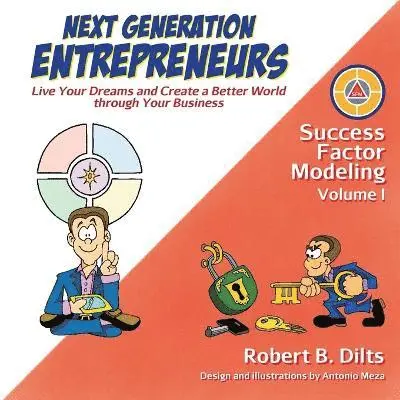
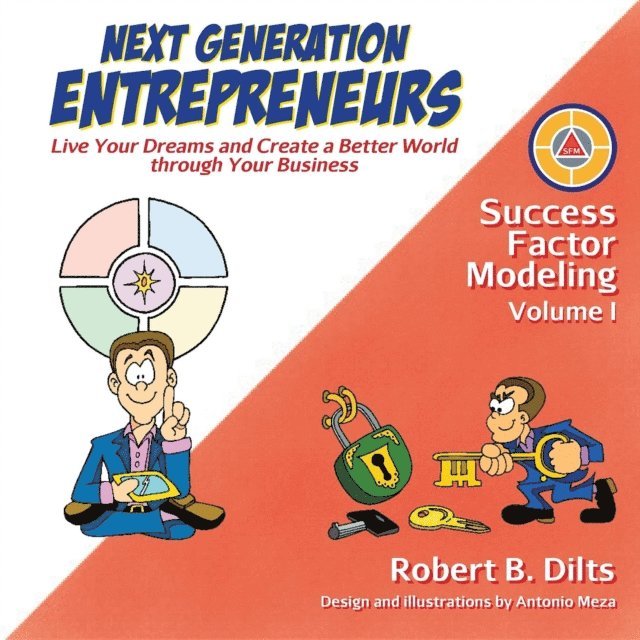
Next Generation Entrepreneurs
Live Your Dreams and Create a Better World Through Your Business
363 kr
Skickas inom 5-8 vardagar
Nueva Generación de Emprendedores
Vive tus sueños y crea un mundo mejor a través de tu empresa
374 kr
Skickas inom 5-8 vardagar
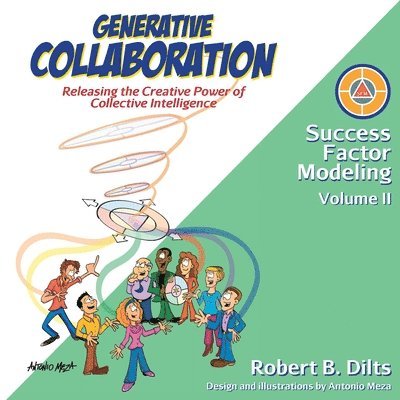
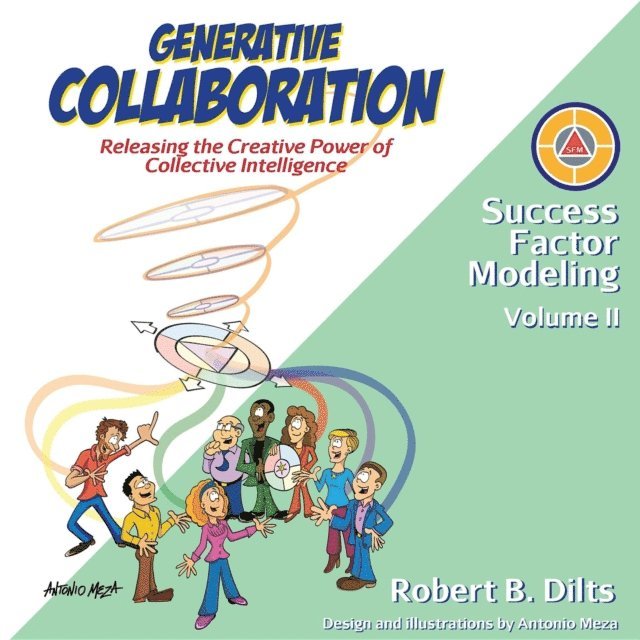
Generative Collaboration
Releasing the Creative Power of Collective Intelligence
407 kr
Skickas inom 5-8 vardagar
364 kr
Skickas inom 5-8 vardagar
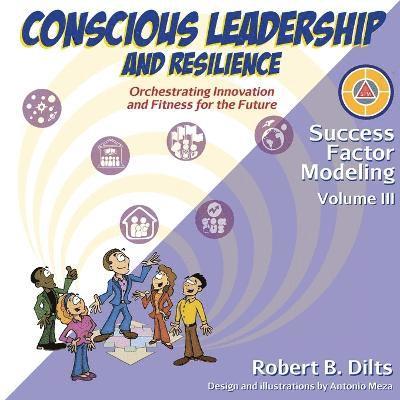
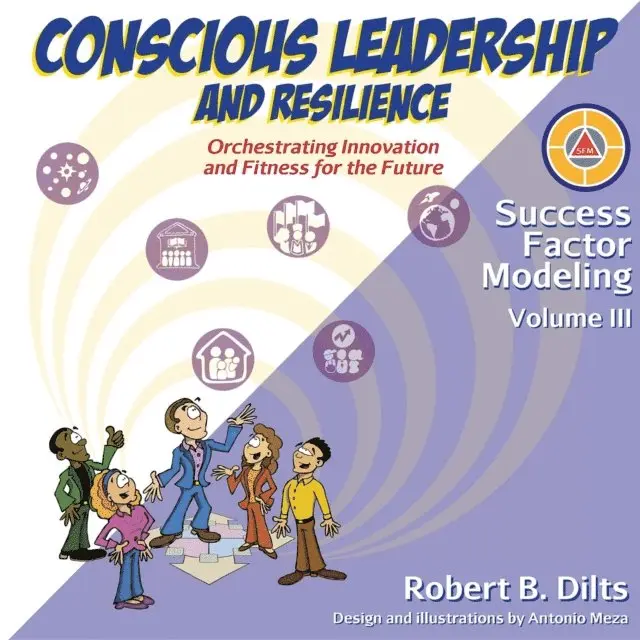
Success Factor Modeling, Volume III
Conscious Leadership and Resilience: Orchestrating Innovation and Fitness for the Future
398 kr
Skickas inom 5-8 vardagar
212 kr
Läs direkt efter köp
Working together with others in groups and teams is an increasingly common and important part of modern business and contemporary life. High performing teams demonstrate the characteristic of collective intelligence. Collective intelligence relates to the ability of people in a team, group or organization to think and act in an aligned and coordinated fashion
The fruit of effective collective intelligence is what is known as generative collaboration. Generative collaboration involves people working together to create or generate something new, surprising and beyond the capacities of any of the group members individually. Through generative collaboration, individuals are able to utilize their abilities to the fullest and discover and apply resources that they did not yet realize that they had. They draw new ideas and resources out of each other. Thus, the performance or output of the group as a whole is much greater than it would be if the individuals were working by themselves.
This book is for people who want to increase their capacity for working effectively together with others and to experience the excitement, satisfaction and power of generative collaboration.
205 kr
Läs direkt efter köp
Next Generation Entrepreneurs is the first volume of the Success Factor Modeling series by renowned author and consultant Robert Dilts. Success Factor ModelingTM is a methodology whose purpose is to identify key characteristics and capabilities shared by successful entrepreneurs, teams and ventures. It then applies these to define specific processes and skills that can be used by others to greatly increase their chances of producing impact and achieving success. Next Generation Entrepreneurs presents models, tools, exercises, illustrations and case examples - of both world famous and everyday entrepreneurs - that will help you understand how to create your own "Circle of Success" and create a business aligned with your life purpose. Entrepreneurs are individuals who are willing to take personal, professional and financial responsibility and risk in order to pursue opportunity. The entrepreneurial spirit has been a driving force for social and economic growth and advancement throughout human history. In recent years, a new generation of entrepreneurs has emerged who are interested in much more than financial gain. Characterized by people like Steve Jobs, Richard Branson and Elon Musk, this new generation of entrepreneurs is also deeply committed to living their dreams and making a better world through their projects or ventures. By combining personal ambition with the desire for contribution, growth and fulfillment they have made game-changing and world-changing innovations that have transformed the way we live and do business. This book is for people who have a similar vision and are willing to make a conscious decision to become more passionate, purposeful and creative, and to learn to become a "Next Generation Entrepreneur."
212 kr
Läs direkt efter köp
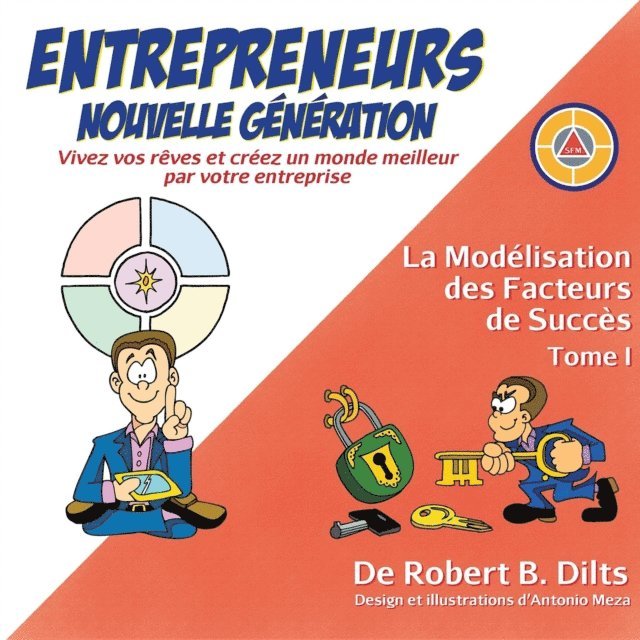
Les entrepreneurs sont des individus prêts à prendre des responsabilités et des risques personnels, professionnels et financiers pour saisir une opportunité. L’esprit entrepreneurial a toujours été un moteur de développement économique et social et de progression au cours de l’histoire de l’humanité.
Ces dernières années ont vu l’émergence d’une nouvelle génération d’entrepreneurs, qui recherchent bien plus que le profit financier. Représen- tés par des personnalités comme Steve Jobs, Richard Branson et Elon Musk, les entrepreneurs de cette nouvelle génération s’investissent également largement dans la concrétisation de leurs rêves et la construction d’un monde meilleur au travers de leurs projets ou entreprises. En combinant l’ambition personnelle avec le désir de contribution, d’évolution et d’accom- plissement, ils ont élaboré des innovations qui ont révolutionné la façon dont nous vivons et réglons les affaires.
Cet ouvrage s’adresse aux personnes qui ont une vision similaire et la volonté de décider en conscience de devenir plus passionnées, déterminées et créatives, et d’apprendre à devenir un «Entrepreneur de la Nouvelle Génération».
Entrepreneurs Nouvelle Génération est le premier tome de la série Modélisation des Facteurs de Succès (Success Factor ModelingTM) du célèbre auteur et consultant Robert Dilts.
La Modélisation des Facteurs de Succès est une méthodologie dont l’objectif est d’identifier les principales caractéristiques et capacités partagées par les entrepreneurs, les équipes et les entreprises qui réussissent. Elle les met ensuite en œuvre pour définir des processus et compé- tences que d’autres personnes peuvent utiliser pour engendrer un impact et parvenir à la réussite.
Entrepreneurs Nouvelle Génération présente des modèles, des outils, des exercices, des illustrations et des exemples de cas – aussi bien d’entrepreneurs du quotidien que mondialement célèbres – qui vont vous aider à comprendre comment créer votre propre «Cercle de Succès» et créer une activité alignée sur l’objectif de votre vie.
205 kr
Läs direkt efter köp
We live in a challenging and ever changing world. As the rate of change accelerates, it brings with it increasing instability, uncertainty and risk. Creating a successful and sustainable venture under such conditions requires a high degree of conscious leadership, innovation and resilience. Robust and durable leaders, teams and ventures are those that are “fit for the future”; i.e., able to ride the inevitable waves of change and to navigate the path of dangers and opportunities that comes with those waves.
By examining the mindset and actions of successful entrepreneurs and leaders —such as Elon Musk (SpaceX, Tesla, SolarCity), Richard Branson (The Virgin Group), Jeff Bezos (Amazon.com), Anita Roddick (The Body Shop), Howard Schultz (Starbucks) and many others — this book shows how to guide yourself and your team from a state of centered presence, accessing multiple intelligences and living your highest values in service to a larger purpose for the benefit of all stakeholders. You will learn how to empower, coach, share and stretch yourself and others in order to create a profitable and sustainable venture.
With the support of these skills and resources, you will become increasingly authentic, emotionally intelligent, purposeful and responsible, and create teams and ventures that are more productive, ecological, sustainable and fun.
Conscious Leadership and Resilience is the third volume of the Success Factor Modeling series by internationally renowned author and consultant Robert Dilts. Success Factor ModelingTM is a methodology whose purpose is to identify key characteristics and capabilities shared by successful entrepreneurs, leaders, teams and ventures. It then applies these to define specific processes and skills that can be used by others to greatly increase their chances of increasing their impact and achieving success.
Conscious Leadership and Resilience presents models, tools, exercises, illustrations and case examples – of successful leaders, entrepreneurs, teams and organizations – that will help you understand how to orchestrate innovation and strengthen your fitness for the future.
278 kr
Skickas inom 5-8 vardagar
317 kr
Skickas inom 5-8 vardagar
131 kr
Läs direkt efter köp
At some point in our lives we have probably all felt the desire to “change the world” or to “make the world a better place.” This desire usually stems from a “vision” that our lives or our world could be enriched or improved in some way. Such visions of the future often provide guidance and direction for our lives and our work, furnishing the motivation and impetus for change on many levels.
This book examines some of the essential skills and tools that are required to bring about change and “create a world to which people want to belong” – the skills and tools of “visionary leadership”. These skills relate to forming and clarifying one’s own dreams and ideas, sharing those ideas with others, transforming those dreams into actions, and engaging the help of others to bring dreams and ideas into reality. Many of the skills presented in this book have been modeled from and were inspired by effective leaders and managers from around the world. These skills include communicating, interacting and managing relationships within an organization, network or social system in order to move towards one’s highest aspirations.
Some of the topics covered include:
• Releasing natural leadership abilities through the identification of your vision and mission
• Developing and maintaining states of personal excellence
• Forming effective plans
• Recognizing and addressing different thinking styles
• Understanding and managing beliefs and belief systems
• Enhancing personal effectiveness in communicating and in managing others
• Exploring and enriching personal leadership styles
• Giving useful feedback
278 kr
Skickas inom 5-8 vardagar
278 kr
Skickas inom 5-8 vardagar
123 kr
Läs direkt efter köp
Thomas Jefferson once said, “If two individuals get together and exchange a dollar, they each walk away with one dollar. If the same individuals get together and exchange an idea, they both walk away with two ideas.” In many ways, this statement expresses the vastly generative potential or “economics” of modeling.
Modeling is the process of taking a complex event or phenomenon and breaking it into small enough chunks so that it can be recapitulated or applied in some way. Behavioral modeling involves observing and mapping the successful processes which underlie an exceptional performance of some type. The purpose of behavior modeling is to create a pragmatic map or ‘model’ of a particular behavior which can be used to reproduce or simulate some aspect of that performance by anyone who is motivated to do so.
The ability to model effectively opens the door to many possibilities that have previously been unavailable to humankind. In addition to providing a methodology which can be used to make ideas more explicit and easier to communicate, modeling can transform the way we view and perceive one another. If we see someone who does something better than ourselves, for example, instead of looking at that person and feeling inadequate, jealous, or suspicious, we can go out and model how they do what they do. Then, we too can have the capability that the other person possesses.
The field of Neuro-Linguistic Programming (NLP) has developed out of the modeling of the behaviors and thinking processes of exceptional people from many fields. NLP modeling procedures involve finding out about the mental strategies (“Neuro”) a person is using by analyzing that person’s language patterns (“Linguistic”) and non-verbal responses. The results of this analysis are then put into step-by-step strategies or procedures (“Programming”) that may be used to transfer the skill to other people, and apply it to other contexts. The purpose of NLP modeling is to put what ha with which to identify and describe specific, reproducible patterns in the language and behavior of effective role models. The purpose of NLP modeling is to put what has been observed and described into action in a way that is productive and enriching. In fact, the worldwide success of NLP as a technology for creating and managing change comes from its foundation in the modeling process.
This book is about the NLP modeling process and its applications. The first part of this book is devoted to defining the principles and tools necessary for effective modeling (the “epistemology,” methodology and technology of NLP). The second part of the book illustrates the application of NLP modeling procedures to the study of effective leadership. It provides examples of how NLP was applied to identify specific cognitive, linguistic and behavioral skills used by leaders to address challenging situations involving problem solving, delegation and training on the job. The results define the key communication and relational skills employed by effective leaders to achieve practical results in their working reality, in order to “create a world to which people want to belong.
314 kr
Skickas inom 5-8 vardagar
288 kr
Skickas inom 5-8 vardagar
123 kr
Läs direkt efter köp
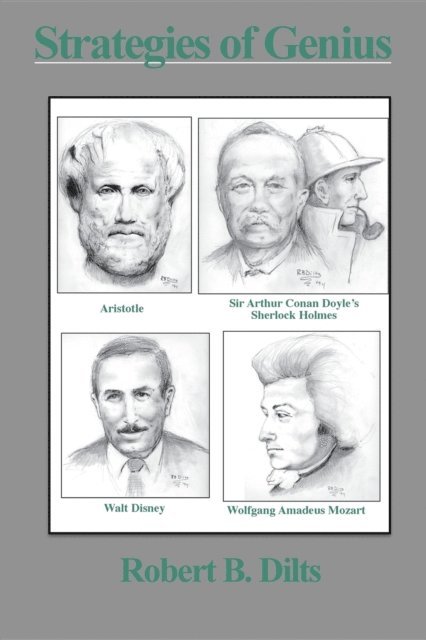
It has been said that human history is nothing more than a record of the deeds and ideas of great men and women. Ever since people began to turn their attention inward to examine their own thought processes, one of the hopes and promises of psychological inquiry has been to map out the key features of the mind that will allow our own thoughts to soar with the giants of history.
Neuro-Linguistic Programming (NLP) provides a new set of tools that can allow us to take major steps toward this promising but elusive goal. The mission of NLP is to define and extend the leading edge of human knowledge— particularly our knowledge about ourselves—by modeling the thought processes or “strategies” of effective people.
The purpose of this series on Strategies of Genius is to apply the tools of NLP to analyse important historical figures in order to produce practical and effective “strategies of genius” that can be learned and applied in other contexts.
This first volume analyzes the thinking processes of Aristotle, Sherlock Holmes, Walt Disney and Wolfgang Amadeus Mozart. The behavioral areas in which all of these individuals operated were quite different from one another, and one of them is actually a character from fiction. However, they all have something in common: unique and powerful strategies for analyzing, problem solving or creating, which continue to fascinate and entertain us to this day.
By analyzing quotations and anecdotes, the author paints a rich picture of the thinking processes of each of these unique individuals and then shows how those thinking processes may be used by the reader to enhance his or her own creativity and problem solving ability.
Other volumes include studies of Albert Einstein, Sigmund Freud, Leonardo da Vinci, Nikola Tesla and others who have helped to shape our modern world.
119 kr
Läs direkt efter köp
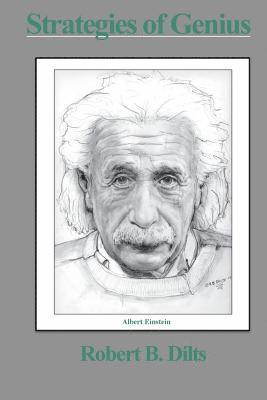
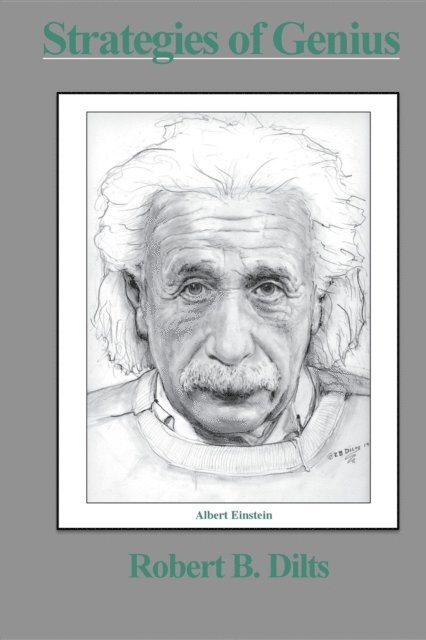
Albert Einstein is not only acknowledged around the world as a genius but has practically become the symbol for genius in this century. His ideas encompassed our spiritual and social worlds as well as scientific and physical reality. He introduced a whole new paradigm of thinking that has affected many different areas of our lives. His discoveries in the field of theoretical physics made the “atomic age” possible and his humanitarianism has served as an example for the entire scientific community. His theory of relativity changed our entire conception of the universe and such basic aspects of our reality as time, space, matter and energy.
This book analyzes the thinking processes behind Einstein's unique personality and accomplishments. Using the cognitive modeling techniques of Neuro-Linguistic Programming the book explores and illuminates Einstein's mental strategies and beliefs.
The purpose of the study is to look beyond the specific content and scientific details of Einstein's thoughts to the cognitive ‘strategies of genius’ that created them. NLP provides a structure and a language to be able to put into a set of ‘chunks’ or steps the relevant mental processes used by Einstein. In this form, those mental processes can be transferred to others and applied in contexts other than physics.
By examining numerous quotations, excerpts from Einstein's own writings and anecdotes, the author paints a rich picture of Einstein's thinking processes and then shows how those thinking processes may be used by the reader to enhance his or her own creativity and problem solving ability.
This book is the second volume of a larger study on the Strategies of Genius. Volume I explored the creative process of Aristotle, Arthur Conan Doyle's Sherlock Holmes, Walt Disney and Wolfgang Amadeus Mozart. Future volumes include studies of Sigmund Freud, Leonardo da Vinci and others who have helped to shape our modern world
123 kr
Läs direkt efter köp
Is it possible for mental and even physical healing to take place through the use of language alone? If so, how and why?
What was the basis of Sigmund Freud’s “talking cure” for the symptoms of hysteria and neurosis?
What is the relationship between Freud’s work and modern psychotherapeutic models?
How can his methods help deal with everyday problems or assist people to change limiting beliefs?
What made Leonardo da Vinci such a prolific scientific researcher as well as an exceptional artist?
Is it possible for an average person to be as inventive as Leonardo?
What made it possible for Nikola Tesla to build an entire machine using only his mind’s eye?
How does a person learn to visualize if he or she is not already able to do it naturally?
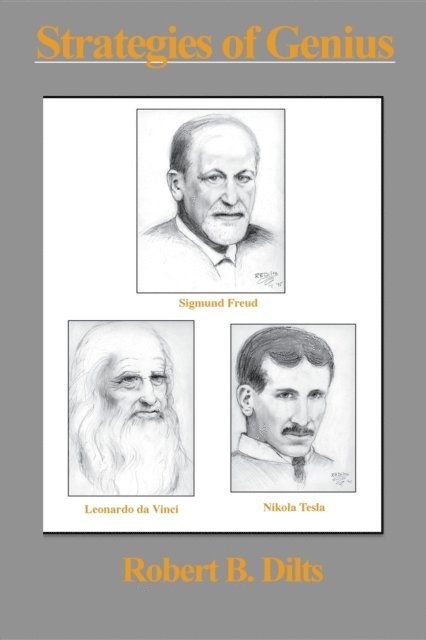
These questions and many others are explored and answered in this third volume of Strategies of Genius. NLP developer, trainer and author Robert Dilts studies the cognitive strategies of Sigmund Freud, Leonardo da Vinci and Nikola Tesla to uncover unique strategies for healing, change and creativity. This fascinating inquiry into the minds of these three exceptional men unveils the strategies by which they were able to explore and uncover the ‘deeper structures’ of the mind, nature and the future, and in doing so, change our world.
Examine Freud’s strategies for observation, analysis and interpretation by focusing on seemingly trivial details. Investigate Leonardo’s strategies for stimulating his imagination, improving his memory and probing the ‘first principles’ of nature by ‘chunking’ and synthesizing the core elements of a system. Learn how Nikola Tesla developed his ability to visualize to the degree that the only laboratory he needed in order to develop his incredible inventions was the one in his imagination.
By combining the power of NLP with the brilliance and wisdom of some of history’s greatest geniuses and innovators, Dilts is able to model and present simple but effective techniques for changing beliefs and behavior
133 kr
Läs direkt efter köp
Dynamic Learning is about a revolutionary new approach to learning and teaching. In this book, Robert Dilts and Todd Epstein present leading edge methods and techniques that improve the ability to learn in a variety of areas. Dilts and Epstein, co-authors of Tools for Dreamers, offer stimulating exercises and step-by-step procedures that help you to make better use of the most valuable resource you have—your brain. The authors describe a multitude of ways to make learning fun, easy and effective. These exercises and strategies were drawn from their experiences of working with individuals, conducting public seminars, and consulting and training in the public school system.
Dynamic Learning applies the process of learning through experience. The techniques and exercises of Dynamic Learning involve learning by doing and by exploring different strategies of thinking. In essence, Dynamic Learning is about learning how to learn. Dynamic Learning methods can be used by children or adults and have been especially effective for people who have experienced difficulties in learning.
This book provides effective strategies and methods to:
• Remember people’s names
• Strengthen your senses and mental capabilities to improve in every type of learning.
• Improve your memory
• Read faster and with better comprehension
• Spell more easily and accurately
• Learn foreign languages more quickly
• Write more creatively and fluently
Dynamic Learning provides a wealth of information and activities that can be used by anyone who wants to improve his or her abilities to learn. Discover the methods that transformed an entire school district and have changed the lives of many people who thought they were ‘slow’, ‘stupid’ or incapable of learning.
278 kr
Skickas inom 5-8 vardagar
288 kr
Skickas inom 5-8 vardagar
286 kr
Skickas inom 5-8 vardagar
288 kr
Skickas inom 5-8 vardagar
133 kr
Läs direkt efter köp
Intended to be an overall reference guide to all aspects of NLP theory and practice, Roots of Neuro-Linguistic Programming provides much of the important scientific background information that is not covered in the other “how-to” books written about Neuro-Linguistic Programming. This information is used to give important insights into how and why the specific NLP techniques work so effectively.
Each part has been written to build on the information provided by the previous section(s) but may also be read and understood with little or no reference to the other parts. While this book is technical in many respects, it is intended to serve as a resource to the novice as well as to the experienced student of human behavior and experience.
126 kr
Läs direkt efter köp
Effective Presentation Skills
At some point in our lives we are probably all called upon to make a presentation. It may be at school, a social function of form some professional purpose. The demands of the “Information Age” make it increasingly necessary and likely that we will need to make presentations as part of our normal activities.
Making an effective presentation requires the ability to communicate and relate to other people. These are very basic skills, yet they are not usually taught to us as part of our traditional classroom education or professional training. The purpose of this book is to provide some of the key practical communication and relational skills necessary to make effective presentations.
The great Greek philosopher Aristotle maintained that an effective speaker had to have three basic abilities: (1) to reason logically, (2) to understand human character and (3) to understand the emotions. These capabilities appear to be as relevant today as they were twenty-five hundred years ago.
This book is about how to develop skills that support these abilities by applying modern developments in the psychology of learning and communication primarily drawn from the field of Neuro-Linguistic Programming.
While the skills in this book are relevant for all types of presentations, the focus is on people who make presentations for professional reasons. In particular, it focuses on presentations for teaching and training purposes, i.e., those related to organizational learning. In addition to professional trainers and teachers, it includes managers, consultants and others who need to share knowledge and information.
The book covers three general areas involved in making effective presentations in a learning context including (1) basic principles for forming an effective communication strategy, (2) designing and planning effective presentations and presentation materials and (3) managing issues related to motivation and interactions with a group or audience.
123 kr
Läs direkt efter köp
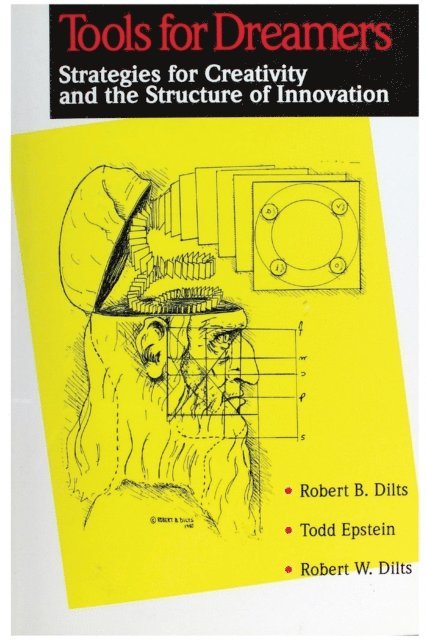
Thomas Edison said that the process of invention is 1% inspiration and 99% perspiration. The implication of this statement is that most creative activity is in fact an incremental process that has a structure and requires organization and constant effort to maintain. In many ways, however, creativity has remained elusive—a seemingly mysterious gift that you either have or you don't have—rather than a set of skills that can be transferred and managed systematically and explicitly.
Neuro-Linguistic Programming (NLP) provides a set of tools that can allow us to take major steps toward the overcoming of this limitation. The field of Neuro-Linguistic Programming has developed out of the modeling of human thinking skills. The NLP modeling process involves finding out about how the brain ("Neuro") is operating by analyzing language patterns ("Linguistic") and non-verbal communication. The results of this analysis are then put into step-by-step strategies or programs ("Programming") that may be used transfer the skill to other people and applications.
NLP provides a way to look past the behavioral content of what people do to the more invisible forces behind those behaviors; to the structures of thought that allow people to perform effectively. NLP provides a framework and a language that allows one to model the relevant mental strategies used by creative and innovative people so that those inner processes can be communicated about, stimulated and managed in a systemic way. Through NLP, we can:
define the creative process of an individual, group and organizational level.create a vocabulary that will support and enhance the creative process.provide specific ways people can more effectively support, enhance and direct creativity in individuals and teams.determine ways to identify different types of creative people.The purpose of this book is to examine the structure and principles of creativity in order to enhance and supplement the creativity and productivity of individuals, teams and organizations. The behavioral technology provided by Neuro-Linguistic Programming makes explicit the strategies and steps involved in the creative process on a number of different levels, including:
stimulating personal creativity: enhancing day-to-day creativity and flexibility on a personal level.managing group creativity: Stimulating innovation within the dynamic patterns of groups and teams.promoting entrepreneurial beliefs and attitudes.288 kr
Skickas inom 5-8 vardagar