Robert C. Reimer – författare
Visar alla böcker från författaren Robert C. Reimer. Handla med fri frakt och snabb leverans.
4 produkter
4 produkter
695 kr
Skickas inom 10-15 vardagar
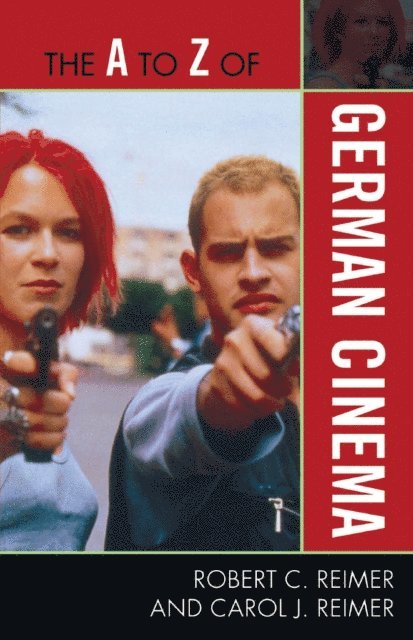
German film is diverse and multi-faceted; its history includes five distinct German governments (Wilhelmine Germany, the Weimar Republic, the Third Reich, the Federal Republic of Germany, and the German Democratic Republic), two national industries (Germany and Austria), and a myriad of styles and production methods. Paradoxically, the political disruptions that have produced these distinct film eras, as well as the natural inclination of artists to rebel and create new styles, allow for the construction of a narrative of German film. While the disjuncture generates distinct points of separation, it also highlights continuities between the ruptures.Outlining the richness of German film, The A to Z of German Cinema covers mainstream, alternative, and experimental film from 1895 to the present through a chronology, introductory essay, appendix of the 100 most significant German films, a bibliography, and hundreds of cross-referenced dictionary entries on directors, actors, films, cinematographers, composers, producers, and major historical events that greatly affected the direction and development of German cinema. The book's broad canvas will lead students and scholars of cinema to appreciate the complex nature of German film.
1 320 kr
Skickas inom 10-15 vardagar
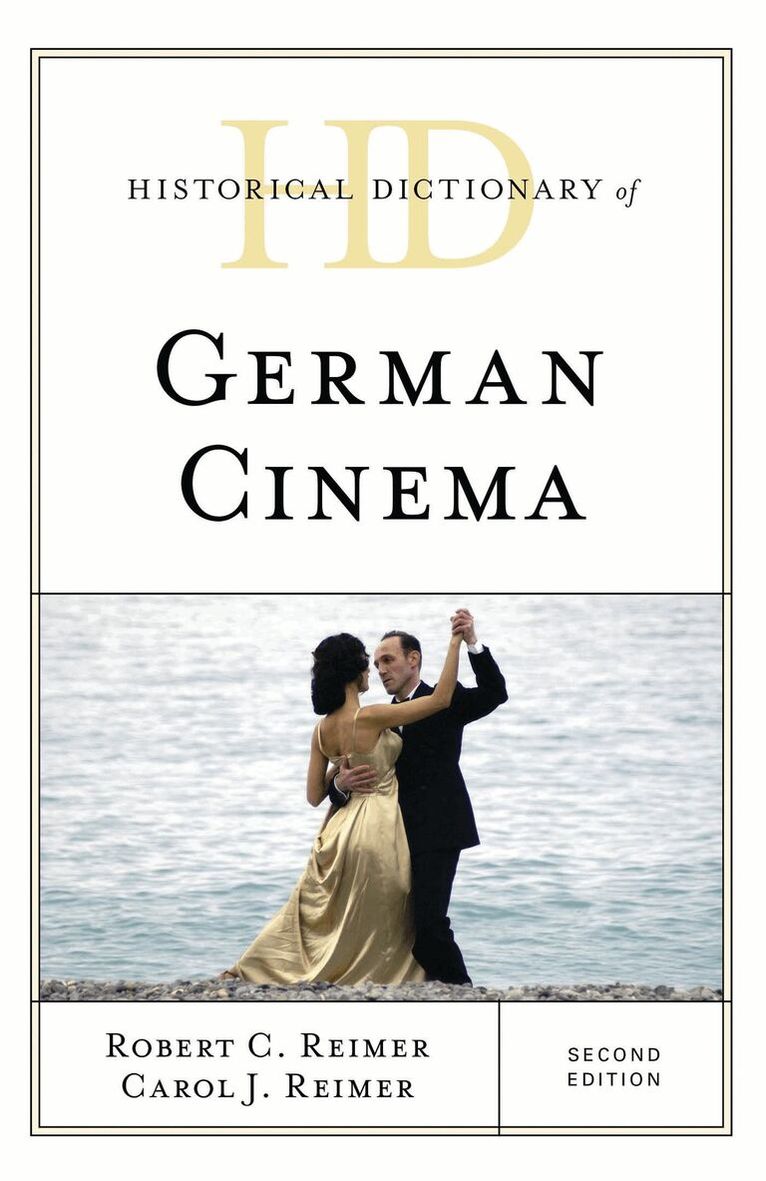
The History of German film is diverse and multi-faceted. This volume can only suggest the richness of a film tradition that includes five distinct German governments [Wilhelmine Germany, the Weimar Republic, the Third Reich, the Federal Republic of Germany (West Germany), and the German Democratic Republic (East Germany), s well as a reunited Germany], two national industries (Germany and Austria), and a myriad of styles and production methods. Paradoxically, the political disruptions that have produced these distinct film eras, as well as and the natural inclination of artists to rebel and create new styles, allow for construction of a narrative of German film. Disjuncture generates distinct points of separation, and yet also highlights continuities between the ruptures.This second edition of Historical Dictionary of German Cinema contains a chronology, an introduction, appendixes and an extensive bibliography. The dictionary section has over 200 cross-referenced entries on directors, actors, films, cinematographers, composers, producers, and major historical events that greatly affected the direction and development of German cinema. This book is an excellent resource for students, researchers, and anyone wanting to know more about German cinema.
1 861 kr
Skickas inom 10-15 vardagar
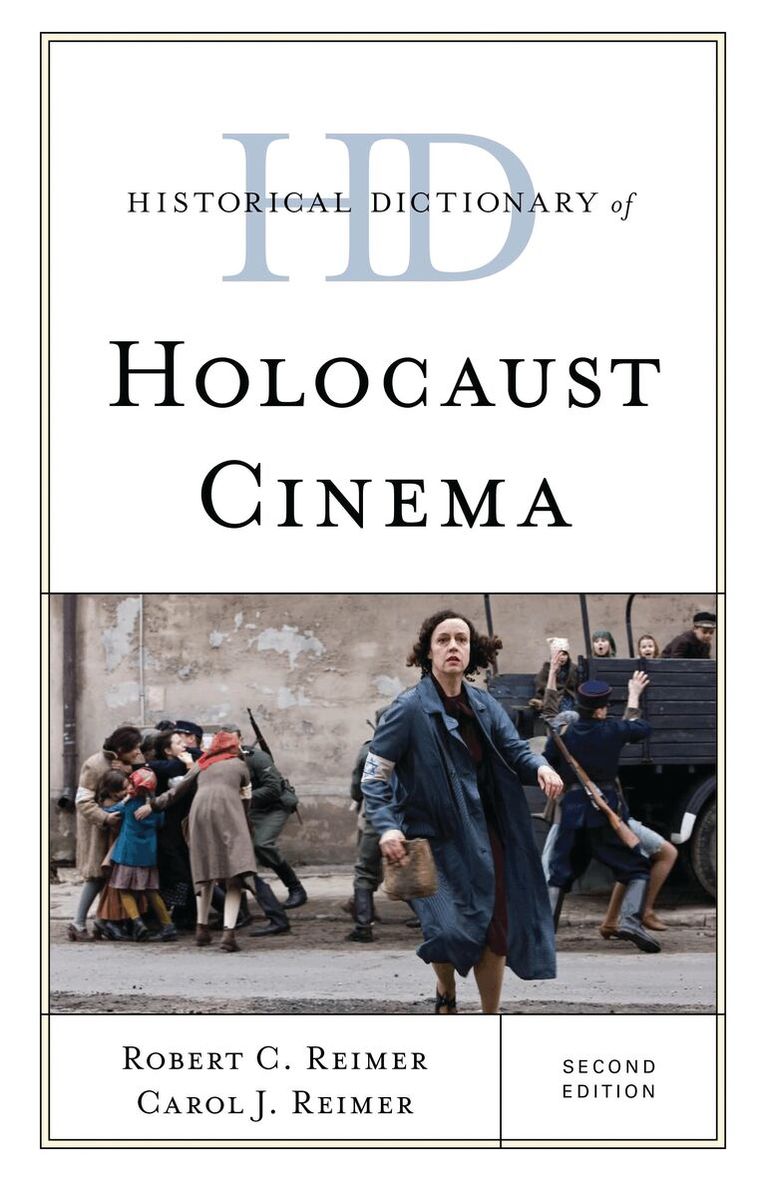
Some 80 years after the end of World War two and Nazi Germany’s attempt to annihilate European Jews and the Jewish culture, the story of the Holocaust continues to be told in novels, paintings, music, sculpture and film. Over the past eight decades, close to a thousand documentaries, narrative shorts and features, television miniseries and filmed statements from survivors, have confronted the horrors of the past, creating a recognizable iconography of persecution, suffering, and genocide. While arguably, movies and television have a tendency to overly simply, if not trivialize, historical events, popular culture artists also keep the past from being forgotten. Historical Dictionary of Holocaust Cinema, Second Edition contains a chronology, an introduction, and an extensive bibliography. The dictionary section has more than 175 cross-referenced entries on films, directors, and historical figures. Foreign-language, experimental, and canonical films are included. This book is an excellent resource for students, researchers, and anyone wanting to know more about holocaust cinema.
Del 1 - Studies in German Literature Linguistics and Culture
Cultural History through a National Socialist Lens
Essays on the Cinema of the Third Reich
Häftad, Engelska, 2002
350 kr
Skickas inom 10-15 vardagar
A fascinating look at Nazi Germany as revealed in its films.This collection of essays offers a view of Nazi Germany through an analysis of twenty films, representing a sampling of the period's directors and reflecting the film medium's major genres. In spite of the control that Goebbels's film industry exercised over all aspects of filmmaking in the Third Reich, the films reveal an individuality that belies subsuming them under any one rubric or containing them within any one theory. Films such as Hitlerjunge Quex, Die große Liebe, and Auf Wiedersehen Franziska represent the Nazi film industry's efforts to propagandize through entertainment. Others such as Immensee, Kleider machen Leute, and Der Schimmelreiter reveal an attempt to expropriate Germany's rich literary past for the regime. These literary adaptations and films like Glückskinder, La Habanera, and Der Kaiser von Kalifornien today seem void of Nazi ideology if viewed outside the context of Nazism. But another film, Der ewige Jude, shocks us with its virulent anti-Semitism and hateful propaganda almost sixty years after its release. All of the films treated, regardless of their fame or notoriety or the level of commitment of their directors to the Nazi cause, played an important role in a cinema that not only represents the dreams and lives of the citizens of the Third Reich, but influencedthem as well.Robert C. Reimer is professor of German at the University of North Carolina, Charlotte.