Robert D. Bullard – författare
Visar alla böcker från författaren Robert D. Bullard. Handla med fri frakt och snabb leverans.
11 produkter
11 produkter
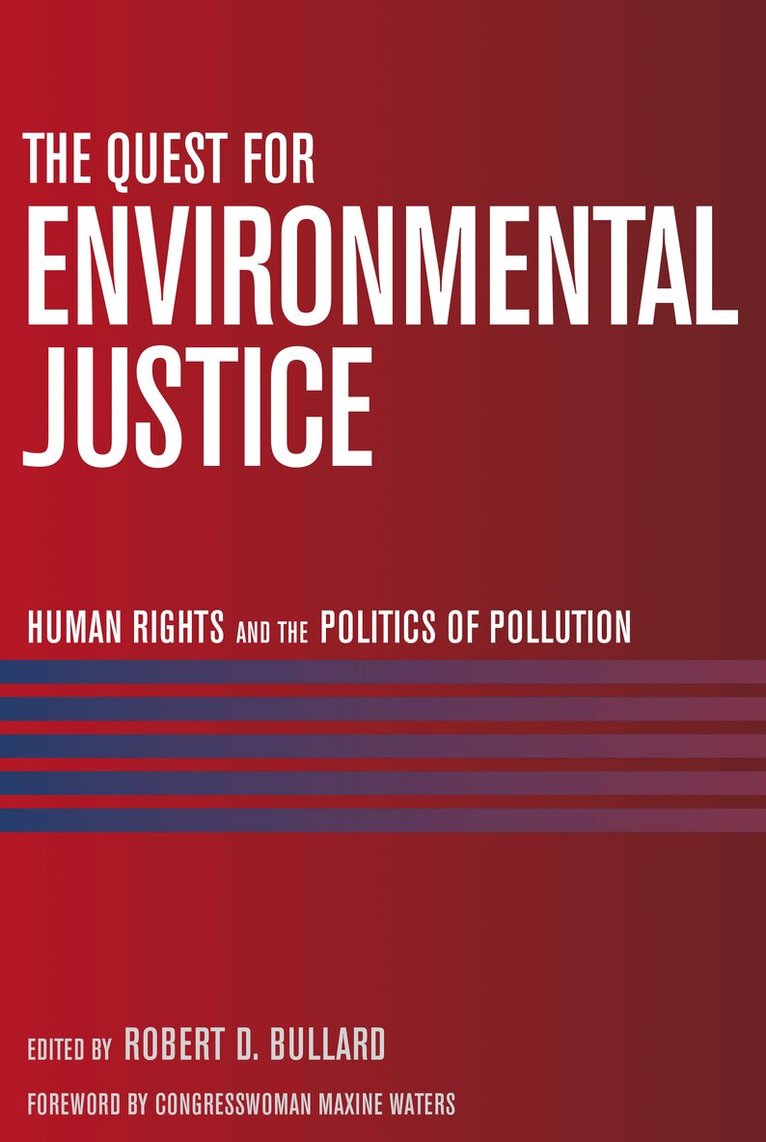
Häftad, Engelska, 2007
561 kr
Skickas inom 5-8 vardagar
Häftad, Engelska, 2006
438 kr
Skickas inom 5-8 vardagar
Inbunden, Engelska, 2019
2 133 kr
Skickas inom 10-15 vardagar
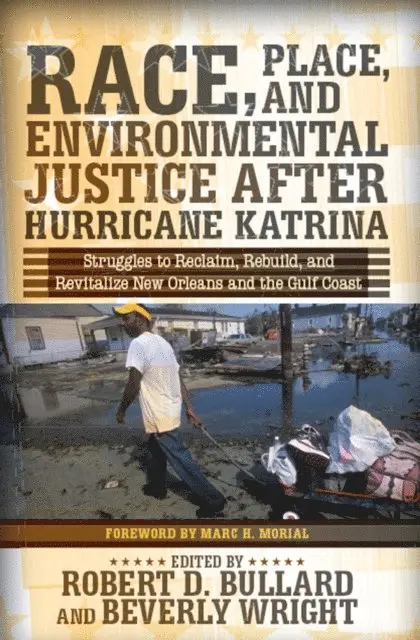
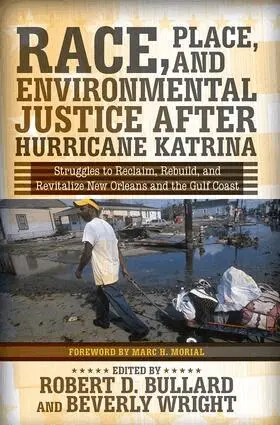
On August 29, 2005, Hurricane Katrina made landfall near New Orleans leaving death and destruction across the Louisiana, Mississippi, and Alabama Gulf Coast counties. The lethargic and inept emergency response that followed exposed institutional flaws, poor planning, and false assumptions that are built into the emergency response and homeland security plans and programs. Questions linger: What went wrong? Can it happen again? Is our government equipped to plan for, mitigate, respond to, and recover from natural and manmade disasters? Can the public trust government response to be fair? Does race matter? Racial disparities exist in disaster response, cleanup, rebuilding, reconstruction, and recovery. Race plays out in natural disaster survivors' ability to rebuild, replace infrastructure, obtain loans, and locate temporary and permanent housing. Generally, low-income and people of color disaster victims spend more time in temporary housing, shelters, trailers, mobile homes, and hotels - and are more vulnerable to permanent displacement. Some 'temporary' homes have not proved to be that temporary. In exploring the geography of vulnerability, this book asks why some communities get left behind economically, spatially, and physically before and after disasters strike.
Inbunden, Engelska, 2019
1 928 kr
Skickas inom 10-15 vardagar
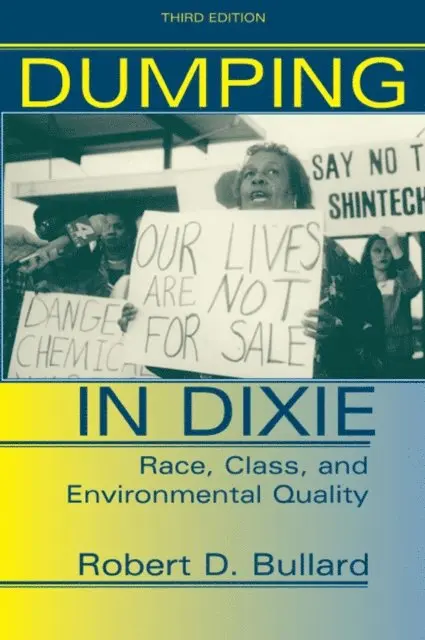
This book provides the major economic, social, and psychological impacts associated with the siting of noxious facilities and their significance in mobilizing the African American community. It explores the barriers to environmental and social justice experienced by African Americans.
Inbunden, Engelska, 2007
1 627 kr
Skickas inom 10-15 vardagar
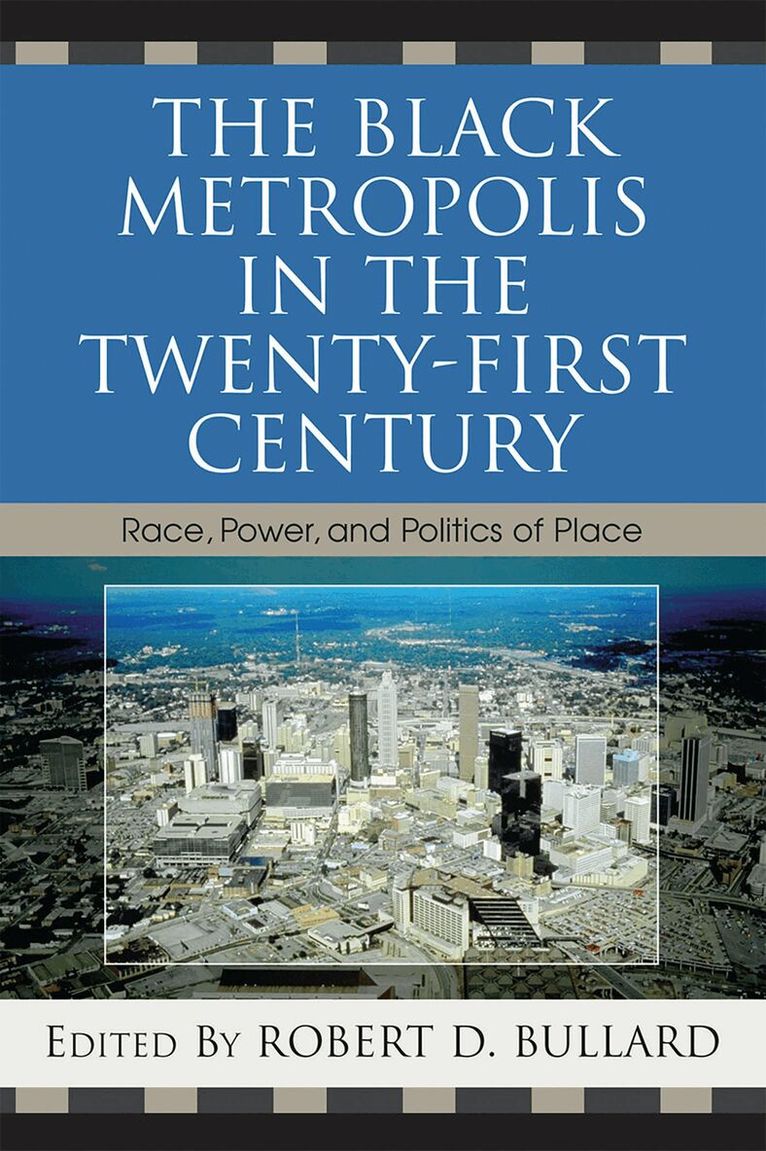
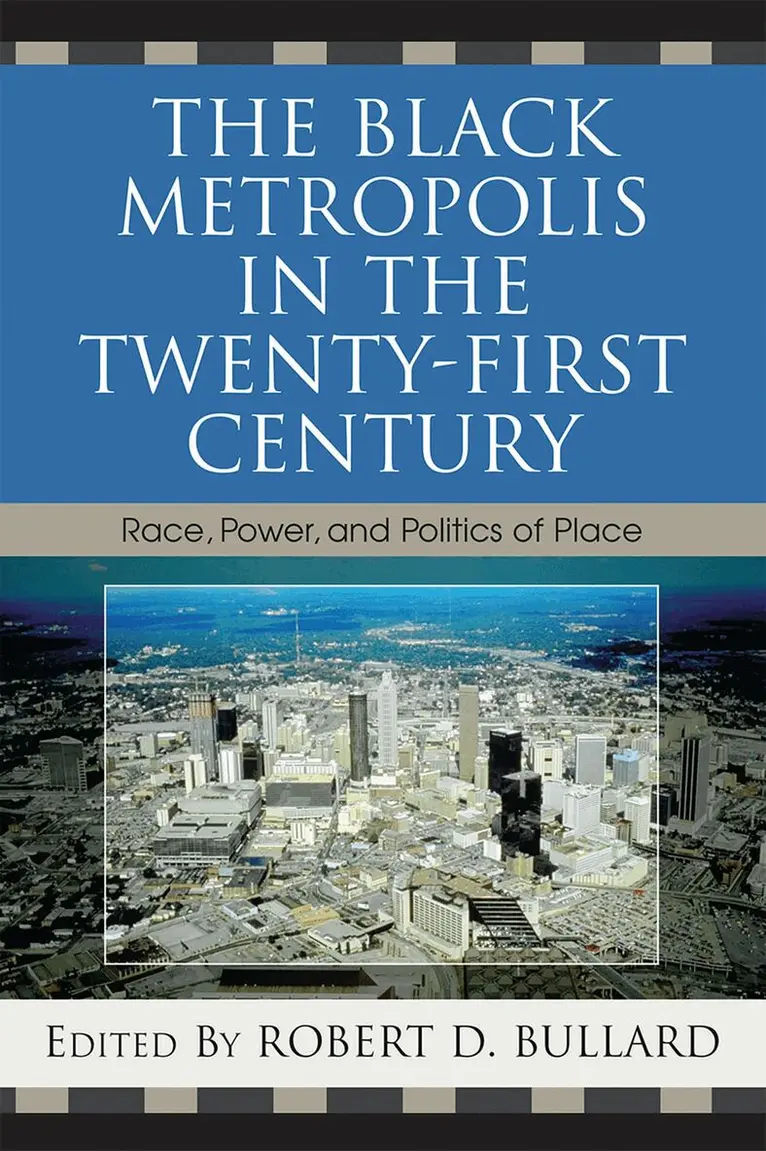
This book brings together key essays that seek to make visible and expand our understanding of the role of government (policies, programs, and investments) in shaping cities and metropolitan regions; the costs and consequences of uneven urban and regional growth patterns; suburban sprawl and public health, transportation, and economic development; and the enduring connection of place, space, and race in the era of increased globalization. Whether intended or unintended, many government policies (housing, transportation, land use, environmental, economic development, education, etc.) have aided and in some cases subsidized suburban sprawl, job flight, and spatial mismatch; concentrated urban poverty; and heightened racial and economic disparities. Written mostly by African American scholars, the book captures the dynamism of these meetings, describing the challenges facing cities, suburbs, and metropolitan regions as they seek to address continuing and emerging patterns of racial polarization in the twenty-first century. The book clearly shows that the United States entered the new millennium as one of the wealthiest and the most powerful nations on earth. Yet amid this prosperity, our nation is faced with some of the same challenges that confronted it at the beginning of the twentieth century, including rising inequality in income, wealth, and opportunity; economic restructuring; immigration pressures and ethnic tension; and a widening gap between "haves" and "have-nots." Clearly, race matters. Place also matters. Where we live impacts the quality of our lives and chances for the "good life."
Häftad, Engelska, 2007
587 kr
Skickas inom 10-15 vardagar
This book brings together key essays that seek to make visible and expand our understanding of the role of government (policies, programs, and investments) in shaping cities and metropolitan regions; the costs and consequences of uneven urban and regional growth patterns; suburban sprawl and public health, transportation, and economic development; and the enduring connection of place, space, and race in the era of increased globalization. Whether intended or unintended, many government policies (housing, transportation, land use, environmental, economic development, education, etc.) have aided and in some cases subsidized suburban sprawl, job flight, and spatial mismatch; concentrated urban poverty; and heightened racial and economic disparities. Written mostly by African American scholars, the book captures the dynamism of these meetings, describing the challenges facing cities, suburbs, and metropolitan regions as they seek to address continuing and emerging patterns of racial polarization in the twenty-first century. The book clearly shows that the United States entered the new millennium as one of the wealthiest and the most powerful nations on earth. Yet amid this prosperity, our nation is faced with some of the same challenges that confronted it at the beginning of the twentieth century, including rising inequality in income, wealth, and opportunity; economic restructuring; immigration pressures and ethnic tension; and a widening gap between "haves" and "have-nots." Clearly, race matters. Place also matters. Where we live impacts the quality of our lives and chances for the "good life."
Häftad, Engelska, 2009
681 kr
Skickas inom 10-15 vardagar
On August 29, 2005, Hurricane Katrina made landfall near New Orleans leaving death and destruction across the Louisiana, Mississippi, and Alabama Gulf Coast counties. The lethargic and inept emergency response that followed exposed institutional flaws, poor planning, and false assumptions that are built into the emergency response and homeland security plans and programs. Questions linger: What went wrong? Can it happen again? Is our government equipped to plan for, mitigate, respond to, and recover from natural and manmade disasters? Can the public trust government response to be fair? Does race matter? Racial disparities exist in disaster response, cleanup, rebuilding, reconstruction, and recovery. Race plays out in natural disaster survivors' ability to rebuild, replace infrastructure, obtain loans, and locate temporary and permanent housing. Generally, low-income and people of color disaster victims spend more time in temporary housing, shelters, trailers, mobile homes, and hotels - and are more vulnerable to permanent displacement. Some 'temporary' homes have not proved to be that temporary. In exploring the geography of vulnerability, this book asks why some communities get left behind economically, spatially, and physically before and after disasters strike.
Inbunden, Engelska, 2012
746 kr
Skickas
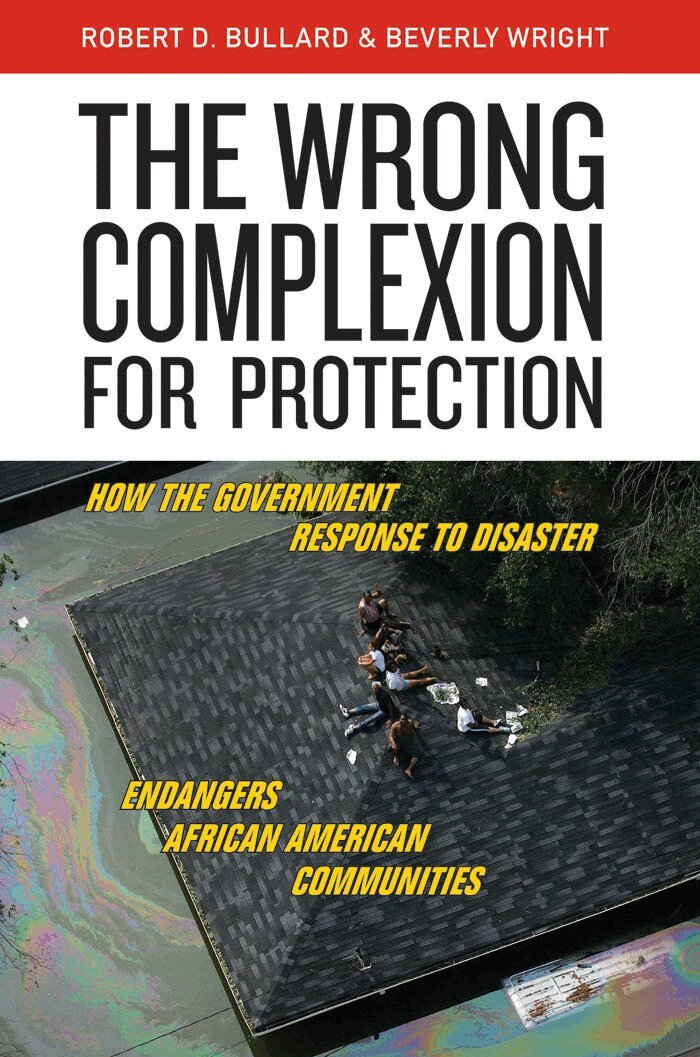
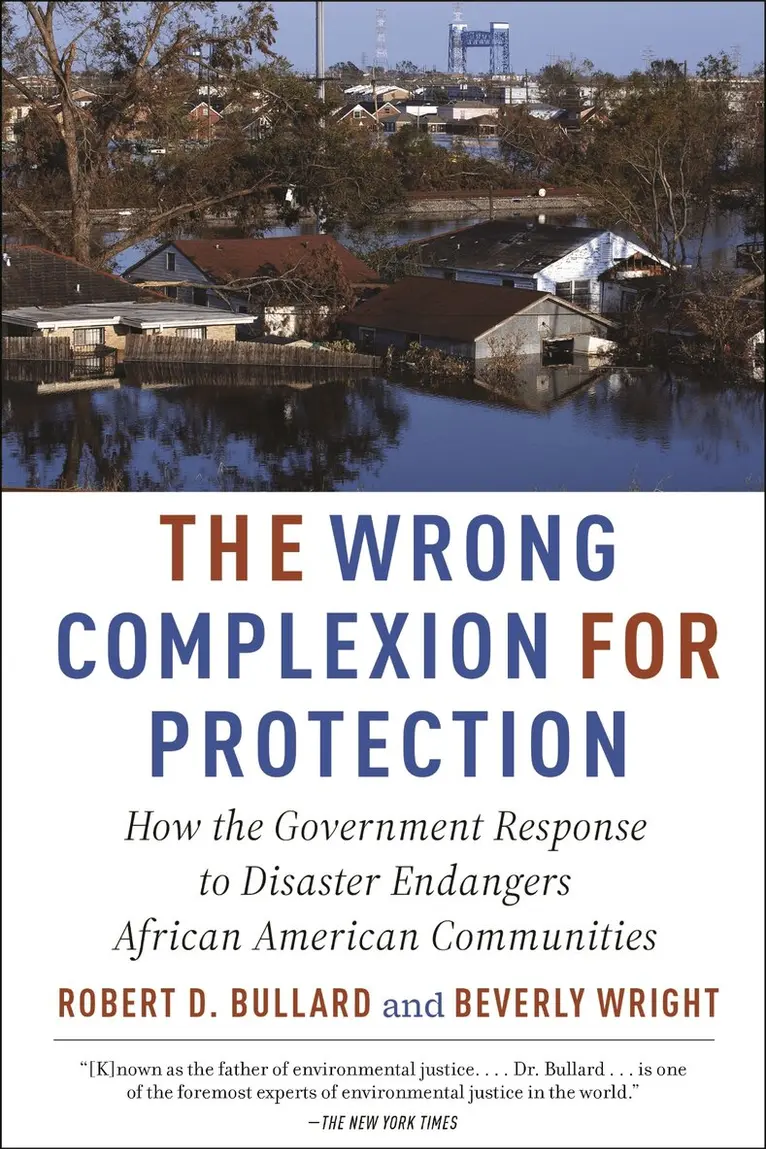
Uncovers the ways the United States government responds to natural and human-induced disasters in relation to race over the past eight decadesWhen the images of desperate, hungry, thirsty, sick, mostly black people circulated in the aftermath of Hurricane Katrina, it became apparent to the whole country that race did indeed matter when it came to government assistance. In The Wrong Complexion for Protection, Robert D. Bullard and Beverly Wright place the government response to natural and human-induced disasters in historical context over the past eight decades. They compare and contrast how the government responded to emergencies, including environmental and public health emergencies, toxic contamination, industrial accidents, bioterrorism threats and show that African Americans are disproportionately affected. Bullard and Wright argue that uncovering and eliminating disparate disaster response can mean the difference between life and death for those most vulnerable in disastrous times.
Häftad, Engelska, 2023
226 kr
Skickas inom 5-8 vardagar
Uncovers the ways the United States government responds to natural and human-induced disasters in relation to race over the past eight decadesWhen the images of desperate, hungry, thirsty, sick, mostly black people circulated in the aftermath of Hurricane Katrina, it became apparent to the whole country that race did indeed matter when it came to government assistance. In The Wrong Complexion for Protection, Robert D. Bullard and Beverly Wright place the government response to natural and human-induced disasters in historical context over the past eight decades. They compare and contrast how the government responded to emergencies, including environmental and public health emergencies, toxic contamination, industrial accidents, bioterrorism threats and show that African Americans are disproportionately affected. Bullard and Wright argue that uncovering and eliminating disparate disaster response can mean the difference between life and death for those most vulnerable in disastrous times.
Häftad, Engelska, 2000
196 kr
Skickas inom 10-15 vardagar
Häftad, Engelska, 2005
237 kr
Skickas inom 3-6 vardagar