Robert D. Hoge - Böcker
Visar alla böcker från författaren Robert D. Hoge. Handla med fri frakt och snabb leverans.
8 produkter
8 produkter
548 kr
Skickas inom 5-8 vardagar
Forensic mental health assessment (FMHA) has grown into a specialization informed by research and professional guidelines. This series presents up-to-date information on the most important and frequently conducted forms of FMHA. The 19 topical volumes address best approaches to practice for particular types of evaluation in the criminal, civil, and juvenile/family areas. Each volume contains a thorough discussion of the relevant legal and psychological concepts, followed by a step-by-step description of the assessment process from preparing for the evaluation to writing the report and testifying in court.Volumes include the following helpful features:BL Boxes that zero in on important information for use in evaluationsBL Tips for best practice and cautions against common pitfallsBL Highlighting of relevant case law and statutesBL Separate list of assessment tools for easy referenceBL Helpful glossary of key terms for the particular topicIn making recommendations for best practice, authors consider empirical support, legal relevance, and consistency with ethical and professional standards. These volumes offer invaluable guidance for anyone involved in conducting or using forensic evaluations. This book places juvenile risk assessment within the context of FMHA for juveniles, so those using it will find it particularly useful to incorporate into their evaluations of risk and needs for adolescents in the juvenile justice system.
1 096 kr
Skickas inom 10-15 vardagar
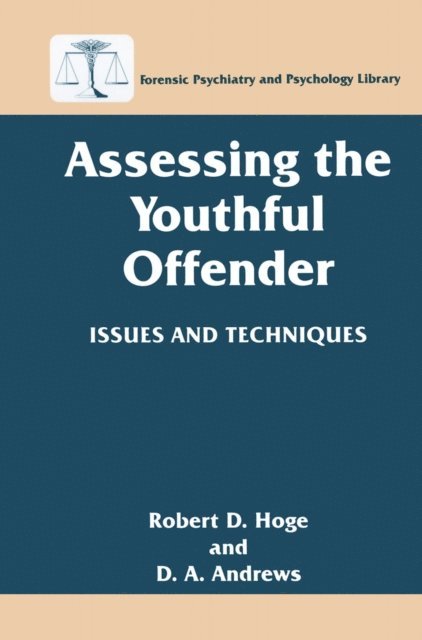
Our society's preoccupation with crime and fear of crime appears to have shifted its focus to the juvenile offender. Both electronic and print media continuously warn us that juvenile offenders are increasingly younger and more virulent. The demographics of our population suggest that there will only be more juvenile offenders to fear in the near future. All of these concerns arise in a social climate that is characterized by an ever increasing demand for stronger retributive measures against the offender. The belief that only harsh justice will protect us from the ravages of juveniles has become dominant. Increasingly, perceptions and politics, rather than scientific data, dominate policy making with regard to youthful offenders. In Assessing the Youthful Offender: Issues and Techniques, Robert D. Hoge and D. A. Andrews make a restrained, rational, and ultimately persuasive argu ment for the use of standardized psychological assessments in the effective management of youth within juvenile justice systems. They clarify how what we already know about the cause and management of youthful criminal activity can be incorporated into standardized testing and that the information obtained from testing can improve the administration of criminal justice. Moreover, this informa tion is useful whatever the theoretical biases of those who administer the justice system. The efficiency of policies of either retribution, deterrence, or rehabilitation is only enhanced by reliance on data.
1 096 kr
Skickas inom 10-15 vardagar
This important work educates individuals working within the youth justice system of the usefulness-and-limitations-of psychological assessments in the processing of youthful offenders. The authors favor a child welfare and rehabilitative approach, but they argue that the use of valid assessments can improve the quality and consistency of judgments and inferences made about youths in any system by improving the quality of the information used. The book closes with extensive recommendations and appendices listing instruments, procedures, and resources.
2 121 kr
Skickas inom 10-15 vardagar
The problem of criminal behaviour among youth is one faced by every society. This book presents a discussion of advances in our understanding of the juvenile offender. These derive from psychological and criminological theory and research and from efforts on the part of social science researchers and practitioners to develop and evaluate new approaches to the prevention and treatment of the serious problem of youth crime.
861 kr
Skickas inom 5-8 vardagar
Adolescence is a distinct period of development that presents a number of special challenges. This fact has important implications for professionals selecting and administering assessment procedures and interpreting the data they yield, yet assessment texts have focused on adults or children and devoted minimal attention to adolescents. This book constitutes the first up-to-date and practical guide to the effective psychological assessment of adolescents. Throughout, the author's emphasis is on standardized instruments. Their use, he argues, provides more valid information about individuals, leads to better treatment or placement decisions, and contributes to the more efficient management of organizational resources than does reliance on clinical interviews and judgment alone. Assessing Adolescents in Educational, Counseling, and Other Settings will be welcomed by all those professionally involved in the assessment of adolescents--psychologists, psychiatrists, social workers, child care agency staff, and educators--as well as by those who must make decisions based on their assessments--school principals, youth court judges, and managers of residential treatment facilities among others. Developmental researchers will also find this review of available standardized tools helpful in their work.
355 kr
Skickas inom 10-15 vardagar
Adolescence is a distinct period of development that presents a number of special challenges. This fact has important implications for professionals selecting and administering assessment procedures and interpreting the data they yield, yet assessment texts have focused on adults or children and devoted minimal attention to adolescents. This book constitutes the first up-to-date and practical guide to the effective psychological assessment of adolescents. Throughout, the author's emphasis is on standardized instruments. Their use, he argues, provides more valid information about individuals, leads to better treatment or placement decisions, and contributes to the more efficient management of organizational resources than does reliance on clinical interviews and judgment alone. Assessing Adolescents in Educational, Counseling, and Other Settings will be welcomed by all those professionally involved in the assessment of adolescents--psychologists, psychiatrists, social workers, child care agency staff, and educators--as well as by those who must make decisions based on their assessments--school principals, youth court judges, and managers of residential treatment facilities among others. Developmental researchers will also find this review of available standardized tools helpful in their work.
2 062 kr
Skickas inom 10-15 vardagar
This book provides a discussion ofadvances in our understanding of the juvenile offender. These derive from psychological and criminological theoryand researchonthe phenomenonofyouth crime and from efforts on the part of social science researchers and practitioners to develop and evaluate new approaches to prevention and treatment. The theoretical and empirical advances relate, first, to analyses of the nature and extent ofyouth crime. This is reflected, for example, in various descriptive and classification systems developed for characterizingjuvenile offenders. Significant advances are also being made in understanding the risk factors associated with youthful criminal activity, as well as the processes linking the risk factors with antisocial behaviors. This understanding is based on theory and research relatingto the correlates andcauses ofdelinquency. The advances in our understanding of the nature, correlates, and causes of juvenile crime are accompanied by progress in analyzing the treatment ofyouth in juvenile justice systems and in developing and evaluating alternative approaches to treatment. These efforts include research on decision-making within juvenile justice systems and the development of screening and assessment tools. This also includes efforts to develop and evaluate effective prevention and treatment programs for use with youths involved in criminal activity and those at risk for this activity.
444 kr
Tillfälligt slut
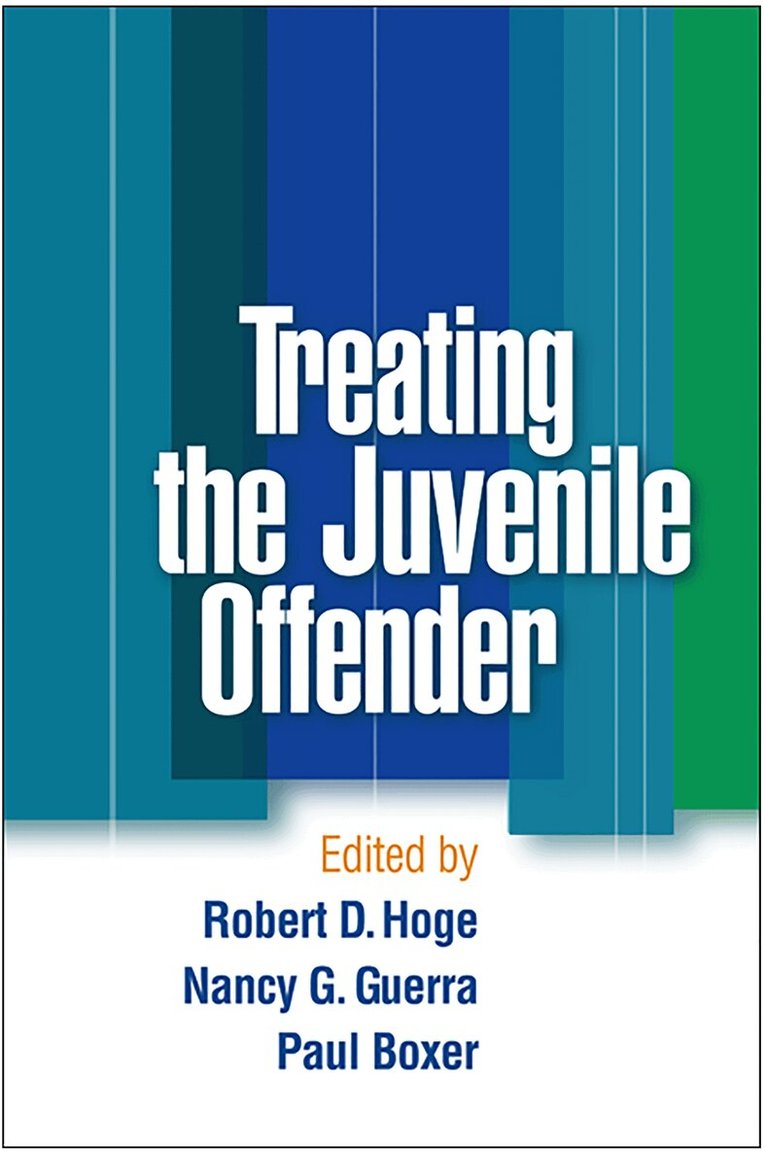
This authoritative, highly readable reference and text is grounded in the latest knowledge on how antisocial and criminal behavior develops in youth and how it can effectively be treated. Contributors describe proven ways to reduce juvenile delinquency by targeting specific risk factors and strengthening young people's personal, family, and community resources. Thorough yet concise, the book reviews exemplary programs and discusses theoretical, empirical, and practical issues in assessment and intervention. It also provides best-practice recommendations for working with special populations: violent offenders; gang members; sexual offenders; youth with mental health, substance abuse, educational, and learning problems; and female offenders.