Robert DeSalle - Böcker
Visar alla böcker från författaren Robert DeSalle. Handla med fri frakt och snabb leverans.
4 produkter
4 produkter
2 937 kr
Skickas inom 7-10 vardagar
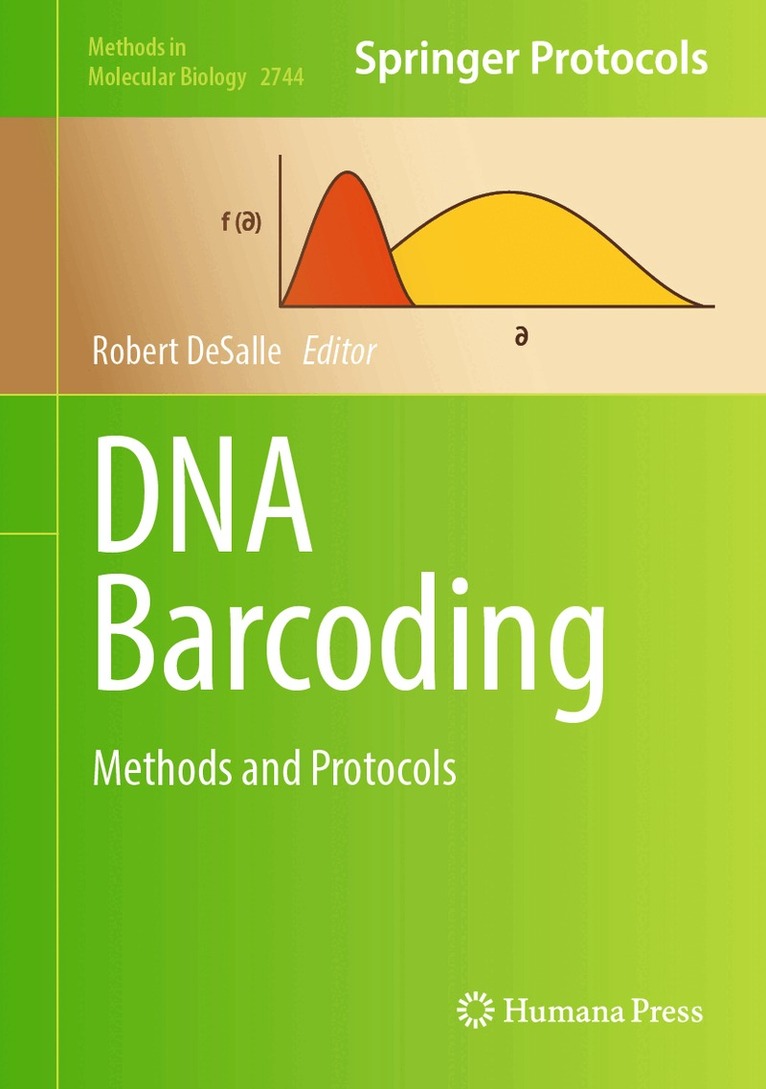
This volume covers the latest advancements and methods used to study DNA barcoding. The chapters in this book are organized into six parts: theory, DNA manipulation, specialized barcoding methods, analysis of DNA barcodes, completing a successful DNA barcode project, and barcoding as citizen science. Part One looks at several theoretical issues in DNA barcoding concerned with DNA barcodes that can and should be used. Part Two discusses protocols for processing samples into DNA barcodes, including DNA isolation, sequencing and managing samples, and the resulting DNA barcodes. Part Three explores the next generation of DNA barcoding such as FRET-based detection, dual nanopore detection, skimming, and closed-tube methods. Part Four addresses programs and websites that handle DNA barcoding data, and includes character-based approaches, barcode gap methods, integrated approaches, and Barcode of Life Database. Part Five offers protocols for producing a successfulDNA barcoding project including plant and animal examples and protocols for generating a DNA Barcode Reference Library. Lastly, Part Six talks about several novel protocols for setting up an educational program using DNA barcodes. Written in the highly successful Methods in Molecular Biology series format, chapters include introductions to their respective topics, lists of the necessary materials and reagents, step-by-step, readily reproducible laboratory protocols, and tips on troubleshooting and avoiding known pitfalls.Cutting-edge and thorough, DNA Barcoding: Methods and Protocols encompasses a wide range of techniques and will be a useful reference tool for both scientist and student.
2 310 kr
Skickas inom 10-15 vardagar
The chapters in this book are organized into six parts: theory, DNA manipulation, specialized barcoding methods, analysis of DNA barcodes, completing a successful DNA barcode project, and barcoding as citizen science.
608 kr
Skickas inom 7-10 vardagar
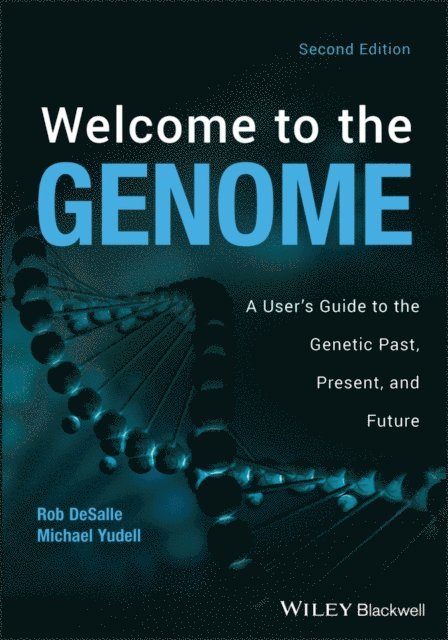
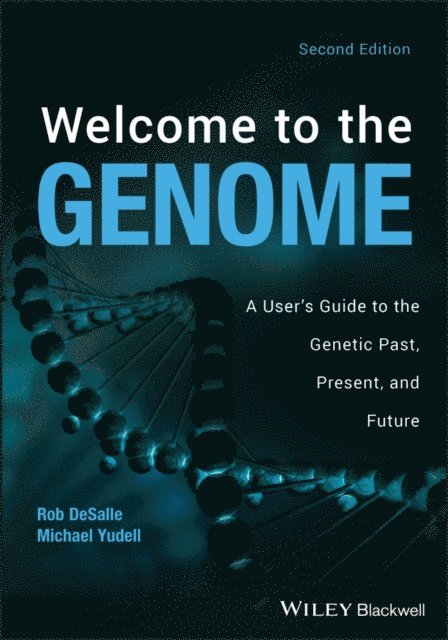
The popular introduction to the genomic revolution for non-scientists—the revised and updated new editionWelcome to the Genome is an accessible, up-to-date introduction to genomics—the interdisciplinary field of biology focused on the structure, function, evolution, mapping, and editing of an organism's complete set of DNA. Written for non-experts, this user-friendly book explains how genomes are sequenced and explores the discoveries and challenges of this revolutionary technology. Genomics is a mixture of many fields, including not only biology, engineering, computer science, and mathematics, but also social sciences and humanities. This unique guide addresses both the science of genomics and the ethical, moral, and social questions that rise from the technology.There have been many exciting developments in genomics since this book's first publication. Accordingly, the second edition of Welcome to the Genome offers substantial new and updated content to reflect recent major advances in genome-level sequencing and analysis, and demonstrates the vast increase in biological knowledge over the past decade. New sections cover next-generation technologies such as Illumina and PacBio sequencing, while expanded chapters discuss controversial ethical and philosophical issues raised by genomic technology, such as direct-to-consumer genetic testing. An essential resource for understanding the still-evolving genomic revolution, this book: Introduces non-scientists to basic molecular principles and illustrates how they are shaping the genomic revolution in medicine, biology, and conservation biologyExplores a wide range of topics within the field such as genetic diversity, genome structure, genetic cloning, forensic genetics, and moreIncludes full-color illustrations and topical examplesPresents material in an accessible, user-friendly style, requiring no expertise in genomicsDiscusses past discoveries, current research, and future possibilities in the fieldSponsored by the American Museum of Natural History, Welcome to the Genome: A User's Guide to the Genetic Past, Present, and Future is a must-read book for anyone interested in the scientific foundation for understanding the development and evolutionary heritage of all life.
267 kr
Tillfälligt slut
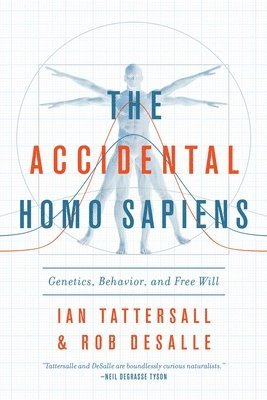
What happens now that human population has outpaced biological natural selection? Two leading scientists reveal how we became who we are—and what we might become.When we think of evolution, the image that likely comes to mind is the iconic, straight-forward image of a primate morphing into a human being. Yet random events have played huge roles in determining the evolutionary histories of everything from lobsters to humans. However, random genetic novelties are most likely to "stick" in small populations. It is mathematically unlikely to happen in large ones. With our enormous and seemingly inexorably expanding population, humanity has fallen under the influence of the famous (or infamous) “bell curve.” This revelatory new book explores what the future of our species could hold, while simultaneously revealing what we didn’t become—and what we won’t become. A cognitively unique species, our actions fall on a bell curve as well. Individuals may be saintly or evil, narrow-minded or visionary. But it is possible not just for the species, but for a person to be all of these things—even in a single day. We all fall somewhere within the giant hyperspace of the human condition that these curves describe. The Accidental Homo Sapiens shows readers that though humanity now exists on this bell curve, we are far from a stagnant species. Tattersall and DeSalle reveal how biological evolution in modern humans has given way to a cultural dynamic that is unlike anything else the Earth has ever witnessed, and that will keep life interesting—perhaps sometimes too interesting—for as long as we exist on this planet.