Robert E. DiClerico – författare
Visar alla böcker från författaren Robert E. DiClerico. Handla med fri frakt och snabb leverans.
2 produkter
2 produkter
E-bok
Engelska, 2000404 kr
Läs direkt efter köp
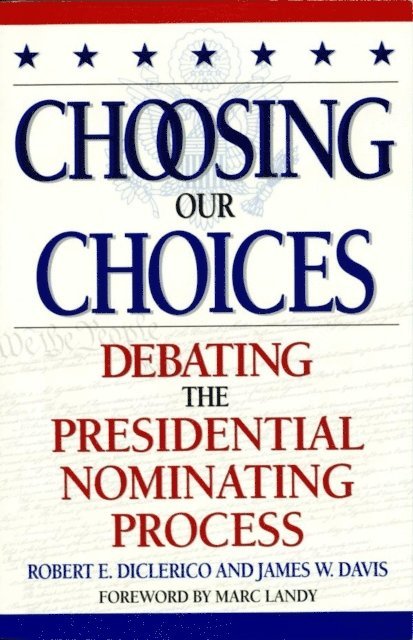
Probably no feature of the American political system has been subject to more sustained criticism over the last twenty-five years than the process by which we choose our presidents. In Choosing Our Choices, Robert E. DiClerico and James W. Davis debate the question: should we retain the present, primary centered "direct democracy" method in selecting presidential candidates or should we return to a representative decision-making process to nominate our candidates? This timely and thought-provoking text offers the reader a concise yet comprehensive analysis of the presidential nominating system, arguments for and against the current system, and supplemental documents and essays for further reading. Choosing Our Choices will be an invaluable resource for students and scholars interested in exploring how Americans choose their leaders.
E-bok
PDF, Engelska, 2004744 kr
Läs direkt efter köp
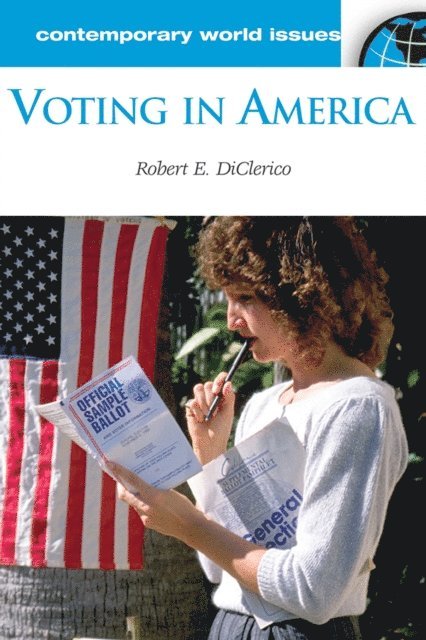
A thorough examination of the people, forces, and events that have shaped the right, opportunity, and value of the vote in America from 1715 to the present.Despite the successful struggles of women, blacks, soldiers, and other minorities to secure suffrage, voter turnout in America is among the lowest in westernized countries. Voting in America: A Reference Handbook surveys the history of voting, examining how it has evolved since Colonial times.This book focuses on how various legal, constitutional, and social barriers such as the Voter Accessibility for the Elderly and Handicapped Act, the Motor Voter Act, and the 23rd Amendment have impacted the right to vote. It also focuses on what controversies, such as the two-party monopoly and financial influence, still remain. The only book to consider the rise in voting opportunities for Americans also explores factors affecting the value of the vote, such as redistricting, term limits, and low voter turnout.