Robert Elsie – författare
Visar alla böcker från författaren Robert Elsie. Handla med fri frakt och snabb leverans.
20 produkter
20 produkter
Inbunden, Engelska, 1986
1 172 kr
Skickas inom 10-15 vardagar
Product information not available.
Häftad, Engelska, 2021
452 kr
Skickas inom 10-15 vardagar
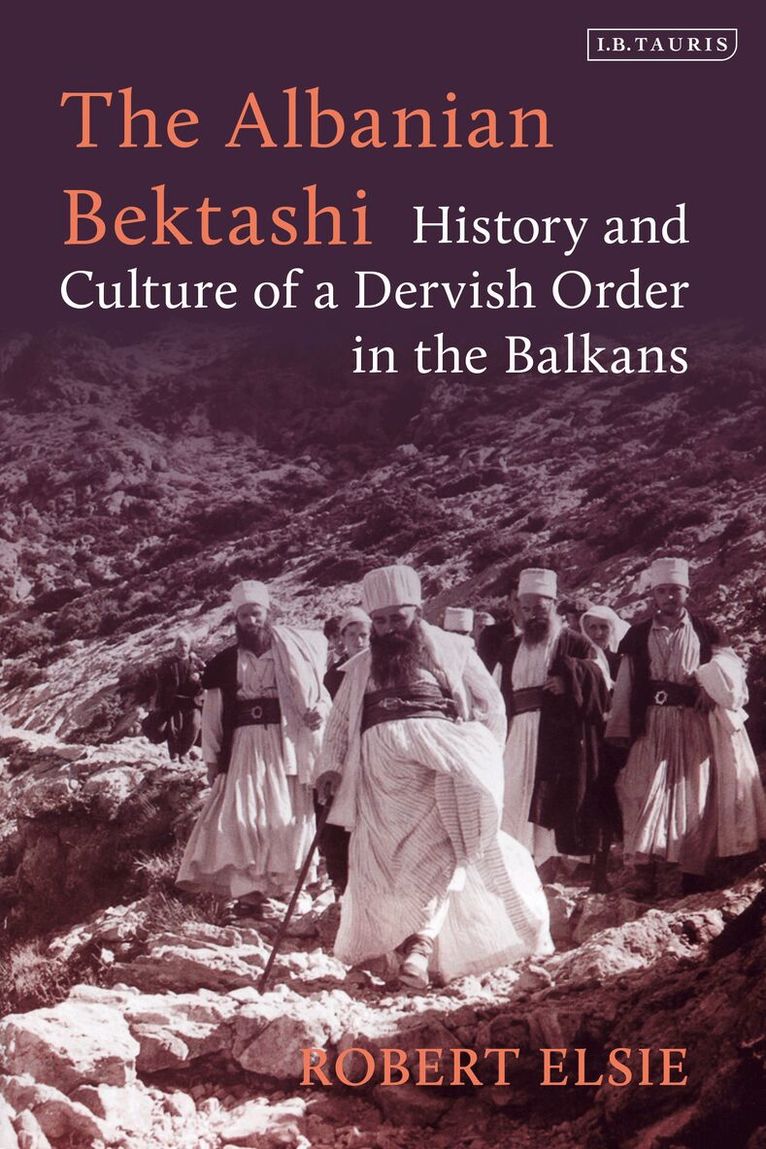
The Bektashi dervish order is a Sufi Alevite sect found in Anatolia and the Balkans with a strong presence in Albania. In this, his final book, Robert Elsie analyses the Albanian Bektashi and considers their role in the country’s history and society. Although much has been written on the Bektashi in Turkey, little has appeared on the Albanian branch of the sect. Robert Elsie considers the history and culture of the Bektashi, analyses writings on the order by early travellers to the region such as Margaret Hasluck and Sir Arthur Evans and provides a comprehensive list of tekkes (convents) and tyrbes (shrines) in Albania and neighbouring countries. Finally he presents a catalogue of notable Albanian Bektashi figures in history and legend. This book provides a complete reference guide to the Bektashi in Albania which will be essential reading for scholars of the Balkans, Islamic sects and Albanian history and culture.
Inbunden, Engelska, 2010
2 510 kr
Skickas inom 10-15 vardagar
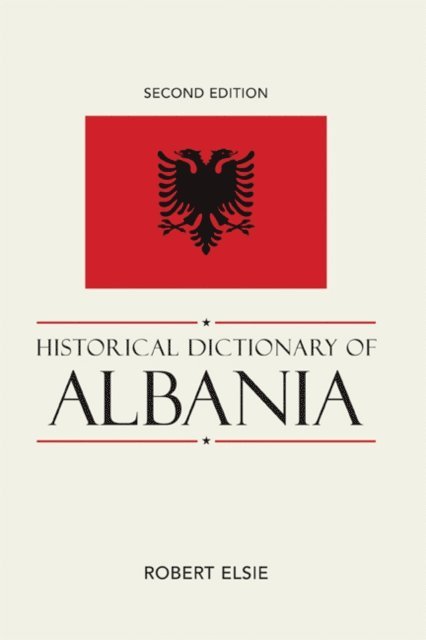
Albania is not well known by outsiders; it was deliberately closed to the outside world during the communist era. Now it has thankfully become free again, its borders are open and it can be visited, and it is increasingly integrating with the rest of Europe and beyond. Unfortunately, Albania has had its share of problems in the post-communist era; it's a land of destitution and despair, thanks in part to the Albanian mafia, which has turned the country into one of blood-feuds, kalashnikovs, and eternal crises. Yet, Albania is, in essence, a European nation like any other and will soon, it is to be hoped, advance and take its proper place in Europe and the world.The second edition of the Historical Dictionary of Albania relates the history of this little-known country through a detailed chronology, an introduction, a bibliography, appendixes, and over 700 cross-referenced dictionary entries on significant persons, places, and events; institutions and organizations; and political, economic, social, cultural, and religious facets.
Inbunden, Engelska, 2010
1 675 kr
Skickas inom 10-15 vardagar
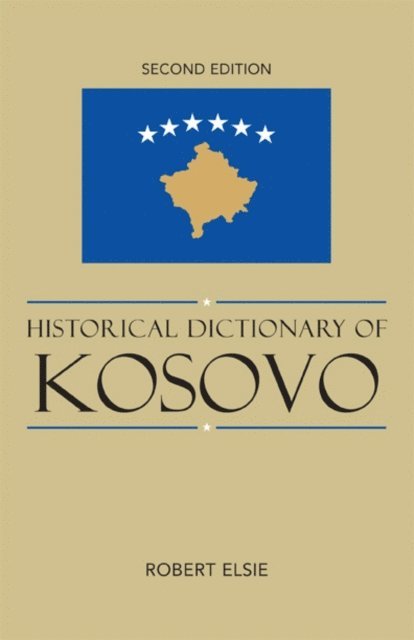
As the seventh and probably last state to arise from the ruins of the former Yugoslavia, Kosovo is the newest country in Europe. For centuries, Kosovo, also known as Kosova, was part of the Ottoman Empire, and for most of the 20th century, it was a province of what was once Yugoslavia. After the military conflict in 1998-1999 and a period of administration by the United Nations, Kosovo declared its independence from Serbia on February 17, 2008.Focusing not only on Kosovo's turbulent recent years, the second edition of the Historical Dictionary of Kosovo also relates the country's rich culture and long history. This is done through a chronology, an introductory essay, an extensive bibliography, and over 400 cross-referenced dictionary entries on significant persons, places, and events; institutions and organizations; and political, economic, social, cultural, and religious facets. This book is an excellent access point for students, researchers, and anyone wanting to know more about Kosovo.
Inbunden, Engelska, 1996
339 kr
Tillfälligt slut
This text examines contemporary Albanian literature and culture from an outsider's perspective, bringing major Albanian literary works to a wide audience.
Häftad, Engelska, 2022
226 kr
Skickas
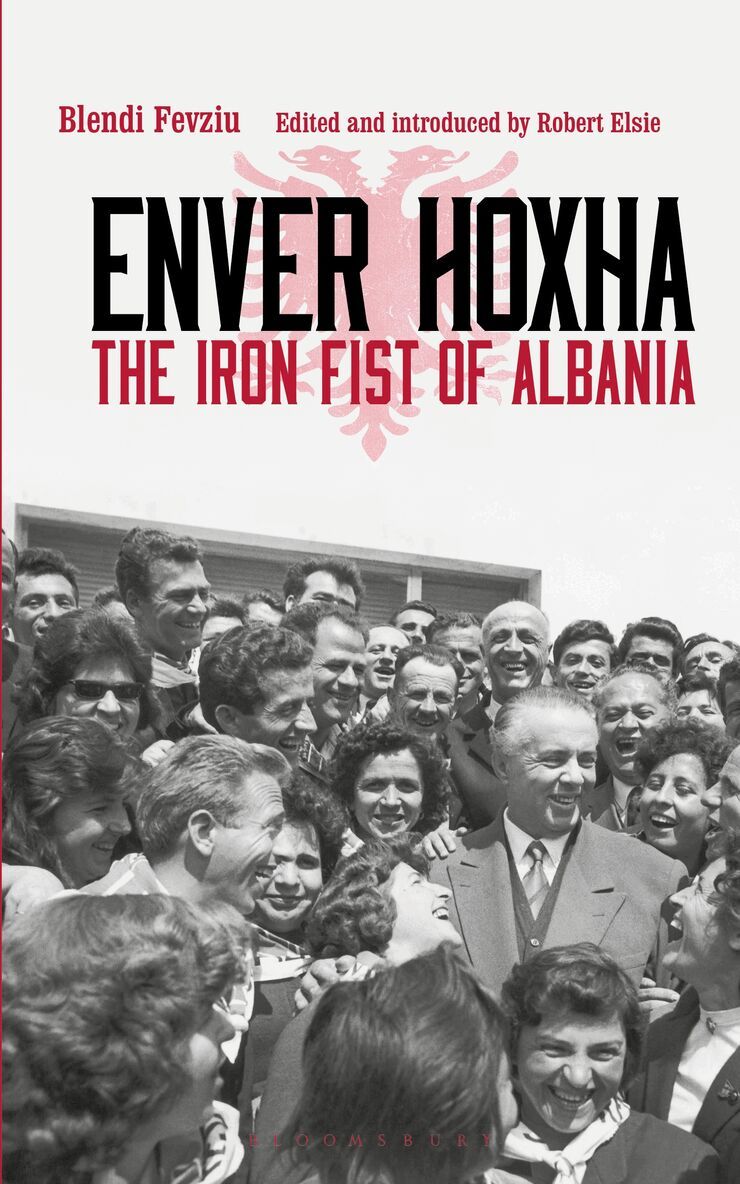
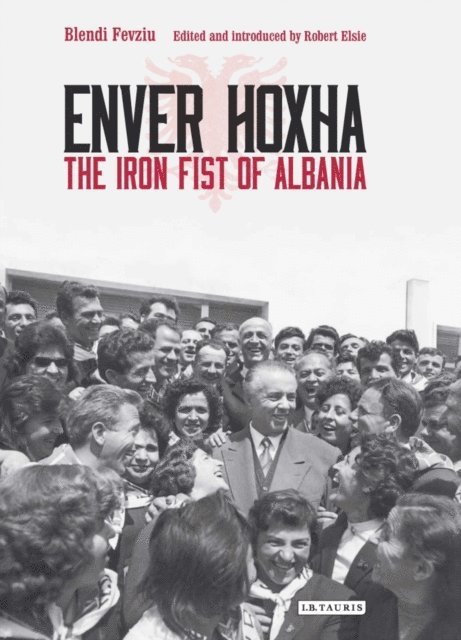
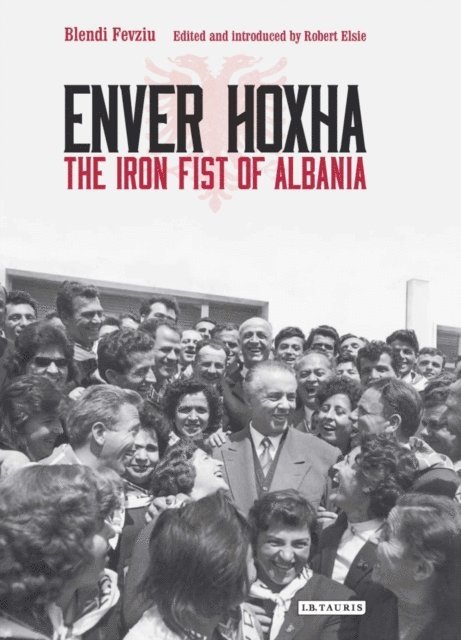
Stalinism, that particularly brutal phase of communism, came to an end in most of Eastern Europe with the death of Josef Stalin in 1953 or at least with the Khrushchev reforms that began in the Soviet Union in 1956. However, in one country - Albania - Stalinism survived virtually unscathed until 1990. The regime that the Albanian dictator Enver Hoxha led from the time of the communist takeover in 1944 until his death in 1985, and that continued unabated under his successor Ramiz Alia until 1990, was incomparably severe. Such was the reign of terror that no audible voice of opposition or dissent ever arose in the Balkan state, a European country that became as isolated from the rest of the world as North Korea is today. When the Albanian communist system finally imploded, it left behind a weary population, frightened and confused after decades of purges and political terror. It also left behind a country with a weak and fragile economy, a country where extreme poverty was the norm. In the decades since Hoxha's death, Albania has made substantial progress in political and economic terms, yet the spectre of Hoxha still lingers over the country.Despite this, many people - inside and outside Albania - know little about the man who ruled the country with an iron fist for so many decades. This book provides the first biography of Enver Hoxha available in English, from his birth in GjirokastEr in southern Albania, then still under Ottoman rule, to his death in 1985 at the age of 76. Using archival documents and first-hand interviews, Albanian journalist Blendi Fevziu pieces together the life of this tyrannical ruler, in a biography which will be essential reading for anyone interested in Balkan history and communist studies.
Häftad, Engelska, 2016
329 kr
Skickas inom 5-8 vardagar
The Albanian Operation, carried out by British and American secret services from 1949 to 1953, was one of the first Western attempts to subvert a country behind the Iron Curtain. The British liaison officer for the project in Washington was Kim Philby, a Soviet double agent who sabotaged the whole venture. In all, about 300 agents and civilians are thought to have been killed in the disastrous operation.The story was first pieced together by Nicholas Bethell in his 1984 book The Great Betrayal: The Untold Story of Kim Philby's Biggest Coup, based on interviews and conversations with British and American officials and Albanian fighters who infiltrated the Stalinist Albanian regime and escaped alive. The present work presents the interviews and throws new light on what actually took place.
Inbunden, Engelska, 2012
1 954 kr
Skickas inom 10-15 vardagar
Despite the extensive analysis of the historical, political and legal background of many Balkan conflicts in recent years, little attention has been paid to the tragedy of the Cham ethnic community. In 1913 the commission entrusted by the London Conference of Ambassadors to define the southern borders of the newly created state of Albania ended its proceedings with the Protocol of Florence, which provided that the territories inhabited by almost half of the Albanian population were exempted from the boundaries of the new state. While nearly 800,000 inhabitants found themselves within the new state of Albania, the territories inhabited by the remaining 700,000 ethnic Albanians became constituent parts of Serbia and Greece - the winners of the Balkan Wars. The land of the Chams, a coastal area between southern Albania and north-west Greece known as 'Chameria', was entirely incorporated into Greece.Since that time, the predominantly Muslim Chams have faced severe persecution and forced expulsion from their homes in Greece, particularly under the Metaxas regime, when the Chams were prohibited from using their own language outside of their home, and also during World War II, when Chams were persecuted in retaliation for their collaboration with the Axis powers. In the aftermath of World War II, the continued persecution of the Chams forced many to return to Albania, or to seek refuge in Turkey or the United States with the result that, after the war, only just over 100 Muslim Cham Albanians were left in Greece. In recent years, following the collapse of communism in Albania, when foreign travel again became possible, many have sought to return to their homelands in Greece and to regain their property. The documents gathered together in this book consist of records of the League of Nations and the British Mission, as well as documents assembled by other diplomatic missions between 1913 and the 1960s. Together, they address all of the periods of forced expulsions of the Cham population from Greece.The publication of these documents provides an unparalleled historical record of the Cham story. This book will be essential reading for scholars of Balkan history, politics and human rights. It will provide a fascinating insight into one of the forgotten tragedies of the twentieth century.
Inbunden, Engelska, 2014
1 815 kr
Skickas inom 10-15 vardagar
The Ottoman Empire - the great power which had ruled much of southeastern Europe and the Middle East for over five centuries - was manifestly in decline by 1912. Its decline had been gradual, but by the early years of the twentieth century, the collapse of the mighty world that had once stretched to the gates of Vienna seemed increasingly inevitable. New Balkan states - Serbia, Bulgaria, Montenegro and Greece - combined forces in the First Balkan War (1912-1913) to bring about its downfall. But with victory in their grasp, they were soon at one another's throats. This book contains 83 selected and edited consular dispatches and reports sent to the Foreign Office in London focusing on events in Macedonia during the Balkan Wars of 1912-1914. They reveal the extent of human suffering in the southern Balkan region in this period and provide much insight into the realities of the Balkan conflagration as it affected Macedonia and its environs. As a first-hand, on-the-spot account, this is an invaluable source for historians of twentieth-century Europe, the lead-up to World War I and the decline of the Ottoman Empire.
Inbunden, Engelska, 2012
1 870 kr
Skickas inom 10-15 vardagar
The history of Albania includes some memorable characters - from the legendary Albanian hero Scanderbeg to the glamorous Queen Geraldine. Robert Elsie's extensively researched Biographical Dictionary of Albania History provides fascinating and comprehensible information on over 700 Albanian and Albania-related historical figures, from the Ancient World via the centuries of Ottoman rule, the struggle for independence and the years of communism right up to the end of the twentieth century. Taking an encyclopaedic approach, this unique book considers the colourful cast of characters that influenced Albania's history and development - be they native Albanians or visitors from overseas. All notable historical and political figures - from the Kings of Illyria to Enver Hoxha - are included as well as leading figures of culture and the arts - from Marin Barleti to Faik Konitza. Visitors who had intimate ties with Albania - including Lord Byron, Benjamin Disraeli, Edward Lear, Aubrey Herbert, Edith Durham and Rose Wilder Lane - are also studied.In addition to these well-known figures, the entries also comprise individuals as diverse as an eighteenth-century Montenegrin impostor, a German circus acrobat and the Austrian mistress of King Zog. As the most reliable and comprehensive source of information about Albanian history available in English, this book will be essential reading for anyone interested in the history of this pivotal Balkan state. Robert Elsie shows how this important group of individuals influenced Albanian history and helped to shape the country as it is today.
Inbunden, Engelska, 2015
1 884 kr
Skickas inom 10-15 vardagar
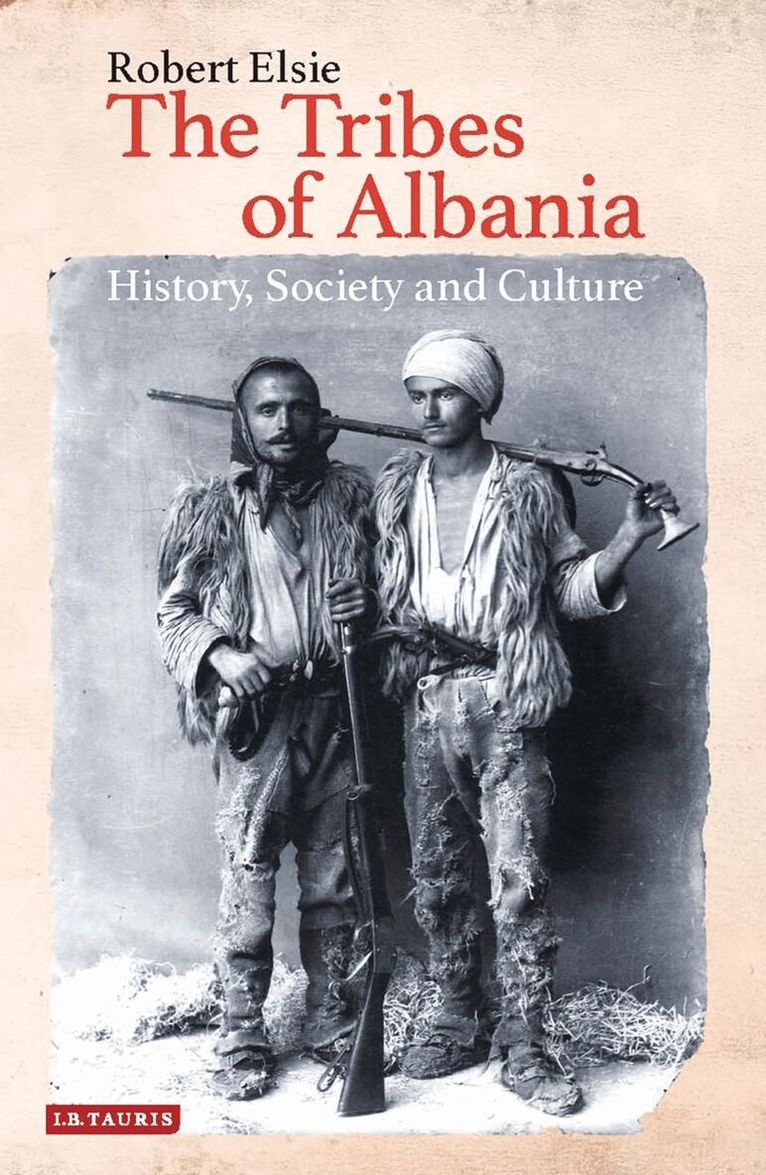
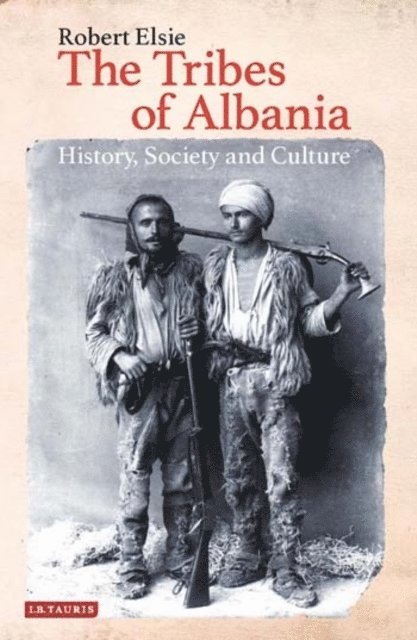
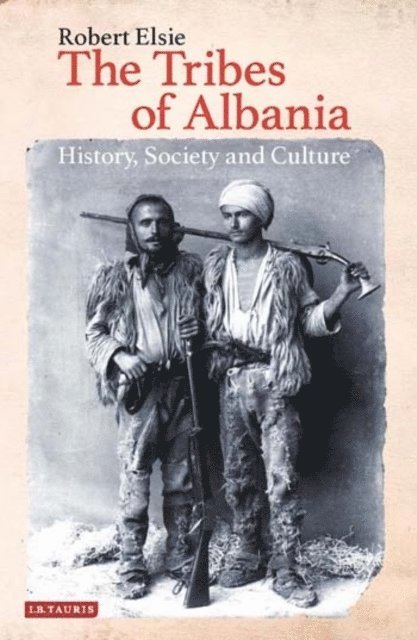
Northern Albania and Montenegro are the only regions in Europe to have retained a true tribal society up to the mid-twentieth century. This book provides the first scholarly investigation of this tribal society, a pioneer work that offers a detailed survey of all the major Albanian-speaking tribes in Albania, Montenegro and Kosovo. Robert Elsie provides comprehensive material on the 69 different tribes, including data on their locations, religious affiliations, tribal structures and relations, population statistics, tribal folklore, legends and history. Also included are excerpts from the works of prominent nineteenth and early-twentieth century writers, such as Edith Durham and Johann Georg von Hahn, who travelled through the tribal regions, as well as short biographies on prominent figures linked to the tribes. As the first book of its kind, The Tribes of Albania will be of interest to scholars and students of the Balkans, of southeastern European anthropology, ethnography and history.
Inbunden, Engelska, 2016
867 kr
Skickas inom 10-15 vardagar
Stalinism, that particularly brutal phase of the Communist experience, came to an end in most of Europe with the death of Stalin in 1953. However, in one country - Albania - Stalinism survived virtually unscathed until 1990. The regime that the Albanian dictator Enver Hoxha led from 1944 until his death in 1985 was incomparably severe. Such was the reign of terror that no audible voice of opposition or dissent ever arose in the Balkan state and Albania became isolated from the rest of the world and utterly inward-looking. Three decades after his death, the spectre of Hoxha still lingers over the country, yet many people - inside and outside Albania - know little about the man who ruled the country with an iron fist for so many decades. This book provides the first biography of Hoxha available in English. Using unseen documents and first-hand interviews, journalist Blendi Fevziu pieces together the life of a tyrannical ruler in a biography which will be essential reading for anyone interested in Balkan history and communist studies.
Inbunden, Engelska, 2018
1 819 kr
Skickas inom 10-15 vardagar
The question of Kosovan sovereignty and independence has a history which stretches far back beyond the outbreak of war in 1998. This volume is a compilation of key documents on Kosovo from the first half of the twentieth century. These texts, including numerous diplomatic despatches from the British Foreign Office, deal initially with the Albanian uprising against Ottoman rule in the spring of 1912 and, in particular, with the period of the Serbian invasion of Kosovo in late 1912 and the repercussions of the conquest for the Albanian population. The documents from 1918 to the early 1920s focus mainly on endeavours by Albanian leaders, including those of the so-called Kosovo Committee in exile, to bring the plight of their people to the attention of the outside world - endeavours which largely failed. Further documents reflect the situation in Kosovo up to the outbreak of World War II. This collection provides new perspectives on the Kosovo question and includes many documents which have been largely unavailable up to now. It sheds new light on many of the major and minor episodes that channelled and determined subsequent events, including the Kosovo War of 1998-1999 and the declaration of independence in February 2008.
Häftad, Engelska, 2019
453 kr
Skickas inom 10-15 vardagar
Northern Albania and Montenegro are the only regions in Europe to have retained a true tribal society up to the mid-twentieth century and traces still remain today. This unique society and culture thrived until the early years of the twentieth century and was still largely intact when the communist regime seized power in Albania in 1944. Although many of the structures of this traditional society were weakened or indeed eradicated in the half century of totalitarian rule in Albania from 1944 to 1990, the north of the country still remains a very different place from more advanced south of Albania, and from the rest of the world. This book provides the first scholarly investigation of this tribal society, a pioneer work that offers a detailed survey of all the major Albanian-speaking tribes in Albania, Montenegro and Kosovo. Robert Elsie provides comprehensive material on the 69 different tribes, including data on their locations, religious affiliations, tribal structures and inter-tribal relations, population statistics, tribal folklore, legends, customs and history. Also included are excerpts from the works of prominent nineteenth and early-twentieth century travel writers, such as Edith Durham, Baron Franz Nopcsa, Johann Georg von Hahn and Karl Steinmetz, who all travelled through the tribal regions in question, as well as short biographies on prominent figures linked to the tribes. As the first book of its kind, The Tribes of Albania will be of interest to scholars and students of the Balkans, of southeastern European anthropology, ethnography and history.
Inbunden, Engelska, 2019
1 762 kr
Skickas inom 10-15 vardagar
The Bektashi dervish order is a Sufi Alevite sect found in Anatolia and the Balkans with a strong presence in Albania. In this, his final book, Robert Elsie analyses the Albanian Bektashi and considers their role in the country’s history and society. Although much has been written on the Bektashi in Turkey, little has appeared on the Albanian branch of the sect. Robert Elsie considers the history and culture of the Bektashi, analyses writings on the order by early travellers to the region such as Margaret Hasluck and Sir Arthur Evans and provides a comprehensive list of tekkes (convents) and tyrbes (shrines) in Albania and neighbouring countries. Finally he presents a catalogue of notable Albanian Bektashi figures in history and legend. This book provides a complete reference guide to the Bektashi in Albania which will be essential reading for scholars of the Balkans, Islamic sects and Albanian history and culture.
Häftad, Engelska, 2019
495 kr
Skickas inom 10-15 vardagar
The question of Kosovan sovereignty and independence has a history which stretches far back beyond the outbreak of war in 1998. This volume is a compilation of key documents on Kosovo from the first half of the twentieth century. These texts, including numerous diplomatic despatches from the British Foreign Office, deal initially with the Albanian uprising against Ottoman rule in the spring of 1912 and, in particular, with the period of the Serbian invasion of Kosovo in late 1912 and the repercussions of the conquest for the Albanian population. The documents from 1918 to the early 1920s focus mainly on endeavours by Albanian leaders, including those of the so-called Kosovo Committee in exile, to bring the plight of their people to the attention of the outside world - endeavours which largely failed. Further documents reflect the situation in Kosovo up to the outbreak of World War II. This collection provides new perspectives on the Kosovo question and includes many documents which have been largely unavailable up to now. It sheds new light on many of the major and minor episodes that channelled and determined subsequent events, including the Kosovo War of 1998-1999 and the declaration of independence in February 2008.
Inbunden, Engelska, 2014
761 kr
Skickas inom 5-8 vardagar
Edith Durham is best known for her classic travel books about the Balkans. However, she was also a passionate, articulate and well-informed commentator on the twists and turns of Balkan politics and the machinations of the Great Powers. The pieces in this collection of her writings from the early half of the twentieth century remind us of the many connections between Britain and the Balkans over recent centuries - of Tennyson, Disraeli, Lord Fitzmaurice, Aubrey Herbert and Margaret Hasluck. With its wide geographical sweep, the book offers a fair picture of the Balkans in the early twentieth century: Montenegro, Macedonia, Kosovo, Albania, Serbia are all represented - their dangers and wonders, ugly brutality and startling beauty, history, custom, geography and politics. The anthology offers vivid pictures of Balkan locations which will be fascinating reading for anyone interested in modern Balkan history.
Häftad, Engelska, 2007
119 kr
Tillfälligt slut
Shortlisted for the Freedom of Expression TY Fyfel Award 2008Why does Thesar Lumi disembark from the refugee ship to Italy and return to his home town? The question posed at the beginning of this compelling novel is answered as his life story is gradually revealed.The Loser is a moving portrayal of the suppression not just of art by a controlled press and other repressive state mechanisms, but of a whole people denied the freedom to express themselves individually, to circulate and discuss ideas about ways of living and thinking. In short it is about the denial of the right to freedom of an entire population and the kind of personal despair such despotism can produce. And yet The Loser is also a moving novel of love and loss."Kongoli's scorching novel… The Loser heaves with unsavoury energy. Part of Seren's quietly impressive Literature in Translation series, this account of moral impotence and personal anguish is rendered with ugly, defiant vigour." Catherine Taylor, Guardian"The Loser is among the best new novels published this year… The Loser is not only bleak and bald but unexpectedly humorous and humble: not an easy tone to achieve, and one that emanates from a fresh and unique voice."Amanda Hopkinson, Independent"Kongoli shows that behind the oak of Kadare there is a forest of talent in this corner of the Balkans."Le Figaro"Flawless precision, beautifully elegiac scenes… Kongolis growling voice creates a dark and bitter novel." LireFatos Kongoli is one of the most forceful and convincing of contemporary Albanian novelists. He was born in the central Albanian town of Elbasan and raised in the capital, Tirana. As a young man he studied mathematics in China during the tense years of the Sino-Albanian alliance. Unlike other novelists Kongoli remained in Albania, though he also remained silent. His narrative talent and individual style emerged in the nineties, after the fall of the communist regime, as his telling and powerful narratives exposed the crimes it had visited upon the Albanian population.
Inbunden, Engelska, 2014
1 575 kr
Skickas inom 10-15 vardagar
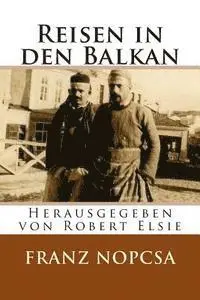
The Austro-Hungarian aristocrat of Transylvanian origin, Baron Franz Nopcsa (1877-1933), was one of the most adventuresome travelers and scholars of Southeast Europe in the early decades of the twentieth century. He was also a paleontologist of renown and a noted geologist of the Balkan Peninsula : many of his assumptions have been confirmed by science. The Memoirs of this fascinating figure deal mainly with his travels in the Balkans, and specifically in the remote and wild mountains of northern Albania, in the years from 1903 to 1914. They thus cover the period of Ottoman Rule, the Balkan Wars and the outbreak of the First World War. Nopcsa was a keen adventurer who hiked through regions of northern Albania. With time, he became a leading expert in Albanian studies. He was also deeply involved in the politics of the period. In 1913, Nopcsa even offered himself as a candidate for the vacant Albanian throne. The Introduction also tells of Nopcsa's tragic death: he shot his Albanian secretary and partner before killing himself. The memoirs themselves reveal some references to his homosexuality for those who can read between the lines.
Häftad, Engelska, 2023
671 kr
Skickas inom 10-15 vardagar
The Austro-Hungarian aristocrat of Transylvanian origin, Baron Franz Nopcsa (1877-1933), was one of the most adventuresome travelers and scholars of Southeast Europe in the early decades of the twentieth century. He was also a paleontologist of renown and a noted geologist of the Balkan Peninsula : many of his assumptions have been confirmed by science. The Memoirs of this fascinating figure deal mainly with his travels in the Balkans, and specifically in the remote and wild mountains of northern Albania, in the years from 1903 to 1914. They thus cover the period of Ottoman Rule, the Balkan Wars and the outbreak of the First World War. Nopcsa was a keen adventurer who hiked through regions of northern Albania. With time, he became a leading expert in Albanian studies. He was also deeply involved in the politics of the period. In 1913, Nopcsa even offered himself as a candidate for the vacant Albanian throne. The Introduction also tells of Nopcsa's tragic death: he shot his Albanian secretary and partner before killing himself. The memoirs themselves reveal some references to his homosexuality for those who can read between the lines.