Robert F. Pace - Böcker
Visar alla böcker från författaren Robert F. Pace. Handla med fri frakt och snabb leverans.
2 produkter
2 produkter
260 kr
Skickas inom 10-15 vardagar
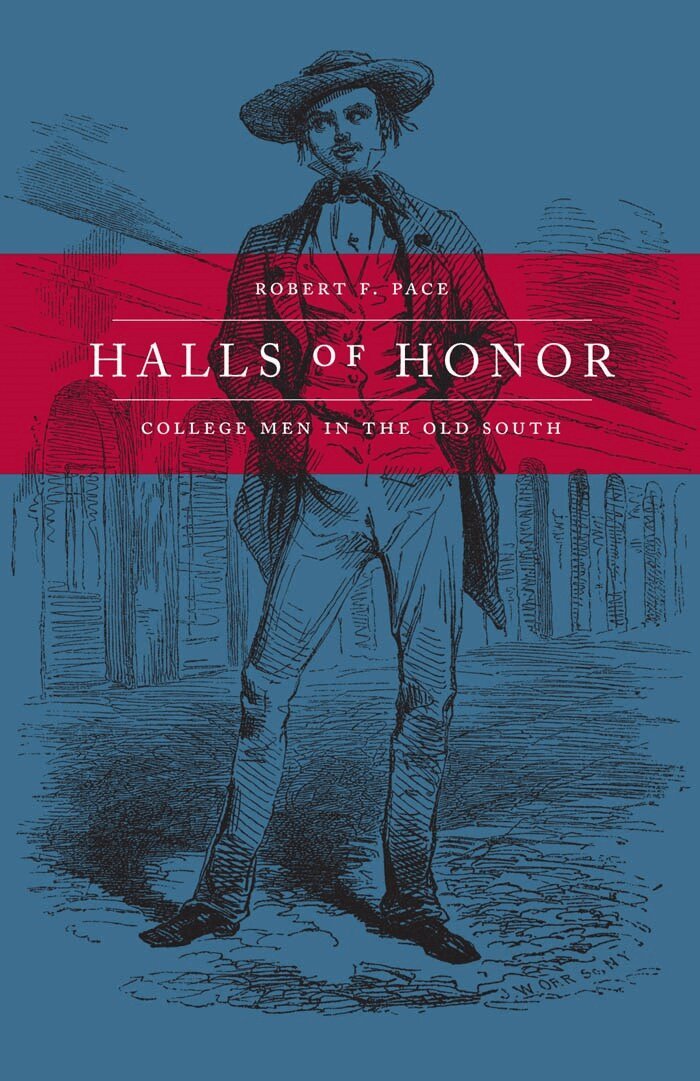
A powerful confluence of youthful energies and entrenched codes of honor enlivens Robert F. Pace's look at the world of male student college life in the antebellum South. Through extensive research into records, letters, and diaries of students and faculty from more than twenty institutions, Pace creates a vivid portrait of adolescent rebelliousness struggling with the ethic to cultivate a public face of industry, respect, and honesty. These future leaders confronted authority figures, made friends, studied, courted, frolicked, drank, gambled, cheated, and dueled -- all within the established traditions of their southern culture.For the sons of southern gentry, college life presented a variety of challenges, including engaging with northern professors and adjusting to living away from home and family. The young men extended the usual view of higher education as a bridge between childhood and adulthood, innovatively creating their own world of honor that prepared them for living in the larger southern society. Failure to obtain a good education was a grievous breach of honor for them, and Pace skillfully weaves together stories of student antics, trials, and triumphs within the broader male ethos of the Old South. When the Civil War erupted, many students left campus to become soldiers, defend their families, and preserve a way of life. By war's end, the code of honor had waned, changing the culture of southern colleges and universities forever.Halls of Honor represents a significant update of E. Merton Coulter's 1928 classic work, College Life in the Old South, which focused on the University of Georgia. Pace's lively study will widen the discussion of antebellum southern college life for decades to come.
323 kr
Skickas inom 10-15 vardagar
The West Texas frontier—the area encompassing the region stretching from Fort Worth to the Caprock, from Palo Duro Canyon to the San Saba River—has been a crossroads of humanity for thousands of years. Each group of humans who trekked across its sun-drenched prairies had to contend with the challenges of life in an area that has always been a climatic, geographical, political, and cultural borderland. In addressing these challenges, the people of the frontier developed perseverance, toughness, and determination—all necessities for life on the Texas frontier.This book tells the epic story of this region and its many transitions throughout the centuries. It traces the struggles and triumphs of many groups as they tried to tame the region for their own purposes. Early humans hunted mammoths and other game in the region. Then came the Jumanos following the great bison herds, then the Apaches, the Comanches, the Spaniards, and the Texans. By 1845, with Texas' entrance into the United States, more formal efforts to tame the frontier brought forts and soldiers. Cattlemen and their herds shared the plains with the buffalo and the Plains Indians.Battles and ambushes, justice and injustice defined the struggle for the next several decades. The military abandoned the region during the Civil War, only to return with force upon its completion. The vast postwar expansion of the cattle industry and the systematic slaughter of the buffalo herds ensured that Americans would claim the region permanently and that the Plains Indians' dominance of the frontier had come to an end. By 1880 barbed wire, windmills, railroads, and towns demonstrated that the frontier had been permanently transformed.