Robert Fantina – författare
Visar alla böcker från författaren . Handla med fri frakt och snabb leverans.
7 produkter
7 produkter
Häftad, Engelska
256 kr
Skickas inom 3-6 vardagar
E-bok
PDF, Engelska, 2011779 kr
Läs direkt efter köp
A detailed examination of a new concept in customer centricity, this book explores customer perception of quality and how to measure it. The author introduces a ground-breaking model for quantifying the impact that poor perception of quality has on the bottom line. It helps readers understand the importance of customer perception, how they may be misunderstanding this vital component, and how they can look at data collected from a variety of sources - surveys, customer conversations with sales representatives, etc. - and glean a clear understanding of their customers'' perception, and the insight necessary to improve it.
E-bok
Engelska, 2011779 kr
Läs direkt efter köp
A detailed examination of a new concept in customer centricity, this book explores customer perception of quality and how to measure it. The author introduces a ground-breaking model for quantifying the impact that poor perception of quality has on the bottom line. It helps readers understand the importance of customer perception, how they may be misunderstanding this vital component, and how they can look at data collected from a variety of sources - surveys, customer conversations with sales representatives, etc. - and glean a clear understanding of their customers'' perception, and the insight necessary to improve it.
Häftad, Engelska, 2021
546 kr
Skickas inom 10-15 vardagar
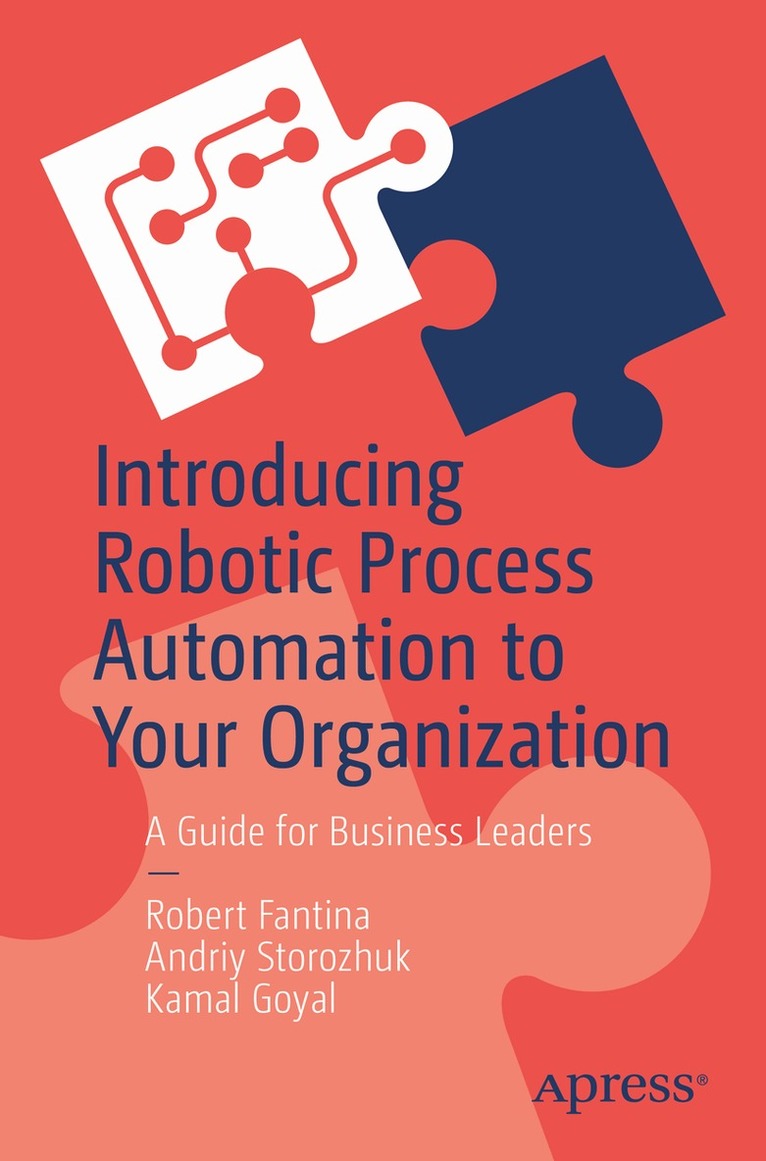
For your robotic process automation (RPA) program to be successful, you need to follow a general framework and governance model. This book covers, in detail, what they should look like and how to adapt them to your organization.Introducing Robotic Process Automation to Your Organization is structured to enable you, a novice to RPA, to successfully implement an RPA program at your company. RPA is rapidly growing in use, but is only starting to be taught at a university level. Many mid-level managers will be tasked with introducing an RPA program at their organizations as senior management learns of its efficacy, but will be unfamiliar with how to do so. This book provides you with the skills and information you need to make an informed decision. For decades, there has been much discussion about the fast pace of technology, the rapidly changing technology environment, and the need for companies to be on the cutting edge to remain competitive or even relevant. In this ever-changing environment, there is a need to know what can be done in terms of current processes, here and now, that will increase efficiency, benefit customers, and improve profitability. One option is RPA.This book includes information to assist you in getting the required buy-in and identifying the first few processes for automation. A structure for identifying opportunities on an ongoing basis is detailed, along with concepts that must be considered for solution design and deployment. Throughout the book there are several "pause and consider" statements to help you think about how principles pertain to your organization. Additionally, there are tips included that offer short, concrete suggestions on how to help implement the particular step being discussed.What You Will LearnKnow the benefits of robotic process automation (RPA)Understand the limitations of RPAAsk the right questions to determine whether a process is a good candidate for automationObtain buy-in from skeptics at the senior and middle manager levels, and from line workersBe familiar with the structure required for successWho This Book is ForMiddle managers who have either identified the need for robotic process automation (RPA) in their organization or have been directed by senior management to explore the possibility of introducing RPA to their organization; managers at all levels who hear about RPA, either through conferences, professional associations, or industry publications, and want to know more; students of business and technology who wish to broaden their understanding of important current trends.

E-bok
Engelska, 2021791 kr
Läs direkt efter köp
For your robotic process automation (RPA) program to be successful, you need to follow a general framework and governance model. This book covers, in detail, what they should look like and how to adapt them to your organization.Introducing Robotic Process Automation to Your Organization is structured to enable you, a novice to RPA, to successfully implement an RPA program at your company. RPA is rapidly growing in use, but is only starting to be taught at a university level. Many mid-level managers will be tasked with introducing an RPA program at their organizations as senior management learns of its efficacy, but will be unfamiliar with how to do so. This book provides you with the skills and information you need to make an informed decision. For decades, there has been much discussion about the fast pace of technology, the rapidly changing technology environment, and the need for companies to be on the cutting edge to remain competitive or even relevant. In this ever-changing environment, there is a need to know what can be done in terms of current processes, here and now, that will increase efficiency, benefit customers, and improve profitability. One option is RPA.This book includes information to assist you in getting the required buy-in and identifying the first few processes for automation. A structure for identifying opportunities on an ongoing basis is detailed, along with concepts that must be considered for solution design and deployment. Throughout the book there are several "pause and consider" statements to help you think about how principles pertain to your organization. Additionally, there are tips included that offer short, concrete suggestions on how to help implement the particular step being discussed.What You Will LearnKnow the benefits of robotic process automation (RPA)Understand the limitations of RPAAsk the right questions to determine whether a process is a good candidate for automationObtain buy-in from skeptics at the senior and middle manager levels, and from line workersBe familiar with the structure required for successWho This Book is ForMiddle managers who have either identified the need for robotic process automation (RPA) in their organization or have been directed by senior management to explore the possibility of introducing RPA to their organization; managers at all levels who hear about RPA, either through conferences, professional associations, or industry publications, and want to know more; students of business and technology who wish to broaden their understanding of important current trends.

360 kr
Skickas inom 3-6 vardagar
Inbunden, Engelska, 2011
686 kr
Tillfälligt slut
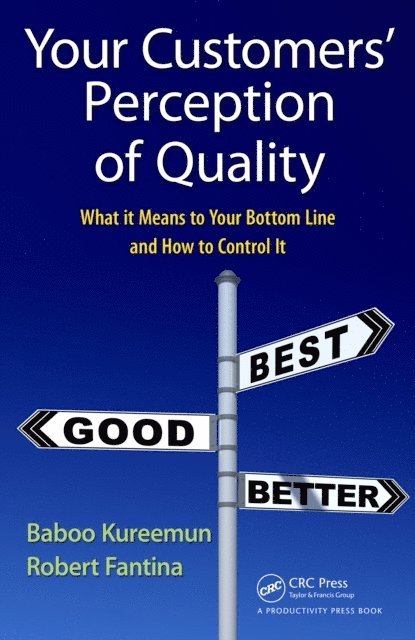
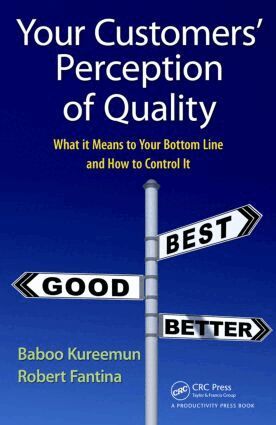
Providing the insight and tools needed to improve the perception your customers have about the quality of your product or service, Your Customers' Perception of Quality: What It Means to Your Bottom Line and How to Control It introduces a ground-breaking model for measuring the impact of quality perception on your bottom line. Allowing you to look at quality from an outside-in, truly customer-centric perspective, the authors pave a concrete connection between enhanced customer perception and increased profitability. The book introduces cutting-edge concepts in customer-centric quality—explaining exactly how to identify, plan, cost justify, manage, and deliver consistent improvements to the factors that matter most to your customers. Helping you harness the power of the universal set of tools, techniques, and methods at your disposal in the field of quality, the book: Unveils a model that provides quantifiable information for determining the impact of customer perception on your bottom line Details a strategic model for attaining long-term benefits—including the tools required to make the necessary tactical changesIncludes a wealth of customizable tools to help kick-start implementation effortsThe text clearly illustrates how to implement methods proven to improve operational efficiencies, foster customer loyalty, and drive increased revenue through positive word of mouth. Complete with helpful checklists, templates, tools, and detailed instructions on how to tailor them to your company, the authors guide you through the path of evaluating, analyzing, and implementing the value-adding adjustments needed to drive profits and boost customer loyalty.