Robert G. Watts - Böcker
Visar alla böcker från författaren Robert G. Watts. Handla med fri frakt och snabb leverans.
5 produkter
5 produkter
679 kr
Skickas inom 7-10 vardagar
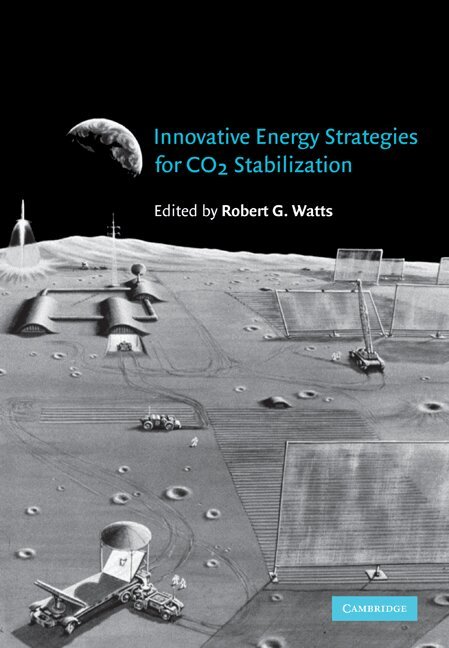
The vast majority of the world's climate scientists believe that the build-up of heat-trapping CO2 in the atmosphere will lead to global warming unless we burn less fossil fuels. At the same time, energy must be supplied in increasing amounts for the developing world to continue its growth. This book discusses the feasibility of increasingly efficient energy use and the potential for supplying energy from sources that do not introduce CO2. The book analyses the prospects for Earth-based renewables: solar, wind, biomass, hydroelectricity, geothermal and ocean energy. It then discusses nuclear fission and fusion, and the relatively new idea of harvesting solar energy on satellites or lunar bases. It will be essential reading for all those interested in energy issues, including engineers and physicists (electrical, mechanical, chemical, industrial, environmental, nuclear), and industrial leaders and politicians. It will also be used as a supplementary textbook on advanced courses on energy.
1 784 kr
Skickas inom 7-10 vardagar
The vast majority of the world's climate scientists believe that the build-up of heat-trapping CO2 in the atmosphere will lead to global warming unless we burn less fossil fuels. At the same time, energy must be supplied in increasing amounts for the developing world to continue its growth. This book discusses the feasibility of increasingly efficient energy use and the potential for supplying energy from sources that do not introduce CO2. The book analyses the prospects for Earth-based renewables: solar, wind, biomass, hydroelectricity, geothermal and ocean energy. It then discusses nuclear fission and fusion, and the relatively new idea of harvesting solar energy on satellites or lunar bases. It will be essential reading for all those interested in energy issues, including engineers and physicists (electrical, mechanical, chemical, industrial, environmental, nuclear), and industrial leaders and politicians. It will also be used as a supplementary textbook on advanced courses on energy.
1 562 kr
Skickas inom 10-15 vardagar
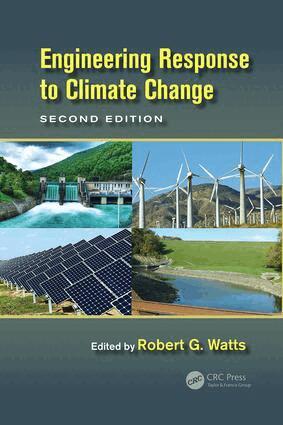
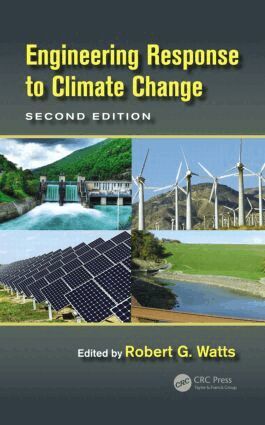
A clear, concise discussion of today’s hottest topics in climate change, including adapting to climate change and geo-engineering to mitigate the effects of change, Engineering Response to Climate Change, Second Edition takes on the tough questions of what to do and offers real solutions to the practical problems caused by radical changes in the Earth’s climate. From energy consumption and carbon dioxide emissions reduction, to climate-altering technologies, this new edition explores the latest concerns such as acidification of the ocean, energy efficiency, transportation, space solar power, and future and emerging possibilities. The editors set the stage by discussing the separate issues of the emissions of radiatively important atmospheric constituents, energy demand, energy supply, agriculture, water resources, coastal hazards, adaption strategies, and geo-engineering. They explain the difference between the natural and human drivers of climate change and describe how humans have influenced the global climate during past decades. Each chapter concludes with discussion questions, calculations, and possible research topics.See What’s in the Second Edition: New conceptual tools and research necessary for problems associated with fossil fuelsCutting-edge topics such as adaption and geo-engineeringThe latest concerns such as acidification of the ocean, energy efficiency, transportation, and space solar powerSolutions to problems caused by changes in the Earth’s climateSo much has changed in the 15 years since the publication of the first edition, that this is, in effect, a completely new book. However, the general theme is the same: the climate energy problem has become largely an engineering problem. With this in mind, the book explores what engineers can do to prevent, mitigate, or adapt to climate change.
2 779 kr
Tillfälligt slut
A clear, concise discussion of today’s hottest topics in climate change, including adapting to climate change and geo-engineering to mitigate the effects of change, Engineering Response to Climate Change, Second Edition takes on the tough questions of what to do and offers real solutions to the practical problems caused by radical changes in the Earth’s climate. From energy consumption and carbon dioxide emissions reduction, to climate-altering technologies, this new edition explores the latest concerns such as acidification of the ocean, energy efficiency, transportation, space solar power, and future and emerging possibilities. The editors set the stage by discussing the separate issues of the emissions of radiatively important atmospheric constituents, energy demand, energy supply, agriculture, water resources, coastal hazards, adaption strategies, and geo-engineering. They explain the difference between the natural and human drivers of climate change and describe how humans have influenced the global climate during past decades. Each chapter concludes with discussion questions, calculations, and possible research topics.See What’s in the Second Edition: New conceptual tools and research necessary for problems associated with fossil fuelsCutting-edge topics such as adaption and geo-engineeringThe latest concerns such as acidification of the ocean, energy efficiency, transportation, and space solar powerSolutions to problems caused by changes in the Earth’s climateSo much has changed in the 15 years since the publication of the first edition, that this is, in effect, a completely new book. However, the general theme is the same: the climate energy problem has become largely an engineering problem. With this in mind, the book explores what engineers can do to prevent, mitigate, or adapt to climate change.
303 kr
Skickas inom 10-15 vardagar
I also address the inevitable skepticism that global warming arouses and offer a number of responses to the global warming skeptics. / The Greenhouse Effect and the Evidence of Global Warming / The Skeptics: Are Their Doubts Scientifically Valid / Impacts: The ""So What"" Question / The Bottom Line