Robert J Duran - Böcker
Visar alla böcker från författaren Robert J Duran. Handla med fri frakt och snabb leverans.
6 produkter
6 produkter
1 018 kr
Skickas inom 7-10 vardagar
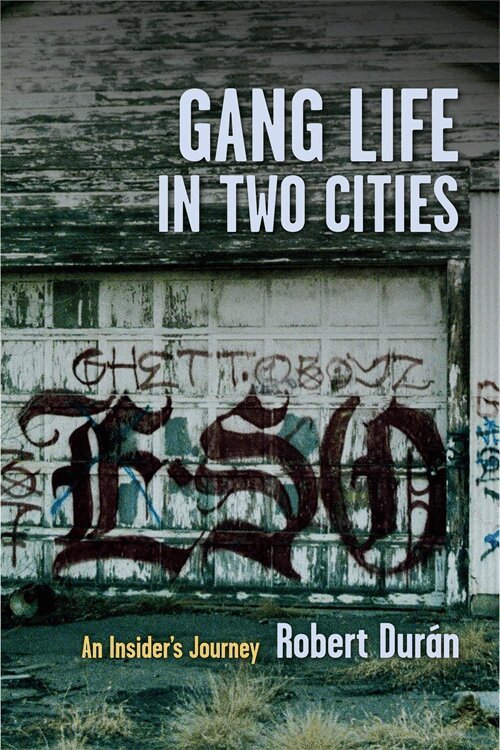
Refusing to cast gangs in solely criminal terms, Robert J. Duran, a former gang member turned scholar, recasts such groups as an adaptation to the racial oppression of colonization in the American Southwest. Developing a paradigm rooted in ethnographic research and almost two decades of direct experience with gangs, Duran completes the first-ever study to follow so many marginalized groups so intensely for so long, revealing their core characteristics, behavior, and activities within two unlikely American cities. Duran spent five years in Denver, Colorado, and Ogden, Utah, conducting 145 interviews with gang members, law enforcement officers, prosecutors, and other relevant individuals. From his research, he constructs a comparative outline of the emergence and criminalization of Latino youth groups, the ideals and worlds they create, and the reasons for their persistence. He also underscores the failures of violent gang suppression tactics, which have only further entrenched these groups within the barrio.Encouraging cultural activists and current and former gang members to pursue grassroots empowerment, Duran proposes new solutions to racial oppression that challenge and truly alter the conditions of gang life.
531 kr
Skickas inom 3-6 vardagar
Refusing to cast gangs in solely criminal terms, Robert J. Duran, a former gang member turned scholar, recasts such groups as an adaptation to the racial oppression of colonization in the American Southwest. Developing a paradigm rooted in ethnographic research and almost two decades of direct experience with gangs, Duran completes the first-ever study to follow so many marginalized groups so intensely for so long, revealing their core characteristics, behavior, and activities within two unlikely American cities. Duran spent five years in Denver, Colorado, and Ogden, Utah, conducting 145 interviews with gang members, law enforcement officers, prosecutors, and other relevant individuals. From his research, he constructs a comparative outline of the emergence and criminalization of Latino youth groups, the ideals and worlds they create, and the reasons for their persistence. He also underscores the failures of violent gang suppression tactics, which have only further entrenched these groups within the barrio.Encouraging cultural activists and current and former gang members to pursue grassroots empowerment, Duran proposes new solutions to racial oppression that challenge and truly alter the conditions of gang life.
1 107 kr
Skickas inom 7-10 vardagar
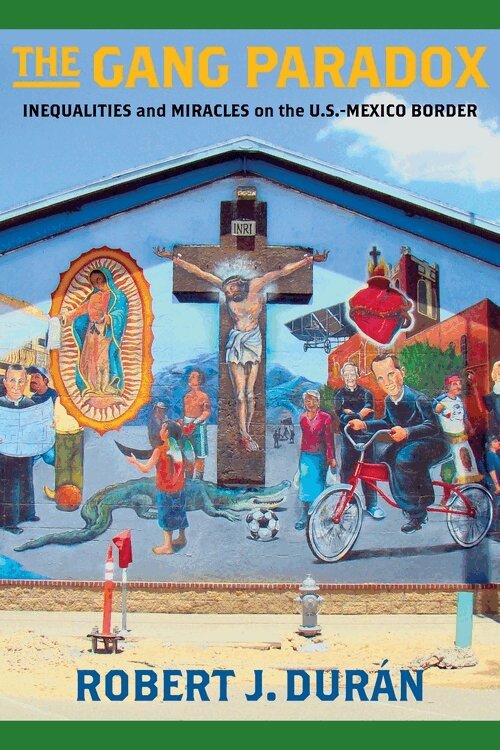
The areas along the U.S.-Mexico border are commonly portrayed as a hot spot for gang activity, drug trafficking, and violence. Yet when Robert J. Durán conducted almost a decade’s worth of ethnographic research in border towns between El Paso, Texas, and southern New Mexico—a region notorious for gang activity, according to federal officials—he found significantly less gang membership and activity than common fearmongering claims would have us believe. Instead, he witnessed how the gang label was used to criminalize youth of Mexican descent—to justify the overrepresentation of Latinos in the justice system, the implementation of punitive practices in the school system, and the request for additional resources by law enforcement.In The Gang Paradox, Durán analyzes the impact of deportation, incarceration, and racialized perceptions of criminality on Latino families and youth along the border. He draws on ethnography, archival research, official data sources, and interviews with practitioners and community members to present a compelling portrait of Latino residents’ struggles amid deep structural disadvantages. Durán, himself a former gang member, offers keen insights into youth experience with schools, juvenile probation, and law enforcement. The Gang Paradox is a powerful community study that sheds new light on intertwined criminalization and racialization, with policy relevance toward issues of gangs, juvenile delinquency, and the lack of resources in border regions.
282 kr
Skickas inom 7-10 vardagar
The areas along the U.S.-Mexico border are commonly portrayed as a hot spot for gang activity, drug trafficking, and violence. Yet when Robert J. Durán conducted almost a decade’s worth of ethnographic research in border towns between El Paso, Texas, and southern New Mexico—a region notorious for gang activity, according to federal officials—he found significantly less gang membership and activity than common fearmongering claims would have us believe. Instead, he witnessed how the gang label was used to criminalize youth of Mexican descent—to justify the overrepresentation of Latinos in the justice system, the implementation of punitive practices in the school system, and the request for additional resources by law enforcement.In The Gang Paradox, Durán analyzes the impact of deportation, incarceration, and racialized perceptions of criminality on Latino families and youth along the border. He draws on ethnography, archival research, official data sources, and interviews with practitioners and community members to present a compelling portrait of Latino residents’ struggles amid deep structural disadvantages. Durán, himself a former gang member, offers keen insights into youth experience with schools, juvenile probation, and law enforcement. The Gang Paradox is a powerful community study that sheds new light on intertwined criminalization and racialization, with policy relevance toward issues of gangs, juvenile delinquency, and the lack of resources in border regions.
1 107 kr
Skickas inom 7-10 vardagar
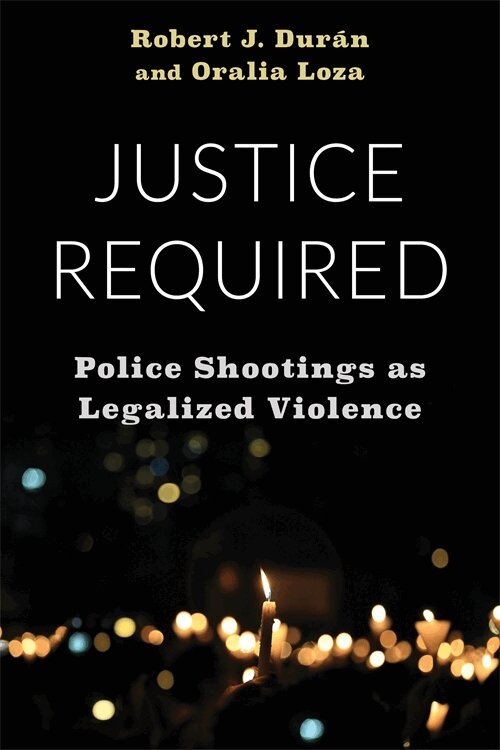
Police have remarkably broad discretion to use deadly force. Evidence shows that more than 1,000 shooting deaths occur each year at the hands of the police in the United States, disproportionately in minority communities and often under questionable circumstances. Despite public outrage, there continue to be obstacles to assessing the extent of bias and addressing the harms of police violence, including a lack of transparency and limitations on access to data.Justice Required is a groundbreaking quantitative and qualitative investigation of police violence. Robert J. Durán and Oralia Loza provide a comprehensive data analysis of all police shootings in Denver, Colorado, over nearly forty years, highlighting persistent patterns of racial and ethnic inequality. They examine the institutional and political dynamics that thwart efforts to hold police officers accountable after controversial incidents. Durán and Loza contextualize the data with regional comparisons and enliven the analysis with vivid storytelling. Justice Required argues that while police shootings are typically treated as a criminal justice issue, they should be understood as a public health problem. Rigorous and urgent, this book provides evidence-based, data-driven solutions to prevent further loss of life and promote accountability.
282 kr
Skickas inom 7-10 vardagar
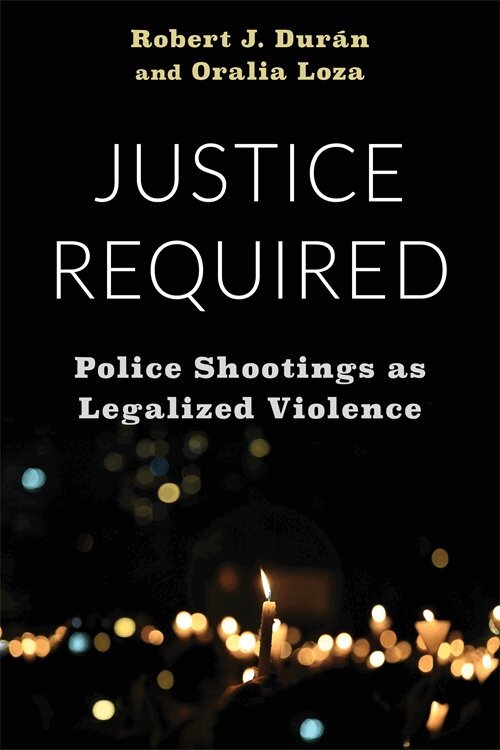
Police have remarkably broad discretion to use deadly force. Evidence shows that more than 1,000 shooting deaths occur each year at the hands of the police in the United States, disproportionately in minority communities and often under questionable circumstances. Despite public outrage, there continue to be obstacles to assessing the extent of bias and addressing the harms of police violence, including a lack of transparency and limitations on access to data.Justice Required is a groundbreaking quantitative and qualitative investigation of police violence. Robert J. Durán and Oralia Loza provide a comprehensive data analysis of all police shootings in Denver, Colorado, over nearly forty years, highlighting persistent patterns of racial and ethnic inequality. They examine the institutional and political dynamics that thwart efforts to hold police officers accountable after controversial incidents. Durán and Loza contextualize the data with regional comparisons and enliven the analysis with vivid storytelling. Justice Required argues that while police shootings are typically treated as a criminal justice issue, they should be understood as a public health problem. Rigorous and urgent, this book provides evidence-based, data-driven solutions to prevent further loss of life and promote accountability.