Robert L. Denney – författare
Visar alla böcker från författaren Robert L. Denney. Handla med fri frakt och snabb leverans.
2 produkter
2 produkter
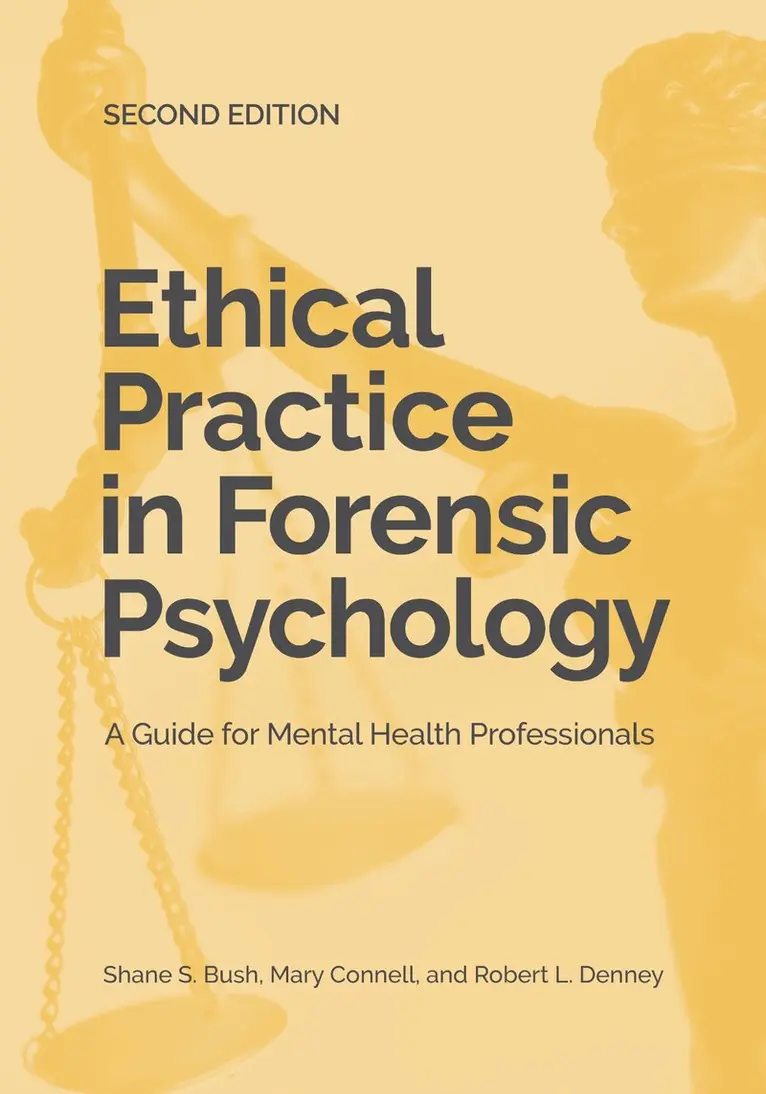
Ethical Practice in Forensic Psychology
A Guide for Mental Health Professionals
Häftad, Engelska, 2019
843 kr
Skickas inom 7-10 vardagar
Forensic psychologists have consistently relied upon Ethical Practice in Forensic Psychology for expert advice on negotiating ethical dilemmas in forensic contexts, including civil, criminal, and family law cases. This fully updated second edition presents an updated systematic decision‑making model based on positive ethics that practitioners can use to address conflicting roles and responsibilities, balance competing ethical and legal requirements, and maintain high standards of ethical practice and professional competence. Authors Shane Bush, Mary Connell, and Robert Denney are renowned experts in forensic psychology and neuropsychology. They answer complex ethical questions related to third‑party requests, collecting and reviewing data from multiples sources, conducting forensic evaluations, and reporting results in written reports and courtroom testimony. They also offer suggestions for addressing potential ethical misconduct by colleagues. Detailed case examples illustrate how to apply this book amp rsquo s ethical decision‑making model in realistic scenarios. This second edition examines significant new research and incorporates updated guidance from the APA Ethics Code, APA amp rsquo s Specialty Guidelines for Forensic Psychology, and other resources that have emerged since the first edition.
706 kr
Tillfälligt slut
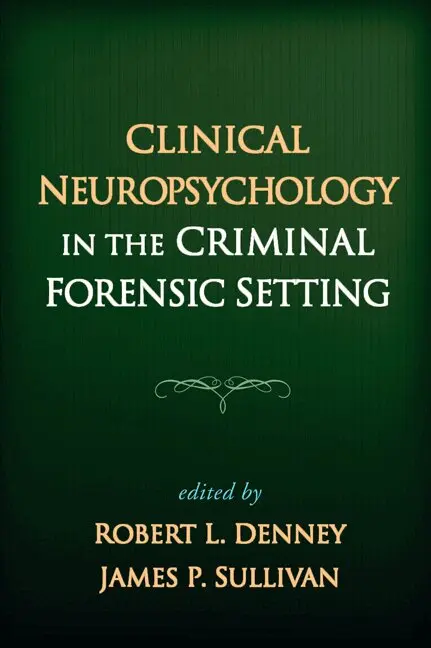
Meeting a growing need for practitioners, this unique volume brings together leading experts to present the legal and clinical foundations of neuropsychology practice in criminal forensic cases. Authoritative yet accessible, the book reviews relevant case law and constitutional principles and provides clear-cut guidance for conducting assessments that address specific legal standards and questions, such as competency to confess, competency to proceed, criminal responsibility, and sentencing concerns. With coverage of both adult and juvenile contexts, chapters describe how to work effectively in correctional settings; gather information from multiple sources; detect deception; generate accurate, legally admissible findings; and communicate them successfully in the courtroom.