Shane S. Bush - Böcker
Visar alla böcker från författaren Shane S. Bush. Handla med fri frakt och snabb leverans.
15 produkter
15 produkter
482 kr
Skickas inom 5-8 vardagar
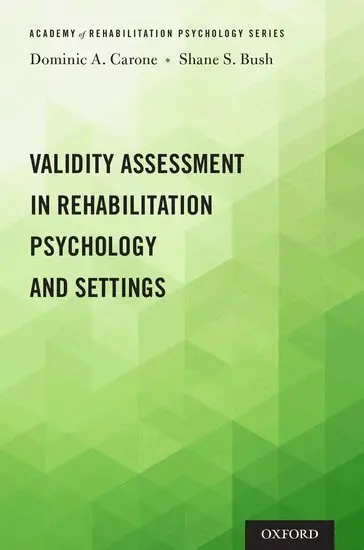
This is the first book devoted to the topic of validity assessment in rehabilitation contexts and is written by two board certified psychologists with extensive experience in clinical neuropsychology and rehabilitation psychology. This book describes (a) why validity assessment is important, (b) validity assessment methods, and (c) special topics related to validity assessment in rehabilitation psychology (e.g., managing invalid presentations, mild traumatic brain injury, forensic and disability applications, ethical considerations). Although primarily intended for the rehabilitation psychologist who is new to the topic of validity assessment, this book is also designed to be helpful to other rehabilitation specialists, students and trainees, and psychologists experienced in validity assessment, including neuropsychologists.
522 kr
Skickas inom 5-8 vardagar
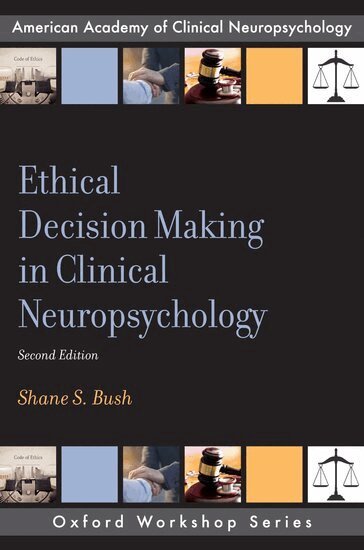
The ability to anticipate, avoid, and resolve ethical conflicts in neuropsychology is a dynamic process that must be developed and maintained over time. Ethics codes and professional guidelines are drafted and updated, changes in clinical practice occur, and new laws are implemented. To practice in a manner consistent with the highest ethics principles, neuropsychologists must be able to integrate the evolving ethical and legal requirements into their professional activities. The primary purpose of this 2nd edition is to review ethical guidelines and literature relevant to clinical neuropsychology that have been published since the first edition of this book was published a decade ago. A number of important publications have emerged since the first edition was published, including new Specialty Guidelines for Forensic Psychology, Standards for Educational and Psychological Testing, and position statements/practice guidelines by APA (e.g., Assessment of Older Adults with Diminished Capacity, co-authored with ABA) and other professional organizations (e.g., AACN, NAN) that are directly relevant to neuropsychological practice. In addition, scholarly publications have contributed knowledge to ethical practice in general (e.g., Knapp's & VandeCreek's work on positive ethics), which is relevant for, and should be applied to, neuropsychological practice. Additionally, book chapters on ethics in subspecialty areas (e.g., pediatric and geriatric neuropsychology, mTBI, Veterans) have advanced our understanding of ethical issues in neuropsychology and should be integrated into a new edition of the book. Finally, advances in technology and increased use of technology in clinical neuropsychology bring ethical issues and challenges incorporated in the new edition of the book. Learning exercises and study questions at the end of the chapters help readers review the main points and check their learning progress.
1 415 kr
Skickas inom 5-8 vardagar
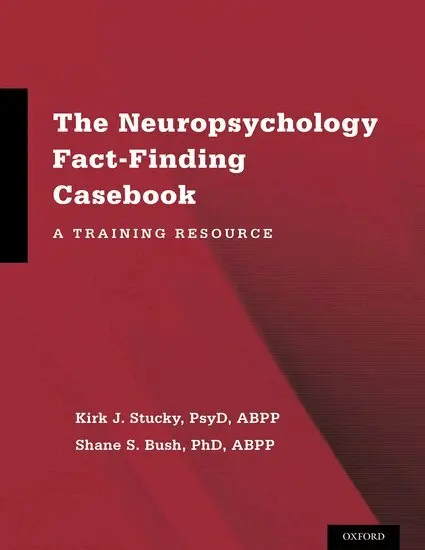
Formal training in clinical neuropsychology introduces trainees to diverse patient populations with a variety of conditions and disorders. Learning to competently apply a structured, fact-finding approach to case conceptualization, differential diagnosis, and treatment planning is an essential goal at all levels of training. This approach provides a valuable exercise and method of examining practitioner competence. The structured approach to case analysis promotes good clinical decision making, and exercises based on such an approach can help prepare clinicians for the oral exams that are a part of board certification. The Neuropsychology Fact-Finding Casebook is a resource for both supervisors and trainees in clinical neuropsychology, as well as for clinicians preparing for board certification. The volume provides 24 compelling and diverse fact-finding cases, one for each month of a two-year residency. Each case is presented in a stepwise fashion: presenting problem and referral question, background information and patient report, behavioral observations, and test findings. At the end of each case, a summary, diagnostic impression, recommendations, and questions are provided to assess, reinforce, and teach core competencies; an outcome section describes what occurred after the full case evaluation is completed; and critical teaching points are discussed. This Casebook is a standardized approach to fact-finding that training programs at various levels can use to help trainees develop such evaluation skills.
643 kr
Skickas inom 5-8 vardagar
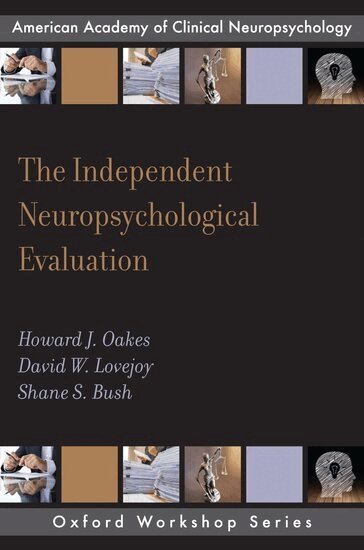
The Independent Neuropsychological Evaluation explores the process of conducting an independent neuropsychological evaluation (IME) for disability related claims. While neuropsychologists are well trained in the area of clinical assessment, little training, mentoring, or supervision applies these skills to the disability arena, and a lack of literature specific to this rapidly growing area of practice by which to develop expertise encroaches on these needs.Authors Howard J. Oakes, David W. Lovejoy, and Shane S. Bush provide information about how to prepare disability related assessments that are valid, useful, and appropriate. They explain the language and context of "disability," offer relevant ethical and professional considerations, and cover business aspects of IMEs as well as particular neuropsychological related issues. Although the subject matter covered in this book has relevance to neuropsychological IMEs conducted in the context of civil litigation, workers' compensation, fitness for duty, and state- or federally-sponsored disability programs, this book emphasizes IMEs conducted for private disability insurance companies. Practicing neuropsychologists and clinical psychologists who conduct, or are contemplating conducting, independent examinations, as well as providers in neurology and psychiatry who may struggle with some of the same disability-related issues and questions, will find this volume of great practical use.
1 757 kr
Skickas inom 5-8 vardagar
Psychological assessment is practiced in wide-ranging settings to address the varied clinical and administrative needs of veteran populations. Such assessment blends record review, clinical interviews of the veteran and collateral sources of information, behavioral observations, and psychological testing.This book promotes the care and well-being of veterans by bringing together knowledgeable and experienced psychologists to discuss a range of psychological assessment methods and procedures. It aims to help patients and their families, healthcare providers, and concerned citizens gain an improved understanding of veterans' cognitive functioning, emotional states, personality traits, behavioral patterns, and daily functioning.The book begins with a history of the psychological assessment of veterans and investigates its efficacy in different settings, including outpatient mental health, long-term care, primary care, home-based primary care, and telemental health. Later chapters address assessment of a variety of disorders or presenting problems, including substance use disorders, psychotic disorders, mood disorders and suicidal thoughts and behavior, PTSD and other anxiety disorders, attention-deficit/hyperactivity disorder, dementia, pain and pain-related disorders, and polytrauma. The book concludes with important special considerations, including assessment of symptom and performance validity, assessment of homeless veterans and health-related quality of life, and ethical, legal, and professional issues.Psychological Assessment of Veterans provides an essential reference and guide for clinical psychologists, including those working in the subspecialties, and psychology trainees who work with veterans.
2 029 kr
Skickas inom 10-15 vardagar
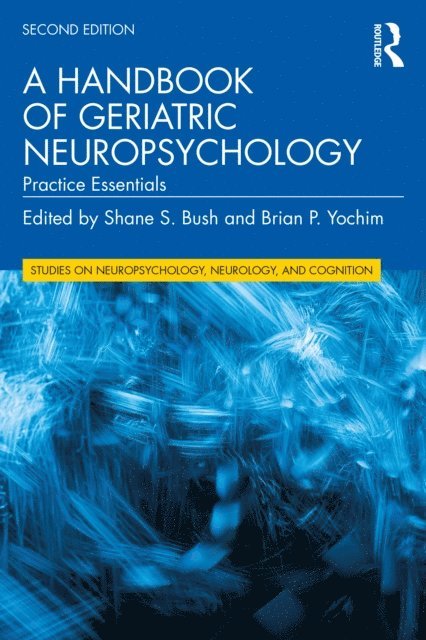
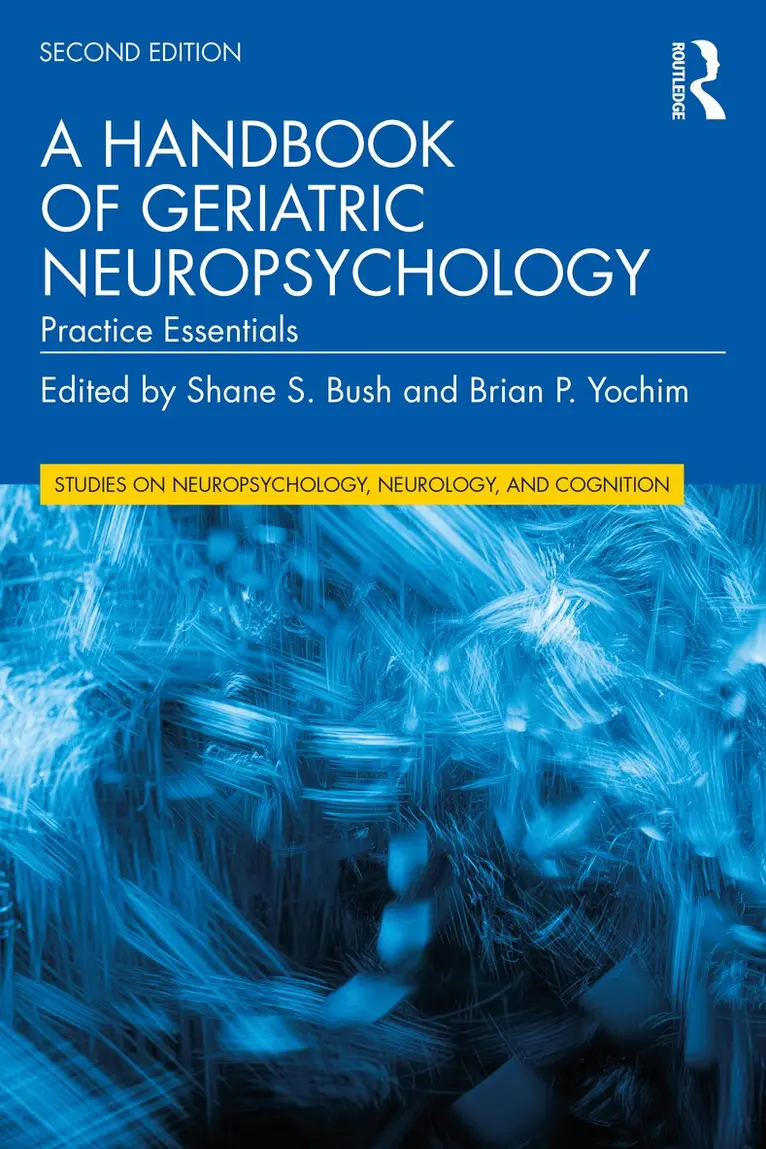
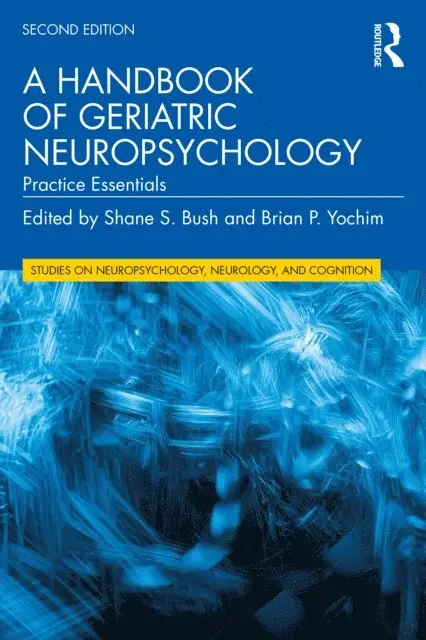
A Handbook of Geriatric Neuropsychology: Practice Essentials (Second Edition) brings together experts in the field to integrate the knowledge and skills needed to understand and treat older adults who are experiencing problems with memory and other thinking skills. With three new sections, including coverage of other conditions beyond neuropsychological disorders, special assessment contexts, and more on interventions and ethics, as well as multiple new chapters, and significant updates from the first edition, this book provides a strong foundation for clinicians, educators, and researchers invested in the wellbeing of older adults.The impact and experience of aging, like the practice of neuropsychology, evolves over time. Similarly, through advances in science and professional techniques, neuropsychological practice has continued to evolve. Neuropsychological evaluation remains the most effective method of diagnosing age-related cognitive decline, cognitive difficulties that result from psychological factors, and other related disorders, as well as determining how the various disorders impact functioning and quality of life. This book explores these areas and offers state-of-the-art assessment techniques to assess changes in cognition and behavior and to distinguish normal changes from neuropathology.This book is a go-to resource and key reference for psychologists who serve older adults with known or suspected cognitive problems, as well as those who are invested in promoting brain wellness. It provides much of the information needed to establish and improve foundational and functional competencies in geriatric neuropsychology and establish practices that are personally and professionally rewarding, all aimed at promoting the understanding and wellbeing of older adults.
876 kr
Skickas inom 10-15 vardagar
A Handbook of Geriatric Neuropsychology: Practice Essentials (Second Edition) brings together experts in the field to integrate the knowledge and skills needed to understand and treat older adults who are experiencing problems with memory and other thinking skills. With three new sections, including coverage of other conditions beyond neuropsychological disorders, special assessment contexts, and more on interventions and ethics, as well as multiple new chapters, and significant updates from the first edition, this book provides a strong foundation for clinicians, educators, and researchers invested in the wellbeing of older adults.The impact and experience of aging, like the practice of neuropsychology, evolves over time. Similarly, through advances in science and professional techniques, neuropsychological practice has continued to evolve. Neuropsychological evaluation remains the most effective method of diagnosing age-related cognitive decline, cognitive difficulties that result from psychological factors, and other related disorders, as well as determining how the various disorders impact functioning and quality of life. This book explores these areas and offers state-of-the-art assessment techniques to assess changes in cognition and behavior and to distinguish normal changes from neuropathology.This book is a go-to resource and key reference for psychologists who serve older adults with known or suspected cognitive problems, as well as those who are invested in promoting brain wellness. It provides much of the information needed to establish and improve foundational and functional competencies in geriatric neuropsychology and establish practices that are personally and professionally rewarding, all aimed at promoting the understanding and wellbeing of older adults.
731 kr
Skickas inom 10-15 vardagar
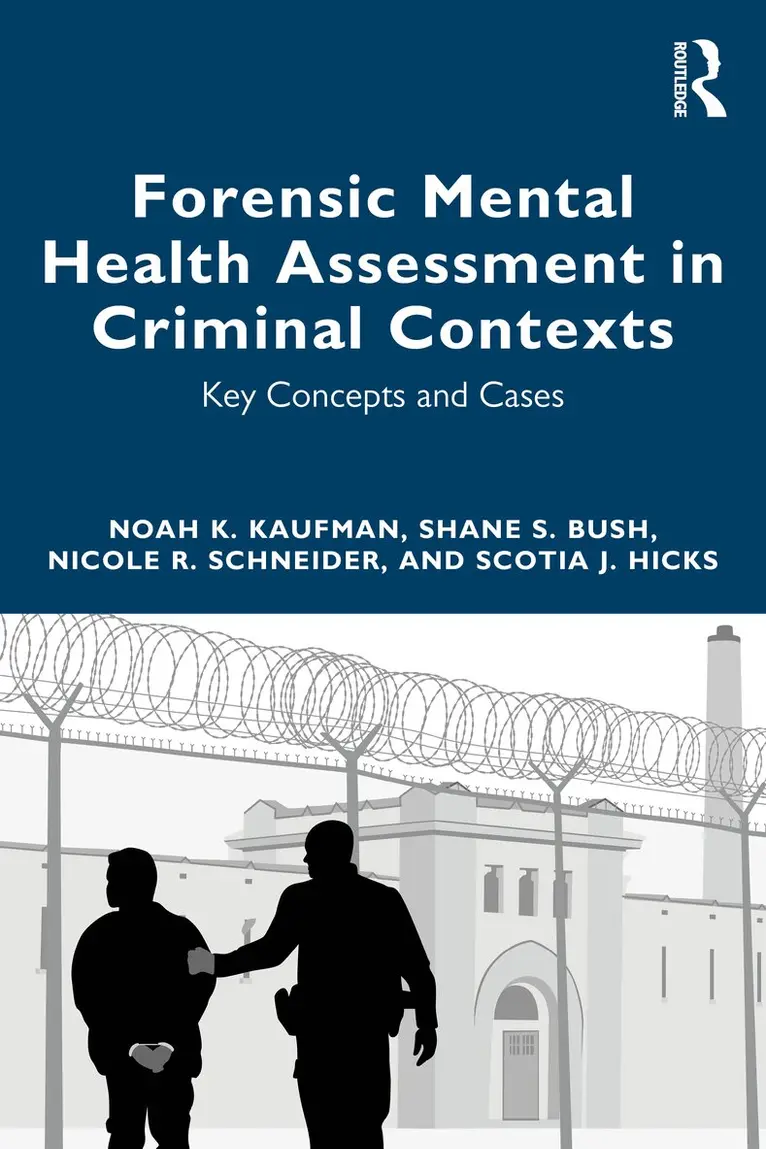
This valuable compendium advances the understanding of mental health case law, making it highly accessible to practicing forensic professionals. Divided into two parts, the first section focuses on explaining important topics related to forensic psychological and forensic neuropsychological assessment, while the second section stands on its own as a collection of fascinating legal cases with high relevance to mental health and legal professionals interested in how mental health disorders impact criminal behavior among juveniles and adults.The book begins with an accessible primer on abnormal behavior, exploring the links between criminal behavior and mental health disorders. It goes on to thoroughly describe what goes into forensic psychological and forensic neuropsychological evaluations, including discussion about the Federal Rules of Evidence, as they pertain to evidence-generation during the mental health evaluation process. The book also focuses on psychometric concepts, including reliability, validity, sensitivity, and specificity, as well as an exploration of ‘science’ and ‘the law’ which includes a discussion about the difference between science and pseudoscience, the different sources of law (constitutions, statutes, and case law), and how the intellectually competitive practice of law is similar to the enterprise of science. Ethical issues faced by the forensic mental health worker are also addressed. The second section of the book, Legal Cases for the Forensic Mental Health Professional, is an alphabetical summary of important and interesting legal cases with relevance for mental health professionals. These cases offer real-world significance while summarizing complex legal decisions through a neuropsychological sieve, to allow both legal and psychological communities to better understand each other’s professions.This book will be an invaluable resource for forensic psychologists, forensic neuropsychologists, forensic psychiatrists, and other mental health professionals whose work brings them into contact with the juvenile justice and adult criminal justice system. It will also be of interest to legal professionals, criminal justice departments, and law schools.
Forensic Mental Health Assessment in Criminal Contexts
Key Concepts and Cases
Inbunden, Engelska, 2022
2 029 kr
Skickas inom 10-15 vardagar
This valuable compendium advances the understanding of mental health case law, making it highly accessible to practicing forensic professionals. Divided into two parts, the first section focuses on explaining important topics related to forensic psychological and forensic neuropsychological assessment, while the second section stands on its own as a collection of fascinating legal cases with high relevance to mental health and legal professionals interested in how mental health disorders impact criminal behavior among juveniles and adults.The book begins with an accessible primer on abnormal behavior, exploring the links between criminal behavior and mental health disorders. It goes on to thoroughly describe what goes into forensic psychological and forensic neuropsychological evaluations, including discussion about the Federal Rules of Evidence, as they pertain to evidence-generation during the mental health evaluation process. The book also focuses on psychometric concepts, including reliability, validity, sensitivity, and specificity, as well as an exploration of ‘science’ and ‘the law’ which includes a discussion about the difference between science and pseudoscience, the different sources of law (constitutions, statutes, and case law), and how the intellectually competitive practice of law is similar to the enterprise of science. Ethical issues faced by the forensic mental health worker are also addressed. The second section of the book, Legal Cases for the Forensic Mental Health Professional, is an alphabetical summary of important and interesting legal cases with relevance for mental health professionals. These cases offer real-world significance while summarizing complex legal decisions through a neuropsychological sieve, to allow both legal and psychological communities to better understand each other’s professions.This book will be an invaluable resource for forensic psychologists, forensic neuropsychologists, forensic psychiatrists, and other mental health professionals whose work brings them into contact with the juvenile justice and adult criminal justice system. It will also be of interest to legal professionals, criminal justice departments, and law schools.
784 kr
Skickas inom 10-15 vardagar
The American Psychological Association published a revision of the Ethical Principles of Psychologists and Code of Conduct in 2002.This text, a companion to the 2002 text Ethical Issues in Clinical Neuropsychology by Bush and Drexler, presents the reader with common ethical challenges in neuropsychology. This text examines the differences between the 1992 and 2002 APA Ethics Codes as they relate to neuropsychological activities.The authors present cases and discuss ethical issues related to neuropsychological practice with a variety of patient populations and in a variety of clinical settings. In addition, ethical issues in neuropsychological research and test development are examined. The text also includes chapters on emerging and particularly challenging aspects of neuropsychological practice, such as the assessment of response validity, and the use of information technology and telecommunications. Through the use of case illustrations, the authors examine ethical issues in neuropsychology and the new Ethics Code, offering a practical approach for understanding and promoting ethical neuropsychological practice.
874 kr
Skickas inom 7-10 vardagar
Working with older clients involves a number of unique ethical challenges, including those related to the array of health concerns psychologists do not often encounter with younger clients, such as Alzheimer's disease. This book presents a decision-making framework and clinical vignettes to help clinicians navigate such complex quandaries.Perhaps the greatest challenge for geropsychologists is balancing the principles of respecting client autonomy and promoting client welfare, especially when a client's decision-making capacity is in question. Geropsychologists also must negotiate the competing interests and expectations of clients and their relatives, other health care professionals, and the institutions in which many older adults are evaluated and treated.To help geropsychologists navigate these complex issues, Bush, Allen, and Molinari introduce a structured decision-making process that draws heavily from principle-based and positive ethics, providing practical applications of the APA Ethical Principles of Psychologists and Code of Conduct while also accounting for federal laws and regulations.Detailed case examples illustrate how to apply this process in a variety of treatment contexts, including hospitals, long-term care facilities, and hospice care. These vignettes review unique considerations for assessment, intervention, consultation, business practices, education and training, and advocating for clients' rights. This book will also help geropsychologists to prepare for the ethics component of the board certification exam.
2 043 kr
Skickas inom 7-10 vardagar
The APA Handbook of Forensic Neuropsychology covers the scientific and clinical neuropsychological advances and their application in forensic contexts. The application of clinical neuropsychology to forensic questions and issues is growing at a tremendous rate. This handbook covers the scientific and clinical neuropsychological advances and their application in forensic contexts.To accomplish this goal, the handbook:presents the theoretical, statistical, and ethical foundations of forensic neuropsychology describes current assessment measures and procedures employed in forensic neuropsychology, with an emphasis on their empirical evidence base integrates recently published empirical literature involving commonly encountered disorders and special populations describes reporting, admissibility, and testimony issues involving neuropsychology in forensic matters and describes future directions involving the intersection of clinical neuropsychology and legal matters.
Ethical Practice in Forensic Psychology
A Guide for Mental Health Professionals
Häftad, Engelska, 2019
841 kr
Skickas inom 7-10 vardagar
Forensic psychologists have consistently relied upon Ethical Practice in Forensic Psychology for expert advice on negotiating ethical dilemmas in forensic contexts, including civil, criminal, and family law cases. This fully updated second edition presents an updated systematic decision‑making model based on positive ethics that practitioners can use to address conflicting roles and responsibilities, balance competing ethical and legal requirements, and maintain high standards of ethical practice and professional competence. Authors Shane Bush, Mary Connell, and Robert Denney are renowned experts in forensic psychology and neuropsychology. They answer complex ethical questions related to third‑party requests, collecting and reviewing data from multiples sources, conducting forensic evaluations, and reporting results in written reports and courtroom testimony. They also offer suggestions for addressing potential ethical misconduct by colleagues. Detailed case examples illustrate how to apply this book amp rsquo s ethical decision‑making model in realistic scenarios. This second edition examines significant new research and incorporates updated guidance from the APA Ethics Code, APA amp rsquo s Specialty Guidelines for Forensic Psychology, and other resources that have emerged since the first edition.
1 016 kr
Skickas inom 7-10 vardagar
Unique in its focus, this book provides an evidence-based framework for assessing work-related neurological and psychological injuries. Meeting a key need, chapters address a range of problems encountered in the workplace: traumatic brain injury, sports concussion, electrical injury, exposure to neurotoxic substances, posttraumatic stress, depression, and brain and psychological injuries experienced in combat. Professionals will find the best available tools and strategies for conducting effective, ethical evaluations of injured workers, making diagnostic determinations, considering causality, determining disability status, and offering treatment recommendations. The complexities of consulting to attorneys, government agencies, and insurance companies are also discussed.
1 284 kr
Tillfälligt slut
The American Psychological Association published a revision of the Ethical Principles of Psychologists and Code of Conduct in 2002.This text, a companion to the 2002 text Ethical Issues in Clinical Neuropsychology by Bush and Drexler, presents the reader with common ethical challenges in neuropsychology. This text examines the differences between the 1992 and 2002 APA Ethics Codes as they relate to neuropsychological activities.The authors present cases and discuss ethical issues related to neuropsychological practice with a variety of patient populations and in a variety of clinical settings. In addition, ethical issues in neuropsychological research and test development are examined. The text also includes chapters on emerging and particularly challenging aspects of neuropsychological practice, such as the assessment of response validity, and the use of information technology and telecommunications. Through the use of case illustrations, the authors examine ethical issues in neuropsychology and the new Ethics Code, offering a practical approach for understanding and promoting ethical neuropsychological practice.