Robert Ledger – författare
Visar alla böcker från författaren Robert Ledger. Handla med fri frakt och snabb leverans.
9 produkter
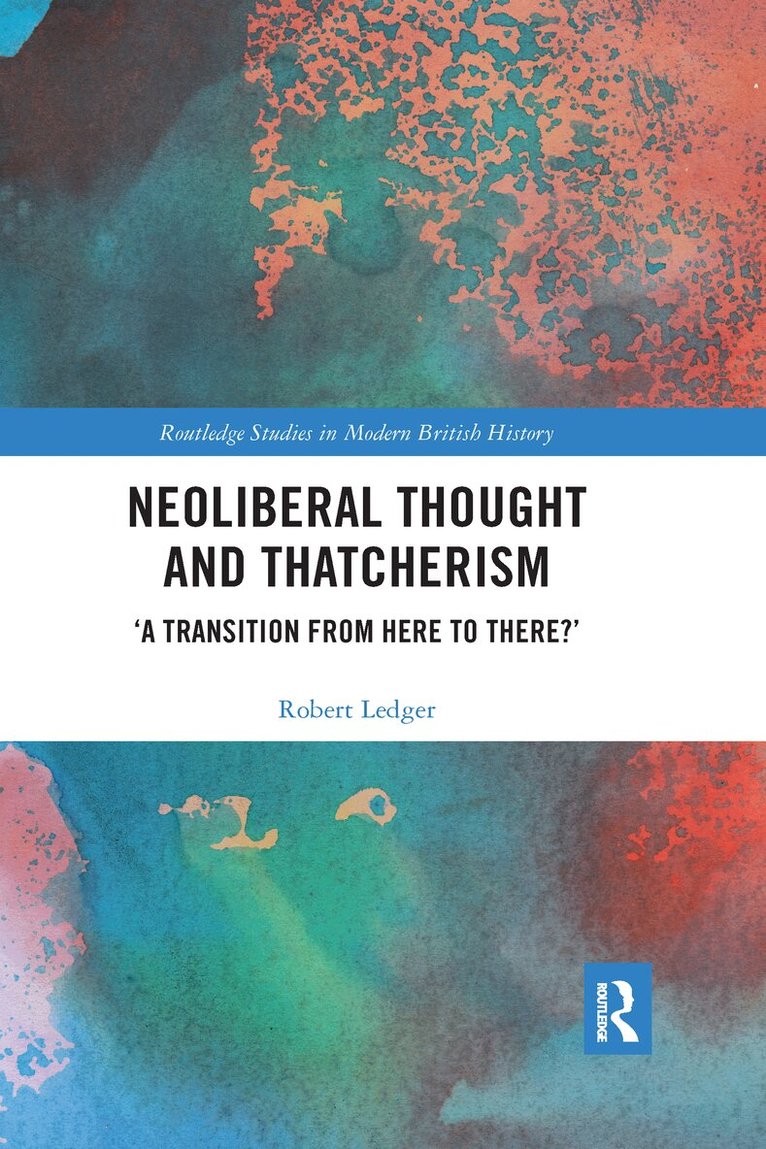
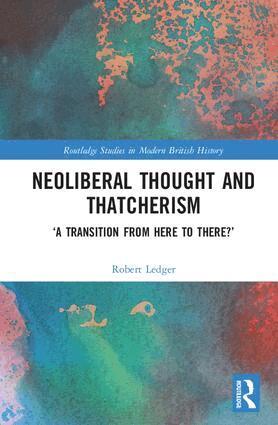
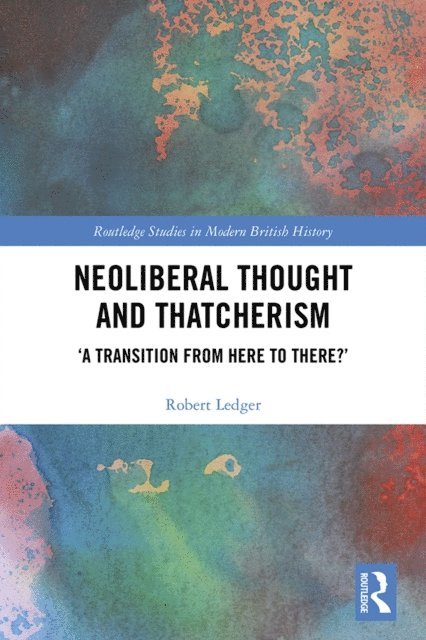
Neoliberal Thought and Thatcherism
‘A Transition From Here to There?’
Häftad, 2021
704 kr
Lägg i varukorg
The premiership of Margaret Thatcher has been portrayed as uniquely ideological in its pursuit of a more market-based economy. A body of literature has been built on how a sharp turn to the right by the Conservative Party during the 1980s - inspired by the likes of Milton Friedman and Friedrich …
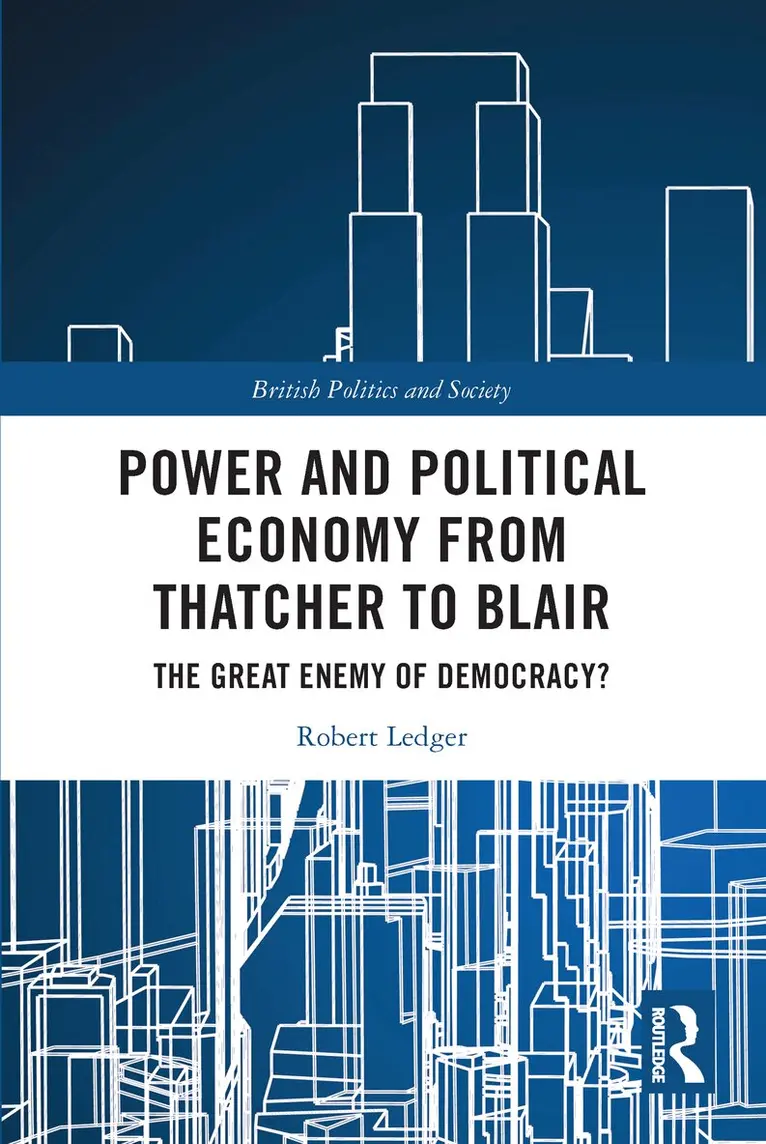
Power and Political Economy from Thatcher to Blair
The Great Enemy of Democracy?
Häftad, 2022
725 kr
Lägg i varukorg
This book investigates the policies of the Thatcher, Major and Blair governments and their approaches towards concentration of economic and political power. The 1979–2007 British governments have variously been described as liberal or, to use a political insult and a favourite academic label, …
Power and Political Economy from Thatcher to Blair
The Great Enemy of Democracy?
E-bok, 2021
831 kr
Lägg i varukorg
This book investigates the policies of the Thatcher, Major and Blair governments and their approaches towards concentration of economic and political power. The 1979–2007 British governments have variously been described as liberal or, to use a political insult and a favourite academic label, …
Power and Political Economy from Thatcher to Blair
The Great Enemy of Democracy?
E-bok, 2021
813 kr
Lägg i varukorg
This book investigates the policies of the Thatcher, Major and Blair governments and their approaches towards concentration of economic and political power. The 1979–2007 British governments have variously been described as liberal or, to use a political insult and a favourite academic label, …
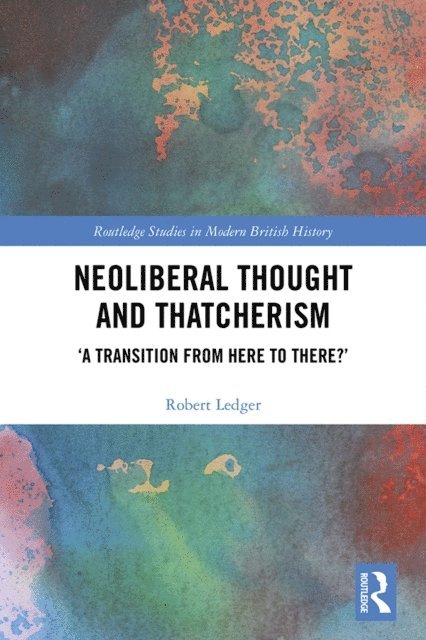
Neoliberal Thought and Thatcherism
‘A Transition From Here to There?’
Inbunden, 2017
2736 kr
Lägg i varukorg
The premiership of Margaret Thatcher has been portrayed as uniquely ideological in its pursuit of a more market-based economy. A body of literature has been built on how a sharp turn to the right by the Conservative Party during the 1980s - inspired by the likes of Milton Friedman and Friedrich …
Neoliberal Thought and Thatcherism
'A Transition From Here to There?'
E-bok, 2017
831 kr
Lägg i varukorg
The premiership of Margaret Thatcher has been portrayed as uniquely ideological in its pursuit of a more market-based economy. A body of literature has been built on how a sharp turn to the right by the Conservative Party during the 1980s - inspired by the likes of Milton Friedman and Friedrich …
Neoliberal Thought and Thatcherism
'A Transition From Here to There?'
E-bok, 2017
856 kr
Lägg i varukorg
The premiership of Margaret Thatcher has been portrayed as uniquely ideological in its pursuit of a more market-based economy. A body of literature has been built on how a sharp turn to the right by the Conservative Party during the 1980s - inspired by the likes of Milton Friedman and Friedrich …
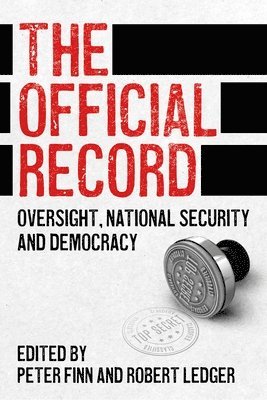
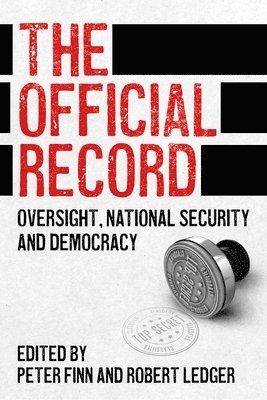
Official Record
Oversight, National Security and Democracy
Inbunden, 2024
1227 kr
Lägg i varukorg
The construction, control and preservation of the Official Record is inherently contested. Those seeking greater openness and (democratic) accountability argue 'sunlight is [...] the best of disinfectants’, while others seek stricter information control because, to their mind, sound government …
Official Record
Oversight, national security and democracy
Häftad, 2026
364 kr
Lägg i varukorg
The construction, control and preservation of the Official Record is inherently contested. Those seeking greater openness and (democratic) accountability argue 'sunlight is [...] the best of disinfectants’, while others seek stricter information control because, to their mind, sound government …