Robert M. Farley – författare
Visar alla böcker från författaren Robert M. Farley. Handla med fri frakt och snabb leverans.
9 produkter
Patents for Power
Intellectual Property Law and the Diffusion of Military Technology
Av Robert M. Farley, Davida H. Isaacs
Inbunden, 2020
345 kr
Lägg i varukorg
In an era when knowledge can travel with astonishing speed, the need for analysis of intellectual property (IP) law—and its focus on patents, trade secrets, trademarks, and issues of copyright—has never been greater. But as Robert M. Farley and Davida H. Isaacs stress in Patents for Power, we have …
Patents for Power
Intellectual Property Law and the Diffusion of Military Technology
Av Davida H. Isaacs, Robert M. Farley
E-bok, 2020
655 kr
Lägg i varukorg
In an era when knowledge can travel with astonishing speed, the need for analysis of intellectual property (IP) law—and its focus on patents, trade secrets, trademarks, and issues of copyright—has never been greater. But as Robert M. Farley and Davida H. Isaacs stress in Patents for Power , we have …
Grounded
The Case for Abolishing the United States Air Force
Inbunden, 2014
448 kr
Lägg i varukorg
The United States needs airpower, but does it need an air force? In Grounded, Robert M. Farley persuasively argues that America should end the independence of the United States Air Force (USAF) and divide its assets and missions between the United States Army and the United States Navy. In the wake …
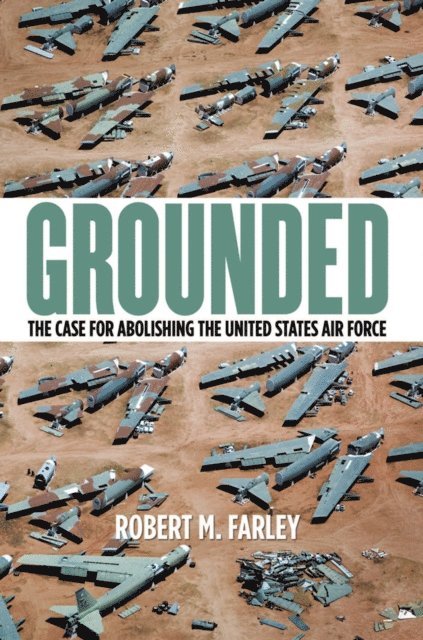
Grounded
The Case for Abolishing the United States Air Force
E-bok, 2014
462 kr
Lägg i varukorg
The United States needs airpower, but does it need an air force? In Grounded , Robert M. Farley persuasively argues that America should end the independence of the United States Air Force (USAF) and divide its assets and missions between the United States Army and the United States Navy. In the …
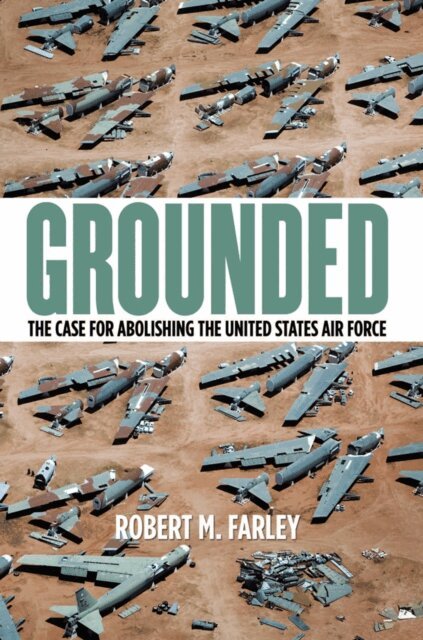
Grounded
The Case for Abolishing the United States Air Force
E-bok, 2014
393 kr
Lägg i varukorg
The United States needs airpower, but does it need an air force? In Grounded, Robert M. Farley persuasively argues that America should end the independence of the United States Air Force (USAF) and divide its assets and missions between the United States Army and the United States Navy. In the wake …
Grounded
The Case for Abolishing the United States Air Force
Häftad, 2015
444 kr
Lägg i varukorg
The United States needs airpower, but does it need an air force? In Grounded, Robert M. Farley persuasively argues that America should end the independence of the United States Air Force (USAF) and divide its assets and missions between the United States Army and the United States Navy. In the wake …
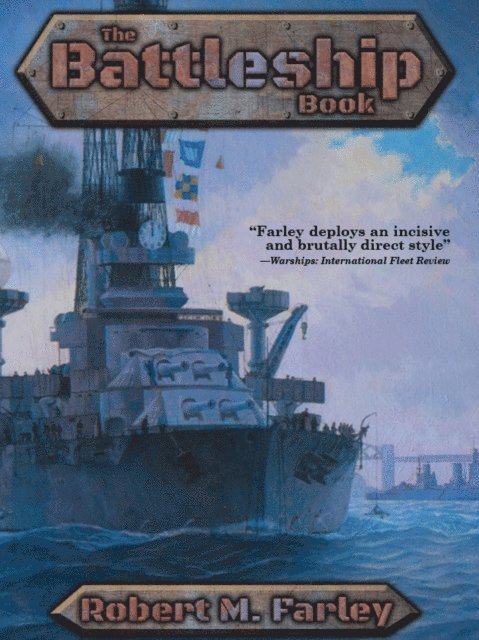
Battleship Book
Häftad, 2016, 15+ år
294 kr
Lägg i varukorg
By the author of Grounded: The Case for Abolishing the United States AirForce. From the moment when the launching of HMS Dreadnought made everycapital ship in the world obsolete overnight, we have been fascinated with thesepowerful surface combatants. Here Robert M. Farley looks at the history …
Battleship Book
E-bok, 2015
103 kr
Lägg i varukorg
From the moment when the launching of HMS Dreadnought made every capital ship in the world obsolete overnight, we have been fascinated with these powerful surface combatants. Here Robert M. Farley looks at the history and folklore that makes these ships enduring symbols of national power—and …