Robert M. Wallace – författare
Visar alla böcker från författaren Robert M. Wallace. Handla med fri frakt och snabb leverans.
7 produkter
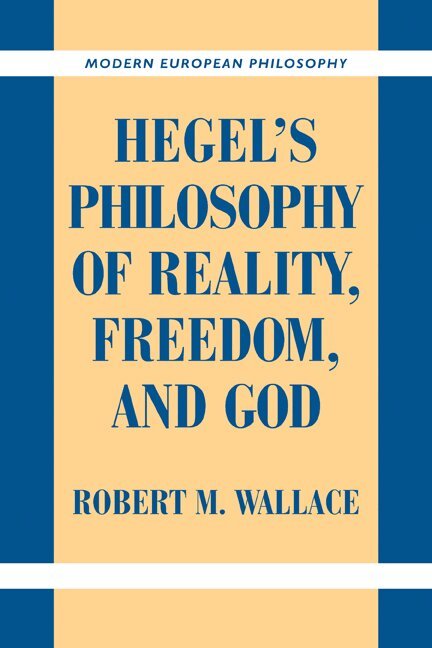
Hegel's Philosophy of Reality, Freedom, and God
Häftad, 2011
699 kr
Lägg i varukorg
This book shows that the repeated announcements of the death of Hegel's philosophical system have been premature. Hegel's Philosophy of Freedom, Reality, and God brings to light accomplishments for which Hegel is seldom given credit: unique arguments for the reality of freedom, for the reality of …
Farewell to Matters of Principle
Philosophical Studies
Av Vincent Descombes, Josue Harari m. fl.
E-bok, 1989
752 kr
Lägg i varukorg
This book is the latest addition to the Odéon series, a multidisciplinary series devoted to original works and translations by European writers in the areas of literature, criticism, philosophy, history and politics. An English translation of the German best-seller Abschied vom Prinzipiellen , the …
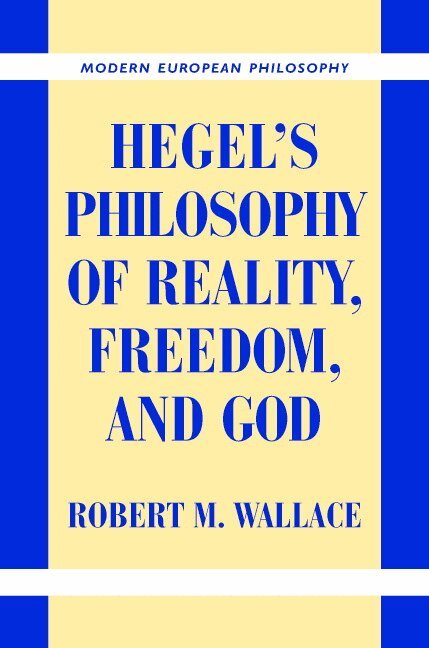
Hegel's Philosophy of Reality, Freedom, and God
Inbunden, 2005
1074 kr
Lägg i varukorg
This book shows that the repeated announcements of the death of Hegel's philosophical system have been premature. Hegel's Philosophy of Freedom, Reality, and God brings to light accomplishments for which Hegel is seldom given credit: unique arguments for the reality of freedom, for the reality of …
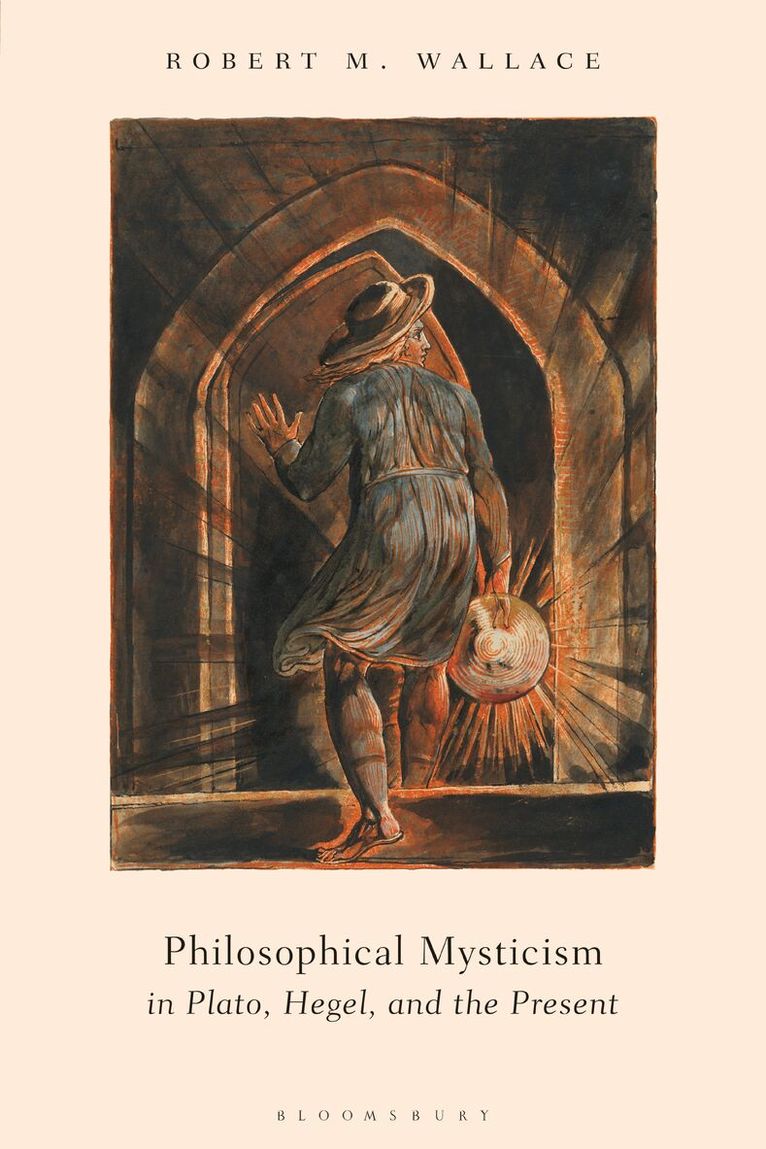
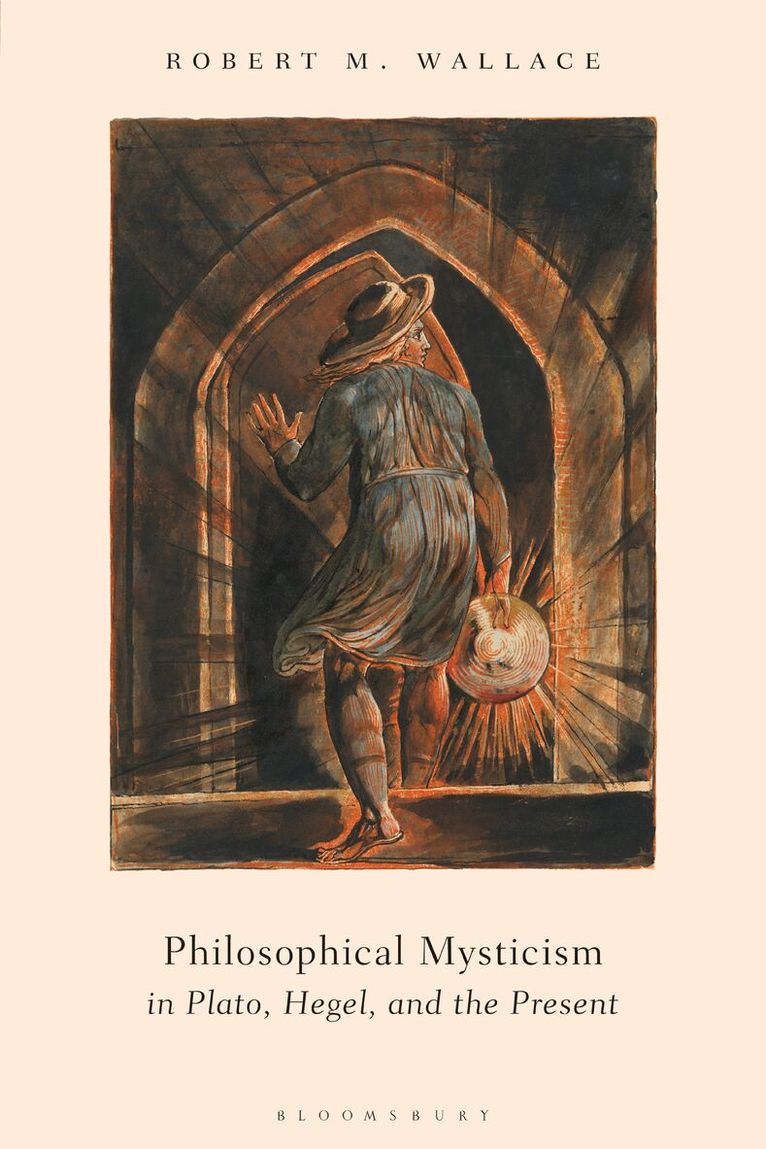
Philosophical Mysticism in Plato, Hegel, and the Present
Inbunden, 2019
1697 kr
Lägg i varukorg
Few twenty-first century academics take seriously mysticism’s claim that we have direct knowledge of a higher or more “inner” reality or God. But Philosophical Mysticism argues that such leading philosophers of earlier epochs as Plato, G. W. F. Hegel, Ludwig Wittgenstein, and Alfred North Whitehead …
Philosophical Mysticism in Plato, Hegel, and the Present
E-bok, 2019
515 kr
Lägg i varukorg
Few twenty-first century academics take seriously mysticism''s claim that we have direct knowledge of a higher or more “inner” reality or God. But Philosophical Mysticism argues that such leading philosophers of earlier epochs as Plato, G. W. F. Hegel, Ludwig Wittgenstein, and Alfred North …
Philosophical Mysticism in Plato, Hegel, and the Present
E-bok, 2019
515 kr
Lägg i varukorg
Few twenty-first century academics take seriously mysticism''s claim that we have direct knowledge of a higher or more “inner” reality or God. But Philosophical Mysticism argues that such leading philosophers of earlier epochs as Plato, G. W. F. Hegel, Ludwig Wittgenstein, and Alfred North …
Philosophical Mysticism in Plato, Hegel, and the Present
Häftad, 2021
472 kr
Lägg i varukorg
Few twenty-first century academics take seriously mysticism’s claim that we have direct knowledge of a higher or more “inner” reality or God. But Philosophical Mysticism argues that such leading philosophers of earlier epochs as Plato, G. W. F. Hegel, Ludwig Wittgenstein, and Alfred North Whitehead …