Robert Mallett – författare
Visar alla böcker från författaren Robert Mallett. Handla med fri frakt och snabb leverans.
12 produkter
Mussolini and the Origins of the Second World War, 1933-1940
Inbunden, 2003
2045 kr
Lägg i varukorg
The true nature of Mussolini's foreign policy during the late interwar period has been the subject of considerable controversy. Was Mussolini in reality pro-British, even as late as June 1940; or was his international policy more sinister and based on conquering a Fascist empire in North Africa and …
Mussolini and the Origins of the Second World War, 1933-1940
Häftad, 2003
575 kr
Lägg i varukorg
The true nature of Mussolini's foreign policy during the late interwar period has been the subject of considerable controversy. Was Mussolini in reality pro-British, even as late as June 1940; or was his international policy more sinister and based on conquering a Fascist empire in North Africa and …
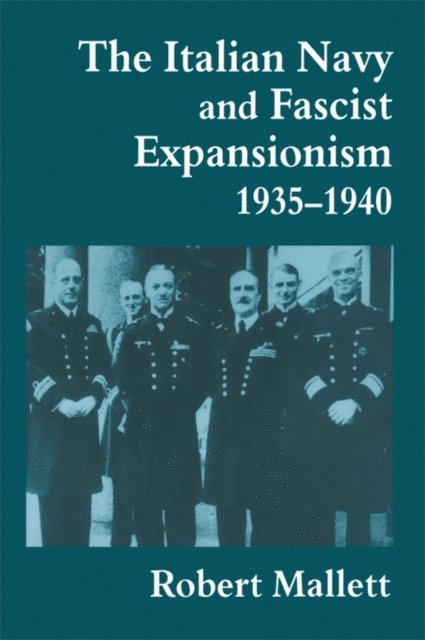
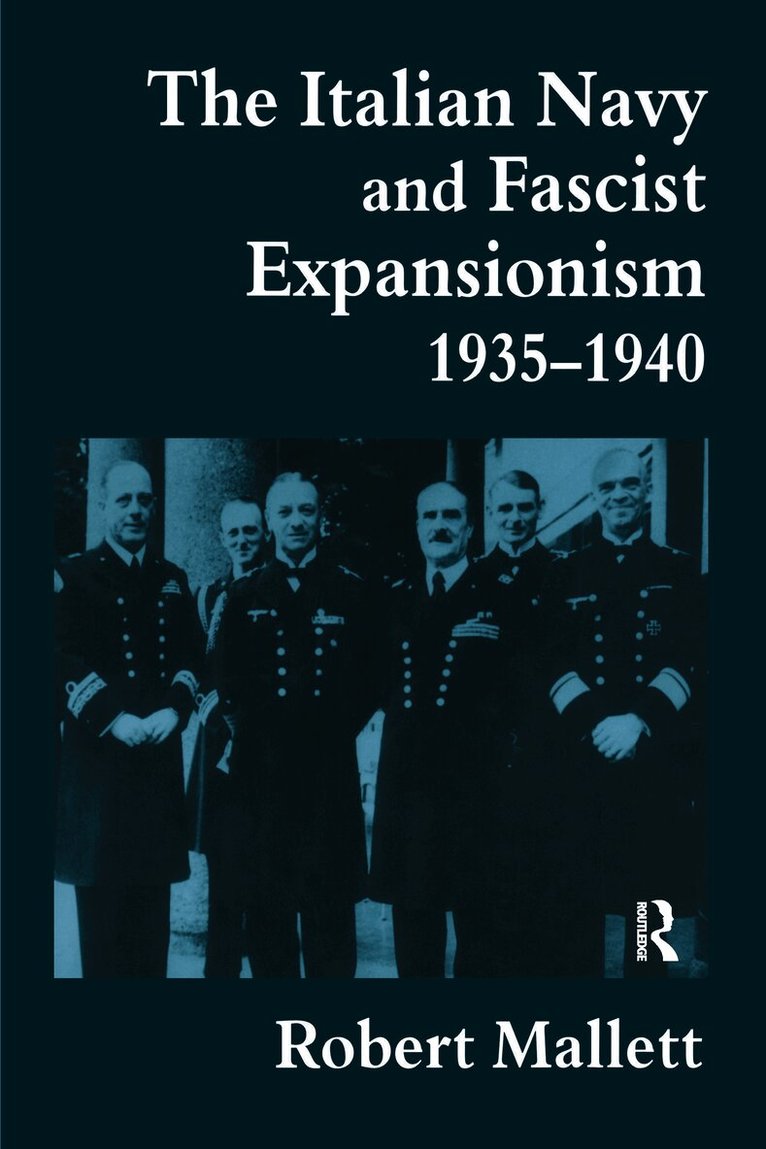
Italian Navy and Fascist Expansionism, 1935-1940
Inbunden, 1998
3158 kr
Lägg i varukorg
Robert Mallett argues that the Duce's aggressive war against the Mediterranean powers, Britain and France, was to secure access to the world's oceans. Mussolini actively pursued the Italo-German alliance to gain a Fascist empire stretching from the Mediterranean to the Indian Ocean.
International Fascism, 1919-45
Av Robert Mallett, Gert Sorensen
Inbunden, 2002
1028 kr
Lägg i varukorg
The essays that comprise this study of 20th-century fascism shift the focus away from the German and Italian models and towards the influence of fascist ideology within other countries.
International Fascism, 1919-45
Av Robert Mallett, Gert Sorensen
Häftad, 2002
322 kr
Lägg i varukorg
The essays that comprise this study of 20th-century fascism shift the focus away from the German and Italian models and towards the influence of fascist ideology within other countries.
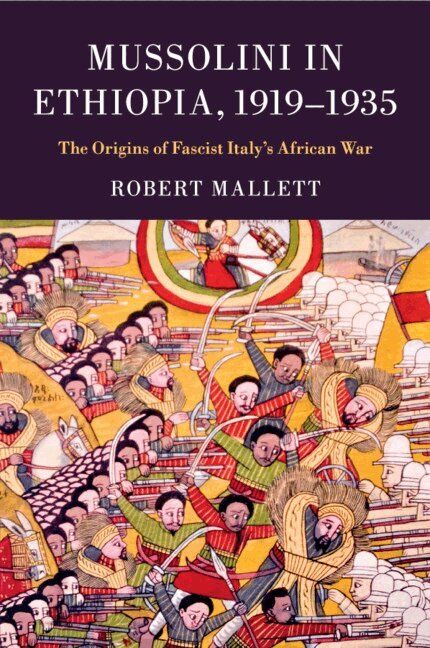
Mussolini in Ethiopia, 1919-1935
The Origins of Fascist Italy's African War
Häftad, 2018
586 kr
Lägg i varukorg
Mussolini in Ethiopia, 1919-1935 looks in detail at the evolution of the Italian Fascist regime's colonial policy within the context of European politics and the rise to power of German National Socialism. It delves into the tortuous nature of relations between the National Fascist Party and the …
International Fascism, 1919-45
Av Gert Sorensen, Robert Mallett
E-bok, 2013
375 kr
Lägg i varukorg
The essays that comprise this study of 20th-century fascism shift the focus away from the German and Italian models and towards the influence of fascist ideology within other countries.
International Fascism, 1919-45
Av Gert Sorensen, Robert Mallett
E-bok, 2013
364 kr
Lägg i varukorg
The essays that comprise this study of 20th-century fascism shift the focus away from the German and Italian models and towards the influence of fascist ideology within other countries.
Italian Navy and Fascist Expansionism, 1935-1940
E-bok, 2013
981 kr
Lägg i varukorg
Robert Mallett argues that the Duce''s aggressive war against the Mediterranean powers, Britain and France, was to secure access to the world''s oceans. Mussolini actively pursued the Italo-German alliance to gain a Fascist empire stretching from the Mediterranean to the Indian Ocean.
Italian Navy and Fascist Expansionism, 1935-1940
E-bok, 2013
981 kr
Lägg i varukorg
Robert Mallett argues that the Duce''s aggressive war against the Mediterranean powers, Britain and France, was to secure access to the world''s oceans. Mussolini actively pursued the Italo-German alliance to gain a Fascist empire stretching from the Mediterranean to the Indian Ocean.
Mussolini and the Origins of the Second World War, 1933-1940
E-bok, 2017
606 kr
Lägg i varukorg
The true nature of Mussolini''s foreign policy during the late interwar period has been the subject of considerable controversy. Was Mussolini in reality pro-British, even as late as June 1940; or was his international policy more sinister and based on conquering a Fascist empire in North Africa …
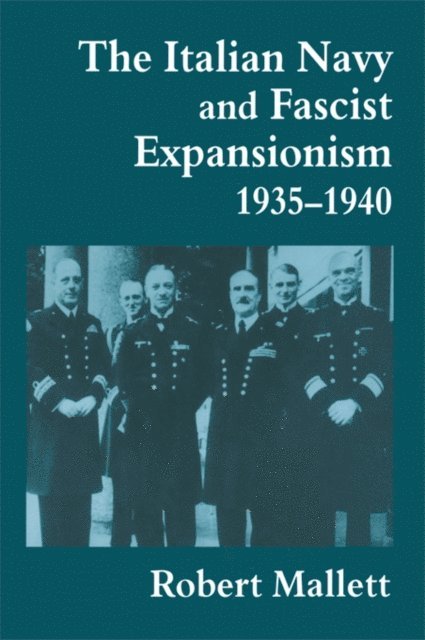
Italian Navy and Fascist Expansionism, 1935-1940
Häftad, 1998
924 kr
Tillfälligt slut
Robert Mallett argues that the Duce's aggressive war against the Mediterranean powers, Britain and France, was to secure access to the world's oceans. Mussolini actively pursued the Italo-German alliance to gain a Fascist empire stretching from the Mediterranean to the Indian Ocean.