Robert Mandel – författare
Visar alla böcker från författaren Robert Mandel. Handla med fri frakt och snabb leverans.
20 produkter
20 produkter
Inbunden, Engelska, 1999
1 021 kr
Skickas inom 10-15 vardagar
Mandel's comprehensive study provides an integrated, explanatory analysis of the new global security environment, which he terms the global playground, and the consequent blossoming of ominous flows or deadly transfers. It includes an analysis of the behavior of rogue states, terrorist groups, transnational criminal organizations, and deviant individuals. Mandel begins with a discussion of the general nature of the emerging global situation and the transborder activities that occur within it, then turns to an overarching analysis of the intractable causes, pernicious consequences, and futile cures associated with these ominous transnational flows. Such activities include clandestine conventional arms, illegal human migration, illicit drugs, hazardous materials, lethal diseases, and information disruption. Both national and international organizations are fundamentally weak when it comes to dealing with such transfers.In contrast to the prevailing view that more deterrence-oriented coercion is necessary to stop these flows, this study suggests that a bottom-up approach involving changes in mass attitudes is crucial. It does not shy away from pointing directly at potential areas of security dysfunction at all levels of policy making. In taking a largely theoretical rather than case-specific approach to exploring these issues, it hopes to avoid the usual laundry list of shocking anecdotal incidents to develop a broader understanding of the new security dilemmas confronting us all. Finally, in demonstrating the futility of existing remedies and in suggesting an alternative, preliminary set of ideas to cope with these transactions, Mandel attempts to give security policy makers a wider arsenal of options from which to choose.
Inbunden, Engelska, 1987
818 kr
Skickas inom 10-15 vardagar
The first book to explore systematically and comprehensively the influence and utility of irrationality in international relations, this study begins with an intensive exploration of the nature of irrationality. The author proceeds to examine twelve case studies in which irrationality has figured prominently in international confrontations. Among these conflicts are featured the Poland Solidarity crisis, the Soviet natural gas pipleline controversy, American invlovement in Nicaragua, the Grenada invasion, the Iranian seizure of American hostages, the Iran-Iraq war, the Libyan embassy incident, and the Falkland Islands war, among others. Finally, the work assesses patterns which emerge throughout the case studies and generates policy perceptions for applying or resisting irrationality, suggesting as well, the global consequences of proliferating irrationality in the international political arena.
Inbunden, Engelska, 1988
818 kr
Skickas inom 10-15 vardagar
As resource scarcity threatens and the economic gap between affluent and poorer nations continues to widen, conflict over natural resources is assuming critical dimensions. Mandel analyzes the causes and consequences of present tensions and offers case studies of five recent or ongoing resource conflicts illustrating major areas of confrontation and identifying the range of policy issues we need to confront. Synthesizing his findings, Mandel demonstrates the need for rethinking current policy and suggests alternative approaches that may help to reduce international conflict. The author first describes worldwide scarcity trends and trends in resource conflict and their relation to international conflict as a whole. He looks at the dynamics of resource competition, assessing the impact of scarcity, declining economic development, environmental awareness, resource interdependence, and other factors. The first case study, centering on the protection of an endangered species, examines the whaling confrontation that began in 1972. The oil crisis and the continuing conflict over fossil fuels is considered next. Other case studies focus on political coercion in the conflict over food; the scarcity of strategic minerals and competition to control them; and the conflict arising from nuclear pollution in the wake of the Chernobyl disaster. The concluding chapter, dealing with policy implications, explains why prevailing attitudes toward resources are counterproductive, and suggests ways of working more effectively to minimize international resource conflict. Combining solid empirical analysis with a thorough understanding of environmental theory and comparative resource issues, Mandel's study will be important reading for students and specialists concerned with resource policy, development, international relations, and conflict resolution.
Inbunden, Engelska, 1994
1 021 kr
Skickas inom 10-15 vardagar
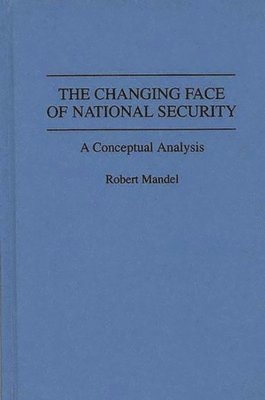
This book contains a probing and comprehensive theoretical analysis of the emerging notion of national security in light of the dramatic post-Cold War transformation of the international system. It begins with a discussion of the nature of this change, emphasizing declining national sovereignty, escalating international interdependence, and proliferating anarchic conflict. After developing a framework of the conceptual components of national security, this study focuses on analyzing change--both in priorities and tradeoffs--in military security, economic security, resource/environmental security, and political/cultural security. Brief case studies of the 1991 Gulf War, the 1991 Maastricht Treaty, the 1992 Earth Summit, and the ongoing Yugoslavia conflict illustrate the theoretical contentions. Finally, a set of crucial, fundamental security policy challenges and responses conclude the book.
Inbunden, Engelska, 2008
954 kr
Skickas inom 10-15 vardagar
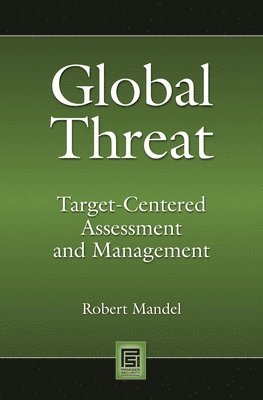
This book provides a fresh perspective on causes, consequences, and cures surrounding today's most pressing global security challenges. After explaining the changes in post-Cold War threat, it develops a novel target-centered approach to assessment and management that is more useful in coping with current foreign dangers than current best practices.After explaining the challenge in coping with current global threat, this book begins by analyzing the distinctiveness of post-Cold War threat and of the nature of enemies prevalent in today's world. Then it considers prevailing threat analysis deficiencies and develops an alternative target-centered conceptual approach for recognizing and prioritizing threat. Illustrating the value of this approach are four post-9/11 case studies: the weapons of mass destruction and terrorism threat linked to the 2003 Iraq War, the natural calamity threat linked to the 2004 tsunami disaster, the terrorist threat linked to the 2005 London Transport bombings, and the undesired mass population threat linked to the 2006 American illegal immigration tensions. The study concludes by presenting some target-centered ideas about how to cope better with incoming threat, calling in the end for strategic transformation.
Inbunden, Engelska, 2010
1 305 kr
Skickas inom 10-15 vardagar
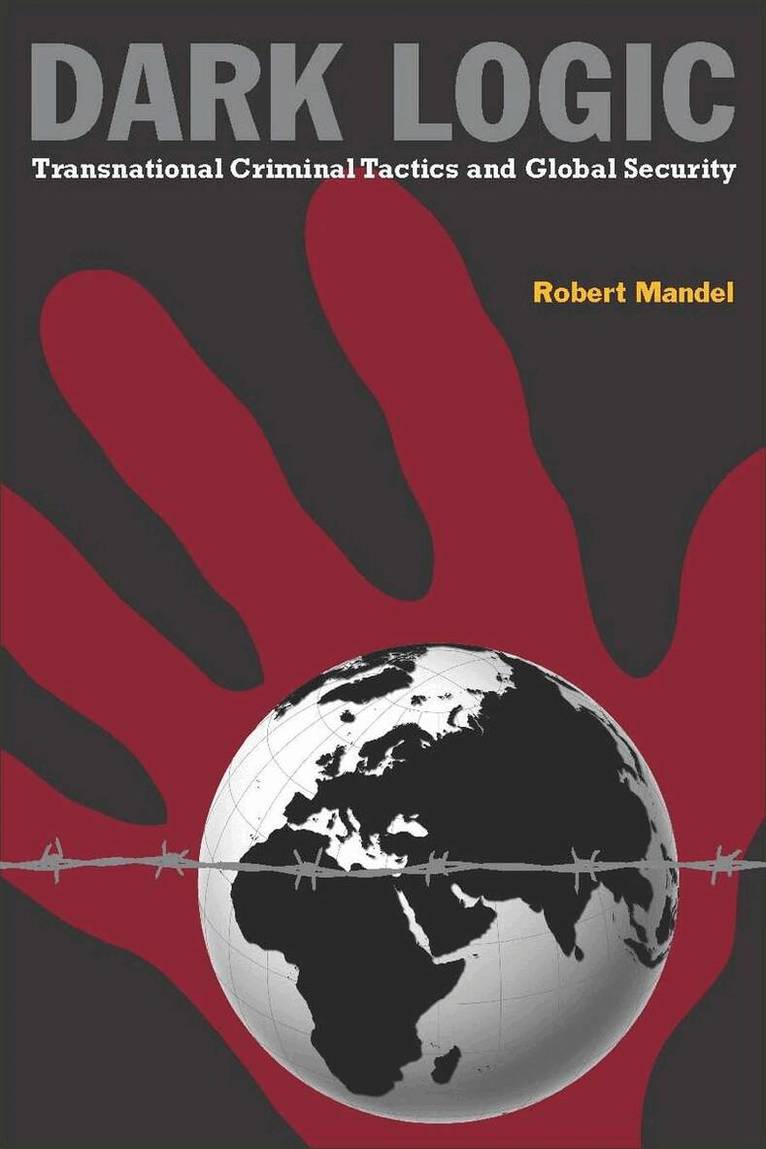
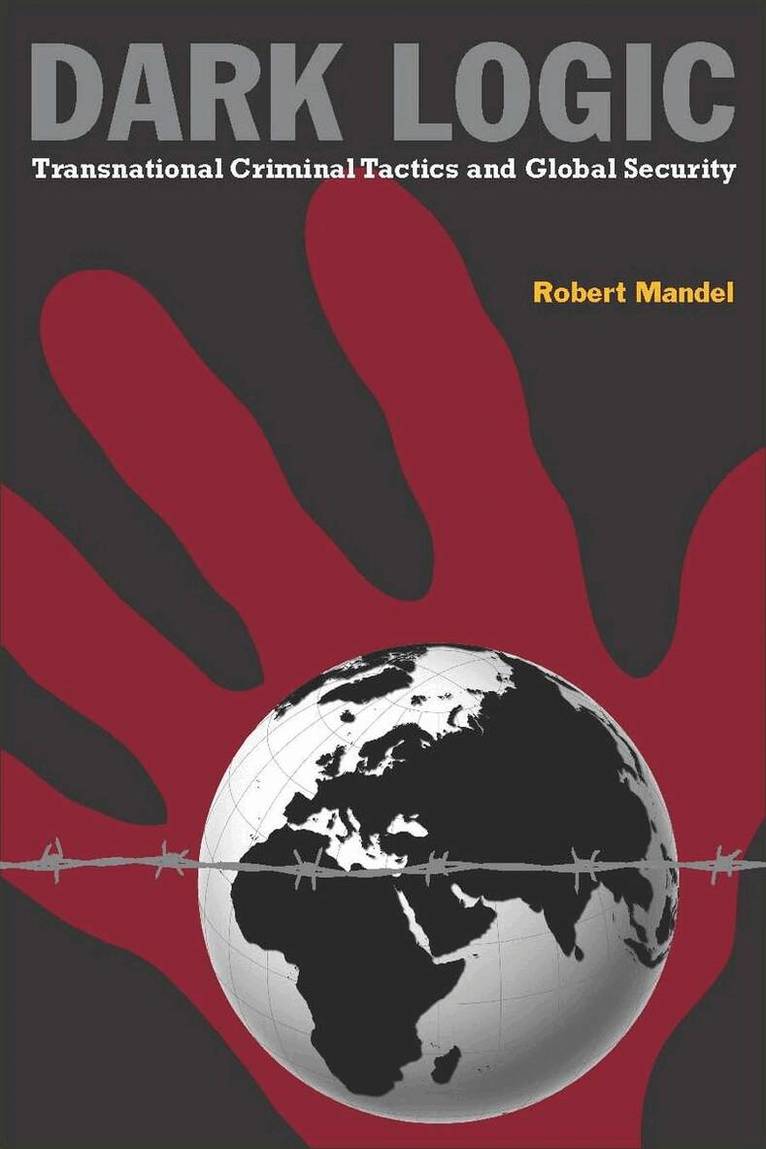
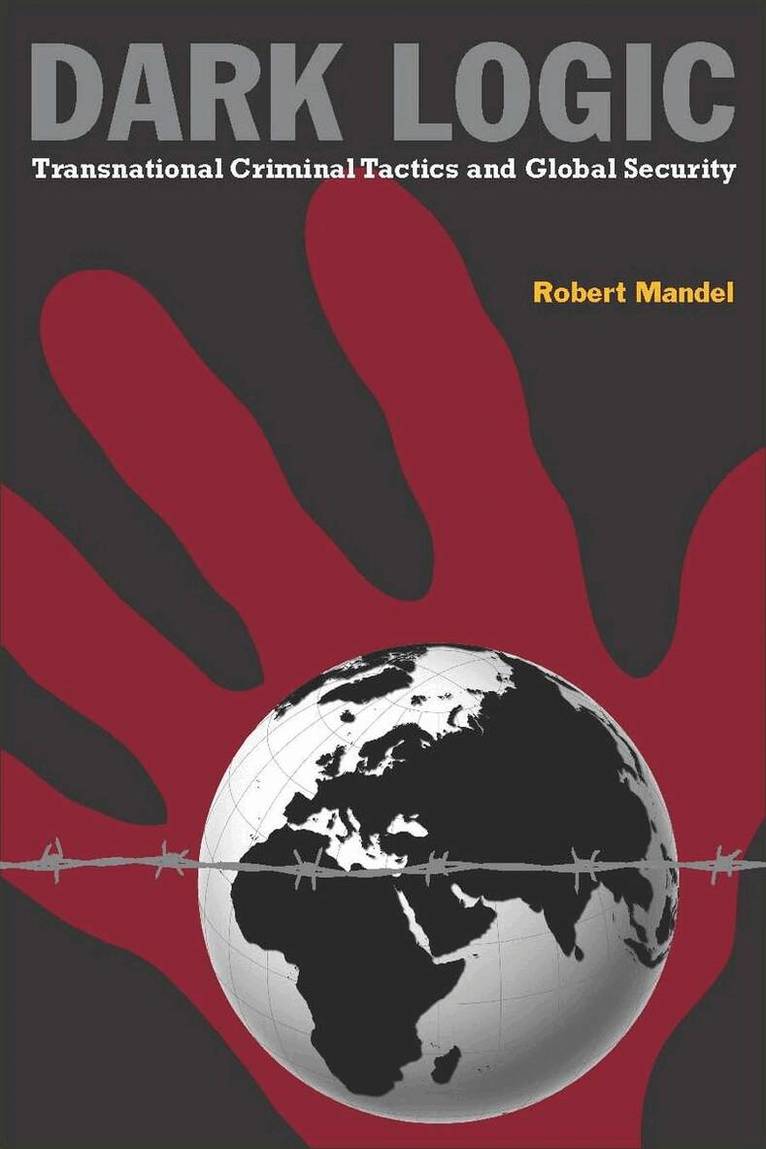
Since the end of the Cold War, transnational non-state forces have been a major source of global instability, with many ominous and disruptive flows of people, goods, and services moving readily across international boundaries. And because these activities are so multifaceted and so intertwined within the fabric of society, they remain largely invisible until the intrusion is well-advanced and difficult to reverse. Thus, the threat posed by transnational organized crime ultimately undermines the total security of countries—including the economic, cultural, and political dimensions—and now presents an international security challenge of staggering proportions. Surprisingly, no single book so far has fully addressed the scale of this threat to global stability from an international security perspective. In an attempt to rectify that failure, Dark Logic examines in depth when and how transnational organized crime is likely to use corruption and violence to achieve its ends, and when and how these criminal activities most affect individual and state security. Even more important, it pinpoints when and how the negative consequences of these tactics and activities can be most successfully combated. In so doing it provides a unique lens for analyzing today's global security dilemmas. Given that the threat associated with transnational organized crime can endanger all citizens—from policy makers and security analysts to students, scholars, and the "man and woman on the street"—this book is written in an intelligible and jargon-free style to make it accessible to anyone interested in the ever-growing catalog of threats to national and international security.
Häftad, Engelska, 2010
318 kr
Skickas inom 10-15 vardagar
Since the end of the Cold War, transnational non-state forces have been a major source of global instability, with many ominous and disruptive flows of people, goods, and services moving readily across international boundaries. And because these activities are so multifaceted and so intertwined within the fabric of society, they remain largely invisible until the intrusion is well-advanced and difficult to reverse. Thus, the threat posed by transnational organized crime ultimately undermines the total security of countries—including the economic, cultural, and political dimensions—and now presents an international security challenge of staggering proportions. Surprisingly, no single book so far has fully addressed the scale of this threat to global stability from an international security perspective. In an attempt to rectify that failure, Dark Logic examines in depth when and how transnational organized crime is likely to use corruption and violence to achieve its ends, and when and how these criminal activities most affect individual and state security. Even more important, it pinpoints when and how the negative consequences of these tactics and activities can be most successfully combated. In so doing it provides a unique lens for analyzing today's global security dilemmas. Given that the threat associated with transnational organized crime can endanger all citizens—from policy makers and security analysts to students, scholars, and the "man and woman on the street"—this book is written in an intelligible and jargon-free style to make it accessible to anyone interested in the ever-growing catalog of threats to national and international security.
Inbunden, Engelska, 2013
1 713 kr
Skickas inom 5-8 vardagar
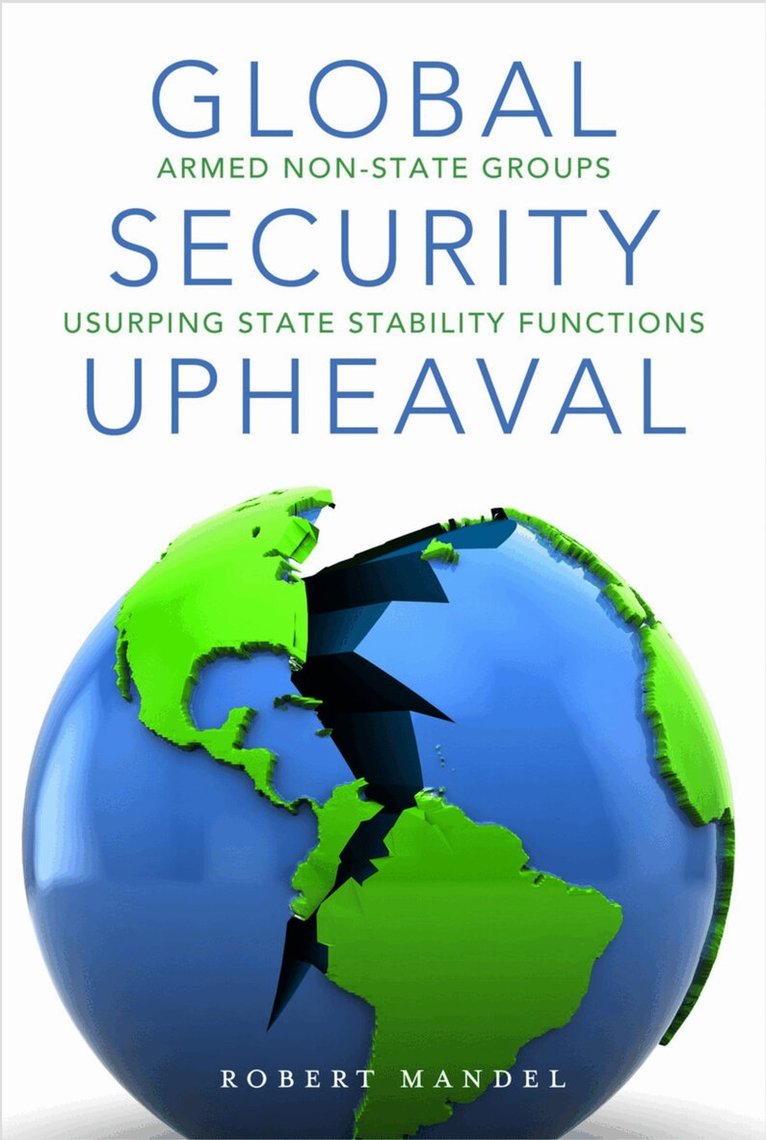
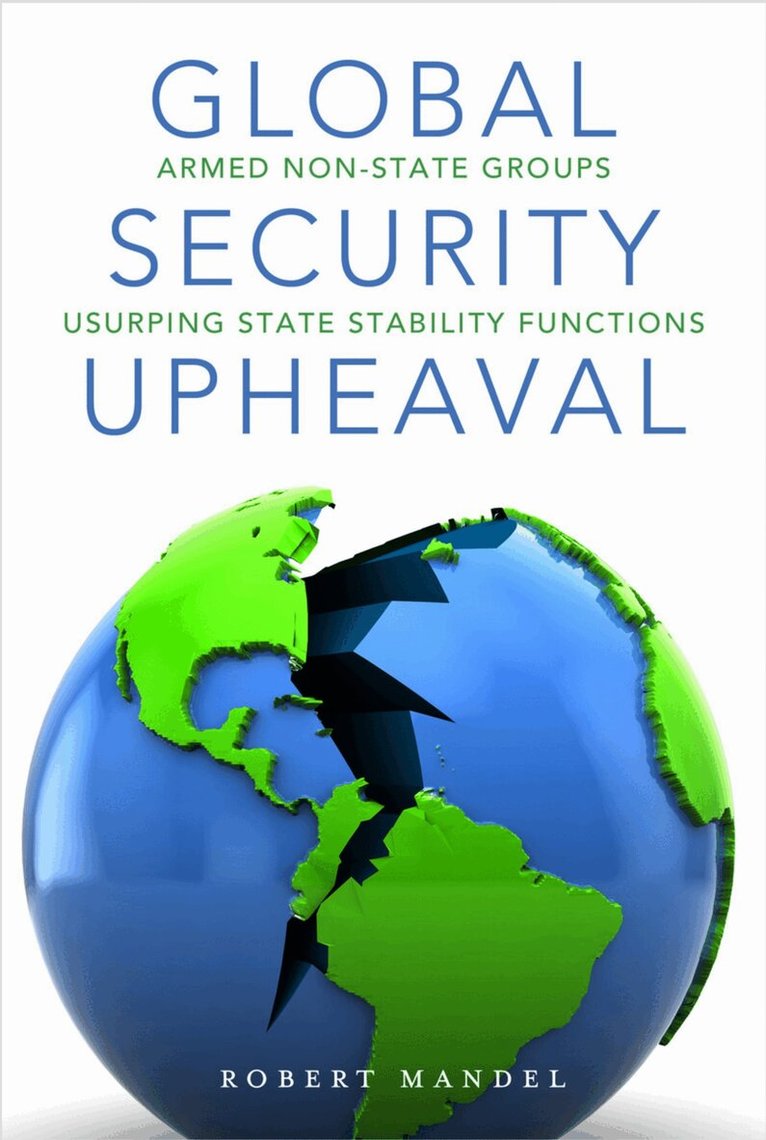
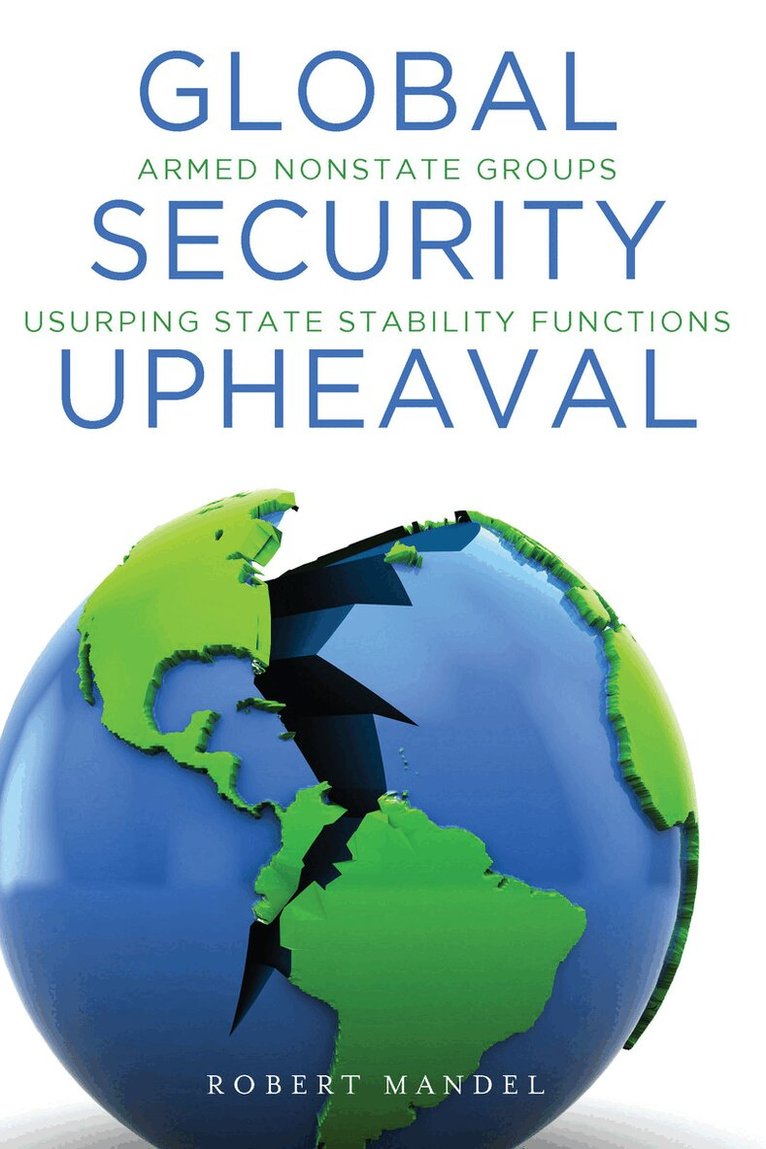
This book calls into question the commonly held contentions that central governments are the most important or even the sole sources of a nation's stability, and that subnational and transnational nonstate forces are a major source of global instability. By assessing recent real-world trends, Mandel reveals that areas exist where it makes little sense to rely on state governments for stability, and that attempts to bolster such governments to promote stability often prove futile. He demonstrates how armed nonstate groups can sometimes provide local stability better than states, and how power-sharing arrangements between states and armed nonstate groups may sometimes be viable. He concludes that these trends in the international setting call for major shifts in our understanding of what constitutes stable governance—proposing that we adopt a fluid "emergent actor" approach. And he calls for significant deviation from standard policy responses to the opportunities and dangers posed by nontraditional sources of national authority.
Häftad, Engelska, 2013
424 kr
Skickas inom 10-15 vardagar
This book calls into question the commonly held contentions that central governments are the most important or even the sole sources of a nation's stability, and that subnational and transnational nonstate forces are a major source of global instability. By assessing recent real-world trends, Mandel reveals that areas exist where it makes little sense to rely on state governments for stability, and that attempts to bolster such governments to promote stability often prove futile. He demonstrates how armed nonstate groups can sometimes provide local stability better than states, and how power-sharing arrangements between states and armed nonstate groups may sometimes be viable. He concludes that these trends in the international setting call for major shifts in our understanding of what constitutes stable governance—proposing that we adopt a fluid "emergent actor" approach. And he calls for significant deviation from standard policy responses to the opportunities and dangers posed by nontraditional sources of national authority.
Inbunden, Engelska, 2015
1 607 kr
Skickas inom 5-8 vardagar
Few global security issues stimulate more fervent passion than the application of brute force. Despite the fierce debate raging about it in government, society and the Academy, inadequate strategic understanding surrounds the issue, prompting the urgent need for —the first comprehensive systematic global analysis of 21st century state-initiated internal and external applications of brute force.Based on extensive case evidence, Robert Mandel assesses the short-term and long-term, the local and global, the military, political, economic, and social, and the state and human security impacts of brute force. He explicitly isolates the conditions under which brute force works best and worst by highlighting force initiator and force target attributes linked to brute force success and common but low-impact force legitimacy concerns. Mandel comes to two major overarching conclusions. First, that the modern global application of brute force shows a pattern of futility—but one that is more a function of states' misapplication of brute force than of the inherent deficiencies of this instrument itself. Second, that the realm for successful application of state-initiated brute force is shrinking: for while state-initiated brute force can serve as a transitional short-run local military solution, he says, it cannot by itself provide a long-run global strategic solution or serve as a cure for human security problems. Taking the evidence and his conclusions together, Mandel provides policy advice for managing brute force use in the modern world.
Häftad, Engelska, 2015
394 kr
Skickas inom 5-8 vardagar
Few global security issues stimulate more fervent passion than the application of brute force. Despite the fierce debate raging about it in government, society and the Academy, inadequate strategic understanding surrounds the issue, prompting the urgent need for —the first comprehensive systematic global analysis of 21st century state-initiated internal and external applications of brute force.Based on extensive case evidence, Robert Mandel assesses the short-term and long-term, the local and global, the military, political, economic, and social, and the state and human security impacts of brute force. He explicitly isolates the conditions under which brute force works best and worst by highlighting force initiator and force target attributes linked to brute force success and common but low-impact force legitimacy concerns. Mandel comes to two major overarching conclusions. First, that the modern global application of brute force shows a pattern of futility—but one that is more a function of states' misapplication of brute force than of the inherent deficiencies of this instrument itself. Second, that the realm for successful application of state-initiated brute force is shrinking: for while state-initiated brute force can serve as a transitional short-run local military solution, he says, it cannot by itself provide a long-run global strategic solution or serve as a cure for human security problems. Taking the evidence and his conclusions together, Mandel provides policy advice for managing brute force use in the modern world.
Inbunden, Engelska, 2019
1 500 kr
Skickas inom 5-8 vardagar
Intelligence and security communities have access to an overwhelming amount of information. More data is better in an information-hungry world, but too much data paralyzes individual and institutional abilities to process and use information effectively. Robert Mandel calls this phenomenon "global data shock." He investigates how information overload affects strategic ambiguity, deception, and surprise, as well as the larger consequences for international security. This book provides not only an accessible framework for understanding global data shock and its consequences, but also a strategy to prepare for and respond to information overload.Global Data Shock explores how information overload facilitates deception, eroding international trust and cooperation in the post-Cold War era. A sweeping array of case studies illustrates the role of data shock in shaping global events from the 1990 Iraqi attack on Kuwait to Brexit. When strategists try to use an overabundance of data to their advantage, Mandel reveals, it often results in unanticipated and undesirable consequences. Too much information can lead to foreign intelligence failures, security policy incoherence, mass public frustrations, curtailment of democratic freedoms, and even international political anarchy. Global Data Shock addresses the pressing need for improved management of information and its strategic deployment.
Häftad, Engelska, 2019
367 kr
Skickas inom 5-8 vardagar
Intelligence and security communities have access to an overwhelming amount of information. More data is better in an information-hungry world, but too much data paralyzes individual and institutional abilities to process and use information effectively. Robert Mandel calls this phenomenon "global data shock." He investigates how information overload affects strategic ambiguity, deception, and surprise, as well as the larger consequences for international security. This book provides not only an accessible framework for understanding global data shock and its consequences, but also a strategy to prepare for and respond to information overload.Global Data Shock explores how information overload facilitates deception, eroding international trust and cooperation in the post-Cold War era. A sweeping array of case studies illustrates the role of data shock in shaping global events from the 1990 Iraqi attack on Kuwait to Brexit. When strategists try to use an overabundance of data to their advantage, Mandel reveals, it often results in unanticipated and undesirable consequences. Too much information can lead to foreign intelligence failures, security policy incoherence, mass public frustrations, curtailment of democratic freedoms, and even international political anarchy. Global Data Shock addresses the pressing need for improved management of information and its strategic deployment.
Inbunden, Engelska, 2021
1 607 kr
Skickas inom 5-8 vardagar
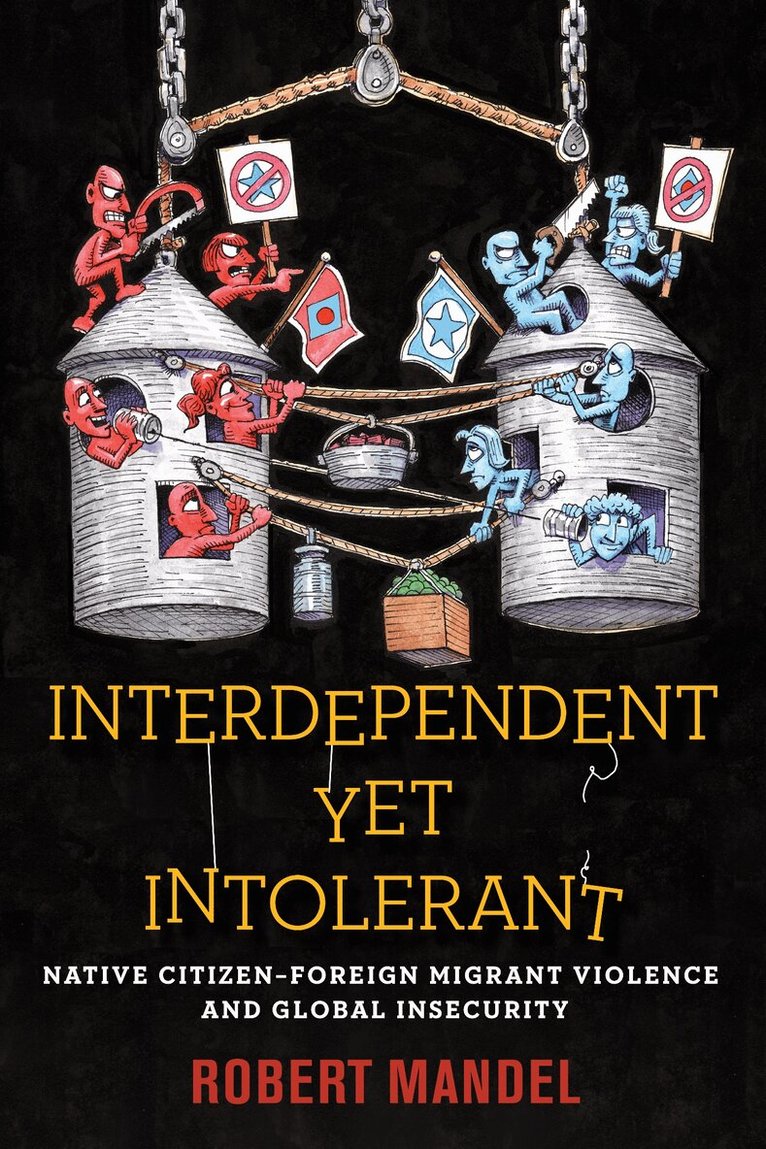
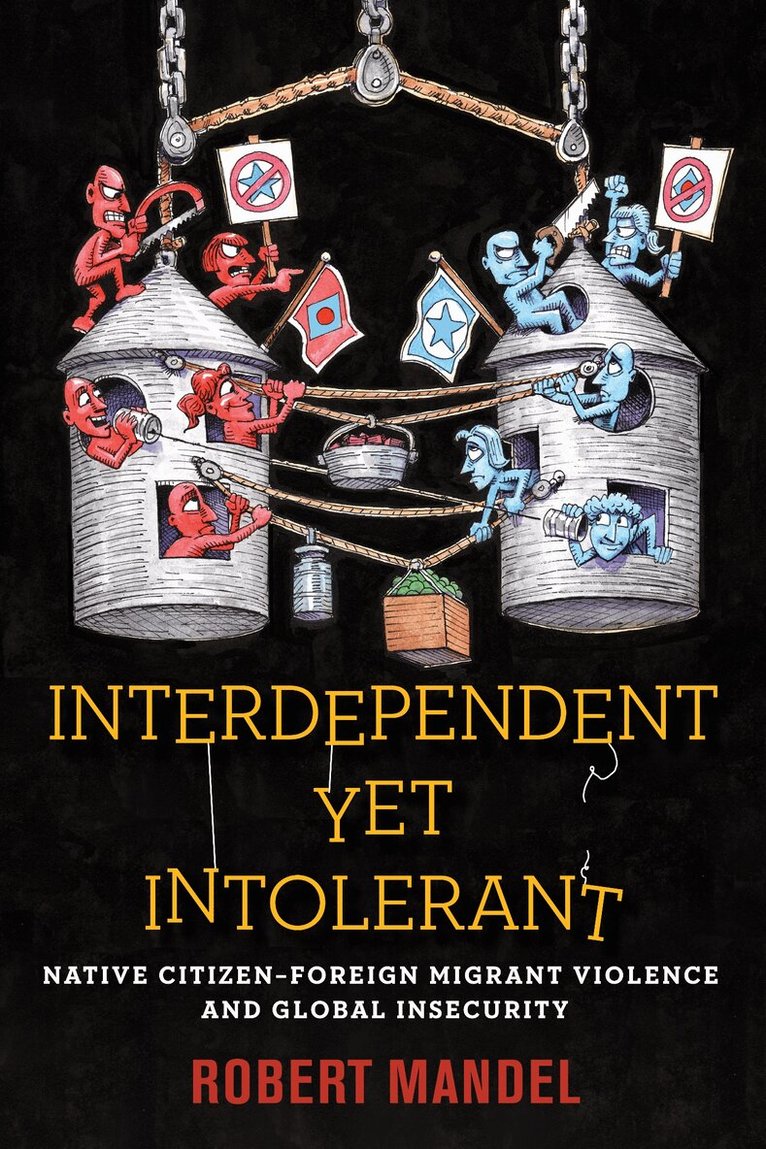
People everywhere are more dependent than ever on foreign migrants, products, and ideas—and more xenophobic. Intolerance and hate-based violence is on the rise in countries from Hungary to South Africa, threatening global security. With Interdependent Yet Intolerant, Robert Mandel explains why we live in an unexpectedly and increasingly hateful world, why existing policies have done little to help, and what needs to be done.Through an in-depth analysis of case studies from twelve diverse countries that have experienced violence between native citizens and foreign migrants, Mandel finds that the interdependence of the current liberal international order does not breed mutual understanding between groups through increased contact, but rather, under specific conditions, stimulates boomerang effects in the exact opposite direction. And the very policy measures intended to decrease violence—from heightened border enforcement intended to minimize instability, to intergovernmental payoffs to other countries to keep foreigners away, as in the EU—only inflame intolerance and promote global insecurity.Providing practical policy recommendations for managing identity-based violence in an age of mass migration and globalization, Interdependent Yet Intolerant calls on societies around the world to rethink their predominant notions of national identity and control.
Häftad, Engelska, 2021
394 kr
Skickas inom 5-8 vardagar
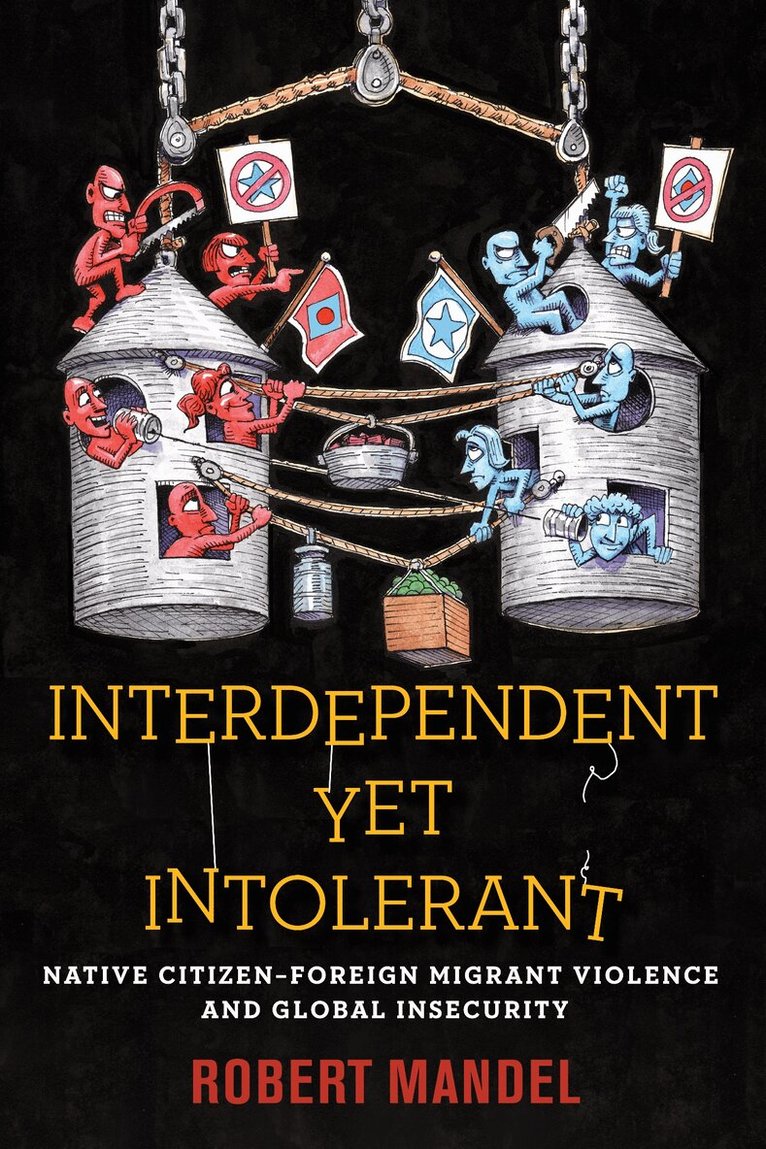
People everywhere are more dependent than ever on foreign migrants, products, and ideas—and more xenophobic. Intolerance and hate-based violence is on the rise in countries from Hungary to South Africa, threatening global security. With Interdependent Yet Intolerant, Robert Mandel explains why we live in an unexpectedly and increasingly hateful world, why existing policies have done little to help, and what needs to be done.Through an in-depth analysis of case studies from twelve diverse countries that have experienced violence between native citizens and foreign migrants, Mandel finds that the interdependence of the current liberal international order does not breed mutual understanding between groups through increased contact, but rather, under specific conditions, stimulates boomerang effects in the exact opposite direction. And the very policy measures intended to decrease violence—from heightened border enforcement intended to minimize instability, to intergovernmental payoffs to other countries to keep foreigners away, as in the EU—only inflame intolerance and promote global insecurity.Providing practical policy recommendations for managing identity-based violence in an age of mass migration and globalization, Interdependent Yet Intolerant calls on societies around the world to rethink their predominant notions of national identity and control.
Inbunden, Engelska, 2017
1 049 kr
Skickas inom 7-10 vardagar
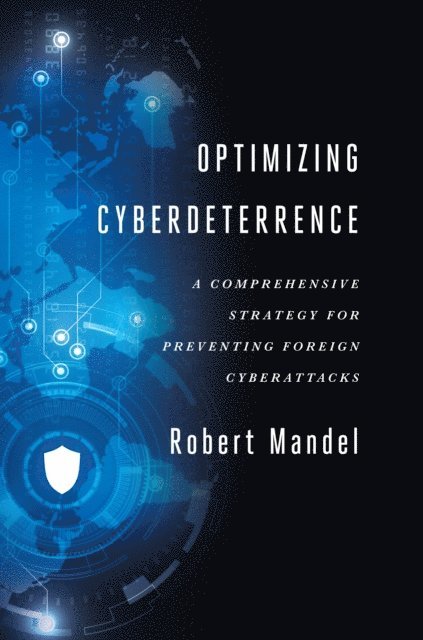
Cyberattacks are one of the greatest fears for governments and the private sector. The attacks come without warning and can be extremely costly and embarrassing. Robert Mandel offers a unique and comprehensive strategic vision for how governments, in partnership with the private sector, can deter cyberattacks from both nonstate and state actors. Cyberdeterrence must be different from conventional military or nuclear deterrence, which are mainly based on dissuading an attack by forcing the aggressor to face unacceptable costs. In the cyber realm, where attributing a specific attack to a specific actor is extremely difficult, conventional deterrence principles are not enough. Mandel argues that cyberdeterrence must alter a potential attacker's decision calculus by not only raising costs for the attacker but also by limiting the prospects for gain. Cyberdeterrence must also involve indirect unorthodox restraints, such as exposure to negative blowback and deceptive diversionary measures, and cross-domain measures rather than just retaliation in kind.The book includes twelve twenty-first-century cyberattack case studies to draw insights into cyberdeterrence and determine the conditions under which it works most effectively. Mandel concludes by making recommendations for implementing cyberdeterrence and integrating it into broader national security policy. Cyber policy practitioners and scholars will gain valuable and current knowledge from this excellent study.
Häftad, Engelska, 2017
358 kr
Skickas inom 7-10 vardagar
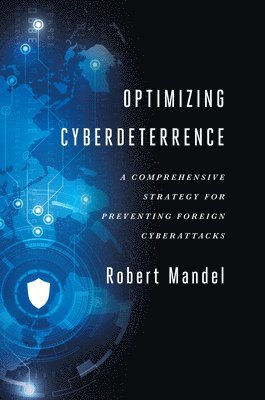
Cyberattacks are one of the greatest fears for governments and the private sector. The attacks come without warning and can be extremely costly and embarrassing. Robert Mandel offers a unique and comprehensive strategic vision for how governments, in partnership with the private sector, can deter cyberattacks from both nonstate and state actors. Cyberdeterrence must be different from conventional military or nuclear deterrence, which are mainly based on dissuading an attack by forcing the aggressor to face unacceptable costs. In the cyber realm, where attributing a specific attack to a specific actor is extremely difficult, conventional deterrence principles are not enough. Mandel argues that cyberdeterrence must alter a potential attacker's decision calculus by not only raising costs for the attacker but also by limiting the prospects for gain. Cyberdeterrence must also involve indirect unorthodox restraints, such as exposure to negative blowback and deceptive diversionary measures, and cross-domain measures rather than just retaliation in kind.The book includes twelve twenty-first-century cyberattack case studies to draw insights into cyberdeterrence and determine the conditions under which it works most effectively. Mandel concludes by making recommendations for implementing cyberdeterrence and integrating it into broader national security policy. Cyber policy practitioners and scholars will gain valuable and current knowledge from this excellent study.
Inbunden, Engelska, 2018
1 630 kr
Skickas inom 10-15 vardagar
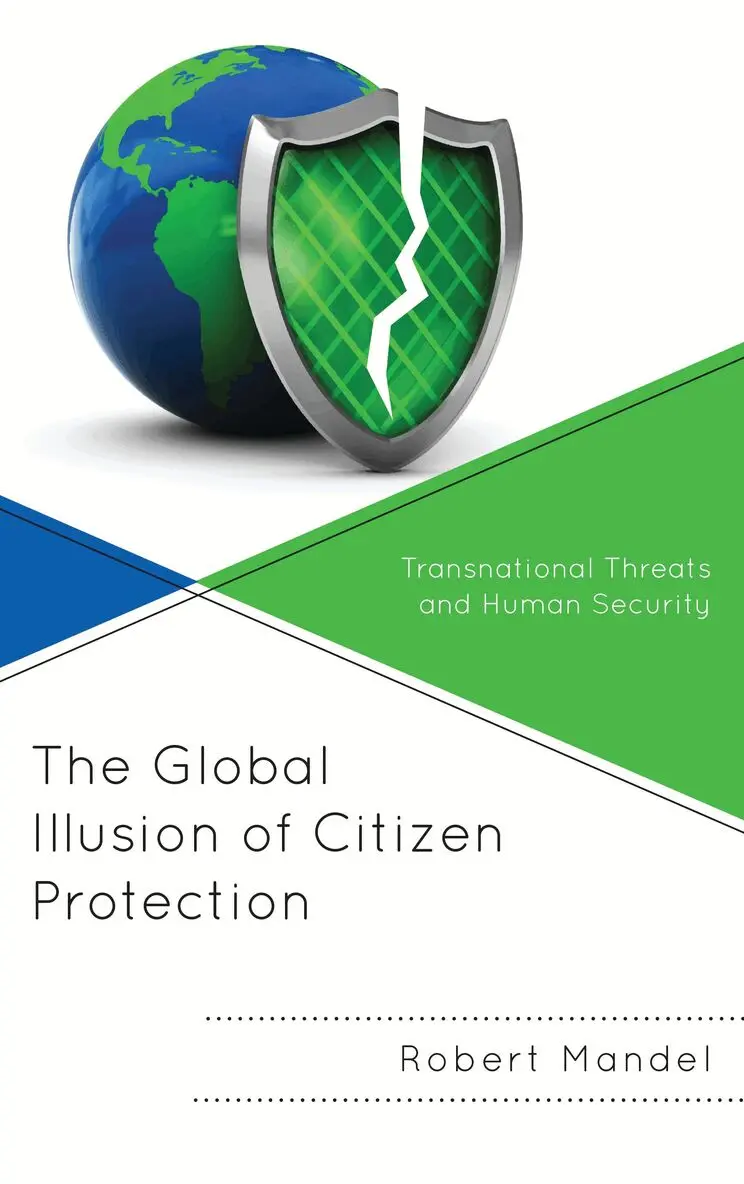
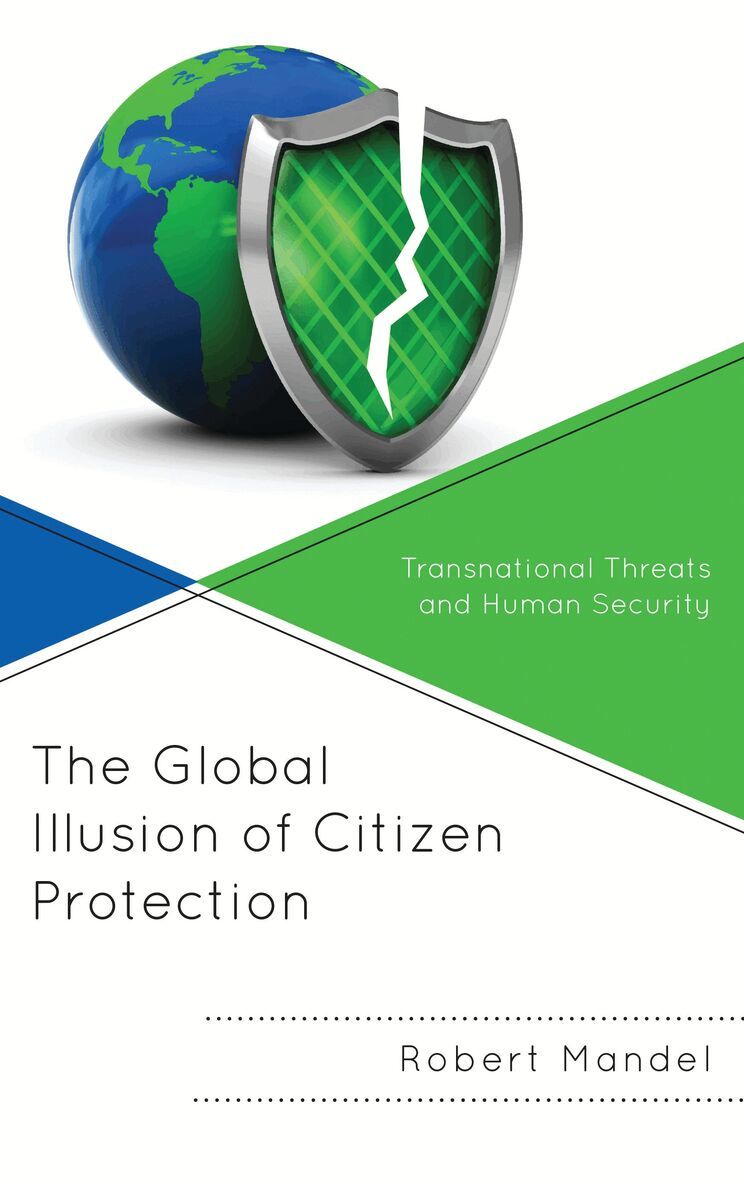
This book comprehensively analyzes the global illusion of citizen protection so common today. This text helps students understand a central puzzle in human security, which has two distinct components: (1) although it might be reasonable to assume that political leaders’ threat responses would almost always have a decent chance of safeguarding the mass public, sometimes they do not, exhibiting rhetoric-reality gaps and purely symbolic gestures; and (2) although the wealth of security information available to the mass public would seem to provide them with the opportunity to gain almost always an accurate picture of existing dangers and state threat responses, sometimes citizens’ evaluation of their own safety is grossly distorted, exhibiting an overly extreme sense of helplessness about ongoing threat and an overly extreme sense of skepticism about state protection. At first glance, it is difficult to comprehend fully why states would often select ineffective means of protecting their citizens (assuming the availability of other options) when it appears that there are incentives for them to choose effective ones, particularly within societies with responsive forms of government; and why citizens would often mischaracterize their own security predicament when they have a direct “on-the-ground” view of their plight and seem to have incentives to view their own safety accurately. In exploring these puzzles through detailed international case study analysis, this text investigation consciously deviates from some prevailing orthodox assumptions. It call into question the desirability of the political centrality of state authority and of the prevailing economic and cultural norms in today’s world, opening up serious questions about when and how existing structures and values contribute to increasing rather than decreasing human insecurity for the average world citizen.
Häftad, Engelska, 2018
615 kr
Skickas inom 10-15 vardagar
This book comprehensively analyzes the global illusion of citizen protection so common today. This text helps students understand a central puzzle in human security, which has two distinct components: (1) although it might be reasonable to assume that political leaders’ threat responses would almost always have a decent chance of safeguarding the mass public, sometimes they do not, exhibiting rhetoric-reality gaps and purely symbolic gestures; and (2) although the wealth of security information available to the mass public would seem to provide them with the opportunity to gain almost always an accurate picture of existing dangers and state threat responses, sometimes citizens’ evaluation of their own safety is grossly distorted, exhibiting an overly extreme sense of helplessness about ongoing threat and an overly extreme sense of skepticism about state protection. At first glance, it is difficult to comprehend fully why states would often select ineffective means of protecting their citizens (assuming the availability of other options) when it appears that there are incentives for them to choose effective ones, particularly within societies with responsive forms of government; and why citizens would often mischaracterize their own security predicament when they have a direct “on-the-ground” view of their plight and seem to have incentives to view their own safety accurately. In exploring these puzzles through detailed international case study analysis, this text investigation consciously deviates from some prevailing orthodox assumptions. It call into question the desirability of the political centrality of state authority and of the prevailing economic and cultural norms in today’s world, opening up serious questions about when and how existing structures and values contribute to increasing rather than decreasing human insecurity for the average world citizen.
Inbunden, Engelska, 2025
1 297 kr
Tillfälligt slut